What Is Sanjuro About?
The premise of Sanjuro in 303 words, with nothing given away. The full story follows below.
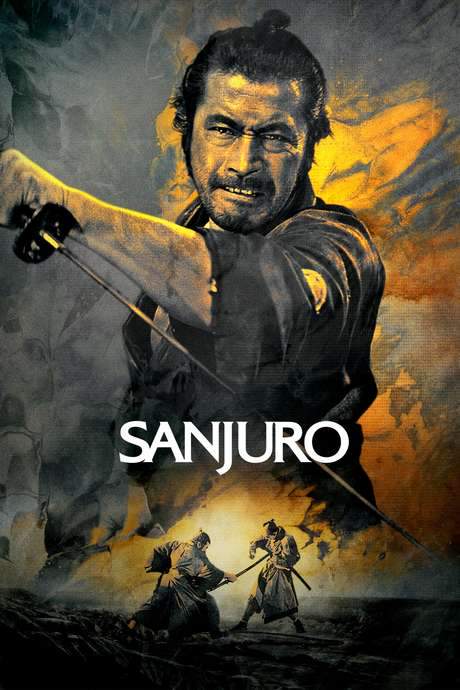
In a feudal world where honor and ambition collide, a lone ronin drifts through the ash‑laden streets with a razor‑sharp wit that slices through pretension as easily as his blade. Sanjuro carries the weary swagger of a man who has seen too many battles turn into spectacles, and his reputation—half myth, half cautionary tale— precedes him wherever he goes. The film opens on a landscape of quiet temples and bustling market alleys, their wooden facades framing a society that masks its rot behind polished armor and rigid hierarchy.
Against this backdrop, a group of idealistic young warriors seeks to right a grievance that threatens the fragile balance of power in their clan. Their earnestness is both a lantern and a lure, drawing the wandering samurai into a web of whispered doubts and half‑spoken promises. The tone oscillates between deadpan humor and simmering tension, letting Sanjuro’s sardonic commentary highlight the absurdity of a code that demands perfection while the world around it crumbles.
The director’s composition emphasizes contrast: crisp, static shots of solemn courtyards sit beside kinetic, almost choreographic fight sequences that showcase the ronin’s effortless skill. Light filters through paper shoji, casting lattice shadows that echo the film’s theme of hidden motives and unseen forces. Through witty banter and understated gestures, Sanjuro becomes a mirror for the young samurai’s fervor, challenging their naïve vision of the perfect samurai with a blend of comic flair and unsettling insight.
As the ronin settles into the simmering conflict, the audience is invited to watch a dance of loyalty and cynicism play out against the rigid expectations of a class bound by tradition. The mood remains taut, the humor dry, and the sense of impending intrigue ever‑present, promising a tale where the line between hero and anti‑hero is as thin as the edge of Sanjuro’s unsheathed sword.
What Happens in Sanjuro?
The complete story of Sanjuro, from the first scene to the last, in 899 words (about 4 minutes). Spoilers throughout. Names in the text link to 2 cast member pages.
Spoilers ahead
Nine young samurai believe that the lord chamberlain, Mutsuta, is corrupt after he tears up their petition against fraud at court. Yūnosuke Itō plays Mutsuta, and the rumor reaches the eyes and ears of the palace’s tensions when one of the conspirators reports to the overseer Kikui, Masao Shimizu, who agrees to intervene. The nine convene secretly at a shrine to weigh their options, but a wandering rōnin overhears their talk and cautions them not to put their trust in the superintendent. At first, the boys doubt him, yet the stranger proves useful by defending them from an ambush, sparing their lives and buying them time. As the dust settles, the improvised rescue makes it clear to the rōnin that Mutsuta and his kin may be in immediate danger, and he chooses to stay and help rather than walk away.
When the samurai reach Mutsuta’s house, they discover that the chamberlain has already been abducted and that his wife and daughter are being kept as leverage. The rōnin, who has begun to earn their trust, suggests a bold plan: a servant in the house will get the guards drunk, enabling the samurai to free the women. They move quickly to a nearby house to hide, while the family members remain under protection there. The moment of truth comes when Mutsuta’s wife asks the enigmatic rescuer for his name, and the rōnin looks out at the camellia trees around the compound and declares himself Sanjūrō Tsubaki, the “thirty-year-old camellia.” The legend quickly grows in the room, and a sharp exchange follows as the woman notes that Sanjūrō’s sword has not found its sheath often enough, chiding that the best sword is kept in its sheath.
From that point, Sanjūrō decides to get closer to the corrupt officials and infiltrates their circle by joining the henchman Hanbei, who had earlier offered him a role after the shrine ambush. The samurai, wary of the newcomer, keep a wary eye on him, while Sanjūrō realizes he is being tailed and shadowed. The rōnin’s cover is threatened when he is seen by the guards, and Hanbei heads off to request reinforcements, leaving the rest to monitor whether the conspiracy runs deeper than a single corruption scheme. In a bold gambit, Sanjūrō frees the four captured samurai, though he must kill the guards who stand in the way. He then tells the others to keep him bound for the moment, explaining to Hanbei on return that he did not want to die for a cause in which he had no stake.
The whereabouts of Mutsuta remain unknown until the next day, when a fragment of the torn petition surfaces in the stream that runs from the superintendent’s compound toward the hideout. With an outright assault on the officials impractical while the compound is bristling with armed guards, Sanjūrō devises a plan to draw away the army by reporting to Hanbei that he had seen rebels at a temple where he was sleeping. Meanwhile, he instructs his companions that the signal to attack would be sent by releasing a flood of camellias down the stream. The ruse seems to work at first: the superintendent’s forces race off to the temple, and the plan looks like it might pay off.
Yet trust is fragile. Hanbei grows suspicious when he spies Sanjūrō attempting to drop more camellias into the stream and takes the opportunity to bind him again. Just as Hanbei is about to kill him, the officials realize that Sanjūrō has outplayed them—his temple description was a feint, and time is lost while they reconsider their approach. They urge Hanbei not to waste more time and instead race to catch up with the retreating troops. But Sanjūrō has already turned the tables, tricking them into signaling for the samurai to come to the rescue. When Hanbei returns, he finds that he has once again been made a fool of.
With the tide turning, Mutsuta is reinstated to his rightful position, and the official overseeing the affair commits hara-kiri, much to the chamberlain’s regret, since he hoped to avoid a public scandal. The victory is tempered by a sense of bittersweet celebration as Mutsuta’s wife and daughter—whom the samurai had hoped to protect—rejoice at the relief, only to discover that Sanjūrō has slipped away in the chaos. The samurai race to locate him, while Hanbei prepares for a final confrontation, ready to settle the matter with a duel.
Sanjūrō, however, is reluctant to engage in a pure duel for its own sake. He tries to dissuade Hanbei from pursuing violence for its own sake, but Hanbei’s fury at losing dignity drives him toward a fatal clash. The two men clash, and Sanjūrō’s speed proves decisive; he kills Hanbei and ends the direct threat. The next moment belongs to the crowd of young samurai who cheer the apparent victory, but Sanjūrō’s mood hardens: he sees that Hanbei’s path is a mirror of his own restless energy and the endless cycle of violence that comes with it. He warns his followers that loyalty without attachment can still be dangerous, and that those who chase after him do so at their own risk. The film closes with Sanjūrō walking away as his admirers bow, recognizing that a sword unsheathed is both power and burden, and that true peace may require leaving others behind.
the best sword is kept in its sheath.
Sanjuro Timeline: Every Key Event in Order
12 key events in the order they happen, from “Nine samurai decide to challenge corruption” to “Final duel and Sanjuro's departure”. 12 events name a place, across 12 locations.
- 1
Nine samurai decide to challenge corruption
After the chamberlain Mutsuta tears up their petition, nine young samurai vow to press for accountability and seek intervention from the superintendent Kikui. They meet secretly at a shrine to discuss their plan and mounting pressure. A wandering ronin overhears them and warns against trusting the corrupt officials.
Where:shrine
- 2
Ambush at the shrine and rescue
As the samurai leave the shrine, an ambush is sprung on them. The ronin intervenes and saves the group, cementing his role as their protector. Realizing that Mutsuta and his family could be in danger, the ronin chooses to stay and help them.
Where:shrine vicinity
- 3
Rescue plan at Mutsuta's house
The samurai arrive at Mutsuta's house only to find the chamberlain abducted and his wife and daughter held prisoner. A servant from the house gets the guards drunk, allowing the samurai to free the women. The group then hides in a house next door to the superintendent's compound.
Where:Mutsuta's house and nearby residence
- 4
Revelation of Sanjuro's identity
While in hiding, the ronin gazes at the camellia trees and reveals his name as Tsubaki Sanjūrō. The woman of the house criticizes his frequent killings and argues that the best sword is kept in its sheath, signaling a tension between prowess and restraint.
Where:hideout near the superintendent's compound
- 5
Sanjuro infiltrates by joining Hanbei
Sanjuro decides to get closer to the corrupt officials and joins Hanbei, who had previously offered him a job after the shrine ambush. The samurai distrust him at first, but Sanjuro senses he is being followed as they walk together, and their shadows are easily captured and bound. Hanbei leaves to request reinforcements, setting up an opportunity for Sanjuro to act.
Where:near the superintendent's compound
- 6
Sanjuro frees the captured samurai
Sanjuro uses Hanbei's absence to free the four samurai he had been guarding, though he must kill all their guards in the process. He tells the freed men to leave him tied, explaining that he does not wish to die for a cause in which he has no stake. The exchange showcases his pragmatic, self-directed code.
Where:outside the compound
- 7
Torn petition reveals the stakes
The chamberlain's whereabouts remain unclear until the next day when Mutsuta's wife and daughter discover a torn piece of the petition in the stream flowing from the superintendent's compound. With an outright assault unlikely, Sanjuro devises a plan to misdirect the officials by claiming he saw rebels at a temple.
Where:stream by the superintendent's compound
- 8
Camellias as a signal and misdirection
Sanjuro proposes signaling the attack by floating large numbers of camellias down the stream. He tells his group to prepare for the attack while he fabricates information about rebels at a temple to lure the officials into a trap.
Where:stream and surrounding temple route
- 9
First phase draws the officials away; suspicion rises
The plan initially succeeds as the superintendent's forces rush toward the temple. However, Hanbei grows suspicious after catching Sanjuro attempting to drop camellias and ties him up. The others realize Sanjuro's temple description was a ruse and balk at the deception.
Where:temple route
- 10
Officials realize the ruse and the rescue is triggered
Despite Hanbei's misgivings, the officials acknowledge Sanjuro's ploy only partially and rush to chase the temple-bound forces. In the confusion, Sanjuro secretly ensures the signal will bring the samurai to the rescue, catching Hanbei by surprise when he returns.
Where:temple route and the surrounding area
- 11
Mutsuta is restored; the superintendent falls
Mutsuta is restored to his position, and the superintendent commits hara-kiri, attempting to avert a public scandal. In the aftermath, the chamberlain's family and loyal samurai celebrate, but they discover that Sanjuro has slipped away during the final commotion.
Where:Mutsuta's residence and vicinity
- 12
Final duel and Sanjuro's departure
The samurai chase after Sanjuro and find Hanbei ready to duel. Sanjuro is reluctant to fight, but Hanbei, furious at his own loss of dignity, decides that peace can only be achieved through killing him. Sanjuro defeats Hanbei with speed, calls him a kindred blade until the end, and walks away as his admirers kneel in reverence.
Where:outside the celebratory area
Who Are the Main Characters in Sanjuro?
5 characters, among them Sanjuro Tsubaki (The ronin) (Toshirô Mifune), Hanbei Muroto (Keiju Kobayashi) and Mutsuta (Chamberlain) (Yūnosuke Itō): who each one is and the part they play in the story. Every profile links to the actor’s page.
-
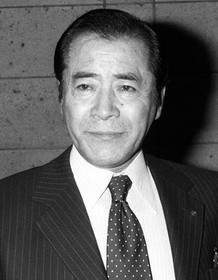
Sanjuro Tsubaki (The ronin) (Toshirô Mifune)
Played by Toshirô Mifune
A wily, laconic ronin who moves through the corrupt court with a dry wit and lethal efficiency. He operates by a personal code rather than any organized cause, using wit and bone-deep pragmatism to influence events. He frees the captives, manipulates the officials, and ultimately departs after delivering a harsh lesson about power and restraint.
- ⚔️ Honor
- 🗡️ Pragmatism
-
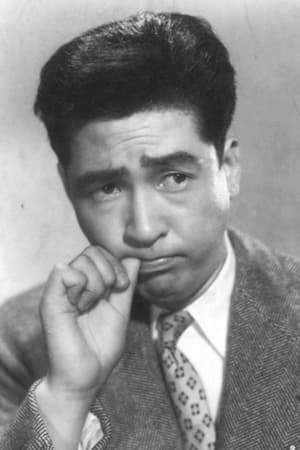
Hanbei Muroto (Keiju Kobayashi)
Played by Keiju Kobayashi
A calculating henchman who probes Sanjuro's allegiance and serves as a conduit for the corrupt officials’ plans. He relies on fear and manipulation to secure loyalty, but underestimates Sanjuro's improvisational cunning. His confidence collapses when Sanjuro outmaneuvers him and the officials fall into his traps.
- 🗝️ Power
- ⚔️ Loyalty
- M(
Mutsuta (Chamberlain) (Yūnosuke Itō)
Played by Yūnosuke Itō
The lord’s chamberlain, whose torn petition becomes a catalyst for the samurai’s investigation and the ensuing conflict. He embodies the corrupt bureaucratic power at the heart of the plot, balancing public image with private ambition. His downfall comes as the web of intrigue tightens around him.
- 🏛️ Power
- 🕯️ Political intrigue
-

Chidori (Mutsuta's daughter) (Reiko Dan)
Played by Reiko Dan
Chidori is a captive witness whose presence motivates Sanjuro’s plan and gives a human face to the consequences of political machinations. She embodies resilience under duress and challenges the ronin's secrets with questions about identity and motive. Her fate is entwined with the success of the rescue operation.
- 👩👧 Family
- 🗡️ Courage
- MW
Mutsuta's wife (Takako Irie)
Played by Takako Irie
A perceptive and vocal presence who questions the ronin’s name and the looming danger to her family. She navigates the line between fear and resolve, ultimately contributing to the rescue plan. Her perspective highlights the personal stakes behind political machinations.
- 💍 Loyalty
- 👩👩👧 Family bonds
Where and When Is Sanjuro Set?
Sanjuro is set in Feudal Japan, Mutsuta's compound, temple, shrine and stream (Sengoku period, 16th century). Here is why the time and place matter to the story.
When
Sengoku period, 16th century
The era is defined by constant power struggles among rival lords and factions, where samurai navigate shifting loyalties. Honor codes clash with opportunism as officials manipulate politics to protect or advance their positions. The film uses this turbulent setting to drive a plot built on cunning tactics and swift violence.
Where
Feudal Japan, Mutsuta's compound, temple, shrine, stream
Set in feudal Japan, the action centers on a provincial town surrounding a powerful chamberlain's residence and its shadowy surroundings. Key locations include Mutsuta's compound, a shrine, a temple, and the house next door used as a hideout, with a stream running past the area that becomes a signaling route for the plan. The atmosphere emphasizes court intrigue, ambushes, and the tension between personal loyalty and corrupt authority.
- 🏯 Feudal settings
- 🗺️ Provincial town
- 🕯️ Court intrigue
What Are the Themes of Sanjuro?
3 ideas the story keeps returning to, among them Honor vs Corruption, Strategy & Deception and Loyalty & Brotherhood.
-
01
Honor vs Corruption
Sanjuro embodies a pragmatic, personal code of honor that persists even when dealing with corrupt officials. He questions blindly following a cause and instead acts according to his own sense of justice. The tension between loyalty to a cause and loyalty to one's own code drives the actions of the samurai group. The consequences of authority abusing power are shown through the officials' manipulation and the ultimate costs of confrontation.
-
02
Strategy & Deception
The plot hinges on cunning plans and feints, such as the camellia signaling device and the false temple narrative. Sanjuro engineers distractions and misdirection to draw away guards and buy time for the rescue. Deception is used by both sides, testing who can be trusted and who will exploit a situation for advantage. The outcome relies on precise timing and calculated risk.
-
03
Loyalty & Brotherhood
A core tension revolves around loyalty among the samurai and the bonds that form between unlikely allies. Sanjuro's actions challenge the young samurai to rethink what constitutes true allegiance. The rescue of Mutsuta’s wife and daughter reframes loyalty from pure duty to protective care. The story ultimately questions whether true brotherhood is earned through restraint or decisive action.
What Kind of Film Is Sanjuro?
Bittersweet in tone, with steady pacing and a straightforward story, going by the plot summary.
- Tone
- Bittersweet
- Pacing
- Steady
- Story
- Straightforward
- Intensity
- Medium
- Ending
- Bittersweet
A witty and steadily paced samurai tale where a jaded ronin's brilliant strategies are tempered by a reflective, bittersweet conclusion about the burden of violence.
- witty
- swaggering
- cautious
- reflective
- cynical
- tense
- samurai code
- political corruption
- loyalty
- mentorship
Content notes: violence, sword fights, captivity, suicide.
Quiz
How well do you remember Sanjuro? Test yourself on the story.
Where to Watch Sanjuro
Stream it on Criterion Channel, or rent or buy it from Amazon Video and Apple TV Store. US availability and prices from JustWatch.
Stream 1
 Criterion Channel


Streaming availability in the US, powered by