The Little Giant 1933


As Prohibition ends, bootlegger Bugs Ahearn aims for respectable California society. He rents a house from down‑on‑her‑luck Ruth and makes her his social secretary. After rescuing Polly Cass from a horse‑fall, he meets her father, who sells him fake stock certificates. Realizing he's been duped, Bugs calls the Chicago mob for help.


Does The Little Giant have end credit scenes?
No!
The Little Giant does not have end credit scenes. You can leave when the credits roll.
Meet the Full Cast and Actors of The Little Giant
Explore the complete cast of The Little Giant, including both lead and supporting actors. Learn who plays each character, discover their past roles and achievements, and find out what makes this ensemble cast stand out in the world of film and television.
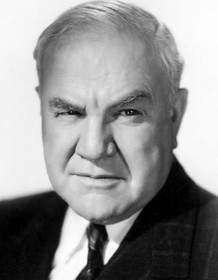
Berton Churchill
Donald Hadley Cass
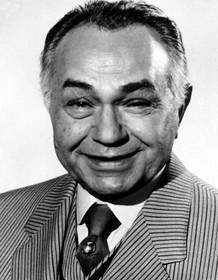
Edward G. Robinson
James Francis 'Bugs' / 'Jim' Ahearn

Charles Coleman
Tailor
Mary Astor
Ruth Wayburn
Kenneth Thomson
John Stanley
Bill Elliott
Guest at Polly's Party (uncredited)
Selmer Jackson
Radio Announcer (voice) (uncredited)
Louise Mackintosh
Mrs. Donald Hadley Cass
Lester Dorr
Investment Clerk (uncredited)
Dewey Robinson
Butch
Sidney Bracey
Butler
Russell Hopton
Albert J. 'Al' Daniels
Don Dillaway
Gordon Cass
Toby Wing
Society Girl (uncredited)
Shirley Grey
Edith Merriam
Helen Vinson
Polly Cass
Jayne Shadduck
Society Girl (uncredited)
External Links and Streaming Options
Discover where to watch The Little Giant online, including streaming platforms, rental options, and official sources. Compare reviews, ratings, and in-depth movie information across sites like IMDb, TMDb, Wikipedia or JustWatch.





Take the Ultimate The Little Giant Movie Quiz
Challenge your knowledge of The Little Giant with this fun and interactive movie quiz. Test yourself on key plot points, iconic characters, hidden details, and memorable moments to see how well you really know the film.
The Little Giant Movie Quiz: Test your knowledge on the 1933 movie 'The Little Giant' with these diverse questions covering plot, characters, and details.
In which city is the movie 'The Little Giant' primarily set?
Full Plot Summary and Ending Explained for The Little Giant
Read the complete plot summary of The Little Giant, including all major events, twists, and the full ending explained in detail. Explore key characters, themes, hidden meanings, and everything you need to understand the story from beginning to end.
In “What’s After the Movie,” set against the backdrop of Los Angeles in October 1990, the story unfolds with a tense and gripping mystery that examines both past trauma and the relentless pursuit of justice. The film begins with a young woman named Tina Salvatore, portrayed by Sofia Vassilieva, who finds herself being stalked by an unseen driver while driving alone. After a close encounter that leaves her frightened and seeking help at an eerily deserted gas station, Tina escapes by flagging down a passing truck driver. This intense opening scene sets the tone for a story full of suspense and dark secrets.
Meanwhile, in Kern County, Sheriff Joe “Deke” Deacon, played by Denzel Washington, is a seasoned yet troubled former detective. His quiet life takes a turn when he’s called back into action to assist with a murder investigation linked to a series of murders involving prostitutes. Deke’s past haunts him; he is a detective with a reputation for having suffered a breakdown after a case that involved similar brutal crimes. He is now paired with the ambitious and eager young detective Jimmy Baxter, played by Rami Malek, and their team begins gathering evidence, starting with the recent victim, Julie Brock.
The investigation quickly reveals disturbing patterns: victims are found stabbed, bound, and moved from their original crime scenes. Deke, with his keen eye, notices that the modus operandi resembles his own unsolved case that had haunted him for years—particularly the way the victims are treated and positioned. He even notices that the killer may have returned to the crime scenes, a detail that deeply unsettles him. Across the street from Julie’s apartment, Deke observes an observation point that provides him with a vantage view, further emphasizing the connection between his past and present cases.
As the story progresses, Deke and Jimmy encounter the tragic disappearance of Ronda Rathbun, a young woman who was finishing her jog when she was followed by the same type of car seen earlier. Despite their efforts, Ronda remains missing, raising the stakes. They soon bring in a suspect, Stan Peters, a registered sex offender who reacts emotionally to the victim’s photographs, suggesting guilt or at least a connection to the case. Deke’s investigation deepens as he delves into the victims’ lives, uncovering details such as Julie’s unusual diet and her last meal, which adds eerie clues to the puzzle.
Throughout the film, Deke’s personal history and obsession with solving his previous case become apparent. His interactions with Flo, the coroner, reveal a man haunted by past mistakes—particularly an incident where a survivor, Mary Roberts, was accidentally shot and killed, an event covered up to protect his reputation. These flashbacks intensify the emotional weight of Deke’s character, illustrating the toll of his relentless pursuit of justice.
The investigation eventually points to a suspect named Albert Sparma, played by Jared Leto, who owns a nearby repair shop. Deke begins tailing Albert, noticing his odd behavior, such as picking up prostitutes and driving a similar car to the killer’s. Albert’s fascination with serial killers and detailed knowledge of the crimes raise suspicion. When questioned, Albert claims to have a morbid interest in the crimes but denies any direct involvement, even showing an unsettling arousal when viewing crime scene photos.
The tension reaches a boiling point when Jimmy and the team unravel that Albert had a history of false confessions, making his guilt uncertain. Nevertheless, Jimmy is convinced that Albert is hiding something and eventually confronts him in a desert alone. Under pressure, Albert misleads Jimmy with conflicting information about where the victim’s body might be hidden, taunting him by referencing his wife and daughters to provoke anger. In a moment of overwhelming frustration and confusion, Jimmy kills Albert with a shovel, an act driven by mounting suspicion, anger, and a desire for closure.
Following this, Deke reveals that the night he shot Mary Roberts, he believed he was confronting the killer but instead accidentally shot her, an event that was concealed to avoid tarnishing his reputation. This revelation underscores the emotional scars that influence his actions and decisions.
In the final act, Deke takes measures to cover up potentially incriminating evidence against Albert by destroying his files and evidence, symbolically trying to put the entire case to rest. Meanwhile, Jimmy, troubled by what he has done, receives an envelope from Deke containing a keychain with a fired bullet, and a note reading “No Angels”, hinting at the dark truths hidden beneath the surface. It becomes clear that Deke’s actions were motivated by his own guilt and a desire to shield the truth, even if it meant bending or breaking the rules.
“What’s After the Movie” is a tense exploration of obsession, redemption, and the gray areas of justice. It delves deeply into the psychology of law enforcement, the scars of past trauma, and the uncomfortable truths that lie beneath the surface of seemingly clear-cut crimes. The film leaves viewers pondering whether justice is truly served or if the moral lines become blurred in the pursuit of peace, all set within an atmospheric landscape of suspense and emotional complexity.

Coming soon on iOS and Android
The Plot Explained Mobile App
From blockbusters to hidden gems — dive into movie stories anytime, anywhere. Save your favorites, discover plots faster, and never miss a twist again.
Sign up to be the first to know when we launch. Your email stays private — always.
Explore the mobile appDiscover Film Music Concerts Near You – Live Orchestras Performing Iconic Movie Soundtracks
Immerse yourself in the magic of cinema with live orchestral performances of your favorite film scores. From sweeping Hollywood blockbusters and animated classics to epic fantasy soundtracks, our curated listings connect you to upcoming film music events worldwide.
Explore concert film screenings paired with full orchestra concerts, read detailed event information, and secure your tickets for unforgettable evenings celebrating legendary composers like John Williams, Hans Zimmer, and more.


The Little Giant Themes and Keywords
Discover the central themes, ideas, and keywords that define the movie’s story, tone, and message. Analyze the film’s deeper meanings, genre influences, and recurring concepts.
The Little Giant Other Names and Titles
Explore the various alternative titles, translations, and other names used for The Little Giant across different regions and languages. Understand how the film is marketed and recognized worldwide.
Similar Movies To The Little Giant You Should Know About
Browse a curated list of movies similar in genre, tone, characters, or story structure. Discover new titles like the one you're watching, perfect for fans of related plots, vibes, or cinematic styles.


Quick Links: Summary, Cast, Ratings, More

What's After the Movie?
Not sure whether to stay after the credits? Find out!
Check out our other apps:

SAT Sphere
Build confidence for the Digital SAT.

Mori Atlas
Discover wild places worth protecting.

Luntero
Search smarter for a home in Amsterdam.

Plot Explained
Unravel movie endings and hidden clues.

Pokechamp
Dive into Pokémon data and battle logic.

Driving Theory
Get ready for your European theory test.

Movie Dust
Plan your next cinema trip with ease.

Musemap
Find art and culture as you travel.

Selkobase
Compare credentials before committing.

Local Manual
Turn an unfamiliar country into practical next steps.

Lernavi
Compare school systems before your next move.

GymRoam
Find a workout stop wherever your plans take you.
Explore Our Movie Platform
New Movie Releases (2026)
Famous Movie Actors
Top Film Production Studios
Movie Plot Summaries & Endings
Major Movie Awards & Winners
Best Concert Films & Music Documentaries
Movie Collections and Curated Lists
© 2026 What's After the Movie. All rights reserved.
Privacy Policy