The Good Guys and the Bad Guys 1969


The final chapter of The Wildest Bunch pits the aging heroes against a fresh wave of gun‑toting glory‑seekers. When an incompetent young marshal displaces the veteran lawman and a vicious young gang leader supplants the seasoned outlaw, the two former foes reluctantly team up to confront the new threat.


Does The Good Guys and the Bad Guys have end credit scenes?
No!
The Good Guys and the Bad Guys does not have end credit scenes. You can leave when the credits roll.
Where to Watch The Good Guys and the Bad Guys
See current US streaming, rental, and purchase options for The Good Guys and the Bad Guys (1969) via JustWatch.

Streaming availability powered by 
Meet the Full Cast and Actors of The Good Guys and the Bad Guys
Explore the complete cast of The Good Guys and the Bad Guys, including both lead and supporting actors. Learn who plays each character, discover their past roles and achievements, and find out what makes this ensemble cast stand out in the world of film and television.
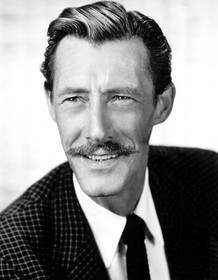
John Carradine
Ticker
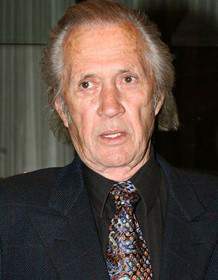
David Carradine
Waco
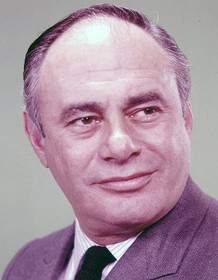
Martin Balsam
Mayor Wilker
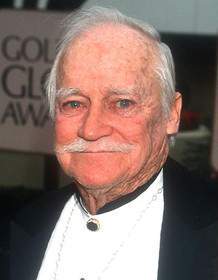
Richard Farnsworth
Workman (uncredited)
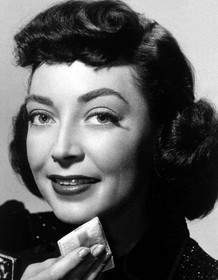
Marie Windsor
Polly
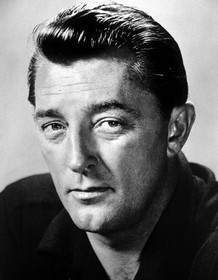
Robert Mitchum
Flagg
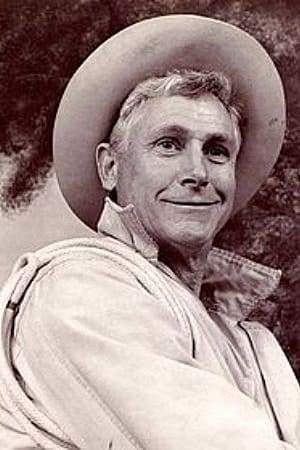
George Dunn
Engineer #1 (uncredited)
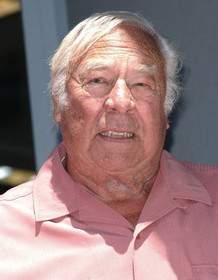
George Kennedy
McKay

Howard Storm
Harry (uncredited)
Buddy Hackett
Ed - Townsman (uncredited)
Tina Louise
Carmel
Jackie Joseph
Doris (uncredited)
Kathleen Freeman
Mrs. Stone
Douglas Fowley
Grundy
Nick Dennis
Engineer #2
Lois Nettleton
Mary
Robert Anderson
Jed (uncredited)
Jack Perkins
Townsman (uncredited)
Dorothy Adams
Mrs. Pierce (uncredited)
Paul Bradley
Barfly (uncredited)
Angela Greene
Judy (uncredited)
Danny Borzage
Accordionist (uncredited)
Darby Hinton
Pug (uncredited)
Alan Lee
Townsman (uncredited)
Irene Kelly
Ginny (uncredited)
John Davis Chandler
Deuce
Jimmy Murphy
Buckshot
John Wheeler
Bumper (uncredited)
Arthur Tovey
Townsman (uncredited)
Hank Robinson
Barfly (uncredited)
Kathryn Janssen
Townswoman (uncredited)
Noble 'Kid' Chissell
Townsman (uncredited)
Ken DuMain
Bartender (uncredited)
Kenner G. Kemp
Saloon Dealer (uncredited)
Jeffrey Sayre
Barfly (uncredited)
Bud Cokes
Townsman (uncredited)
Cap Somers
Townsman (uncredited)
Chalky Williams
Barfly (uncredited)
Jimmie Booth
Wagon Driver (uncredited)
Dee Carroll
Minor Role (voice - uncredited)
Bobby Gilbert
Boarding House Guest (uncredited)
Paul Lees
Miles (uncredited)
John Roy
Townsman (uncredited)
Robert Robinson
Townsman (uncredited)
Ross Dollarhide
Townsman (uncredited)
George Tracy
Townsman (uncredited)
Bob Whitney
Barfly (uncredited)
Jack Berle
Saloon Dealer (uncredited)
Joe Pine
Barfly (uncredited)
Dick Peabody
Boyle
Garrett Lewis
Hawkins
Thordis Brandt
Babe (uncredited)
David Cargo
Reporter (uncredited)
Ted Christy
Townsman (uncredited)
John Fritz
Townsman (uncredited)
Stuart Lee
Harold (uncredited)
Stephen Liss
Cricket (uncredited)
Mickey Martin
Barfly (uncredited)
John Hugh McKnight
Townsman (uncredited)
Ernesto Molinari
Barfly (uncredited)
Mike Morelli
Barfly (uncredited)
Bobby Riha
Billy (uncredited)
Russell Schulman
One of Pug's Boys (uncredited)
Danny Sands
Townsman (uncredited)
Chick Sheridan
Townsman (uncredited)
Phil Schumacher
Townsman (uncredited)
Mike Wagner
Turk (uncredited)
Philip Vandervort
Simms (uncredited)
External Links and Streaming Options
Discover where to watch The Good Guys and the Bad Guys online, including streaming platforms, rental options, and official sources. Compare reviews, ratings, and in-depth movie information across sites like IMDb, TMDb, Wikipedia or Box Office Mojo.





Take the Ultimate The Good Guys and the Bad Guys Movie Quiz
Challenge your knowledge of The Good Guys and the Bad Guys with this fun and interactive movie quiz. Test yourself on key plot points, iconic characters, hidden details, and memorable moments to see how well you really know the film.
The Good Guys and the Bad Guys (1969) Quiz: Test your knowledge of the 1969 western film "The Good Guys and the Bad Guys" with a mix of easy, medium, and challenging questions.
Which actor portrayed Marshal Flagg?
Full Plot Summary and Ending Explained for The Good Guys and the Bad Guys
Read the complete plot summary of The Good Guys and the Bad Guys, including all major events, twists, and the full ending explained in detail. Explore key characters, themes, hidden meanings, and everything you need to understand the story from beginning to end.
Progress’s marshal Flagg Robert Mitchum senses trouble when his arch-rival, Big John McKay George Kennedy, is headed toward town. He wastes no time warning Mayor Wilker Martin Balsam and others about rumors of an impending train robbery, a warning that irritates the mayor who wants to keep a calm public image and quickly relieves Flagg of his badge. With his authority stripped, Flagg sets out on his own, determined to uncover the truth.
He soon discovers that McKay has assembled a gang of youthful outlaws, and after Flagg is captured, he narrowly escapes death thanks to McKay’s intervention when the gang’s young leader, Waco David Carradine, takes control. The old enemies collide again in a brutal fistfight, a clash that underscores how the past clings to the town even as it edges toward a new era. Flagg is brought back to Progress and placed in a boarding house run by Mary Lois Nettleton, a widow who provides a quiet, stabilizing presence in the midst of rising chaos.
The townspeople, slow to take the threat seriously, are blindsided when the outlaws ride in with plans to rob a train. In a surprising turn, McKay sides with Flagg to thwart the heist, revealing a complex bond between the two men that goes beyond rivalry. Grundy Douglas Fowley, a once-trusted ally of Flagg, plays the fool and ends up fatally shot in the back by Deuce John Davis Chandler, one of the gang members, highlighting the peril that surrounds them all.
The plan unfolds as the outlaws aim to rob the train before it reaches the town bank, slipping past the station and onto the tracks. Flagg and McKay board the locomotive just ahead of the others, initially getting detained by onboard security inside a privy, but they manage to break free. They seize the opportunity, climbing into the engine cab and taking the crew hostage. The train never stops at the station; it rattles straight into town, carrying the momentum of the confrontation with it.
Mayor Wilker and a determined group of townsfolk chase after the speeding train, while the outlaws press their pursuit from behind. McKay expertly uncouples the front cars from the rear passenger coaches, gaining a precarious advantage and outrunning his pursuers. The chase culminates at a perilous stretch where the track runs over a cliff; the train is moving too fast to stop, and Flagg, McKay, and the workers leap clear just as the cars plummet and explode in a blaze of fire and debris.
In the aftermath, the outlaws scramble to salvage what they can from the burning wreckage. Flagg and McKay stage a decisive ambush, killing most of the gang in a tense gunfight. A crucial encounter with Waco—who is about to escape—ends with McKay wounding him, and then McKay delivering the fatal shot. As the two men stand over the fallen Waco, McKay murmurs, “I thought I could beat him [Waco],” and Flagg responds with a quiet acknowledgment, “You did beat him.”
Back in Progress, Wilker expresses gratitude for the two men who saved his town and, with his reputation on the line, even muses aloud about a future run for higher office. McKay’s later remark—suggesting that Wilker could become president one day—echoes the town’s shifting ambitions and the uneasy blend of heroism and politics that have shaped Progress.
Later, the new town marshal offers Flagg his badge back, a gesture he rejects, choosing instead to impart one last piece of hard-won wisdom: to succeed, you must learn to tell the good guys from the bad guys. The film closes with a final, ironic moment as Flagg arrests McKay and handcuffs him, despite McKay’s protests. In a nod to their complicated history, Flagg reminds the audience that he will always keep his word, recalling a promise to land McKay in jail. The scene settles into a wry, unresolved balance between respect, rivalry, and the costs of justice in a town where old loyalties linger and new power struggles take shape.

Coming soon on iOS and Android
The Plot Explained Mobile App
From blockbusters to hidden gems — dive into movie stories anytime, anywhere. Save your favorites, discover plots faster, and never miss a twist again.
Sign up to be the first to know when we launch. Your email stays private — always.
Explore the mobile appWatch Trailers, Clips & Behind-the-Scenes for The Good Guys and the Bad Guys
Watch official trailers, exclusive clips, cast interviews, and behind-the-scenes footage from The Good Guys and the Bad Guys. Dive deeper into the making of the film, its standout moments, and key production insights.
Cars Featured in The Good Guys and the Bad Guys
Explore all cars featured in The Good Guys and the Bad Guys, including their makes, models, scenes they appear in, and their significance to the plot. A must-read for car enthusiasts and movie buffs alike.
The Good Guys and the Bad Guys Themes and Keywords
Discover the central themes, ideas, and keywords that define the movie’s story, tone, and message. Analyze the film’s deeper meanings, genre influences, and recurring concepts.
The Good Guys and the Bad Guys Other Names and Titles
Explore the various alternative titles, translations, and other names used for The Good Guys and the Bad Guys across different regions and languages. Understand how the film is marketed and recognized worldwide.
Similar Movies To The Good Guys and the Bad Guys You Should Know About
Browse a curated list of movies similar in genre, tone, characters, or story structure. Discover new titles like the one you're watching, perfect for fans of related plots, vibes, or cinematic styles.




Quick Links: Summary, Cast, Ratings, More

What's After the Movie?
Not sure whether to stay after the credits? Find out!
Check out our other apps:

SAT Sphere
Build confidence for the Digital SAT.

Mori Atlas
Discover wild places worth protecting.

Luntero
Search smarter for a home in Amsterdam.

Plot Explained
Unravel movie endings and hidden clues.

Pokechamp
Dive into Pokémon data and battle logic.

Driving Theory
Get ready for your European theory test.

Movie Dust
Plan your next cinema trip with ease.

Musemap
Find art and culture as you travel.

Selkobase
Compare credentials before committing.

Local Manual
Turn an unfamiliar country into practical next steps.

Lernavi
Compare school systems before your next move.

GymRoam
Find a workout stop wherever your plans take you.
Explore Our Movie Platform
New Movie Releases (2026)
Famous Movie Actors
Top Film Production Studios
Movie Plot Summaries & Endings
Major Movie Awards & Winners
Best Concert Films & Music Documentaries
Movie Collections and Curated Lists
© 2026 What's After the Movie. All rights reserved.
Privacy Policy