
The Good Guys and the Bad Guys 1969

Directed by
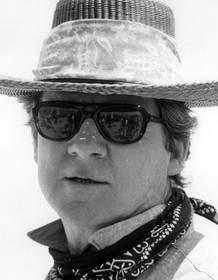
Burt Kennedy
Made by

Robert Goldstein Productions
Where to Watch The Good Guys and the Bad Guys
See current US streaming, rental, and purchase options for The Good Guys and the Bad Guys (1969) via JustWatch.

Streaming availability powered by 
The Good Guys and the Bad Guys Plot Summary
Read the complete plot summary and ending explained for The Good Guys and the Bad Guys (1969). From turning points to emotional moments, uncover what really happened and why it matters.
Progress’s marshal Flagg Robert Mitchum senses trouble when his arch-rival, Big John McKay George Kennedy, is headed toward town. He wastes no time warning Mayor Wilker Martin Balsam and others about rumors of an impending train robbery, a warning that irritates the mayor who wants to keep a calm public image and quickly relieves Flagg of his badge. With his authority stripped, Flagg sets out on his own, determined to uncover the truth.
He soon discovers that McKay has assembled a gang of youthful outlaws, and after Flagg is captured, he narrowly escapes death thanks to McKay’s intervention when the gang’s young leader, Waco David Carradine, takes control. The old enemies collide again in a brutal fistfight, a clash that underscores how the past clings to the town even as it edges toward a new era. Flagg is brought back to Progress and placed in a boarding house run by Mary Lois Nettleton, a widow who provides a quiet, stabilizing presence in the midst of rising chaos.
The townspeople, slow to take the threat seriously, are blindsided when the outlaws ride in with plans to rob a train. In a surprising turn, McKay sides with Flagg to thwart the heist, revealing a complex bond between the two men that goes beyond rivalry. Grundy Douglas Fowley, a once-trusted ally of Flagg, plays the fool and ends up fatally shot in the back by Deuce John Davis Chandler, one of the gang members, highlighting the peril that surrounds them all.
The plan unfolds as the outlaws aim to rob the train before it reaches the town bank, slipping past the station and onto the tracks. Flagg and McKay board the locomotive just ahead of the others, initially getting detained by onboard security inside a privy, but they manage to break free. They seize the opportunity, climbing into the engine cab and taking the crew hostage. The train never stops at the station; it rattles straight into town, carrying the momentum of the confrontation with it.
Mayor Wilker and a determined group of townsfolk chase after the speeding train, while the outlaws press their pursuit from behind. McKay expertly uncouples the front cars from the rear passenger coaches, gaining a precarious advantage and outrunning his pursuers. The chase culminates at a perilous stretch where the track runs over a cliff; the train is moving too fast to stop, and Flagg, McKay, and the workers leap clear just as the cars plummet and explode in a blaze of fire and debris.
In the aftermath, the outlaws scramble to salvage what they can from the burning wreckage. Flagg and McKay stage a decisive ambush, killing most of the gang in a tense gunfight. A crucial encounter with Waco—who is about to escape—ends with McKay wounding him, and then McKay delivering the fatal shot. As the two men stand over the fallen Waco, McKay murmurs, “I thought I could beat him [Waco],” and Flagg responds with a quiet acknowledgment, “You did beat him.”
Back in Progress, Wilker expresses gratitude for the two men who saved his town and, with his reputation on the line, even muses aloud about a future run for higher office. McKay’s later remark—suggesting that Wilker could become president one day—echoes the town’s shifting ambitions and the uneasy blend of heroism and politics that have shaped Progress.
Later, the new town marshal offers Flagg his badge back, a gesture he rejects, choosing instead to impart one last piece of hard-won wisdom: to succeed, you must learn to tell the good guys from the bad guys. The film closes with a final, ironic moment as Flagg arrests McKay and handcuffs him, despite McKay’s protests. In a nod to their complicated history, Flagg reminds the audience that he will always keep his word, recalling a promise to land McKay in jail. The scene settles into a wry, unresolved balance between respect, rivalry, and the costs of justice in a town where old loyalties linger and new power struggles take shape.
The Good Guys and the Bad Guys Timeline
Follow the complete movie timeline of The Good Guys and the Bad Guys (1969) with every major event in chronological order. Great for understanding complex plots and story progression.
Flagg warns Progress of a possible train robbery
Jim Flagg, Progress's town marshal, learns that his arch-rival Big John McKay is approaching. He warns Mayor Wilker and the townspeople about a possible train robbery. Wilker resents the panic and retires Flagg from his job and badge.
Flagg is captured; McKay helps him escape as Waco takes over
Flagg is captured by the outlaw gang while pursuing McKay. The young leader Waco takes command, and McKay's intervention helps Flagg escape from death. The two old enemies end up in a fistfight later.
Flagg returns to town and houses McKay in Mary's boarding house
Flagg brings McKay back to Progress and places him in a boarding house run by Mary, a widow. The arrangement keeps the fugitive under guard while the town debates his allegiance.
Outlaws plan a train robbery; townsfolk ignore the threat
When the outlaws arrive to rob the train, the town's leaders still refuse to take the threat seriously. McKay sides with Flagg to thwart the robbery, solidifying an uneasy alliance between former rivals.
Grundy is killed by Deuce
Grundy, Flagg's old friend, pretends to play the fool but is shot in the back by Deuce, one of the gang members. His death underscores the gang's ruthlessness and the stakes of the confrontation.
The train robbery begins; boarding and captivity
The outlaws plan to rob the train before it reaches the bank. Flagg and McKay board the train ahead of time but are detained in a privy. They break free, seize the locomotive cab, and take the crew hostage.
Train speeds into town; chase begins
The train does not stop at the station and barrels into town. Mayor Wilker and the townspeople chase after the speeding locomotive while the outlaws pursue their stolen loot.
McKay uncouples cars to overtake the gang
McKay uncouples the front cars from the rear passenger coaches, gaining a lead over the outlaws. The maneuver shifts the momentum of the chase and keeps the train moving toward danger.
Cliffside crash and explosion
The train rides on a broken track over a cliff and cannot be stopped in time. Flagg, McKay, and the workers bail out before the crash as the train plunges and explodes.
Outlaws loot burning train; final gunfight
Outlaws catch up and loot the burning train compartments. Flagg and McKay ambush them and kill most of the gang in a frantic gunfight.
Waco confronts McKay; McKay defeats him
McKay catches up with Waco as he tries to escape and is wounded. McKay shoots Waco dead, and Flagg remarks that he beat him, while McKay counters that he did.
Wilker thanks them; politics loom
Mayor Wilker arrives to express gratitude for saving the town and preserving his political career. The journalist asks about governor prospects, and Wilker entertains the idea.
Flagg declines badge; offers strategic advice
The new town marshal asks Flagg to take back his badge, but Flagg declines. He tells Boyle that to be successful you must learn to tell the good guys from the bad guys.
Ending twist: Flagg hands McKay to jail
In a humorous close, Flagg arrests McKay and handcuffs him, joking that he will always keep his word. McKay protests, but Flagg insists on delivering the jail sentence.
The Good Guys and the Bad Guys Characters
Explore all characters from The Good Guys and the Bad Guys (1969). Get detailed profiles with their roles, arcs, and key relationships explained.
Flagg (Robert Mitchum)
The town marshal is a principled, hardworking lawman who refuses to abandon his duty even after being retired and stripped of his badge. He remains determined to root out the outlaw threat and protect Progress, using a blend of experience and moral clarity. His guidance to others emphasizes discernment between good and bad.
McKay (George Kennedy)
A rugged, impulsive young outlaw who starts as Flagg's rival but ultimately allies with him to defend the town. He is bold and quick to act, often clashing with Flagg's more cautious approach. His loyalty evolves under pressure, culminating in a fatal confrontation with Waco.
Waco (David Carradine)
The youthful gang leader who takes charge of the outlaw group and drives the plan to rob the train. He embodies reckless ambition and a willingness to violence for gain, challenging both Flagg and McKay. His pursuit ends in a deadly clash with McKay.
Mayor Wilker (Martin Balsam)
A cheap politician who prioritizes his reputation over public safety. He dismisses warnings to avoid panic and to preserve his standing, underscoring the dangers of opportunistic leadership. His arc hints at the potential for greater political ambition beyond the town.
Mary (Lois Nettleton)
A widow who runs a boarding house in Progress and acts as a steady, compassionate presence for the town. She shelters Flagg and becomes a quiet anchor as events unfold, highlighting the human side of the crisis.
Grundy (Douglas Fowley)
A fool chasing mischief who serves as comic relief but also exposes the town’s vulnerabilities. His imprudent actions contribute to the danger, culminating in a violent consequence at the hands of Deuce.
Deuce (John Davis Chandler)
A gang member who enforces the gang's will and carries out brutal acts, including shooting Grundy. His presence heightens the threat to the town and tightens the tension of the jailbreak and pursuit.
The Good Guys and the Bad Guys Settings
Learn where and when The Good Guys and the Bad Guys (1969) takes place. Explore the film’s settings, era, and how they shape the narrative.
Location
Progress
Progress is a frontier town perched along a railroad route, with a bank and boarding house as central hubs. The looming threat of a train robbery turns the town into a pressure cooker of fear and bravado. The narrative moves from the quiet streets of Progress to the moving violence aboard the runaway train, grounding the story in a rugged Western setting.
The Good Guys and the Bad Guys Themes
Discover the main themes in The Good Guys and the Bad Guys (1969). Analyze the deeper meanings, emotional layers, and social commentary behind the film.
🛡️
Justice
Flagg embodies a steadfast code of law in a town that often values appearances over safety. The plot tests his commitment to truth and duty as he fights to protect Progress from the outlaw threat. The contrast between outdated ideals of justice and political expediency drives the conflict throughout the film.
🏛️
Politics
Mayor Wilker's self-serving leadership shows how ambition and public image can overshadow public safety. The crisis exposes corruption and the dangers of comfortable, cowardly governance. Ultimately, the story suggests true leadership is earned through action, not slogans.
⚔️
Rivalry
Flagg and McKay are longtime enemies who must join forces to avert a greater threat. Their uneasy alliance tests loyalty and forceful personalities, complicating who is considered 'good' or 'bad.' The climactic violence reshapes their rivalry into a mutual, if grudging, resolve to protect the town.

Coming soon on iOS and Android
The Plot Explained Mobile App
From blockbusters to hidden gems — dive into movie stories anytime, anywhere. Save your favorites, discover plots faster, and never miss a twist again.
Sign up to be the first to know when we launch. Your email stays private — always.
Explore the mobile appThe Good Guys and the Bad Guys Spoiler-Free Summary
Discover the spoiler-free summary of The Good Guys and the Bad Guys (1969). Get a concise overview without any spoilers.
In the dust‑blown town of Progress, the dying pulse of the Old West meets a restless push toward a newer, louder era. The streets are lined with weather‑worn storefronts, and the town’s modest ambitions are constantly tested by the arrival of strangers whose reputations precede them. A palpable tension hangs over the saloon doors and the railroad platform, hinting that the fragile peace may soon be challenged by forces that both respect and resent the past.
Marshal Flagg, a veteran lawman whose badge has seen more battles than the town’s mayor can count, carries the weight of countless frontier legends. Across the ridge, Big John McKay—an outlaw with a grudging code of honor—has long been his equal and opposite, their rivalry woven into the very fabric of Progress. Both men embody the stubborn grit of an age that refuses to fade quietly, and each is haunted by memories of battles fought side by side and apart.
A wave of youthful ambition begins to stir, embodied by an inept new marshal whose confidence outpaces his skill, and a brazen gang led by a sharp‑tongued newcomer eager to claim the mantle of lawlessness. Their emergence forces the aging pair to confront a world that no longer respects the old rules. As the town’s leadership, including the pragmatic Mayor Wilker, watches the shifting balance, Mary—the steady widow running the boarding house—offers a quiet anchor amid the swirling uncertainty.
The film settles into a tone that blends classic Western grit with a wry, almost melancholy humor, constantly probing the thin line between right and wrong. Within this restless landscape, the uneasy alliance of Flagg and McKay becomes a study in loyalty, rivalry, and the timeless question of how one can still tell the good guys from the bad guys when the world around them has already begun to change.
Movies with Similar Twists and Themes
Uncover films that echo the narrative beats, emotional arcs, or dramatic twists of the one you're exploring. These recommendations are handpicked based on story depth, thematic resonance, and spoiler-worthy moments — perfect for fans who crave more of the same intrigue.


Featured on this page

What's After the Movie?
Not sure whether to stay after the credits? Find out!
Check out our other apps:

SAT Sphere
Build confidence for the Digital SAT.

Mori Atlas
Discover wild places worth protecting.

Luntero
Search smarter for a home in Amsterdam.

Plot Explained
Unravel movie endings and hidden clues.

Pokechamp
Dive into Pokémon data and battle logic.

Driving Theory
Get ready for your European theory test.

Movie Dust
Plan your next cinema trip with ease.

Musemap
Find art and culture as you travel.

Selkobase
Compare credentials before committing.

Local Manual
Turn an unfamiliar country into practical next steps.

Lernavi
Compare school systems before your next move.

GymRoam
Find a workout stop wherever your plans take you.
Explore Our Movie Platform
New Movie Releases (2026)
Famous Movie Actors
Top Film Production Studios
Movie Plot Summaries & Endings
Major Movie Awards & Winners
Best Concert Films & Music Documentaries
Movie Collections and Curated Lists
© 2026 What's After the Movie. All rights reserved.
Privacy Policy