Subash Chandra Bose 2005


TV reporter Ashok and his girlfriend Anita cover a rally with politician Prakash Raj. The broadcast triggers a flashback to 1946, when Ashok’s earlier self, Subash Chandra Bose alias Chandram, fights a British officer while admiring the historic freedom fighter. Later, Governor Tom Alter and his daughter Diana visit Chintapalli, where Chandram blows up the palace water tank.


Does Subash Chandra Bose have end credit scenes?
No!
Subash Chandra Bose does not have end credit scenes. You can leave when the credits roll.
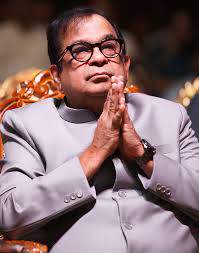
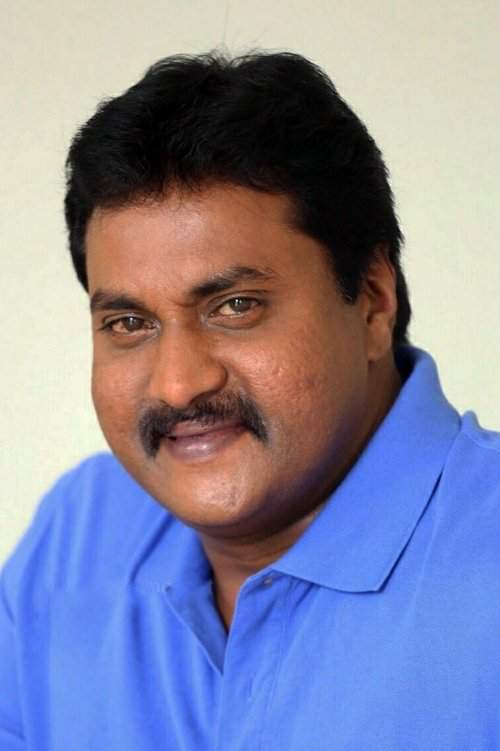
Meet the Full Cast and Actors of Subash Chandra Bose
Explore the complete cast of Subash Chandra Bose, including both lead and supporting actors. Learn who plays each character, discover their past roles and achievements, and find out what makes this ensemble cast stand out in the world of film and television.



External Links and Streaming Options
Discover where to watch Subash Chandra Bose online, including streaming platforms, rental options, and official sources. Compare reviews, ratings, and in-depth movie information across sites like IMDb, TMDb, Wikipedia or Rotten Tomatoes.





Full Plot Summary and Ending Explained for Subash Chandra Bose
Read the complete plot summary of Subash Chandra Bose, including all major events, twists, and the full ending explained in detail. Explore key characters, themes, hidden meanings, and everything you need to understand the story from beginning to end.
Set against the waning days of British rule in India, the story follows Ashok, who works on a TV channel with his girlfriend Anita, as they cover a significant meeting led by the politician Venkat Ratnam. While documenting the event, Ashok is drawn into visions from a distant era, including a tattooed image of the national flag on a hand, hinting at a deep link between the present and a troubled past. The narrative unfolds with a calm, observational tone, steadily weaving together contemporary life and memories that illuminate long-buried loyalties and betrayals.
In a vivid flashback set in 1946, a man named Amarchandra—also known as Subhas Chandra Bose, and here referred to as Chandram—takes a defiant stand against the local colonial officer George. Bose reveres the memory of the renowned freedom fighter Subhas Chandra Bose and becomes a symbol of resistance. When the state governor Jackson arrives in Chintapalli with his daughter Diana for a brief vacation, Bose greets him with a bold act: he disrupts the scene by blowing up the water tank at the palace. This audacious move triggers Jackson’s wrath, as he orders his army to crush Bose. With the uneasy aid of a local ally, Bandodu, George’s troops unleash a brutal assault on the village, wiping out the population and even Bose’s lover Swarajyam. In a decisive moment of betrayal, Bandodu turns against Bose, and the troops kill him as well. The fallout is marked by grief, fear, and the brutal costs of colonial power.
Returning to the present, Ashok discovers a startling truth: he is the reincarnation of Bose, and Venkat Ratnam embodies Bandodu. This realization sets Ashok on a path to expose the present-day betrayal by confronting Venkat Ratnam and his circle. As he pieces together memories and motives, the narrative expands into a broader meditation on memory, justice, and the lingering echoes of a struggle for freedom. The stakes are personal for Ashok, but they also carry the weight of a historical reckoning that refuses to fade.
The film’s tension builds through careful reveals and the tension between past and present. Ashok’s alliance with sympathetic figures strengthens his resolve to bring the truth to light, bridging two timelines with a common aim: to honor Bose’s legacy and condemn the deceit that allowed Bandodu’s power to persist. The climax delivers a pointed confrontation that circles back to the older wounds of 1946, culminating in a decisive clash where Bose’s legacy asserts itself in the present. In the end, Bose kills Venkat Ratnam, a culmination that underscores the enduring pull of history on contemporary lives and the cost of confronting treachery rooted in both eras.
Overall, the narrative balances historical drama with personal discovery, presenting a measured, reflective tale that invites viewers to consider how memory, identity, and old loyalties shape present-day actions. The film remains faithful to its core premise while expanding the scope of its conflicts, offering a long, immersive exploration of a people’s struggle told through two intertwined lives.

Coming soon on iOS and Android
The Plot Explained Mobile App
From blockbusters to hidden gems — dive into movie stories anytime, anywhere. Save your favorites, discover plots faster, and never miss a twist again.
Sign up to be the first to know when we launch. Your email stays private — always.
Explore the mobile appDiscover Film Music Concerts Near You – Live Orchestras Performing Iconic Movie Soundtracks
Immerse yourself in the magic of cinema with live orchestral performances of your favorite film scores. From sweeping Hollywood blockbusters and animated classics to epic fantasy soundtracks, our curated listings connect you to upcoming film music events worldwide.
Explore concert film screenings paired with full orchestra concerts, read detailed event information, and secure your tickets for unforgettable evenings celebrating legendary composers like John Williams, Hans Zimmer, and more.


Subash Chandra Bose Themes and Keywords
Discover the central themes, ideas, and keywords that define the movie’s story, tone, and message. Analyze the film’s deeper meanings, genre influences, and recurring concepts.
Subash Chandra Bose Other Names and Titles
Explore the various alternative titles, translations, and other names used for Subash Chandra Bose across different regions and languages. Understand how the film is marketed and recognized worldwide.
Similar Movies To Subash Chandra Bose You Should Know About
Browse a curated list of movies similar in genre, tone, characters, or story structure. Discover new titles like the one you're watching, perfect for fans of related plots, vibes, or cinematic styles.


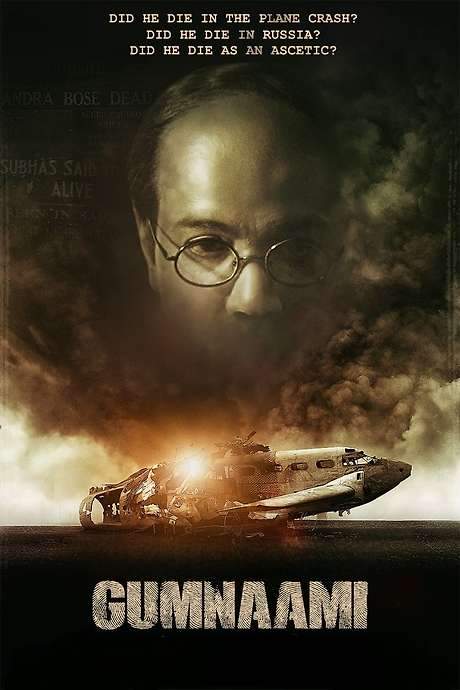
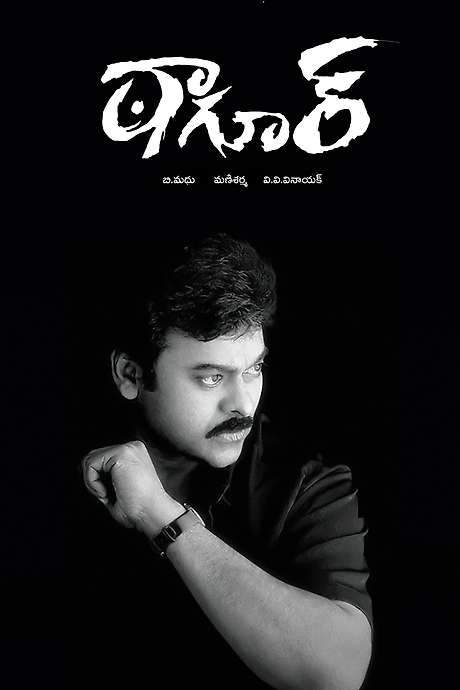



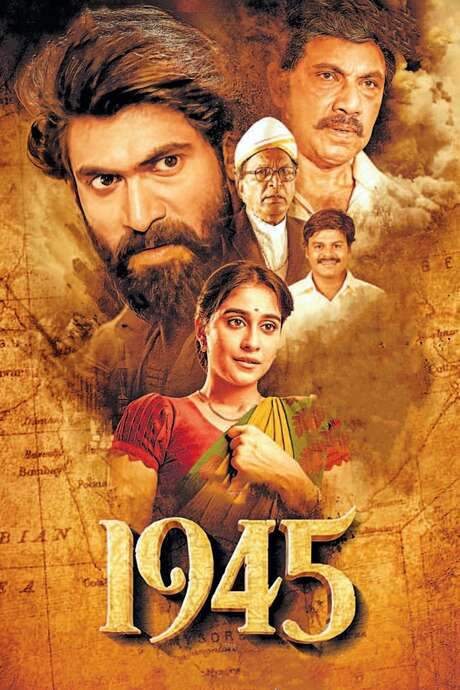

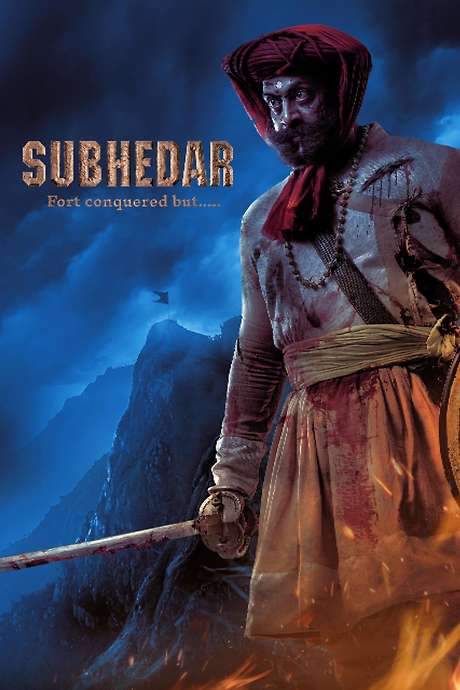
Quick Links: Summary, Cast, Ratings, More

What's After the Movie?
Not sure whether to stay after the credits? Find out!
Check out our other apps:

SAT Sphere
Build confidence for the Digital SAT.

Mori Atlas
Discover wild places worth protecting.

Luntero
Search smarter for a home in Amsterdam.

Plot Explained
Unravel movie endings and hidden clues.

Pokechamp
Dive into Pokémon data and battle logic.

Driving Theory
Get ready for your European theory test.

Movie Dust
Plan your next cinema trip with ease.

Musemap
Find art and culture as you travel.

Selkobase
Compare credentials before committing.

Local Manual
Turn an unfamiliar country into practical next steps.

Lernavi
Compare school systems before your next move.

GymRoam
Find a workout stop wherever your plans take you.
Explore Our Movie Platform
New Movie Releases (2026)
Famous Movie Actors
Top Film Production Studios
Movie Plot Summaries & Endings
Major Movie Awards & Winners
Best Concert Films & Music Documentaries
Movie Collections and Curated Lists
© 2026 What's After the Movie. All rights reserved.
Privacy Policy