The Legend of Bhagat Singh 2002


Born in British India, Bhagat Singh witnesses numerous atrocities during his childhood and grows up to become one of the most fearless freedom fighters in the country.


Does The Legend of Bhagat Singh have end credit scenes?
No!
The Legend of Bhagat Singh does not have end credit scenes. You can leave when the credits roll.
Meet the Full Cast and Actors of The Legend of Bhagat Singh
Explore the complete cast of The Legend of Bhagat Singh, including both lead and supporting actors. Learn who plays each character, discover their past roles and achievements, and find out what makes this ensemble cast stand out in the world of film and television.
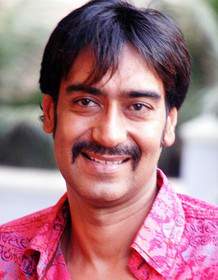
Ajay Devgn
Bhagat K. Singh

Sushant Singh
Sukhdev
Akhilendra Mishra
Chandrashekhar Azad
Mukesh Tiwari
Jailor
Ganesh Yadav
Ram Prasad Bismil
Amrita Rao
Mannewali
Farida Jalal
Vidyavati K. Singh
Bhaswar Chatterjee
Batukeshwar Dutt
Raj Babbar
Kishan Singh
Sitaram Panchal
Lala Lajpat Rai
Jonathan Ryan
Herbert Emmerson
D. Santosh
Rajguru
Santosh Dhanoa
Shiviram Hari Rajguru
Swaroop Kumar
Motilal Nehru
Padam Singh
Roshan Singh
External Links and Streaming Options
Discover where to watch The Legend of Bhagat Singh online, including streaming platforms, rental options, and official sources. Compare reviews, ratings, and in-depth movie information across sites like IMDb, TMDb, Wikipedia or Rotten Tomatoes.





Take the Ultimate The Legend of Bhagat Singh Movie Quiz
Challenge your knowledge of The Legend of Bhagat Singh with this fun and interactive movie quiz. Test yourself on key plot points, iconic characters, hidden details, and memorable moments to see how well you really know the film.
The Legend of Bhagat Singh Quiz: Test your knowledge of the revolutionary life and key events surrounding Bhagat Singh as portrayed in the 2002 film.
In which year was Bhagat Singh born?
Full Plot Summary and Ending Explained for The Legend of Bhagat Singh
Read the complete plot summary of The Legend of Bhagat Singh, including all major events, twists, and the full ending explained in detail. Explore key characters, themes, hidden meanings, and everything you need to understand the story from beginning to end.
Bhagat K. Singh is born in British India in 1907, growing up under a regime that presents itself as a trading partner under the shadow of the East India Company but soon tightens its hold over the nation. From childhood, he witnesses the harsh reality of colonial rule and the violence it often spawns. The turning point comes after the brutal Jallianwala Bagh massacre, an event that hardens his resolve to fight for India’s freedom. He also encounters Mahatma Gandhi’s ideas — the satyagraha philosophy and the call for a broad non‑cooperation movement that urges Indians to discard British-made goods, withdraw from schools and colleges, and abandon government jobs. When Gandhi ultimately calls off the movement in 1922 following the Chauri Chaura incident, Bhagat’s path narrows to revolution. Undeterred, he chooses to pursue a more radical course and eventually joins the Hindustan Republic Association, embracing a life of clandestine resistance and political prison.
His family landscape shifts as well. Bhagat’s father, Kishan Singh, steps in to bail him out so he can run a dairy farm and marry a girl named Mannewali. Bhagat leaves a note behind, declaring that his love for the country must come first, and he sets out on a journey that will define his legacy.
A pivotal moment arrives when Lala Lajpat Rai is beaten to death by police during protests against the Simon Commission. In response, Bhagat joins forces with Shiviram Hari Rajguru, Sukhdev Thapar, and Chandrashekhar Azad to carry out the assassination of a police officer named Saunders. The act becomes a rallying point for many young Indians who are looking for a powerful statement against colonial rule and its injustices.
As the political climate heats up, Bhagat and his colleagues escalate their tactics. In 1929, when the British propose new laws, Bhagat, together with Batukeshwar Dutt, launches a bombing at Council House in New Delhi. The intention of the act is not to kill, but to draw the world’s attention to the cause of Indian independence; they throw bombs onto empty benches and are promptly arrested and tried in a highly publicized process. Bhagat argues that he wants to tell the world about the revolutionaries himself, rather than letting the British label them as merely violent offenders. The move elevates his status among the masses and cements his image as a committed fighter for freedom.
Inside Central Jail Lahore, Bhagat and his fellow prisoners undertake a dramatic 63‑day hunger strike to demand better conditions for political prisoners. The response from the authorities is brutal, with canings and forced feedings aimed at breaking the resolve of the inmates. The struggle inside the prison walls mirrors the wider resistance outside, galvanizing sympathy and reinforcing Bhagat’s growing aura as a leader of revolutionary ideals.
The struggle reaches a brutal apex when the renowned revolutionary Chandrashekhar Azad is ambushed at Alfred Park in Allahabad on 27 February 1931. Refusing capture, Azad takes his own life with the last bullet in his pistol, symbolizing a steadfast commitment to the cause.
Fearing the swelling tide of public support for the hunger strike, Lord Irwin orders a renewed look at the Saunders murder case. This leads to death sentences for Bhagat, [Sukhdev Thapar], and [Shiviram Hari Rajguru], escalating the pressure on the nationalist movement. Gandhi negotiates a pact with Irwin to secure the release of political prisoners, but with a crucial caveat: those involved in violence would not be released. The consequences are swift and tragic.
On 23 March 1931, Bhagat, [Sukhdev Thapar], and [Shiviram Hari Rajguru] are hanged in secrecy, their deaths sealing a controversial chapter in the Indian independence movement. Their sacrifices spark intense debates across the subcontinent and beyond, and they leave behind a complex and enduring legacy that continues to inspire generations. As the tale winds to a close, Bhagat’s name remains a powerful symbol of youthful idealism, unwavering courage, and the relentless pursuit of a free and just nation.

Coming soon on iOS and Android
The Plot Explained Mobile App
From blockbusters to hidden gems — dive into movie stories anytime, anywhere. Save your favorites, discover plots faster, and never miss a twist again.
Sign up to be the first to know when we launch. Your email stays private — always.
Explore the mobile appDiscover Film Music Concerts Near You – Live Orchestras Performing Iconic Movie Soundtracks
Immerse yourself in the magic of cinema with live orchestral performances of your favorite film scores. From sweeping Hollywood blockbusters and animated classics to epic fantasy soundtracks, our curated listings connect you to upcoming film music events worldwide.
Explore concert film screenings paired with full orchestra concerts, read detailed event information, and secure your tickets for unforgettable evenings celebrating legendary composers like John Williams, Hans Zimmer, and more.


The Legend of Bhagat Singh Themes and Keywords
Discover the central themes, ideas, and keywords that define the movie’s story, tone, and message. Analyze the film’s deeper meanings, genre influences, and recurring concepts.
The Legend of Bhagat Singh Other Names and Titles
Explore the various alternative titles, translations, and other names used for The Legend of Bhagat Singh across different regions and languages. Understand how the film is marketed and recognized worldwide.
Similar Movies To The Legend of Bhagat Singh You Should Know About
Browse a curated list of movies similar in genre, tone, characters, or story structure. Discover new titles like the one you're watching, perfect for fans of related plots, vibes, or cinematic styles.







Quick Links: Summary, Cast, Ratings, More

What's After the Movie?
Not sure whether to stay after the credits? Find out!
Check out our other apps:

SAT Sphere
Build confidence for the Digital SAT.

Mori Atlas
Discover wild places worth protecting.

Luntero
Search smarter for a home in Amsterdam.

Plot Explained
Unravel movie endings and hidden clues.

Pokechamp
Dive into Pokémon data and battle logic.

Driving Theory
Get ready for your European theory test.

Movie Dust
Plan your next cinema trip with ease.

Musemap
Find art and culture as you travel.

Selkobase
Compare credentials before committing.

Local Manual
Turn an unfamiliar country into practical next steps.

Lernavi
Compare school systems before your next move.

GymRoam
Find a workout stop wherever your plans take you.
Explore Our Movie Platform
New Movie Releases (2026)
Famous Movie Actors
Top Film Production Studios
Movie Plot Summaries & Endings
Major Movie Awards & Winners
Best Concert Films & Music Documentaries
Movie Collections and Curated Lists
© 2026 What's After the Movie. All rights reserved.
Privacy Policy