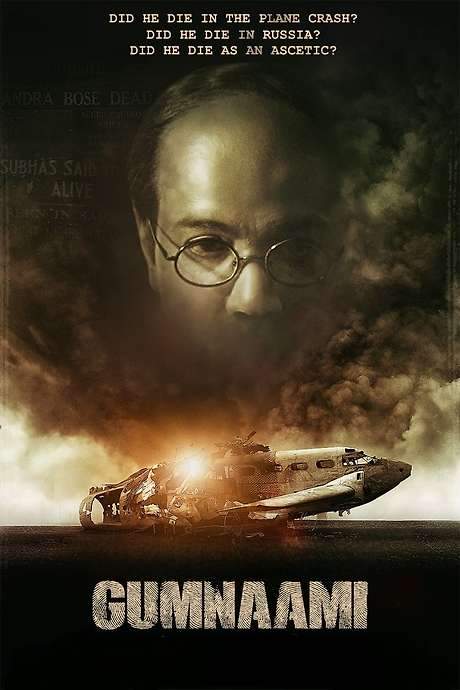
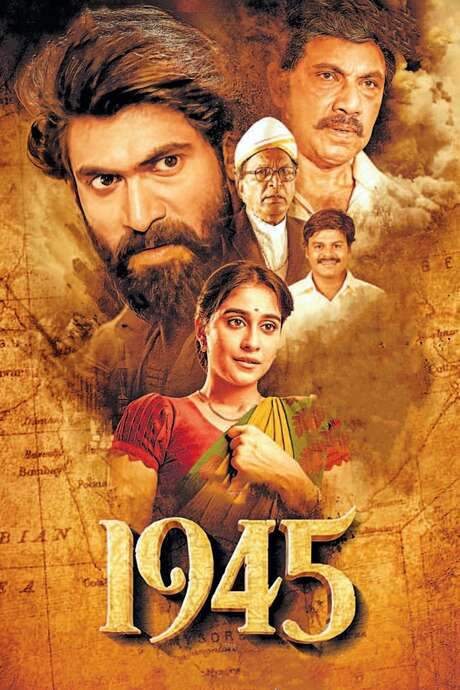
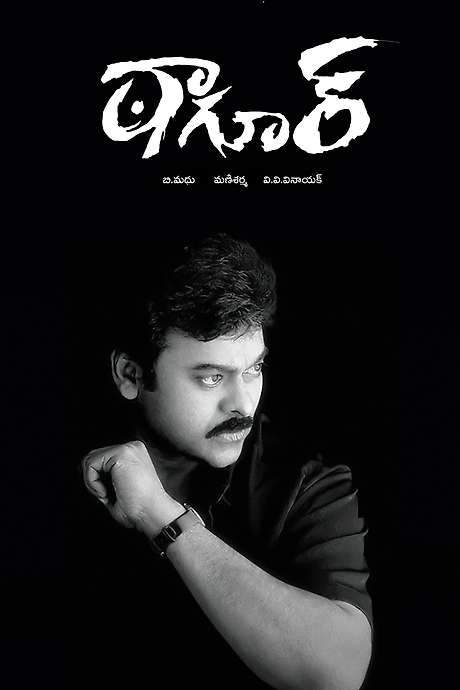
What Is Subash Chandra Bose About?
The premise of Subash Chandra Bose in 308 words, with nothing given away. The full story follows below.
In a nation standing on the brink of freedom, the hum of modern newsrooms collides with the echo of a tumultuous past. Ashok, a driven TV reporter, and his partner Anita find themselves on the front lines of a politically charged rally, tasked with capturing the fervor of politician Prakash Raj for a live broadcast. Their connection to the present moment feels immediate, yet the air is thick with the weight of history, reminding viewers that every headline sits upon layers of untold stories.
As the camera rolls, a sudden flash of imagery transports the audience to 1946, unveiling the youthful fire of Subash Chandra Bose, who adopts the name Chandram while secretly venerating the legendary freedom fighter who shares his name. In that era, he moves through a landscape marked by colonial tension, his ideals clashing with the authority of a British officer. The visual language of the broadcast—a tattooed flag, solemn glances—suggests an inner conflict that still reverberates decades later.
Meanwhile, the story briefly shifts to the idyllic village of Chintapalli, where Governor Tom Alter and his daughter Diana arrive for a respite from the world’s anxieties. The presence of the governor’s entourage hints at a pivotal encounter that intertwines the village’s quiet rhythms with the broader currents of resistance, an event so striking that it becomes a catalyst for the present-day investigation.
Back in the newsroom, Ashok experiences a powerful, almost instinctual recognition, as if the past has whispered directly into his present consciousness. This sensation hints at a deeper, perhaps reincarnated link between his own life and the daring spirit of the 1940s activist. Together with Anita, he begins to peel back the layers of memory, politics, and personal destiny, setting the stage for a journey where the lines between history and modernity blur, and the pursuit of truth becomes a bridge across time.
What Happens in Subash Chandra Bose?
The complete story of Subash Chandra Bose, from the first scene to the last, in 498 words (about 2 minutes). Spoilers throughout.
Spoilers ahead
Set against the waning days of British rule in India, the story follows Ashok, who works on a TV channel with his girlfriend Anita, as they cover a significant meeting led by the politician Venkat Ratnam. While documenting the event, Ashok is drawn into visions from a distant era, including a tattooed image of the national flag on a hand, hinting at a deep link between the present and a troubled past. The narrative unfolds with a calm, observational tone, steadily weaving together contemporary life and memories that illuminate long-buried loyalties and betrayals.
In a vivid flashback set in 1946, a man named Amarchandra—also known as Subhas Chandra Bose, and here referred to as Chandram—takes a defiant stand against the local colonial officer George. Bose reveres the memory of the renowned freedom fighter Subhas Chandra Bose and becomes a symbol of resistance. When the state governor Jackson arrives in Chintapalli with his daughter Diana for a brief vacation, Bose greets him with a bold act: he disrupts the scene by blowing up the water tank at the palace. This audacious move triggers Jackson’s wrath, as he orders his army to crush Bose. With the uneasy aid of a local ally, Bandodu, George’s troops unleash a brutal assault on the village, wiping out the population and even Bose’s lover Swarajyam. In a decisive moment of betrayal, Bandodu turns against Bose, and the troops kill him as well. The fallout is marked by grief, fear, and the brutal costs of colonial power.
Returning to the present, Ashok discovers a startling truth: he is the reincarnation of Bose, and Venkat Ratnam embodies Bandodu. This realization sets Ashok on a path to expose the present-day betrayal by confronting Venkat Ratnam and his circle. As he pieces together memories and motives, the narrative expands into a broader meditation on memory, justice, and the lingering echoes of a struggle for freedom. The stakes are personal for Ashok, but they also carry the weight of a historical reckoning that refuses to fade.
The film’s tension builds through careful reveals and the tension between past and present. Ashok’s alliance with sympathetic figures strengthens his resolve to bring the truth to light, bridging two timelines with a common aim: to honor Bose’s legacy and condemn the deceit that allowed Bandodu’s power to persist. The climax delivers a pointed confrontation that circles back to the older wounds of 1946, culminating in a decisive clash where Bose’s legacy asserts itself in the present. In the end, Bose kills Venkat Ratnam, a culmination that underscores the enduring pull of history on contemporary lives and the cost of confronting treachery rooted in both eras.
Overall, the narrative balances historical drama with personal discovery, presenting a measured, reflective tale that invites viewers to consider how memory, identity, and old loyalties shape present-day actions. The film remains faithful to its core premise while expanding the scope of its conflicts, offering a long, immersive exploration of a people’s struggle told through two intertwined lives.
Subash Chandra Bose Timeline: Every Key Event in Order
12 key events in the order they happen, from “Ashok covers Venkat Ratnam meeting on TV” to “Final confrontation and Bose's victory over Venkat Ratnam”. 12 events name a place, across 10 locations.
- 1
Ashok covers Venkat Ratnam meeting on TV
Ashok, who works on a TV channel with his girlfriend Anita, covers the meeting of politician Venkat Ratnam. The broadcast triggers memories from the bygone era, including a tattoo on Venkat Ratnam's hand that resembles a national flag. These visions hint at a deeper connection between present events and the past.
When:Present day, pre-Independence era Where:TV channel studio
- 2
1946 flashback: Bose's resistance begins
In a flashback, a man named Amarchandra, also called Chandram, fights the local colonial officer George in a bid for freedom. The scene establishes Bose's struggle against colonial rule and foreshadows the larger fight ahead. It introduces themes of loyalty, betrayal, and sacrifice.
When:1946 Where:1946, unnamed colonial region
- 3
Chandram worships the real Bose
Chandram reveres the real freedom fighter Subhash Chandra Bose, aligning his mission with Bose's legacy. This veneration motivates his actions and sets up the parallel between past and present. The devotion underscores the film's themes of lineage and destiny.
When:1946 Where:unknown
- 4
Governor Jackson visits Chintapalli with Diana
Governor Jackson arrives in Chintapalli for a brief vacation with his daughter Diana. Bose greets them in a dramatic display by blowing up the water tank in his palace, signaling his defiance. The event provokes a harsh response from the colonial authorities.
When:1946 Where:Chintapalli
- 5
Jackson orders Bose's death
Enraged by Bose's act, Governor Jackson orders his army to eliminate Bose. The orders set in motion a brutal crackdown against Bose and his followers. This marks a turning point that leads to the village massacre.
When:1946 Where:Chintapalli region
- 6
Bandodu betrays Bose's village
With the help of Bandodu, George's troops attack Bose's village and wipe out its population, including Bose's lover Swarajyam. The massacre demonstrates the cost of resistance and the depths of betrayal. The event imprints a lasting trauma on the survivors and the men who oppose the colonial regime.
When:1946 Where:Bose's village
- 7
Bose is killed in the betrayal
In an act of betrayal by Bandodu, the troops kill Bose. The death marks the tragic culmination of the colonial onslaught and seals Bose's sacrifice in the eyes of the local resistance. The scene cements Bandodu's notoriety within the past and its shadow over the present.
When:1946 Where:Bose's village
- 8
Ashok realizes his reincarnation; Venkat Ratnam is Bandodu
Back in the present, Ashok realizes he is the reincarnation of Subhash Chandra Bose. He also discovers that Venkat Ratnam is Bandodu, the betrayer from the past. These revelations set the stage for a confrontation that ties past and present together.
When:present Where:present-day city
- 9
Ashok vows to expose Venkat Ratnam
Armed with the knowledge of his reincarnation, Ashok joins allies to expose Venkat Ratnam's true identity. They begin planning to reveal the Bandodu connection to the public and bring justice for the past victims. The alliance marks the formation of a modern resistance inspired by Bose's legacy.
When:present Where:city
- 10
The evidence surfaces: the flag tattoo
A crucial clue emerges when Ashok notices a tattooed image of the national flag on Venkat Ratnam's hand, linking him to Bose's legacy. The discovery legitimizes Ashok's quest and deepens the unfolding mystery. It becomes a symbol that consolidates the connection between the two eras.
When:present Where:present
- 11
Climax approaches: past and present converge
Tensions escalate as the modern allies close in on Venkat Ratnam. The story threads of the past collide with present-day efforts, amplifying the stakes and driving toward a final reckoning. The fight becomes a duel not just of individuals, but of legacies.
When:present Where:city
- 12
Final confrontation and Bose's victory over Venkat Ratnam
In the climax, Bose, manifesting through Ashok, defeats Venkat Ratnam in a decisive confrontation. The act resolves the central conflict by bringing to light the past's truth and securing a form of justice. The film closes on a note that honors sacrifices made for freedom.
When:present Where:final confrontation site
Who Are the Main Characters in Subash Chandra Bose?
9 characters, among them Ashok, Anita and Venkat Ratnam: who each one is and the part they play in the story.
- A
Ashok
A TV channel worker who experiences visions of Bose’s past. He discovers he is Bose’s reincarnation and takes on the mission to expose Venkat Ratnam and Bandodu in the present.
- 🧭 Protagonist
- 🕵️ Investigator
- 🌀 Reincarnation
- A
Anita
Ashok’s girlfriend who accompanies him as he uncovers clues about the intertwined histories. She supports his quest for truth and adds a personal dimension to the investigation.
- 💑 Partner
- 🧭 Ally
- 🪷 Love interest
- VR
Venkat Ratnam
A politician whose meeting with Venkat Ratnam triggers a chain of past-life revelations. He is revealed to be Bandodu in disguise, a traitor entwined with colonial powers.
- 🏛️ Politician
- 🗺️ Antagonist
- 🌀 Power broker
- SC
Subash Chandra Bose / Chandram
The legendary freedom fighter whose image dominates the flashbacks. He fights colonial forces and endures personal losses; his memory haunts Ashok’s present-day investigation.
- 🕊️ Freedom fighter
- 🗺️ Revolutionary
- 🗡️ Martyr
- G
George
The local colonial officer who commands troops to quell Bose’s uprising. He represents imperial authority and the ruthlessness of suppression.
- 🏢 Colonial officer
- ⚔️ Opponent
- 🗡️ Enforcer
- J
Jackson
The state governor who visits Chintapalli with his daughter, triggering Bose’s dramatic response. His presence anchors the present-day conflict with the past.
- 🧭 Governor
- 🧭 Authority
- 🗺️ Power center
- D
Diana
Jackson’s daughter who is part of the governor’s visit. She is a catalyst for the dramatic events surrounding the past and the present.
- 👩👧 Visitor
- 🕊️ Innocence
- 🧭 Catalyst
- S
Swarajyam
Bose’s lover who is killed during the colonial crackdown, her tragedy underscoring the personal costs of rebellion.
- ❤️ Lover
- 💔 Victim
- 🕯️ Sacrifice
- B
Bandodu
A local native who betrays Bose to the colonial troops; in the present plot he is revealed as Venkat Ratnam, tying the past to present treachery.
- 🤝 Traitor
- 🗺️ Local
- 💥 Betrayal
Where and When Is Subash Chandra Bose Set?
Subash Chandra Bose is set in Chintapalli, Andhra Pradesh and India (1946). Here is why the time and place matter to the story.
When
1946
The core flashback unfolds in 1946, during the final years of British rule in India. The narrative also folds in contemporary scenes that show how memory of the era shapes modern identity and justice. The time frame highlights both a violent fight for freedom and the quiet, personal costs of rebellion.
Where
Chintapalli, Andhra Pradesh, India
The story centers on the town of Chintapalli set against the broader struggle for independence. Its quiet streets become a bridge between a historical rebel past and present-day investigations on a TV channel. The setting juxtaposes a colonial administrative presence with intimate scenes of local life, fueling the tension between memory and action.
- 🏛️ Chintapalli
- 🗺️ Indian town
- 🕰️ Colonial era
What Are the Themes of Subash Chandra Bose?
3 ideas the story keeps returning to, among them Freedom, Identity and Betrayal.
-
01
Freedom
The film treats freedom as a living legacy, where the will to resist oppression echoes across generations. Bose’s legend motivates Ashok to seek truth rather than cynicism. The clash between imperial power and local courage is shown through reconstructions of past battles and present-day revelations.
-
02
Identity
Ashok’s discovery of his reincarnation ties personal identity to national memory. The characters navigate whether they are bound by history or free to redefine it. The story uses memory and revelation to blur lines between past and present, self and symbol.
-
03
Betrayal
Betrayal drives the tragedy of Bose’s past and the present scheme of Venkat Ratnam. Bandodu’s actions catalyze the massacre and complicate loyalties. Trust and treachery are shown as forces that shape communities and destinies.
What Kind of Film Is Subash Chandra Bose?
Dark in tone, with steady pacing and a moderate story, going by the plot summary.
- Tone
- Dark
- Pacing
- Steady
- Story
- Moderate
- Intensity
- High
- Ending
- Bittersweet
A heavy and tense historical drama that weaves past and present through a reincarnation narrative, building towards a climactic confrontation steeped in betrayal, loss, and the enduring weight of colonial violence.
- somber
- tense
- melancholic
- historical
- reflective
- grim
- reincarnation
- historical betrayal
- political corruption
- freedom struggle
Content notes: war violence, massacre, betrayal, colonial oppression.
Where to Watch Subash Chandra Bose
. US availability and prices from JustWatch.
Streaming availability in the US, powered by