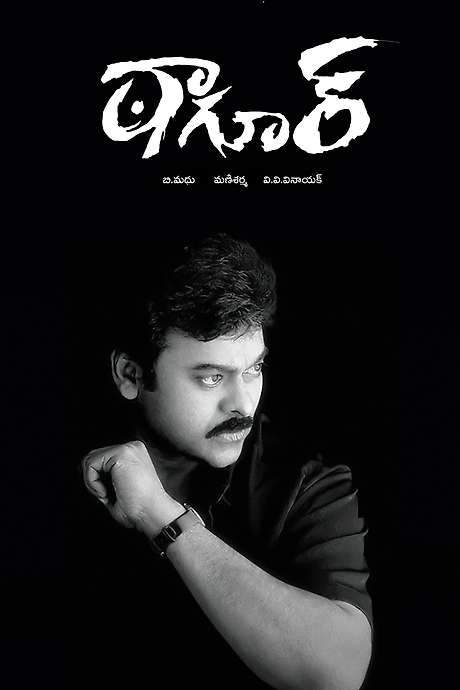
Tagore 2003

Directed by

V. V. Vinayak
Made by

Where to Watch Tagore
See current US streaming, rental, and purchase options for Tagore (2003) via JustWatch.

Streaming availability powered by 
Tagore Plot Summary
Read the complete plot summary and ending explained for Tagore (2003). From turning points to emotional moments, uncover what really happened and why it matters.
Tagore Chiranjeevi leads a quiet, almost pastoral life, raising adopted children from diverse backgrounds. By day he appears as a mild-mannered professor, but by night he quietly steers a vigilante group known as the Anti-Corruption Force (ACF) that targets the most corrupt officials. The story opens with the puzzling disappearance of fifteen Mandal Revenue Officers; fourteen are eventually released, while one is found murdered. A tape and a cache of incriminating files point to a concerted effort against corruption, and the ACF publicly claims responsibility, vowing to uproot malpractices by abducting corrupt officials and executing the worst offenders. Tagore’s dual life remains a well-guarded secret, even as the ACF’s reach expands.
Tagore Chiranjeevi quietly expands the ACF’s operations into other government spheres, including the Public Works Department (PWD) and the police. Their aggressive tactics sow fear among bureaucrats and temporarily curb illegal activities. In one sting at a hospital, Tagore exposes fraudulent medical practices, presents damning evidence, and helps seal the hospital while the dean is arrested. The dean happens to be the son of the powerful businessman Badrinarayana Sayaji Shinde and, under pressure, commits suicide. Badrinarayana soon suspects Tagore’s presence and, learning that Tagore is alive, begins a desperate pursuit to uncover the man behind the mask.
Across the city, Suryam Prakash Raj—an IPS-qualified constable who failed to land an officer post because he could not pay the required bribe—kicks off the case using his medical leave to investigate. He hypothesizes that a non-corrupt official in each government office has been feeding insider information to the ACF and, tracing their links, discovers that these officials are all alumni from National College led by their former professor, Tagore. Yet Suryam does not yet know Tagore’s true identity, which remains one of the larger enigmas driving the film’s tension.
As pressure mounts, it becomes clear that corruption is not easily crushed. The ACF targets Badrinarayana as the root of systemic corruption and intensifies its operations against him. Devaki Shriya Saran learns Tagore’s real identity, prompting him to reveal the full truth about his transformation into a vigilante, a decision born of personal tragedy rather than merely a desire for justice.
The film often travels into the past to reveal Tagore’s profound loss on a Deepavali night. A highway project backed by Badrinarayana’s company triggers substandard construction, causing the collapse of Tagore’s apartment building and the deaths of his wife, his son, and his uncle. The incident stirs a fierce demand for accountability in a system rife with neglect and corruption. Fueled by grief and a sense of betrayal, Tagore forms the ACF with a singular purpose: to root out corrupt elements like Badrinarayana and to prevent such tragedies from repeating.
As the net tightens, Suryam and the ACF members are captured and tortured by elements within the police. To protect his students and colleagues, Tagore makes the difficult choice to surrender. Badrinarayana seizes the moment to slip away, killing several ACF members in the ensuing chaos. Public sympathy for Tagore surges, culminating in a high-stakes meeting with the Chief Minister where Tagore refuses clemency and demands accountability for the crimes committed in the name of reform.
In a meticulously planned twist, a jailer who is bribed to eliminate Tagore is revealed to be part of Tagore’s broader strategy. The final battle sees Tagore confront Badrinarayana and his henchmen, ultimately bringing them to justice in a decisive showdown. In court, Tagore delivers a moving, persuasive speech about the devastating impact of corruption on the nation and its youth, underscoring how moral rot in the system reverberates through every layer of society. He confesses to killing Badrinarayana and his accomplices and accepts a five-year prison sentence, signaling that the fight against corruption is ongoing and that the country’s future depends on continuous vigilance and reform.
Tagore’s family life remains a quiet anchor amid the upheaval. His adopted children—Teja Sajja as the adopted son and Kavya Kalyanram as the adopted daughter—stand as symbols of a future built on integrity and resilience. The narrative closes on a note of cautious hope: the eradication of corruption is essential to safeguard the nation’s tomorrow, and individuals who choose to stand against systemic wrongdoing must be prepared to bear the cost, even when the odds are stacked against them.
Tagore Timeline
Follow the complete movie timeline of Tagore (2003) with every major event in chronological order. Great for understanding complex plots and story progression.
Disappearance of 15 Mandal Revenue Officers
Fifteen Mandal Revenue Officers disappear under mysterious circumstances. Fourteen are later released, but one is found murdered, prompting a high-profile investigation. Police recover incriminating files and a tape beside the victim, showing the officers were targeted for corruption. The Anti-Corruption Force (ACF) soon claims responsibility, signaling a vigilante push to purge corrupt officials.
ACF declares its mission to eradicate corruption
ACF declares its mission to eradicate corruption, announcing a campaign to expose malpractices and abduct corrupt officials. It vows to eliminate the worst offenders to reset the balance of power. The declaration unsettles bureaucrats and signals a new era of vigilante accountability.
Tagore’s double life and leadership
Tagore lives a quiet life as a mild-mannered professor by day, while secretly orchestrating ACF operations. He has adopted children from diverse cultural backgrounds, giving him a personal stake in the country’s future. From behind the scenes, he coordinates the investigations and plans that drive the ACF's actions.
ACF expands to PWD and police
ACF expands its reach to the Public Works Department and the police, widening its campaign against corruption. The group stages sting operations and publicized arrests, creating fear among officials who seek to evade detection. The crackdown demonstrates the ACF’s growing influence across government offices.
Hospital sting and arrest of the dean
Tagore orchestrates a sting operation at a city hospital, presenting evidence of fraudulent medical practices. The hospital is sealed and the dean is arrested as part of the crackdown. The dean, revealed to be Badrinarayana's son, then commits suicide.
Badrinarayana probes Tagore
Badrinarayana, enraged, begins to investigate Tagore and is shocked to learn Tagore is alive. He resolves to uncover the mastermind behind the ACF and the hospital sting.
Suryam begins an independent probe
Suryam, a police constable who failed to obtain an officer post because he could not pay a bribe, uses his medical leave to reopen the case. He hypothesizes that a non-corrupt official in every office may be feeding insider information to the ACF. He starts tracing the leak and the network behind the ACF’s moves.
National College alumni network exposed
Suryam discovers that the implicated officials are alumni of National College and are led by their former professor, Tagore, who commands the ACF from the shadows. The revelation thickens the mystery as Tagore’s true identity remains hidden from him. The depth of the conspiracy becomes clearer as loyalties and past relationships are revealed.
Deepavali disaster and Tagore’s resolve
In a flashback, Deepavali day, Tagore's apartment building collapses due to substandard construction connected to a highway project run by Badrinarayana's company. Tagore's wife, son, and uncle are killed in the disaster, pushing him to seek justice. He forms the ACF to eradicate the corrupt system that allowed the tragedy.
Confrontation and Tagore’s surrender
As the net tightens, ACF members are captured and tortured by the police while Suryam closes in. To protect his students, Tagore surrenders, while Badrinarayana escapes and kills several ACF members.
Public support and a meeting with the Chief Minister
Tagore's surrender sparks widespread public support and prompts a meeting with the Chief Minister. There is talk of clemency, but Tagore insists on accountability and refuses to be pardoned.
Jailer betrayal and final elimination
Badrinarayana bribes a jailer, who is revealed to be somehow involved in Tagore’s plan. Tagore then eliminates Badrinarayana and his henchmen in a decisive confrontation.
Court scene and confession
In court, Tagore delivers a compelling speech about how corruption devastates the nation and its youth. He then confesses to killing Badrinarayana and his accomplices and accepts a five-year prison sentence.
Final message: eradicating corruption for the future
The film ends with Tagore stressing the necessity of eradicating corruption to safeguard the country’s future. He urges ongoing vigilance, reform, and civic responsibility to prevent a relapse into graft.
Tagore Characters
Explore all characters from Tagore (2003). Get detailed profiles with their roles, arcs, and key relationships explained.
Ravindranath Tagore (Chiranjeevi)
A seemingly mild-mannered professor by day who secretly leads the Anti-Corruption Force. His past tragedy fuels a meteoric transformation into a vigilant reformer who uses intellect and strategic daring to expose corruption. He operates from the shadows while presenting a calm exterior to the world.
Suryam (Prakash Raj)
An IPS-qualified police constable who misses a promotion because he cannot pay bribes. He uses his medical leave to investigate, gradually uncovering the ACF network and Tagore’s true identity. His pursuit emphasizes integrity under pressure and the clash between personal gain and public duty.
Badrinarayana
A powerful businessman who embodies the root of systemic corruption. His influence spans multiple departments and his highway project shadows misdeeds that precipitate disasters. He serves as the principal antagonist whose actions reveal how wealth and power shield wrongdoing.
Devaki
A key ally who learns Tagore’s true identity and becomes involved in exposing corruption. She provides crucial information and supports the investigation, linking personal courage with civic duty.
Nandu
A member of Tagore’s circle who assists the mission from within Tagore’s network. Her role emphasizes loyalty and the collective effort needed to confront entrenched corruption.
Tagore's Adopted Son
One of Tagore’s adopted children, highlighting Tagore’s nontraditional family and his commitment to nurturing future generations despite danger. He stands within Tagore’s inner circle during the crusade.
Tagore's Adopted Daughter
Tagore’s adopted daughter who shares in the family’s mission and supports the cause through challenging circumstances. Her presence reinforces the film’s themes of chosen family and protection.
Tagore Settings
Learn where and when Tagore (2003) takes place. Explore the film’s settings, era, and how they shape the narrative.
Time period
Present-day
Set in modern India, the story revolves around current governance structures and public institutions. It portrays ongoing anti-corruption efforts within government departments and civil services, with a Deepavali tragedy motivating the protagonist’s drastic actions and the formation of the ACF.
Location
India
The film unfolds against a contemporary Indian urban backdrop where government offices, hospitals, and colleges shape everyday life. The setting highlights the pervasive reach of bureaucratic power and corruption, with public spaces becoming stages for exposing malpractices. The city itself feels like a living arena in Tagore’s fight for accountability.
Tagore Themes
Discover the main themes in Tagore (2003). Analyze the deeper meanings, emotional layers, and social commentary behind the film.
🛡️
Vigilantism
Tagore leads a covert operation against corruption, raising questions about the morality and efficacy of taking Law into one’s own hands. The narrative weighs the tension between justice and extrajudicial action as powerful interests resist reform. It probes whether swift action can compensate for slower, formal reforms.
💸
Corruption
Systemic corruption threads through government offices, business, and public services, enabling disasters and malpractices. The plot links bribery to substandard projects and abuses of power, illustrating the social costs borne by ordinary people. It underscores the resilience of corrupt networks despite public outrage.
🔥
Sacrifice
Tagore’s personal tragedy—a family loss linked to a corrupt project—drives his relentless crusade. He accepts accountability and a prison term to hold others responsible, framing sacrifice as a catalyst for national reform. The film presents courage as a collective, not just individual, act.

Coming soon on iOS and Android
The Plot Explained Mobile App
From blockbusters to hidden gems — dive into movie stories anytime, anywhere. Save your favorites, discover plots faster, and never miss a twist again.
Sign up to be the first to know when we launch. Your email stays private — always.
Explore the mobile appTagore Spoiler-Free Summary
Discover the spoiler-free summary of Tagore (2003). Get a concise overview without any spoilers.
In a bustling city riddled with bureaucracy and hidden malfeasance, a calm professor leads a double life that few can fathom. By day he teaches with quiet patience, but by night he orchestrates the Anti‑Corruption Force, a discreet network bent on exposing the most entrenched graft. The atmosphere is charged with a gritty realism, where whispers of justice echo through cramped government corridors and the ordinary world teeters on the edge of upheaval.
When the sudden disappearance of several officials forces the police to act, they turn to a seasoned investigator. Balbir Singh is tasked with peeling back the layers of this secretive crusade, and he is joined by a determined constable. Suryam—sharp‑witted and driven by his own brushes with the system—dives into a maze of clues, his outsider perspective creating a uneasy partnership with the seasoned officer. Their collaboration sets a tense, cat‑and‑mouse rhythm that underpins the film’s suspenseful tone.
Opposing the ACF’s quiet rebellion is a powerful figure whose reach extends into the very institutions the vigilantes target. Badrinaryana looms as an influential force, embodying the systemic rot that fuels the protagonists’ resolve. His presence adds a menacing undercurrent to the narrative, hinting at a clash of ideologies that promises to ripple through the city’s power structures.
The story balances the starkness of institutional decay with moments of personal tenderness, especially through the professor’s adopted family, whose quiet strength grounds the larger conflict. The film’s mood blends tension with a simmering hope, inviting viewers to contemplate the cost of confronting corruption while leaving the ultimate outcome intriguingly unresolved.
Movies with Similar Twists and Themes
Uncover films that echo the narrative beats, emotional arcs, or dramatic twists of the one you're exploring. These recommendations are handpicked based on story depth, thematic resonance, and spoiler-worthy moments — perfect for fans who crave more of the same intrigue.



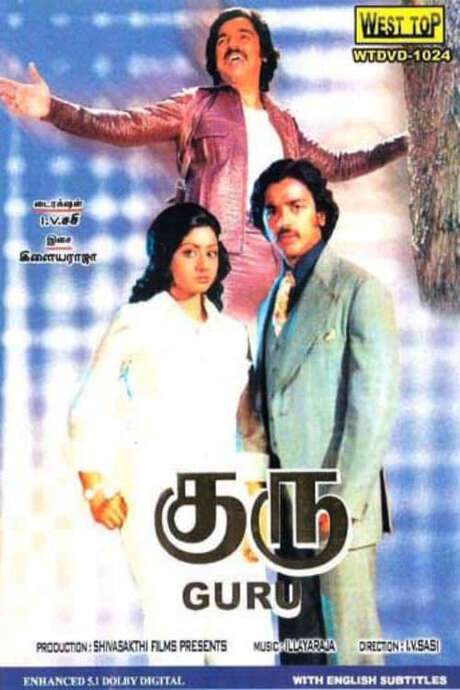


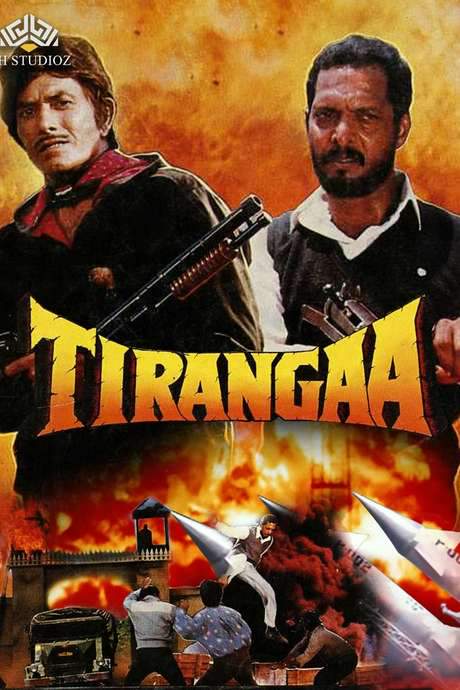

Featured on this page

What's After the Movie?
Not sure whether to stay after the credits? Find out!
Check out our other apps:

SAT Sphere
Build confidence for the Digital SAT.

Mori Atlas
Discover wild places worth protecting.

Luntero
Search smarter for a home in Amsterdam.

Plot Explained
Unravel movie endings and hidden clues.

Pokechamp
Dive into Pokémon data and battle logic.

Driving Theory
Get ready for your European theory test.

Movie Dust
Plan your next cinema trip with ease.

Musemap
Find art and culture as you travel.

Selkobase
Compare credentials before committing.

Local Manual
Turn an unfamiliar country into practical next steps.

Lernavi
Compare school systems before your next move.

GymRoam
Find a workout stop wherever your plans take you.
Explore Our Movie Platform
New Movie Releases (2026)
Famous Movie Actors
Top Film Production Studios
Movie Plot Summaries & Endings
Major Movie Awards & Winners
Best Concert Films & Music Documentaries
Movie Collections and Curated Lists
© 2026 What's After the Movie. All rights reserved.
Privacy Policy