Murder in the First 1995



The trial that brought down Alcatraz A young, inexperienced public defender is assigned to defend an inmate accused of committing murder while behind bars.


Does Murder in the First have end credit scenes?
No!
Murder in the First does not have end credit scenes. You can leave when the credits roll.
Where to Watch Murder in the First
See current US streaming, rental, and purchase options for Murder in the First (1995) via JustWatch.







Meet the Full Cast and Actors of Murder in the First
Explore the complete cast of Murder in the First, including both lead and supporting actors. Learn who plays each character, discover their past roles and achievements, and find out what makes this ensemble cast stand out in the world of film and television.

Gary Oldman
Glenn
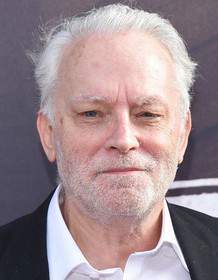
Brad Dourif
Byron Stamphill
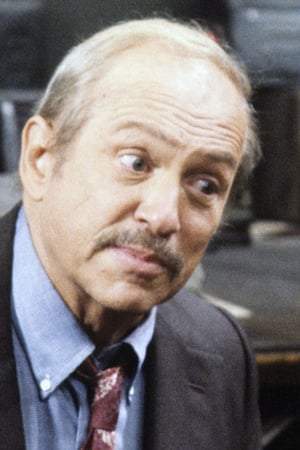
Stefan Gierasch
Warden James Humson
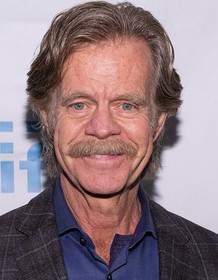
William H. Macy
Bill McNeill

Christian Slater
James Stamphill

Stephen Tobolowsky
Mr. Henkin

Kevin Bacon
Henri Young
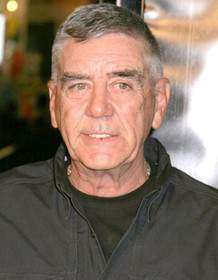
R. Lee Ermey
Judge Clawson

Kyra Sedgwick
Blanche

Embeth Davidtz
Mary McCasslin

Mia Kirshner
Rosetta Young
Charles Boswell
Simpson
Richie Allan
Jury Foreman
Ben Slack
Jerry Hoolihan
Mary Mackey
Prison Guard's Wife
Gary Ballard
Alcatraz Guard Swenson
Stuart Nisbet
Harve
Tony Barr
Winthrop
Alex Bookston
Alcatraz Doc
Herb Ritts
Mike Kelly
External Links and Streaming Options
Discover where to watch Murder in the First online, including streaming platforms, rental options, and official sources. Compare reviews, ratings, and in-depth movie information across sites like IMDb, TMDb, Wikipedia or Rotten Tomatoes.







Take the Ultimate Murder in the First Movie Quiz
Challenge your knowledge of Murder in the First with this fun and interactive movie quiz. Test yourself on key plot points, iconic characters, hidden details, and memorable moments to see how well you really know the film.
Murder in the First - The Movie Quiz: A comprehensive quiz exploring the characters, plot points, and themes of the 1995 film 'Murder in the First'.
Who is the main protagonist in 'Murder in the First'?
Full Plot Summary and Ending Explained for Murder in the First
Read the complete plot summary of Murder in the First, including all major events, twists, and the full ending explained in detail. Explore key characters, themes, hidden meanings, and everything you need to understand the story from beginning to end.
Henri Young’s story begins when he is just 17 years old and finds himself trapped in a cycle of hardship as an orphan. Living in poverty along with his younger sister Rosetta, Henri attempts to find work at a local grocery store but is refused employment. Facing starvation and desperate circumstances, he makes the difficult decision to steal $5.00 from the store to provide food for himself and Rosetta, who is sent to an orphanage following his arrest. Because the store also functions as a post office, his theft is escalated to a federal offense, which results in Henri being transported to the infamous Leavenworth Penitentiary in Kansas. Over the years, his criminal record and circumstances lead him to be transferred to Alcatraz, a prison known for its inescapability and brutal conditions.
At Alcatraz, Henri falls under the oppressive control of associate prison warden Gary Oldman as Glenn, who enforces harsh disciplines and takes a particular interest in maintaining the prison’s reputation as unbeatable. Henri quickly becomes involved in a desperate escape attempt alongside two other inmates, Rufus McCain and Arthur Barker. However, things go tragically wrong when McCain betrays the plan, resulting in Barker being killed by guards and Henri being severely punished. Glenn condemns Henri to the notorious punishment of “the hole,” a deep, dark dungeon within Alcatraz, where he endures relentless torture and mistreatment. In collaboration with Warden Stefan Gierasch as Warden James Humson, Glenn enacts extreme measures, including beating Henri with a club, throwing him down stairs, hitting him with a blackjack, and even leaving him naked for extended periods. Glenn inflicts additional pain by using a straight razor on Henri’s ankle, causing a hobble, all as a show of domination and control. Apart from a brief 30-minute visit on Christmas Day in 1940, Henri is confined in this solitary space for three years, which devastates his mental health and slowly erodes his sanity.
When Henri is finally released back into the general prison population, his mental state deteriorates further. During a meal in the cafeteria, he experiences a psychotic episode and, in a fit of rage, attacks fellow inmate McCain — stabbing him to death with a spoon while guards and other prisoners watch helplessly. His act of violence prompts a trial in San Francisco, where the district attorney William H. Macy as Bill McNeill and the public defender’s office, led by Stephen Tobolowsky as Mr. Henkin, initially believe the case will be straightforward and destined for a conviction. However, public defender James Stamphill (portrayed by Christian Slater), a recent Harvard Law graduate, becomes determined to challenge the narrative.
Stamphill uncovers troubling truths about the conditions at Alcatraz, arguing that the prison’s brutal environment drove Henri to insanity. He attempts to bring the prison’s inhumane treatment to light, arguing that the harsh conditions and the deliberate abuse committed by guards, including Glenn, severely impacted Henri’s mental health. During the trial, Stamphill questions ex-guard Charles Boswell as Simpson, who admits to participating in the torture, but the judge R. Lee Ermey as Judge Clawson dismisses much of this testimony, citing Simpson’s firing for intoxication. Throughout the proceedings, Stamphill also highlights that Warden Humson claims to have had little interaction with Henri, despite the evidence suggesting he was aware of Glenn’s mistreatment.
Stamphill’s relentless questioning exposes the illegal and inhumane tactics used at Alcatraz, revealing that the prison systematically broke numerous laws in its confinement practices. He manages to locate Rosetta, who visits Henri and shares that she is doing well, even naming her child after him. During a critical moment, Henri confesses to Stamphill that he wants to change his plea to guilty — not because he’s remorseful, but because he believes dying would be easier than returning to the brutal confines of Alcatraz. Despite this, Henri ultimately is convicted of involuntary manslaughter, not murder, and the jury recommends that Alcatraz itself undergo a federal investigation.
Stamphill, dedicated to justice, vows to appeal and seeks to have Henri transferred to a different facility to reopen his case. In a poignant reflection, Stamphill states that this would be the last time he saw Henri alive, as Henri is found dead in his cell, having written “victory” on the walls — a symbol of his resilience in the face of relentless torment. Henri’s death is portrayed as a silent protest against the brutal system, and an indication that even in death, he refused to be defeated.
The trial results lead to significant repercussions: the Supreme Court later agrees with the evidence presented, acknowledging the abusive conditions at Alcatraz and ordering its closure. Glenn is charged with mistreatment and is found guilty, marking the end of his career in the U.S. penal system, though he remains in private practice. The film concludes with a reflection on Alcatraz’s legacy, noting that it shut down permanently in 1963 and has since become a popular tourist destination visited by over a million people annually.
In the end, the story is not only about Henri’s tragic circumstances but also about the fight for justice against a system designed to punish and humiliate. Stamphill’s narration underscores that Henri’s brave stand helped shed light on the prison’s horrors, and in doing so, he secured a measure of victory. The film closes with a reminder that Alcatraz as a prison closed forever, but its history of abuse and resilience continues to resonate through the stories of those who fought for change.

Coming soon on iOS and Android
The Plot Explained Mobile App
From blockbusters to hidden gems — dive into movie stories anytime, anywhere. Save your favorites, discover plots faster, and never miss a twist again.
Sign up to be the first to know when we launch. Your email stays private — always.
Explore the mobile appWatch Trailers, Clips & Behind-the-Scenes for Murder in the First
Watch official trailers, exclusive clips, cast interviews, and behind-the-scenes footage from Murder in the First. Dive deeper into the making of the film, its standout moments, and key production insights.
Murder in the First Themes and Keywords
Discover the central themes, ideas, and keywords that define the movie’s story, tone, and message. Analyze the film’s deeper meanings, genre influences, and recurring concepts.

Unlock the World of Movies with Our Comprehensive Wiki
Dive into our Movie Wiki for in-depth film encyclopedia entries, including cast biographies, production trivia, plot synopses, behind-the-scenes facts, and thematic analyses. Whether you’re researching iconic directors, exploring genre histories, or discovering hidden easter eggs, our expertly curated movie database has everything you need to fuel your cinematic passion.

Similar Movies To Murder in the First You Should Know About
Browse a curated list of movies similar in genre, tone, characters, or story structure. Discover new titles like the one you're watching, perfect for fans of related plots, vibes, or cinematic styles.





Quick Links: Summary, Cast, Ratings, More

What's After the Movie?
Not sure whether to stay after the credits? Find out!
Check out our other apps:

SAT Sphere
Build confidence for the Digital SAT.

Mori Atlas
Discover wild places worth protecting.

Luntero
Search smarter for a home in Amsterdam.

Plot Explained
Unravel movie endings and hidden clues.

Pokechamp
Dive into Pokémon data and battle logic.

Driving Theory
Get ready for your European theory test.

Movie Dust
Plan your next cinema trip with ease.

Musemap
Find art and culture as you travel.

Selkobase
Compare credentials before committing.

Local Manual
Turn an unfamiliar country into practical next steps.

Lernavi
Compare school systems before your next move.

GymRoam
Find a workout stop wherever your plans take you.
Explore Our Movie Platform
New Movie Releases (2026)
Famous Movie Actors
Top Film Production Studios
Movie Plot Summaries & Endings
Major Movie Awards & Winners
Best Concert Films & Music Documentaries
Movie Collections and Curated Lists
© 2026 What's After the Movie. All rights reserved.
Privacy Policy