Meerayude Dukhavum Muthuvinte Swapnavum 2003


Muthu and his disabled sister live with their grandmother and uncle Suseelan. Muthu’s life takes a turn when he falls in love with a woman and meets a mysterious man.


Does Meerayude Dukhavum Muthuvinte Swapnavum have end credit scenes?
No!
Meerayude Dukhavum Muthuvinte Swapnavum does not have end credit scenes. You can leave when the credits roll.
Where to Watch Meerayude Dukhavum Muthuvinte Swapnavum
See current US streaming, rental, and purchase options for Meerayude Dukhavum Muthuvinte Swapnavum (2003) via JustWatch.

Streaming availability powered by 
Meet the Full Cast and Actors of Meerayude Dukhavum Muthuvinte Swapnavum
Explore the complete cast of Meerayude Dukhavum Muthuvinte Swapnavum, including both lead and supporting actors. Learn who plays each character, discover their past roles and achievements, and find out what makes this ensemble cast stand out in the world of film and television.

Prithviraj Sukumaran
Muthu
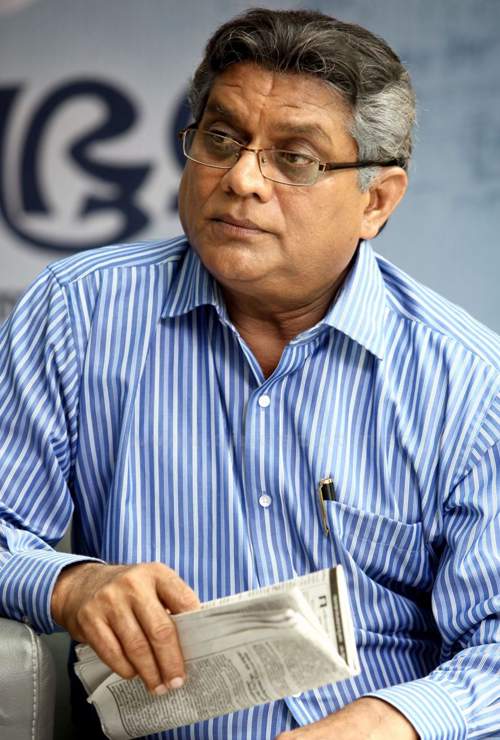
Jagathy Sreekumar
Suseelan
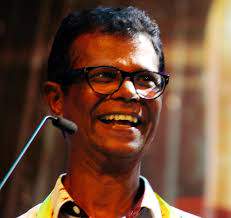
Indrans
Chandran

Cochin Haneefa
Divakaran

Shivaji Guruvayoor
Muthalali
Sudheesh
Rajendran
Machan Varghese
Kanaran
Rizabawa
Advocate
Joemon Joshy
Vimal Kumar
Remya Nambeesan
Aswathy's sister
Manka Mahesh
Ammini
Geetha Salam
Yamuna
Rajendran's mother
Ambili Devi
Meera
Renuka Menon
Aswathy
Philomina
Muthu's grandmother
External Links and Streaming Options
Discover where to watch Meerayude Dukhavum Muthuvinte Swapnavum online, including streaming platforms, rental options, and official sources. Compare reviews, ratings, and in-depth movie information across sites like IMDb, TMDb, Wikipedia or Rotten Tomatoes.






Take the Ultimate Meerayude Dukhavum Muthuvinte Swapnavum Movie Quiz
Challenge your knowledge of Meerayude Dukhavum Muthuvinte Swapnavum with this fun and interactive movie quiz. Test yourself on key plot points, iconic characters, hidden details, and memorable moments to see how well you really know the film.
Meerayude Dukhavum Muthuvinte Swapnavum Quiz: Test your knowledge of the 2003 Malayalam film "Meerayude Dukhavum Muthuvinte Swapnavum" with these ten questions.
Who is Meera's protective brother?
Full Plot Summary and Ending Explained for Meerayude Dukhavum Muthuvinte Swapnavum
Read the complete plot summary of Meerayude Dukhavum Muthuvinte Swapnavum, including all major events, twists, and the full ending explained in detail. Explore key characters, themes, hidden meanings, and everything you need to understand the story from beginning to end.
Muthu Prithviraj Sukumaran and Meera Ambili Devi form the emotional core of this intimate drama, rooted in a small rural home where a loving, protective brother cares for a sister who cannot walk. In the opening sequence, Meera sits on a wooden pushcart in a bustling market, her orange catching the eye of passersby as she calls out to potential buyers. A band of arrogant men tries to make trouble, but Muthu arrives in a swift, defiant rush, fending off the assault and defending his sister’s dignity. When the assailant is subdued, Meera pleads for mercy, revealing her disability and reminding the audience of the daily labour and sorrow that frame their world. The scene establishes not only the danger surrounding them but also the unwavering devotion that binds them together.
They share a cramped life in a mud house, living with their grandmother Philomina, whose irritable, self-pitying mood often clashes with Meera’s quiet resilience. Meera keeps the household intact while Muthu toils at a brick kiln, working alongside his friend Indrans as Chandran. This ordinary rhythm is interrupted by a parallel thread: Aswathy Renuka Menon, a daughter of a well‑connected family, becomes the focal point of a budding romance that risks colliding with Muthu’s simple, stubborn devotion to Meera.
The romance with Aswathy flickers into view during a private, risky encounter at the brick kiln, revealing a future that could offer a different kind of happiness—if Muthu can overcome the social chasm separating them. He dreams of a secure future, saving money while juggling multiple jobs to make a respectable marriage possible for Meera someday. But the world is not so forgiving. When a visit from the matchmaker ushers in the possibility of a match for Meera, the father of the would‑be groom demands an impossible dowry of one hundred thousand rupees, exposing the brutal sting of poverty and a cruel market for marriage. Muthu’s anger boils over as he rejects the idea of a costly union, and the family is left reeling from the clash between need and decency.
The narrative then introduces Suseelan Jagathy Sreekumar, Muthu’s paternal uncle, a figure often ruled by gambling and careless habits. He schemes to manipulate events for his own gain, going so far as to forge a letter that makes it seem like his son would marry Meera, only to reveal that the match is a cruel fabrication when the truth surfaces. The breach of trust sharpens the family wound and pushes Muthu to a breaking point, prompting a violent outburst that underscores the precarious balance of honor, duty, and desperation in their lives. Suseelan’s manipulations echo through the village as a reminder of the fragile trust holding the family together.
In a darker turn, a medicine man arrives at the temple with promises of healing Meera’s paralysis, a prospect encouraged by Divakaran Cochin Haneefa, Aswathy’s father. The healer’s bedside rites unfold with a troubling invasion of Meera’s safety: the medicine man tries to seize control amid Meera’s pleas for help. Muthu bursts in to defend his sister, and the confrontation ends with the medicine man receiving punishment from the hand that has protected Meera all along. The court later consigns the aggressor to six months’ imprisonment, and Muthu’s sorrowful farewell to Meera on the vehicle carrying him away is framed by his quiet vow that the time will pass swiftly.
While Muthu serves his sentence, Meera faces renewed pressure. Suseelan pressurizes her through attempts at coercion and manipulation, pushing Meera to sing on the streets to solicit charity so that their precar finances stay afloat. On Muthu’s return, he finds his sister worn down by hardship and public humiliation; in a moment of righteous anger, he confronts Suseelan and his cohort, carrying Meera home in his arms as he confronts the judgment of a village that has long looked the other way at their poverty and disability.
Determined to secure Meera’s happiness, Muthu agrees to seek a suitable marriage for her, even as his heart remains bound to Aswathy. He confesses to Aswathy that a life with him might never be possible, given the social divide and his ongoing duty to Meera. Aswathy’s love remains steadfast, insisting that she will marry him, but the social pressures intensify when Divakaran publicly contemplates marrying Meera to relieve the burden on his daughter’s future. He even suggests institutionalizing Meera so the two families can pursue their own happiness, a suggestion that deeply wounds Meera as she overhears the exchange.
A well-meaning aunt then presses the option of moving Meera to an institution to remove the burden from the family, and Meera’s own sense of being a burden grows. She returns home to a tearful Meera, who finds solace in the memory of her dead parents and the intimate bond she shares with her brother. In a moment of desperation, Meera writes a farewell note and slips away to the brick kiln, seeking oblivion in the heat and smoke.
A matchmaker arrives with news that a suitor is finally ready to marry Meera—the dowry obstacle seemingly resolved by the past death of the suitor’s father. But before the celebration can begin, Meera’s note comes to light, and Muthu races to the kiln, only to discover that Meera has entered the fiery belly of the brick furnace. The crowd struggles to pull apart the kiln’s structure; amid rain and ruin, Muthu digs through the bricks and mud to reach Meera, who lies motionless in a pool of rainwater and brick dust. Grief-stricken and heartbroken, he lifts her lifeless body into his arms, their tumultuous world collapsing around him as the storm rages on.
In the end, the film returns to the central truth of their bond: a brother’s fierce devotion and a sister’s enduring spirit, even in the face of insurmountable pain and loss. The tragedy leaves a silence that lingers long after the fire dies, forcing the village—and the audience—to confront the limits of care, sacrifice, and what it means to love someone more than life itself.

Coming soon on iOS and Android
The Plot Explained Mobile App
From blockbusters to hidden gems — dive into movie stories anytime, anywhere. Save your favorites, discover plots faster, and never miss a twist again.
Sign up to be the first to know when we launch. Your email stays private — always.
Explore the mobile appDiscover Film Music Concerts Near You – Live Orchestras Performing Iconic Movie Soundtracks
Immerse yourself in the magic of cinema with live orchestral performances of your favorite film scores. From sweeping Hollywood blockbusters and animated classics to epic fantasy soundtracks, our curated listings connect you to upcoming film music events worldwide.
Explore concert film screenings paired with full orchestra concerts, read detailed event information, and secure your tickets for unforgettable evenings celebrating legendary composers like John Williams, Hans Zimmer, and more.


Meerayude Dukhavum Muthuvinte Swapnavum Themes and Keywords
Discover the central themes, ideas, and keywords that define the movie’s story, tone, and message. Analyze the film’s deeper meanings, genre influences, and recurring concepts.
Meerayude Dukhavum Muthuvinte Swapnavum Other Names and Titles
Explore the various alternative titles, translations, and other names used for Meerayude Dukhavum Muthuvinte Swapnavum across different regions and languages. Understand how the film is marketed and recognized worldwide.
Similar Movies To Meerayude Dukhavum Muthuvinte Swapnavum You Should Know About
Browse a curated list of movies similar in genre, tone, characters, or story structure. Discover new titles like the one you're watching, perfect for fans of related plots, vibes, or cinematic styles.









Quick Links: Summary, Cast, Ratings, More

What's After the Movie?
Not sure whether to stay after the credits? Find out!
Check out our other apps:

SAT Sphere
Build confidence for the Digital SAT.

Mori Atlas
Discover wild places worth protecting.

Luntero
Search smarter for a home in Amsterdam.

Plot Explained
Unravel movie endings and hidden clues.

Pokechamp
Dive into Pokémon data and battle logic.

Driving Theory
Get ready for your European theory test.

Movie Dust
Plan your next cinema trip with ease.

Musemap
Find art and culture as you travel.

Selkobase
Compare credentials before committing.

Local Manual
Turn an unfamiliar country into practical next steps.

Lernavi
Compare school systems before your next move.

GymRoam
Find a workout stop wherever your plans take you.
Explore Our Movie Platform
New Movie Releases (2026)
Famous Movie Actors
Top Film Production Studios
Movie Plot Summaries & Endings
Major Movie Awards & Winners
Best Concert Films & Music Documentaries
Movie Collections and Curated Lists
© 2026 What's After the Movie. All rights reserved.
Privacy Policy