Ghosts of Mississippi 1996


A Mississippi district attorney teams with Medgar Evers’s widow to finally hold a notorious white supremacist accountable for the 1963 assassination of the civil‑rights icon. Their relentless pursuit confronts decades‑old racism, corruption and a legal system that has long turned its back on the case, offering a last chance for justice.

Does Ghosts of Mississippi have end credit scenes?
No!
Ghosts of Mississippi does not have end credit scenes. You can leave when the credits roll.
Where to Watch Ghosts of Mississippi
See current US streaming, rental, and purchase options for Ghosts of Mississippi (1996) via JustWatch.

Kanopy
HD
Plex
HD
Plex Channel
HD
The Roku Channel
HD
Tubi TV
SD
YouTube Free
HD
Amazon Video
HD
Apple TV Store
HD
Fandango At Home
HD
Google Play Movies
SD
YouTube
SD Streaming availability powered by 
Meet the Full Cast and Actors of Ghosts of Mississippi
Explore the complete cast of Ghosts of Mississippi, including both lead and supporting actors. Learn who plays each character, discover their past roles and achievements, and find out what makes this ensemble cast stand out in the world of film and television.

Craig T. Nelson
Ed Peters
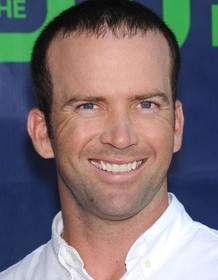
Lucas Black
Burt DeLaughter

Alec Baldwin
Bobby DeLaughter
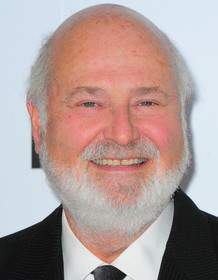
Rob Reiner

Virginia Madsen
Dixie DeLaughter
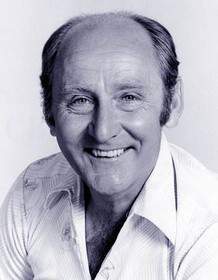
Richard Stahl
Judge Hendrick
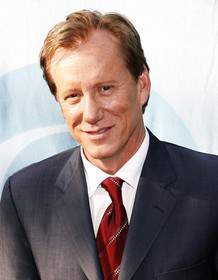
James Woods
Byron De La Beckwith
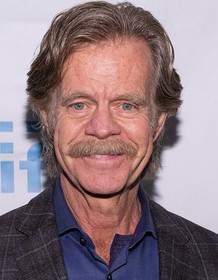
William H. Macy
Charlie Crisco
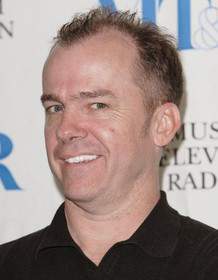
Michael O'Keefe
Merrida Coxwell

Thomas Kopache
Thorn McIntyre

Whoopi Goldberg
Myrlie Evers
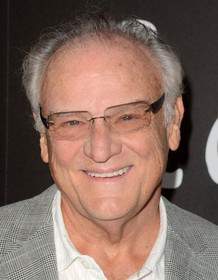
Bill Smitrovich
Jim Kitchens
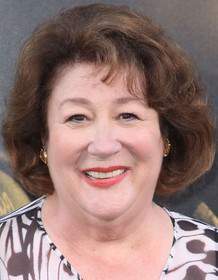
Margo Martindale
Clara Mayfield

Bill Cobbs
Charlie Evers
Brock Peters
Walter Williams

Diane Ladd
Grandma Caroline Moore
Jerry Levine
Jerry Mitchell
Rex Linn
Martin Scott
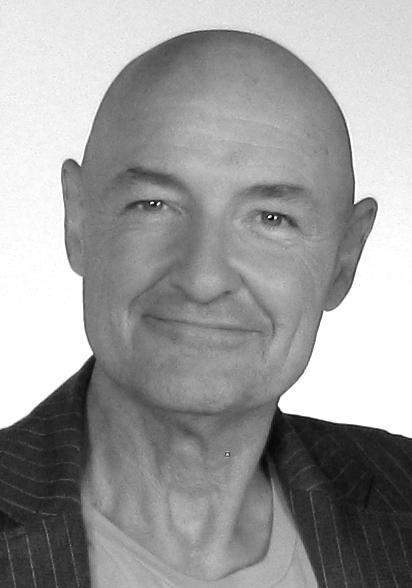
Terry O'Quinn
Judge Hilburn
Andy Romano
Hardy Lott
Bonnie Bartlett
Billie DeLaughter
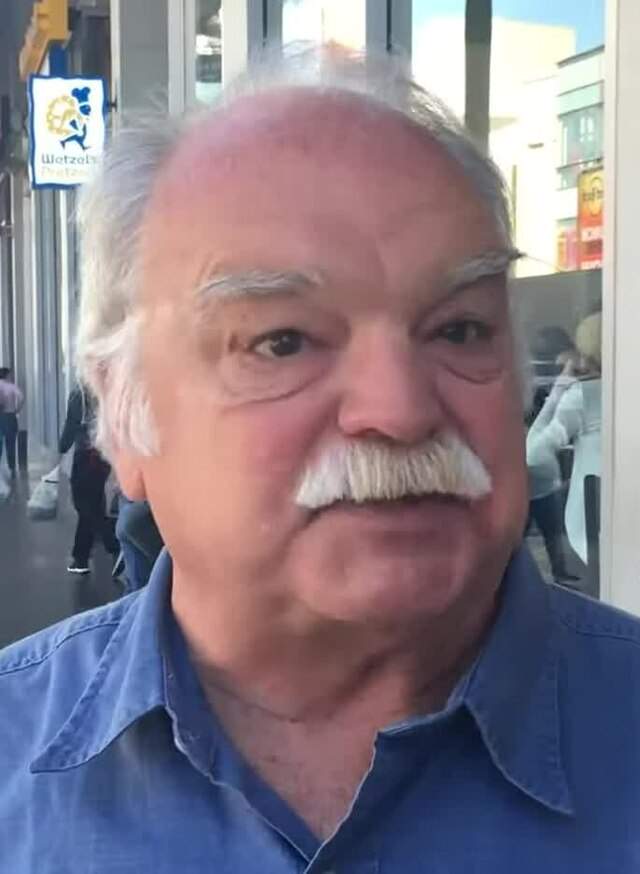
Richard Riehle
Tommy Mayfield
Jordan Lund
Deputy
Ramon Bieri
James Holley
Jerry Hardin
Grandpa Barney DeLaughter
Susanna Thompson
Peggy Lloyd
David Carpenter
Bill Walter
Frank Hoyt Taylor
Dan Prince

Alexa PenaVega
Claire DeLaughter
Zoaunne LeRoy
Thelma De La Beckwith
Bill Henderson
Minister
Wayne Rogers
Morris Dees
Rance Howard
Ralph Hargrove
Greg Bronson
Court Bailiff (uncredited)
James Pickens Jr.
Medgar Evers
Finn Carter
Cynthia Speetgens
Sarah Hunley
Peggy Morgan
Yolanda King
Reena Evers
Diana Bellamy
Barbara Holder
Joseph Tello
Drew DeLaughter
Darrell Evers
Darrell Evers
James Van Evers
Van Evers
Sky Rumph
Jared Lloyd
Jim Harley
Delamar Dennis
External Links and Streaming Options
Discover where to watch Ghosts of Mississippi online, including streaming platforms, rental options, and official sources. Compare reviews, ratings, and in-depth movie information across sites like IMDb, TMDb, Wikipedia or Rotten Tomatoes.








Take the Ultimate Ghosts of Mississippi Movie Quiz
Challenge your knowledge of Ghosts of Mississippi with this fun and interactive movie quiz. Test yourself on key plot points, iconic characters, hidden details, and memorable moments to see how well you really know the film.
Ghosts of Mississippi Quiz: Test your knowledge of the 1996 film "Ghosts of Mississippi," which dramatizes the pursuit of justice for civil‑rights leader Medgar Evers.
Which actor portrays the determined assistant district attorney Bobby DeLaughter?
Full Plot Summary and Ending Explained for Ghosts of Mississippi
Read the complete plot summary of Ghosts of Mississippi, including all major events, twists, and the full ending explained in detail. Explore key characters, themes, hidden meanings, and everything you need to understand the story from beginning to end.
Medgar Evers, James Pickens Jr, was an African-American civil rights activist in Mississippi, murdered on June 12, 1963. It was suspected that the white supremacist Byron De La Beckwith, James Woods, was the killer. He had already endured two trials in the 1960s that ended in hung juries, and Evers’ widow Myrlie Evers, Whoopi Goldberg, had spent more than a quarter of a century pursuing justice. The case loomed large in the regional psyche, a stark reminder of the violent resistance to progress and the stubborn walls of injustice that persisted long after the crime.
In 1989, Myrlie Evers was buoyed by a newspaper article from Jerry Mitchell that exposed jury tampering by the Mississippi State Sovereignty Commission during the earlier trials. She believed the time had finally come to reopen the case. Enter Bobby DeLaughter, Alec Baldwin, an assistant district attorney who took up the cause despite warnings that it could jeopardize his career and strain his marriage. He formed a small team of investigators from his office, including lawyers and researchers who were determined to sift through what had been left behind. Their effort faced immediate headwinds: key witnesses from the 1960s were dead, trial transcripts were missing, and even the old strategy of pressuring two officers who had previously lied under oath seemed unlikely to bear fruit.
Yet two discoveries rekindled hope. First, the murder weapon—long thought lost—emerged from concealment, proving the case still had a tangible thread to follow. Second, a new witness came into focus: Delmar Dennis, Jim Harley, a former Ku Klux Klan member who had turned informant for the FBI. Dennis had testified against the Klan in related cases and asserted he had met De La Beckwith, offering a potential bridge between the old testimony and fresh charges. The investigators now believed they could reconstitute a credible narrative that might finally secure a conviction.
The pursuit intensified as public attention grew. DeLaughter’s team pressed forward with renewed resolve, even as white supremacist elements threatened DeLaughter and his children, complicating the personal stakes of the investigation. Myrlie, who had initially harbored skepticism about pursuing the case anew, revealed that she possessed a court-certified transcript from one of the 1960s trials. This document became a crucial link, allowing DeLaughter to present nearly the same case to a new jury, augmented by Dennis’s testimony and additional witnesses who corroborated his account. The strategy hinged on reviving the essential eyewitnesses and connecting them to De La Beckwith through the newly uncovered evidence.
An important procedural moment came when Detective Lloyd Bennett recited the past testimony of his father, the officer who had located the murder weapon, to the jury. This helped to knit together the threads of the old and new cases, providing a bridge between decades of doubt and the momentum of the fresh indictment. As the refiled case gained legitimacy, the defense faced the challenge of disproving the assembled testimony while contending with the weight of renewed public scrutiny.
The culmination arrived in 1994, when Byron De La Beckwith was found guilty and sentenced to life imprisonment. The verdict marked a landmark moment in the ongoing fight for racial justice, a testament to persistence, courage, and the stubborn resilience of those who refused to let the truth be buried. The film closes with Myrlie Evers tearfully rejoicing at the courthouse, surrounded by supporters and loved ones, as justice—long delayed—finally feels within reach.
Throughout the narrative, the cast threads through the story: Alec Baldwin embodies the determined prosecutor, Whoopi Goldberg gives a grounded portrayal of a widow who never gives up, James Woods portrays the chilling figure at the center of the case, James Pickens Jr anchors the bookends of truth as Medgar Evers, Virginia Madsen embodies Dixie DeLaughter, and Jim Harley brings Delmar Dennis’s perilous risk and loyalty to light. The film also nods to the broader network of people connected to the era—Jerry Levine as Jerry Mitchell, Whoopi Goldberg again in a pivotal role, and others who populate the courtroom drama with nuance and stakes. Each character’s presence deepens the sense that this is not merely a courtroom thriller but a careful study of memory, courage, and the perseverance required to turn the wheels of justice after so many years.

Coming soon on iOS and Android
The Plot Explained Mobile App
From blockbusters to hidden gems — dive into movie stories anytime, anywhere. Save your favorites, discover plots faster, and never miss a twist again.
Sign up to be the first to know when we launch. Your email stays private — always.
Explore the mobile appDiscover Film Music Concerts Near You – Live Orchestras Performing Iconic Movie Soundtracks
Immerse yourself in the magic of cinema with live orchestral performances of your favorite film scores. From sweeping Hollywood blockbusters and animated classics to epic fantasy soundtracks, our curated listings connect you to upcoming film music events worldwide.
Explore concert film screenings paired with full orchestra concerts, read detailed event information, and secure your tickets for unforgettable evenings celebrating legendary composers like John Williams, Hans Zimmer, and more.


Cars Featured in Ghosts of Mississippi
Explore all cars featured in Ghosts of Mississippi, including their makes, models, scenes they appear in, and their significance to the plot. A must-read for car enthusiasts and movie buffs alike.
Ghosts of Mississippi Themes and Keywords
Discover the central themes, ideas, and keywords that define the movie’s story, tone, and message. Analyze the film’s deeper meanings, genre influences, and recurring concepts.
Ghosts of Mississippi Other Names and Titles
Explore the various alternative titles, translations, and other names used for Ghosts of Mississippi across different regions and languages. Understand how the film is marketed and recognized worldwide.
Similar Movies To Ghosts of Mississippi You Should Know About
Browse a curated list of movies similar in genre, tone, characters, or story structure. Discover new titles like the one you're watching, perfect for fans of related plots, vibes, or cinematic styles.



Quick Links: Summary, Cast, Ratings, More

What's After the Movie?
Not sure whether to stay after the credits? Find out!
Check out our other apps:

SAT Sphere
Build confidence for the Digital SAT.

Mori Atlas
Discover wild places worth protecting.

Luntero
Search smarter for a home in Amsterdam.

Plot Explained
Unravel movie endings and hidden clues.

Pokechamp
Dive into Pokémon data and battle logic.

Driving Theory
Get ready for your European theory test.

Movie Dust
Plan your next cinema trip with ease.

Musemap
Find art and culture as you travel.

Selkobase
Compare credentials before committing.

Local Manual
Turn an unfamiliar country into practical next steps.

Lernavi
Compare school systems before your next move.

GymRoam
Find a workout stop wherever your plans take you.
Explore Our Movie Platform
New Movie Releases (2026)
Famous Movie Actors
Top Film Production Studios
Movie Plot Summaries & Endings
Major Movie Awards & Winners
Best Concert Films & Music Documentaries
Movie Collections and Curated Lists
© 2026 What's After the Movie. All rights reserved.
Privacy Policy