Just Mercy 2019

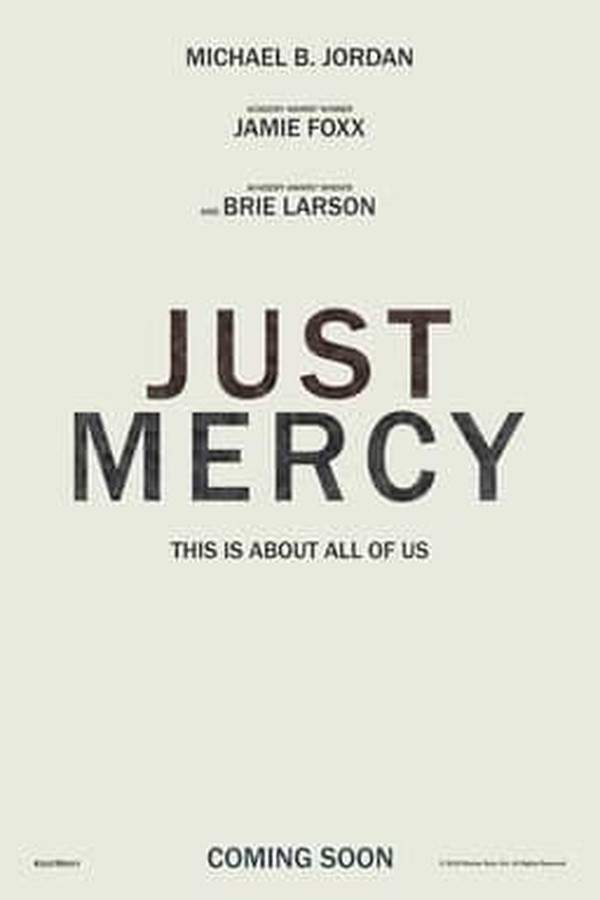
A gifted lawyer, Bryan Stevenson, forsakes a promising career to champion the rights of those wrongly accused or denied justice in Alabama. Partnering with local advocate Eva Ansley, he takes on the case of Walter McMillian, a man sentenced to death despite compelling evidence proving his innocence. Stevenson and Ansley face significant challenges as they fight to overturn the conviction and expose the flaws in the justice system, determined to secure Walter’s freedom and reveal the truth.


Does Just Mercy have end credit scenes?
No!
Just Mercy does not have end credit scenes. You can leave when the credits roll.
Where to Watch Just Mercy
See current US streaming, rental, and purchase options for Just Mercy (2019) via JustWatch.







Meet the Full Cast and Actors of Just Mercy
Explore the complete cast of Just Mercy, including both lead and supporting actors. Learn who plays each character, discover their past roles and achievements, and find out what makes this ensemble cast stand out in the world of film and television.

Brie Larson
Eva Ansley

Jamie Foxx
Walter McMillian

Michael B. Jordan
Bryan Stevenson

Andrene Ward-Hammond

O'Shea Jackson Jr.

Rob Morgan
Herbert Richardson

Darrell Britt-Gibson

Tim Blake Nelson

Drew Scheid

Rafe Spall

Damon Vance
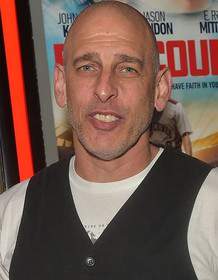
Adam Boyer
Prison Guard
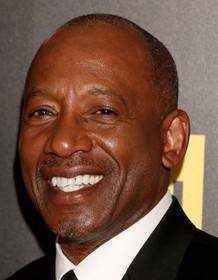
Brad Sanders
Howard Stevenson, Sr.
Bryan G. Stevenson
Howard Stevenson, Jr.

C.J. LeBlanc
Charlie Pye Jr.
Charlie the Tree Expert

Christopher Wolfe
Jim Wilkes

Claire Bronson
Hayes Mercure
Jeremy Doss

J. Alphonse Nicholson
Henry Davis

Jacinte Blankenship
Christy Stevenson

Kirk Bovill
Lindsay Ayliffe
Marcus A. Griffin Jr.
Michael Harding
Sheriff Tate

Rhoda Griffis

Steve Coulter
External Links and Streaming Options
Discover where to watch Just Mercy online, including streaming platforms, rental options, and official sources. Compare reviews, ratings, and in-depth movie information across sites like IMDb, TMDb, Wikipedia or Rotten Tomatoes.












Ratings and Reviews for Just Mercy
See how Just Mercy is rated across major platforms like IMDb, Metacritic, and TMDb. Compare audience scores and critic reviews to understand where Just Mercy stands among top-rated movies in its genre.

The Movie Echo Score
While Just Mercy benefits from strong performances and solid direction, it occasionally struggles with pacing and cinematic ambition. The film’s focus on courtroom restraint and emotional depth resonates through disciplined editing and character work, though moments of narrative momentum feel uneven. Viewers appreciate the thoughtful portrayal of injustice and nuanced chemistry between leads. Although its conventional approach limits originality, the movie’s compelling message and grounded craft create an effective and affecting drama.
The Movie Echo Score Breakdown for Just Mercy

Art & Craft
In terms of art and craft, Just Mercy delivers solid direction and restrained cinematography that underscore its courtroom drama. The editing emphasizes narrative clarity, while production design evokes period authenticity without drawing excess attention. Some reviewers note a lack of visual ambition and moments of lethargy hinder cinematic momentum. Overall, the film’s understated aesthetic supports its message but seldom reaches striking visual heights.

Character & Emotion
When it comes to character and emotion, the film stands out with powerful and nuanced performances from its leads. The central chemistry creates a credible bond that conveys empathy and moral conviction. Depth varies among supporting roles, with a few characters lacking development. Ultimately, disciplined acting and emotional restraint deliver moments of genuine resonance that underline the story’s human stakes.

Story & Flow
In terms of story and flow, Just Mercy offers a compelling narrative grounded in real events but occasionally suffers from uneven pacing. The courtroom structure provides clear progression, yet some segments feel formulaic and delay dramatic engagement. The script balances factual detail with emotional moments, though originality is modest. Overall, the film communicates its social justice themes effectively despite intermittent narrative sluggishness.

Sensory Experience
When it comes to sensory experience, the film employs an understated soundtrack and clean sound design that support its dramatic tone without standing out. Visual style is functional, with muted palettes reinforcing the period setting, though it rarely ventures into distinctive imagery. The production elements are cohesive yet conservative, delivering emotional clarity but seldom offering sensory thrills or memorable stylistic flourishes.

Rewatch Factor
In terms of rewatch potential, Just Mercy’s strength lies in its important message and strong lead performances, which may reward subsequent viewings for thematic discussion. Some viewers may find limited novelty upon repeated watches due to its conventional structure and steady pacing. While certain courtroom scenes and emotional beats retain impact, the film’s modest stylistic ambitions and linear progression reduce its long-term replay value.

68
Metascore
6.9
User Score


85%
TOMATOMETER

99%
User Score

7.6 /10
IMDb Rating

79
%
User Score

3.8
From 431 fan ratings

4.05/5
From 19 fan ratings
Take the Ultimate Just Mercy Movie Quiz
Challenge your knowledge of Just Mercy with this fun and interactive movie quiz. Test yourself on key plot points, iconic characters, hidden details, and memorable moments to see how well you really know the film.
Just Mercy Quiz: Test your knowledge on the gripping story of Bryan Stevenson and the fight for justice depicted in 'Just Mercy'.
What year does Bryan Stevenson establish the Equal Justice Initiative?
Awards & Nominations for Just Mercy
Discover all the awards and nominations received by Just Mercy, from Oscars to film festival honors. Learn how Just Mercy and its cast and crew have been recognized by critics and the industry alike.
Full Plot Summary and Ending Explained for Just Mercy
Read the complete plot summary of Just Mercy, including all major events, twists, and the full ending explained in detail. Explore key characters, themes, hidden meanings, and everything you need to understand the story from beginning to end.
In 1989, an idealistic young Harvard law graduate, Bryan Stevenson, journeys to Alabama with the noble intention of providing legal assistance to those unable to afford proper representation. His mission involves confronting social injustices prevalent in the criminal justice system, particularly those that have led to the disproportionate incarceration of African Americans across the state and the country. Many individuals find themselves wrongfully convicted, not due to any actual evidence, but rather because they either lack legal representation or receive inadequate counsel. This grim reality has allowed prosecutors to pursue capital punishment, even in cases lacking grievous offenses.
Unfazed by the threats that his mother forewarns about regarding his safety in Alabama, Stevenson is determined to make a difference. He partners with Eva Ansley to establish the Equal Justice Initiative, which seeks to support marginalized clients, including those on death row. During his initial meetings at the prison, Bryan faces skepticism from the guards, who disrespect him as they strip-search him before allowing him to engage with the inmates.
Among those he seeks to help is Walter “Johnny D.” McMillian, an African American man wrongfully convicted of the 1986 murder of Ronda Morrison, a young white woman. Walter’s life, previously filled with promise with his own pulping business and a supportive family, is shattered when Sheriff Tate arrests him. He recalls a painful truth: in Alabama, an African American is deemed guilty from birth. With no forensic evidence linking him to the crime, Walter’s conviction stems from the unreliable testimony of a convicted felon, Ralph Myers, who provides conflicting accounts only to seek leniency in his own trial.
Stevenson meticulously investigates the case, learning that Myers’s testimony, which had a significant impact on the trial, was corroborated by another witness, Bill Hooks. Though the investigation revealed serious inconsistencies, the legal system moved forward harshly against Walter. Despite the support of Walter’s family, including his wife, Minnie, who claims Walter was at a BBQ during the time of the murder, the judicial system ignored their pleas. Initially seeking assistance from Tommy Chapman, the prosecutor dismisses Stevenson’s arguments without due consideration.
As Stevenson continues to uncover the truth, he faces threats and attacks from local law enforcement, illustrating the risks involved in challenging the status quo of a deeply flawed system. His dedication extends beyond Walter’s case to improve the conditions for others, like Herbert Lee Richardson, another death row inmate whose case faced a dire outcome due to lack of representation and mental health considerations.
As the story progresses, Stevenson confronts Myers, who reveals the coercion behind his testimony. The emotional weight of the struggle weighs heavily on Stevenson, especially as he witnesses an execution firsthand, bringing the harsh realities of his work to light. However, hope emerges when Stevenson manages to gather substantial evidence pointing to the unreliable nature of Myers’s testimony.
Appearing on national television to garner public support, Stevenson appeals for a retrial. His unwavering persistence ultimately leads to a significant moment when Chapman unexpectedly joins him in this motion. In a triumphant yet emotional courtroom scene, McMillian’s conviction is overturned, allowing him to reunite with his family after years of wrongful imprisonment.
The story concludes with a powerful epilogue, showing that both Stevenson and Ansley continue their relentless quest for justice. McMillian remains a cherished part of Stevenson’s life until his passing in 2013. Subsequent investigations revealed further evidence of McMillian’s innocence, suggesting that a white individual was likely responsible for the crime, although it remains officially unresolved. Meanwhile, the fight against injustice continues, as Stevenson successfully helps another wrongfully convicted individual, Anthony Ray Hinton, gain his freedom after decades on death row.

Coming soon on iOS and Android
The Plot Explained Mobile App
From blockbusters to hidden gems — dive into movie stories anytime, anywhere. Save your favorites, discover plots faster, and never miss a twist again.
Sign up to be the first to know when we launch. Your email stays private — always.
Explore the mobile appWatch Trailers, Clips & Behind-the-Scenes for Just Mercy
Watch official trailers, exclusive clips, cast interviews, and behind-the-scenes footage from Just Mercy. Dive deeper into the making of the film, its standout moments, and key production insights.
Cars Featured in Just Mercy
Explore all cars featured in Just Mercy, including their makes, models, scenes they appear in, and their significance to the plot. A must-read for car enthusiasts and movie buffs alike.
Just Mercy Themes and Keywords
Discover the central themes, ideas, and keywords that define the movie’s story, tone, and message. Analyze the film’s deeper meanings, genre influences, and recurring concepts.
Just Mercy Other Names and Titles
Explore the various alternative titles, translations, and other names used for Just Mercy across different regions and languages. Understand how the film is marketed and recognized worldwide.
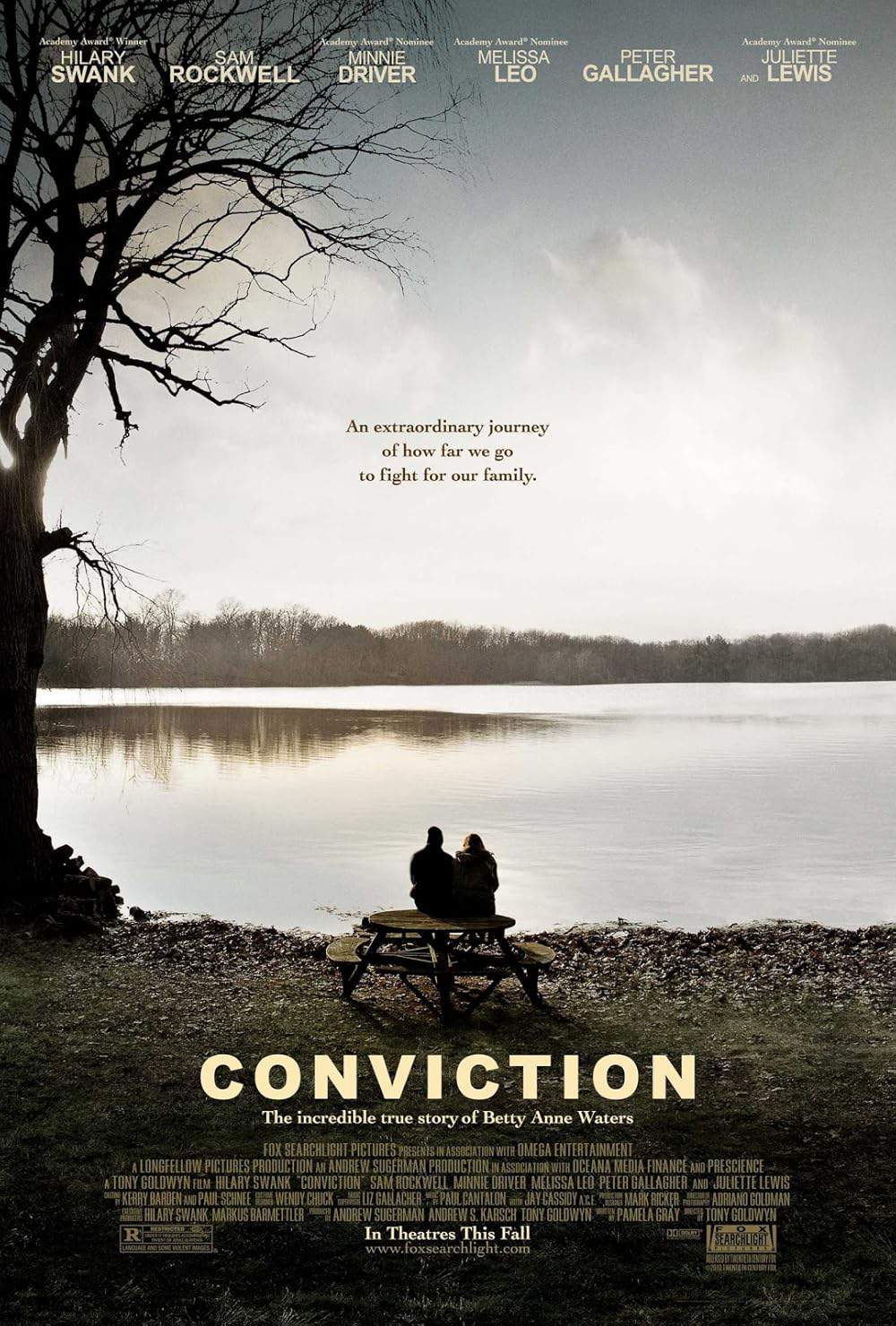
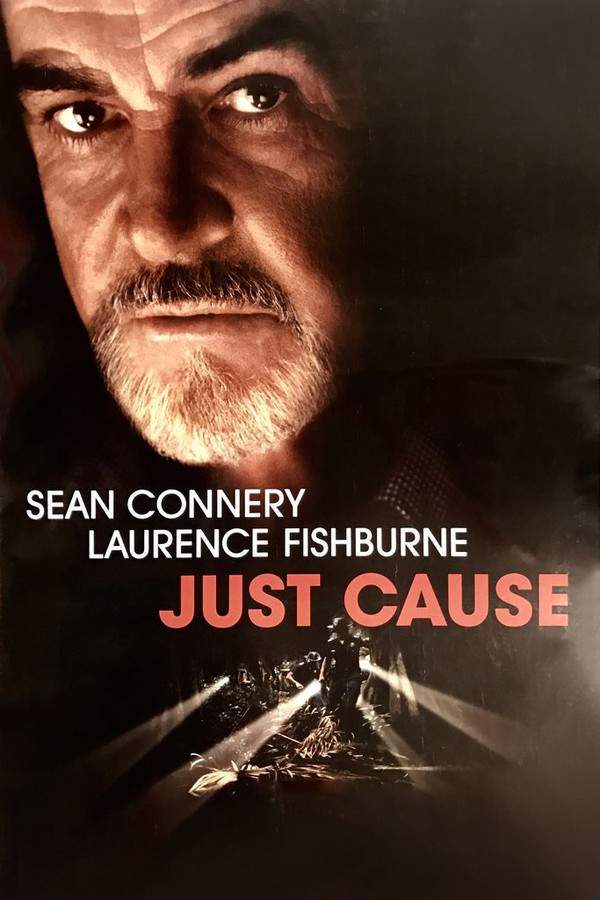
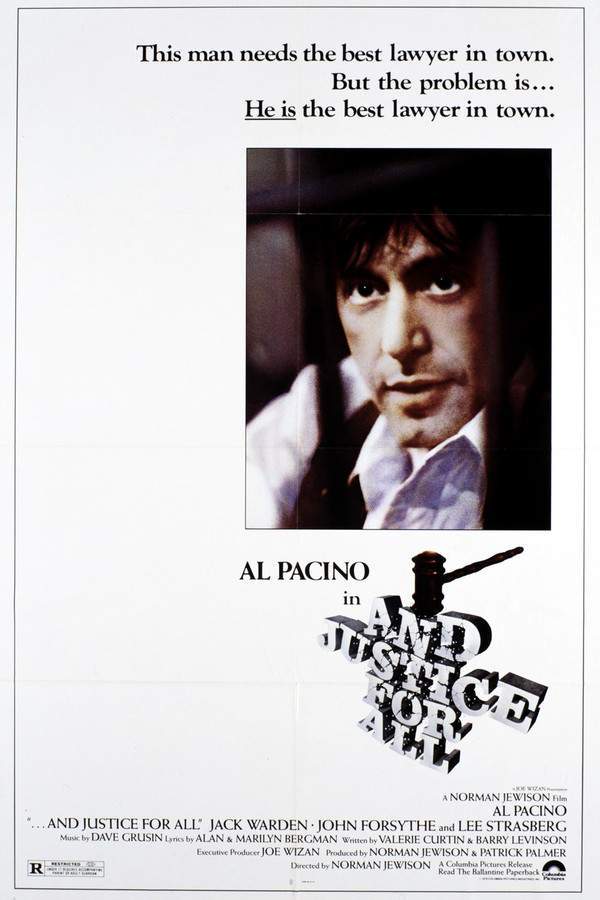
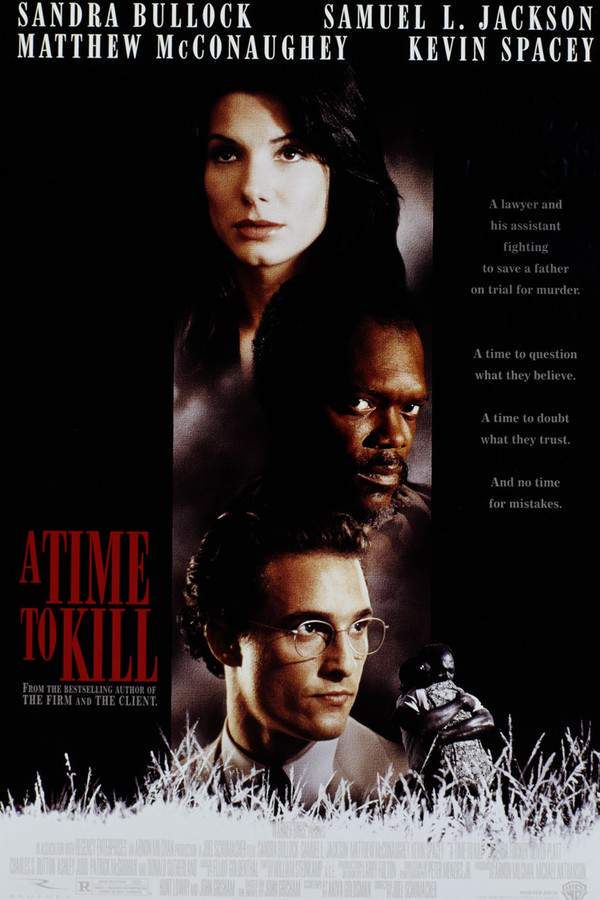
Similar Movies To Just Mercy You Should Know About
Browse a curated list of movies similar in genre, tone, characters, or story structure. Discover new titles like the one you're watching, perfect for fans of related plots, vibes, or cinematic styles.


Quick Links: Summary, Cast, Ratings, More

What's After the Movie?
Not sure whether to stay after the credits? Find out!
Check out our other apps:

SAT Sphere
Build confidence for the Digital SAT.

Mori Atlas
Discover wild places worth protecting.

Luntero
Search smarter for a home in Amsterdam.

Plot Explained
Unravel movie endings and hidden clues.

Pokechamp
Dive into Pokémon data and battle logic.

Driving Theory
Get ready for your European theory test.

Movie Dust
Plan your next cinema trip with ease.

Musemap
Find art and culture as you travel.

Selkobase
Compare credentials before committing.

Local Manual
Turn an unfamiliar country into practical next steps.

Lernavi
Compare school systems before your next move.

GymRoam
Find a workout stop wherever your plans take you.
Explore Our Movie Platform
New Movie Releases (2026)
Famous Movie Actors
Top Film Production Studios
Movie Plot Summaries & Endings
Major Movie Awards & Winners
Best Concert Films & Music Documentaries
Movie Collections and Curated Lists
© 2026 What's After the Movie. All rights reserved.
Privacy Policy