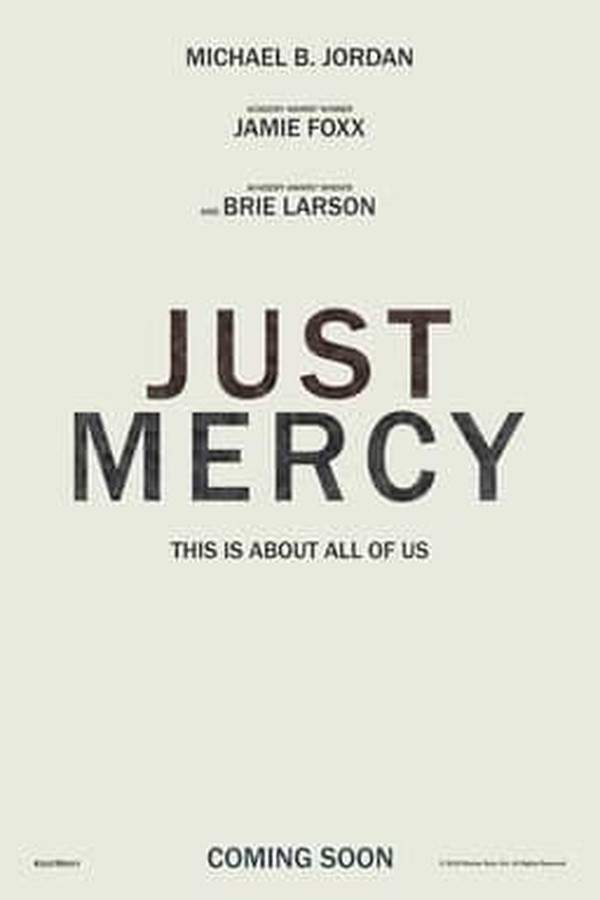
What Is Just Mercy About?
The premise of Just Mercy in 260 words, with nothing given away. The full story and the ending follow below.
In the late‑1980s a freshly minted Harvard graduate abandons a comfortable future to walk the uneven streets of rural Alabama, where the criminal‑justice system feels as thick‑skinned and weathered as the old oak trees lining the courthouses. The film opens with a sense of quiet resolve, its palette washed in the muted reds and blues of southern heat, underscoring a world where legal prestige collides with deeply rooted prejudice. Here, the air crackles with the tension of unspoken histories, and every courtroom doorway seems to promise both danger and redemption.
Bryan Stevenson finds an unlikely ally in Eva Ansley, a tenacious local advocate whose own roots in the community give her a razor‑sharp perspective on the injustices that plague it. Together they form the Equal Justice Initiative, a modest but determined collective that seeks to give a voice to those the system has silenced. Their partnership is a study in contrast—Stevenson’s scholarly idealism tempered by Eva’s gritty, on‑the‑ground pragmatism—creating a dynamic that feels both mentoring and collaborative, as they navigate institutional resistance with quiet courage.
At the heart of their mission lies the case of Walter McMillian, a man whose fate has become a symbol of the broader failures they aim to expose. His story introduces the film’s central moral dilemma: how far will two outsiders go to confront a system that seems designed to protect its own interests? The tone remains hopeful yet unflinching, inviting the audience to linger on the quiet moments of empathy and the stark realities of a world where justice is often a distant horizon.
What Happens in Just Mercy?
The complete story of Just Mercy, from the first scene to the last, in 606 words (about 3 minutes). Spoilers throughout. Names in the text link to 8 cast member pages.
Spoilers ahead
In 1989, an idealistic young Harvard law graduate, Bryan Stevenson, journeys to Alabama with the noble intention of providing legal assistance to those unable to afford proper representation. His mission involves confronting social injustices prevalent in the criminal justice system, particularly those that have led to the disproportionate incarceration of African Americans across the state and the country. Many individuals find themselves wrongfully convicted, not due to any actual evidence, but rather because they either lack legal representation or receive inadequate counsel. This grim reality has allowed prosecutors to pursue capital punishment, even in cases lacking grievous offenses.
Unfazed by the threats that his mother forewarns about regarding his safety in Alabama, Stevenson is determined to make a difference. He partners with Eva Ansley to establish the Equal Justice Initiative, which seeks to support marginalized clients, including those on death row. During his initial meetings at the prison, Bryan faces skepticism from the guards, who disrespect him as they strip-search him before allowing him to engage with the inmates.
Among those he seeks to help is Walter “Johnny D.” McMillian, an African American man wrongfully convicted of the 1986 murder of Ronda Morrison, a young white woman. Walter’s life, previously filled with promise with his own pulping business and a supportive family, is shattered when Sheriff Tate arrests him. He recalls a painful truth: in Alabama, an African American is deemed guilty from birth. With no forensic evidence linking him to the crime, Walter’s conviction stems from the unreliable testimony of a convicted felon, Ralph Myers, who provides conflicting accounts only to seek leniency in his own trial.
Stevenson meticulously investigates the case, learning that Myers’s testimony, which had a significant impact on the trial, was corroborated by another witness, Bill Hooks. Though the investigation revealed serious inconsistencies, the legal system moved forward harshly against Walter. Despite the support of Walter’s family, including his wife, Minnie, who claims Walter was at a BBQ during the time of the murder, the judicial system ignored their pleas. Initially seeking assistance from Tommy Chapman, the prosecutor dismisses Stevenson’s arguments without due consideration.
As Stevenson continues to uncover the truth, he faces threats and attacks from local law enforcement, illustrating the risks involved in challenging the status quo of a deeply flawed system. His dedication extends beyond Walter’s case to improve the conditions for others, like Herbert Lee Richardson, another death row inmate whose case faced a dire outcome due to lack of representation and mental health considerations.
As the story progresses, Stevenson confronts Myers, who reveals the coercion behind his testimony. The emotional weight of the struggle weighs heavily on Stevenson, especially as he witnesses an execution firsthand, bringing the harsh realities of his work to light. However, hope emerges when Stevenson manages to gather substantial evidence pointing to the unreliable nature of Myers’s testimony.
Appearing on national television to garner public support, Stevenson appeals for a retrial. His unwavering persistence ultimately leads to a significant moment when Chapman unexpectedly joins him in this motion. In a triumphant yet emotional courtroom scene, McMillian’s conviction is overturned, allowing him to reunite with his family after years of wrongful imprisonment.
The story concludes with a powerful epilogue, showing that both Stevenson and Ansley continue their relentless quest for justice. McMillian remains a cherished part of Stevenson’s life until his passing in 2013. Subsequent investigations revealed further evidence of McMillian’s innocence, suggesting that a white individual was likely responsible for the crime, although it remains officially unresolved. Meanwhile, the fight against injustice continues, as Stevenson successfully helps another wrongfully convicted individual, Anthony Ray Hinton, gain his freedom after decades on death row.
Just Mercy Timeline: Every Key Event in Order
15 key events in the order they happen, from “Bryan Stevenson graduates from Harvard” to “The legacy of Walter McMillian”. 15 events name a place, across 6 locations.
- 1
Bryan Stevenson graduates from Harvard
In 1989, Bryan Stevenson completes his education at Harvard Law School with a vision to provide legal support to those who cannot afford it. Armed with idealism and determination, he sets out to make a difference in the lives of marginalized individuals facing injustice.
When:1989 Where:Harvard University
- 2
Stevenson moves to Alabama
Determined to confront social injustices, Bryan relocates to Alabama to offer legal assistance. He faces warnings from his mother about the dangers he might encounter, yet his commitment to his mission remains unshaken.
Where:Alabama
- 3
Establishment of the Equal Justice Initiative
Partnering with Eva Ansley, Stevenson founds the Equal Justice Initiative (EJI). This organization aims to provide legal support to marginalized clients, particularly those on death row who struggle against a flawed legal system.
Where:Alabama
- 4
First encounters at the prison
During Bryan's initial visits to the prison, he faces derision from the guards, who treat him with disrespect. He endures a harsh strip-search that illustrates the challenges he will face while advocating for inmates.
Where:Prison in Alabama
- 5
The case of Walter 'Johnny D.' McMillian
Stevenson takes on the case of Walter McMillian, a Black man wrongfully convicted of murdering Ronda Morrison in 1986. With no forensic evidence against him, Walter's conviction is based solely on unreliable witness testimony.
When:1986 Where:Alabama
- 6
Walter's arrest by Sheriff Tate
Walter McMillian's life changes dramatically when he is arrested by Sheriff Tate. This act shatters Walter's previous life, filled with promise and success, as he becomes entangled in a deeply flawed judicial system.
When:1986 Where:Monroeville, Alabama
- 7
Investigation into witness testimony
As Bryan investigates, he discovers that the key witness, Ralph Myers, provided contradictory statements to gain leniency. Stevenson's persistence uncovers serious inconsistencies in Myers's testimony, raising doubts about Walter's conviction.
Where:Alabama
- 8
Confronting the prosecution
Stevenson approaches prosecutor Tommy Chapman, seeking to present evidence of Walter's innocence. However, Chapman dismisses Stevenson's arguments, highlighting the resistance faced when attempting to unveil the truth.
Where:Alabama
- 9
Bryan witnesses an execution
The emotional toll of his work becomes undeniable when Stevenson witnesses an execution firsthand. This harrowing experience amplifies his understanding of the brutal realities faced within the justice system he battles against.
Where:Alabama
- 10
Public appeal for a retrial
In a bid to rally public support, Stevenson appears on national television to highlight the injustices of Walter's case. This highly publicized appeal adds pressure on the judicial system for a reconsideration of the wrongful conviction.
Where:National TV
Show the other 5 events of Just Mercy Hide the last 5 events
- 11
Unexpected support from Chapman
In a surprising turn, prosecutor Tommy Chapman agrees to support Stevenson's motion for a retrial. This pivotal moment demonstrates a shift in the pursuit of justice for Walter McMillian, amplifying hope for his exoneration.
Where:Courtroom in Alabama
- 12
Overturning McMillian's conviction
A triumphant courtroom scene unfolds as Walter McMillian's conviction is overturned, a moment of justice long overdue. His emotional reunion with family highlights the toll of wrongful incarceration and the fight for justice.
Where:Courtroom in Alabama
- 13
Continuing the fight for justice
The story concludes with Stevenson and Ansley continuing their efforts to seek justice for wrongfully convicted individuals. Their relentless dedication emphasizes the ongoing battle against systemic injustices in the legal system.
Where:Alabama
- 14
Stevenson's success in freeing Anthony Ray Hinton
Further showcasing his dedication, Stevenson successfully helps Anthony Ray Hinton secure his freedom after years on death row. This achievement reinforces the ongoing mission to address flaws in the justice system.
Where:Alabama
- 15
The legacy of Walter McMillian
Walter McMillian remains a significant part of Bryan Stevenson's life until his passing in 2013. Subsequent investigations unveil more evidence of McMillian's innocence, leaving the case partially unresolved while reinforcing the necessity for justice.
When:2013 Where:Alabama
Who Are the Main Characters in Just Mercy?
3 characters, among them Bryan Stevenson, Eva Ansley and Walter McMillian: who each one is and the part they play in the story. Every profile links to the actor’s page.
-

Bryan Stevenson
Played by Michael B. Jordan
Bryan Stevenson is an idealistic Harvard law graduate driven by a deep sense of justice. He faces numerous obstacles, including skepticism and threats but remains committed to defending those without resources. His character illustrates immense resilience and compassion as he fights against injustices within the legal system.
- 👨⚖️ Lawyer
- 💼 Advocate
- 🙌 Idealism
-

Eva Ansley
Played by Brie Larson
Eva Ansley plays a crucial role as Bryan's partner in establishing the Equal Justice Initiative. Her dedication to helping marginalized communities showcases her strong conviction in the fight for justice. Throughout the film, she exhibits tenacity and compassion, supporting Bryan's mission despite the challenges they face.
- 👩⚖️ Advocate
- 👫 Partner
- 💖 Compassionate
-
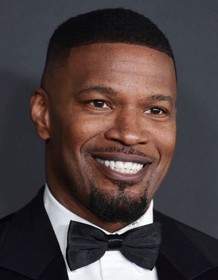
Walter McMillian
Played by Jamie Foxx
Walter McMillian is a victim of a grave miscarriage of justice, wrongfully convicted of murder. Once a successful businessman, his life takes a tragic turn due to racial bias and the lack of credible evidence against him. His resilience and hope shine through as Bryan Stevenson works tirelessly to prove his innocence.
- 🚨 Wrongfully Convicted
- 🙏 Resilience
- 🏠 Family Man
Where and When Is Just Mercy Set?
Just Mercy is set in Alabama (1989). Here is why the time and place matter to the story.
When
1989
Set in 1989, this time period is significant due to the ongoing social injustice and racial inequality prevalent in the United States. The late 20th century was a pivotal era for reform movements, particularly in relation to legal rights and the treatment of African Americans in the justice system. This backdrop enhances the urgency of Bryan Stevenson's mission to challenge wrongful convictions and bring about change.
Where
Alabama
Alabama serves as a vibrant but deeply flawed backdrop for the events of 'Just Mercy.' Known for its rich history and cultural diversity, the state is also marked by systemic issues in its criminal justice system. This dichotomy highlights the struggles faced by marginalized communities, particularly African Americans, in their pursuit of justice.
- 🌳 Alabama
- ⚖️ Justice
What Are the Themes of Just Mercy?
3 ideas the story keeps returning to, among them Justice, Injustice and Perseverance.
-
01
Justice
The theme of justice permeates every aspect of 'Just Mercy.' It explores the struggles against systemic injustice within the criminal justice system, specifically regarding racial disparities and wrongful convictions. Bryan Stevenson’s relentless fight for justice serves as a powerful reminder of the importance of advocacy and legal representation for the marginalized.
-
02
Injustice
Injustice is a critical theme, depicted through the harrowing stories of those wrongfully convicted, like Walter McMillian. The film illustrates how the legal system can fail individuals, particularly within marginalized communities, highlighting the devastating impact of prejudiced practices and societal indifference towards the oppressed.
-
03
Perseverance
Perseverance is embodied by Bryan Stevenson as he navigates numerous challenges and threats while advocating for those wrongfully imprisoned. His unwavering commitment to justice reinforces the theme that change is possible through determination and moral courage, inspiring others to stand up against corruption and seek truth.
How Does Just Mercy End?
The last act of Just Mercy and what it means, in 349 words. The ending lands as bittersweet. Big spoilers: read the plot summary first if you have not seen it.
The final act, in full
At the end of Just Mercy, Bryan Stevenson’s relentless efforts lead to the exoneration of Walter McMillan, who has been wrongly imprisoned for nearly five years due to a deeply flawed and racially biased justice system. The film concludes with a sense of hope, suggesting that despite systemic injustices, there are mechanisms—like dedicated advocates and legal checks—that can eventually correct wrongful convictions. McMillan’s case is a powerful reminder of these possibilities, and his eventual freedom symbolizes the potential for justice to triumph over prejudice when someone fights tirelessly on behalf of the innocent.
However, the film also subtly underscores a darker reality: the death penalty remains a cruel and unjust practice, especially considering that wrongful convictions can and do lead to executions. The only person executed in the film, Herbert Richardson, is depicted as a tragic figure whose mental health issues, exacerbated by his wartime trauma, contributed to his crime. His execution, portrayed with emotional weight, emphasizes the inhumanity of capital punishment and the systemic errors it facilitates. The film’s final message about the death penalty is complex—while it condemns the practice as cruel and flawed, it also shows that the only actual execution shown was of a guilty man, raising questions about justice and morality. This duality leaves viewers contemplating whether the legal system truly delivers justice or perpetuates brutality.
Ultimately, Just Mercy invites audiences to reflect on the ongoing racial and procedural injustices within the American legal system. It highlights how systemic biases and failures have wrongfully condemned innocent people like McMillan, demonstrating that reform is necessary. Yet, it also subtly conveys that progress is possible through perseverance and advocacy, even if the broader system remains deeply flawed. The closing statistic—that one person is exonerated for every nine executions—reminds viewers of the grave risks of capital punishment and the many innocent lives that are vulnerable within this unjust system. The film’s hopeful yet sobering ending urges us to remain vigilant and committed to meaningful change, acknowledging that while justice can sometimes be achieved, many stories of wrongful conviction and systemic failure continue to unfold behind the scenes.
What Kind of Film Is Just Mercy?
Tense in tone, with steady pacing and a straightforward story, going by the plot summary.
- Tone
- Tense
- Pacing
- Steady
- Story
- Straightforward
- Intensity
- High
- Ending
- Bittersweet
A tense and emotionally heavy legal drama that builds urgency as it follows a lawyer's fight against systemic injustice, offering moments of hope amidst profound outrage and sobering reality.
- tense
- gripping
- urgent
- hopeful
- outraged
- anxious
- wrongful conviction
- racial injustice
- legal drama
- death penalty
Content notes: wrongful imprisonment, racial injustice, execution, systemic corruption, intimidation.
Quiz
How well do you remember Just Mercy? Test yourself on the story.
Where to Watch Just Mercy
Rent or buy it from Amazon Video and Apple TV Store. US availability and prices from JustWatch.






Streaming availability in the US, powered by