Till 2022


In 1955 Mississippi, the brutal murder of 14-year-old Emmett Till shocks the nation. His mother, Mamie Till Mobley, embarks on a courageous search for justice, defying threats and prejudice. Her unwavering determination to expose the truth behind his death ignites a pivotal moment in the Civil Rights Movement, revealing the profound impact of a mother's resolve to confront injustice and fight for equality.


Does Till have end credit scenes?
No!
Till does not have end credit scenes. You can leave when the credits roll.
Where to Watch Till
See current US streaming, rental, and purchase options for Till (2022) via JustWatch.







Meet the Full Cast and Actors of Till
Explore the complete cast of Till, including both lead and supporting actors. Learn who plays each character, discover their past roles and achievements, and find out what makes this ensemble cast stand out in the world of film and television.

Jayme Lawson

Tosin Cole

Sean Patrick Thomas
Gene Mobley
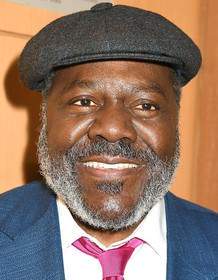
Frankie Faison
John Carthan

Jalyn Hall
Emmett Till

Ed Amatrudo

Haley Bennett
Carolyn Bryant

Danielle Deadwyler
Mamie Till-Mobley

Diallo Thompson
Maurice

Jamie Renell
Security Guard

John Douglas Thompson
Moses Wright

Kevin Carroll

Marc Collins

Roger Guenveur Smith
Tim Ware

Whoopi Goldberg
Alma Carthan
External Links and Streaming Options
Discover where to watch Till online, including streaming platforms, rental options, and official sources. Compare reviews, ratings, and in-depth movie information across sites like IMDb, TMDb, Wikipedia or Rotten Tomatoes.










Ratings and Reviews for Till
See how Till is rated across major platforms like IMDb, Metacritic, and TMDb. Compare audience scores and critic reviews to understand where Till stands among top-rated movies in its genre.

The Movie Echo Score
Till delivers a powerful historical portrait anchored by a remarkably nuanced central performance that conveys both grief and resolve. The direction adopts a restrained, slow‑burn approach that sometimes results in pacing lulls, while the visual style occasionally feels overly polished for the subject matter. The narrative offers solid emotional engagement but provides limited new insight into familiar events. Sensory elements, particularly the score, amplify the film's weight but can verge on melodrama. Overall, the movie is compelling and memorable, though its replay value is moderated by structural predictability.
The Movie Echo Score Breakdown for Till

Art & Craft
The direction takes a measured, restrained stance that underscores the film's gravity, yet it can linger in slower passages that dilute tension. Cinematography presents an understated palette, though moments of overly polished framing clash with the brutal narrative. Production design accurately reflects the era, supporting authenticity. Editing maintains a steady rhythm but does not always compensate for pacing dips, resulting in a competent but uneven artistic execution.

Character & Emotion
The lead performance stands out as richly layered, embodying both vulnerability and fierce determination. Supporting actors provide solid portrayals that complement the protagonist's journey, fostering credible emotional connections. Character arcs convey the personal cost of activism without resorting to melodrama. The ensemble's chemistry and depth sustain audience empathy throughout, making the emotional core of the film its strongest asset.

Story & Flow
The narrative prioritizes Mamie's aftermath, delivering a clear and coherent plot while offering limited fresh perspective on well‑known history. Pacing fluctuates, with several slower sequences that lessen engagement. Originality is modest, as the film follows familiar biopic conventions, and moments of predictability emerge toward the climax. Nevertheless, the story remains sufficiently compelling to maintain interest, albeit without significant innovation.

Sensory Experience
The score underscores the film's emotional weight, effectively heightening key moments, though occasional overuse creates a melodramatic tone. Sound design remains unobtrusive, supporting dialogue and atmosphere. Visual style adheres to a subdued aesthetic that aligns with the period, yet some overly glossy shots diminish the intended starkness. Overall, the sensory experience is cohesive but marred by occasional excess.

Rewatch Factor
Till leaves a resonant impression that encourages revisitation for its historical significance and emotive performances. However, predictable structuring and pacing inconsistencies may limit repeated viewings for some audiences. The film's lasting appeal rests primarily on its educational value and central acting, offering a worthwhile experience for viewers seeking depth over novelty.

77
Metascore
6.6
User Score


96%
TOMATOMETER

97%
User Score

7.2 /10
IMDb Rating

73
%
User Score

3.7
From 26 fan ratings

4.67/5
From 12 fan ratings
Take the Ultimate Till Movie Quiz
Challenge your knowledge of Till with this fun and interactive movie quiz. Test yourself on key plot points, iconic characters, hidden details, and memorable moments to see how well you really know the film.
Justice for Emmett: A Till Quiz: Test your knowledge on the impactful story of Emmett Till and his mother's fight for justice.
What year did Emmett Till travel to Money, Mississippi?
Awards & Nominations for Till
Discover all the awards and nominations received by Till, from Oscars to film festival honors. Learn how Till and its cast and crew have been recognized by critics and the industry alike.
Full Plot Summary and Ending Explained for Till
Read the complete plot summary of Till, including all major events, twists, and the full ending explained in detail. Explore key characters, themes, hidden meanings, and everything you need to understand the story from beginning to end.
In August 1955, the story unfolds around 14-year-old Emmett Till, who is living with his mother, Mamie Till-Mobley, in Chicago, Illinois. Prior to his journey to visit relatives in Money, Mississippi, Mamie imparts a cautionary lesson to her son about the precariousness of being a Black boy in the South, emphasizing the need for vigilance in the company of white individuals. The journey includes a stop at a train station where they meet Mamie’s uncle, Moses Wright, and Emmett’s cousin, Wheeler Parker. After working on a local cotton plantation, Emmett and his cousins venture into Bryant’s Grocery and Meat Market for a sweet treat.
Upon reaching the register, Emmett innocently compliments Carolyn Bryant by stating she resembles a movie star, which leads him to show her a photo of a white girl from his wallet. This seemingly innocent interaction spirals into danger as Carolyn, feeling disrespected, confronts Emmett outside the store, where he bravely whistles at her. Provoked, Carolyn hurriedly retrieves a shotgun from her vehicle, and Emmett, along with his relatives, quickly flee the scene in fear.
The early hours of August 28 mark a turning point when Carolyn’s husband, Roy Bryant, alongside his half-brother, John William “J.W.” Milam, brutally invade the Wright household in search of Emmett. They find him in a bedroom and force him to dress before kidnapping him, despite Elizabeth, Emmett’s great-aunt, offering them money in a desperate plea. The tense situation takes a horrific turn as Milam holds Moses at gunpoint, and Carolyn identifies Emmett as they make their escape into the night. Tragically, Emmett is subjected to a brutal beating, ultimately ending in his death as his body is discarded into the Tallahatchie River.
Back in Chicago, the atmosphere shifts as Mamie learns of her son’s abduction. With the aid of her cousin, Rayfield Mooty, she meets with William Huff, the local NAACP counsel, to prepare for the storm ahead. In a chilling development, the police discover Emmett’s lifeless body in the river, and Mamie is left shattered upon receiving the news. Despite the grave reservations expressed by Mooty, Mamie insists on having Emmett’s body returned to Chicago. When his coffin arrives by train, Mamie’s overwhelming grief becomes palpable, particularly when she is faced with the horrifying reality of her son’s mutilated corpse at the autopsy. In a defiant act of love and remembrance, she holds an open-casket funeral, hoping to reveal the harrowing truth of racial violence across America.
The legal aftermath is equally daunting as Milam and Bryant are charged in connection with Emmett’s death. Desiring justice for her son, Mamie makes the journey with her father to Mound Bayou to support Emmett’s representation during the trial. There, T. R. M. Howard encourages Mamie to ponder the broader implications of her activism, suggesting her actions could bolster federal support for voting rights among Black Americans. The trial ebbs and flows, with the defense requesting a recess upon discovering another witness, leading to tension in the courtroom.
As the prosecution manages to locate Willie Reed, who serves as a key eyewitness, the trial takes a dramatic turn. Reed and Moses testify, with Moses identifying Milam as the perpetrator, leading Mamie to take a stand and confirm her son’s identity through a heart-wrenching testimony. The courtroom atmosphere grows charged as the defense cross-examines Mamie, questioning whether she warned Emmett about his behavior in Mississippi. The tension escalates further when Carolyn, in her testimony, provocatively claims that Emmett approached her, asserting he had prior interracial romantic experiences. This assertion provokes Mamie’s exit from the courtroom, knowing deep down what the outcome would likely be.
In an unprecedented twist of fate, an all-white, all-male jury acquits both Milam and Bryant after merely an hour of deliberation. The subsequent fallout leads Mamie to an NAACP rally in Harlem, where she openly criticizes the Mississippi criminal justice system for its systemic failures and expresses her disappointment with the broader American promise of equal justice. Upon returning home, Mamie is enveloped in memories of Emmett as she imagines him in his room, a bittersweet reminder of the profound impact of her loss.
The post-credits reveal a powerful legacy as Mamie’s resolute actions pave the way for the Civil Rights Act of 1957. She dedicates herself to educating children while tirelessly advocating for civil rights across America, transforming her grief into a beacon of hope and a call for justice.

Coming soon on iOS and Android
The Plot Explained Mobile App
From blockbusters to hidden gems — dive into movie stories anytime, anywhere. Save your favorites, discover plots faster, and never miss a twist again.
Sign up to be the first to know when we launch. Your email stays private — always.
Explore the mobile appWatch Trailers, Clips & Behind-the-Scenes for Till
Watch official trailers, exclusive clips, cast interviews, and behind-the-scenes footage from Till. Dive deeper into the making of the film, its standout moments, and key production insights.
Till Themes and Keywords
Discover the central themes, ideas, and keywords that define the movie’s story, tone, and message. Analyze the film’s deeper meanings, genre influences, and recurring concepts.
Till Other Names and Titles
Explore the various alternative titles, translations, and other names used for Till across different regions and languages. Understand how the film is marketed and recognized worldwide.
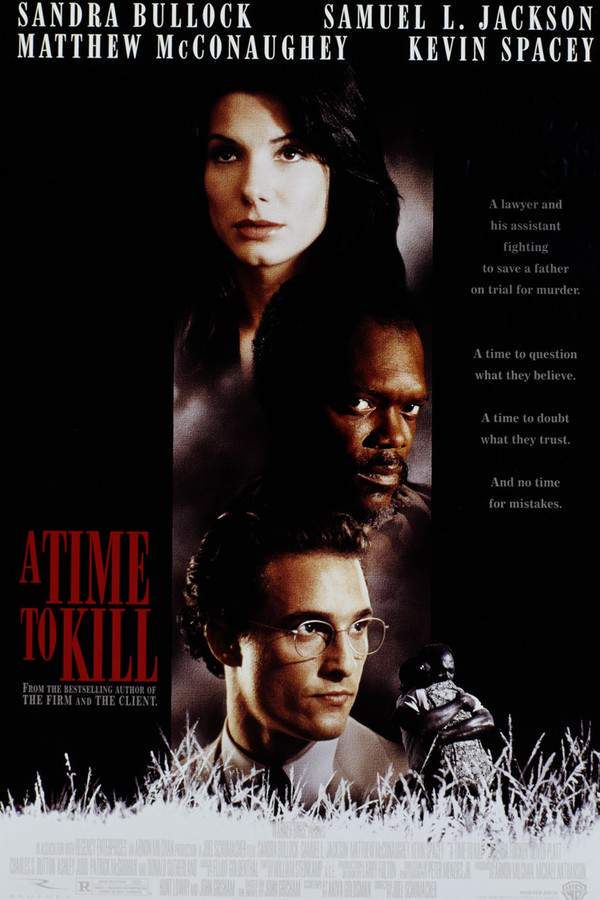
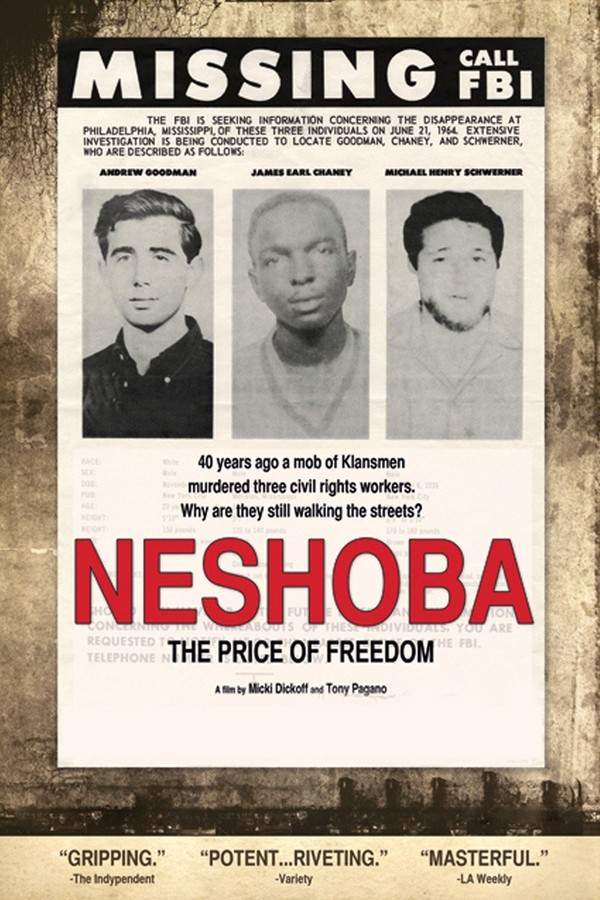
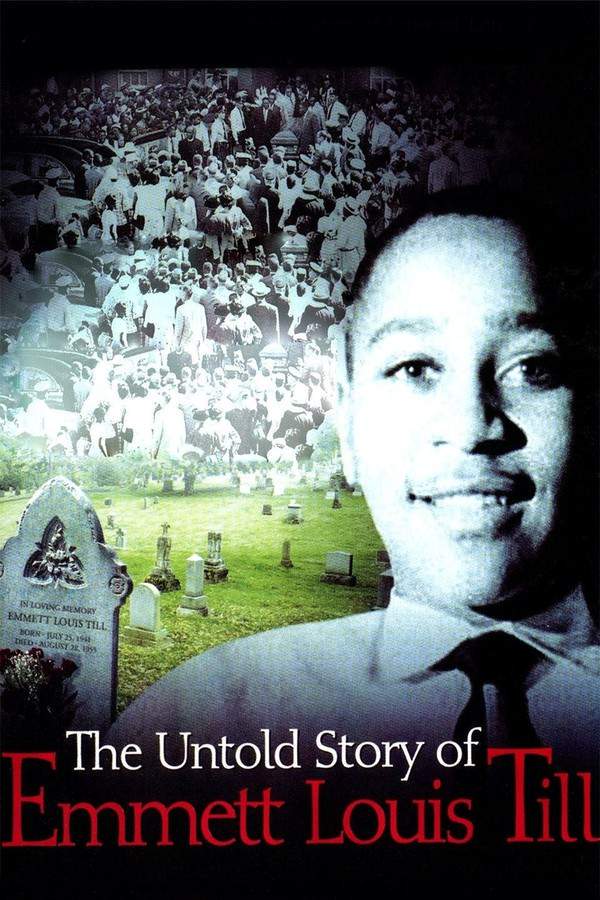
Similar Movies To Till You Should Know About
Browse a curated list of movies similar in genre, tone, characters, or story structure. Discover new titles like the one you're watching, perfect for fans of related plots, vibes, or cinematic styles.




Quick Links: Summary, Cast, Ratings, More

What's After the Movie?
Not sure whether to stay after the credits? Find out!
Check out our other apps:

SAT Sphere
Build confidence for the Digital SAT.

Mori Atlas
Discover wild places worth protecting.

Luntero
Search smarter for a home in Amsterdam.

Plot Explained
Unravel movie endings and hidden clues.

Pokechamp
Dive into Pokémon data and battle logic.

Driving Theory
Get ready for your European theory test.

Movie Dust
Plan your next cinema trip with ease.

Musemap
Find art and culture as you travel.

Selkobase
Compare credentials before committing.

Local Manual
Turn an unfamiliar country into practical next steps.

Lernavi
Compare school systems before your next move.

GymRoam
Find a workout stop wherever your plans take you.
Explore Our Movie Platform
New Movie Releases (2026)
Famous Movie Actors
Top Film Production Studios
Movie Plot Summaries & Endings
Major Movie Awards & Winners
Best Concert Films & Music Documentaries
Movie Collections and Curated Lists
© 2026 What's After the Movie. All rights reserved.
Privacy Policy