Selma, Lord, Selma 1999


Set in 1965 Alabama, an eleven‑year‑old girl is inspired by a speech from Martin Luther King Jr. and becomes a committed follower of his message. Her determination is put to the test when she joins the crowds marching from Selma to Montgomery, a pivotal moment in the civil‑rights struggle.

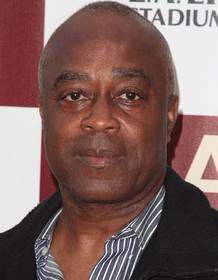
Does Selma, Lord, Selma have end credit scenes?
No!
Selma, Lord, Selma does not have end credit scenes. You can leave when the credits roll.
Meet the Full Cast and Actors of Selma, Lord, Selma
Explore the complete cast of Selma, Lord, Selma, including both lead and supporting actors. Learn who plays each character, discover their past roles and achievements, and find out what makes this ensemble cast stand out in the world of film and television.
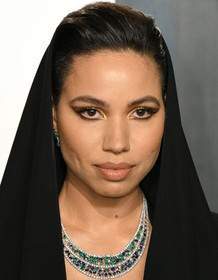
Jurnee Smollett
Sheyann Webb

Afemo Omilami
John Webb
Margo Moorer
Alice West
Brett Rice
Sheriff Pots
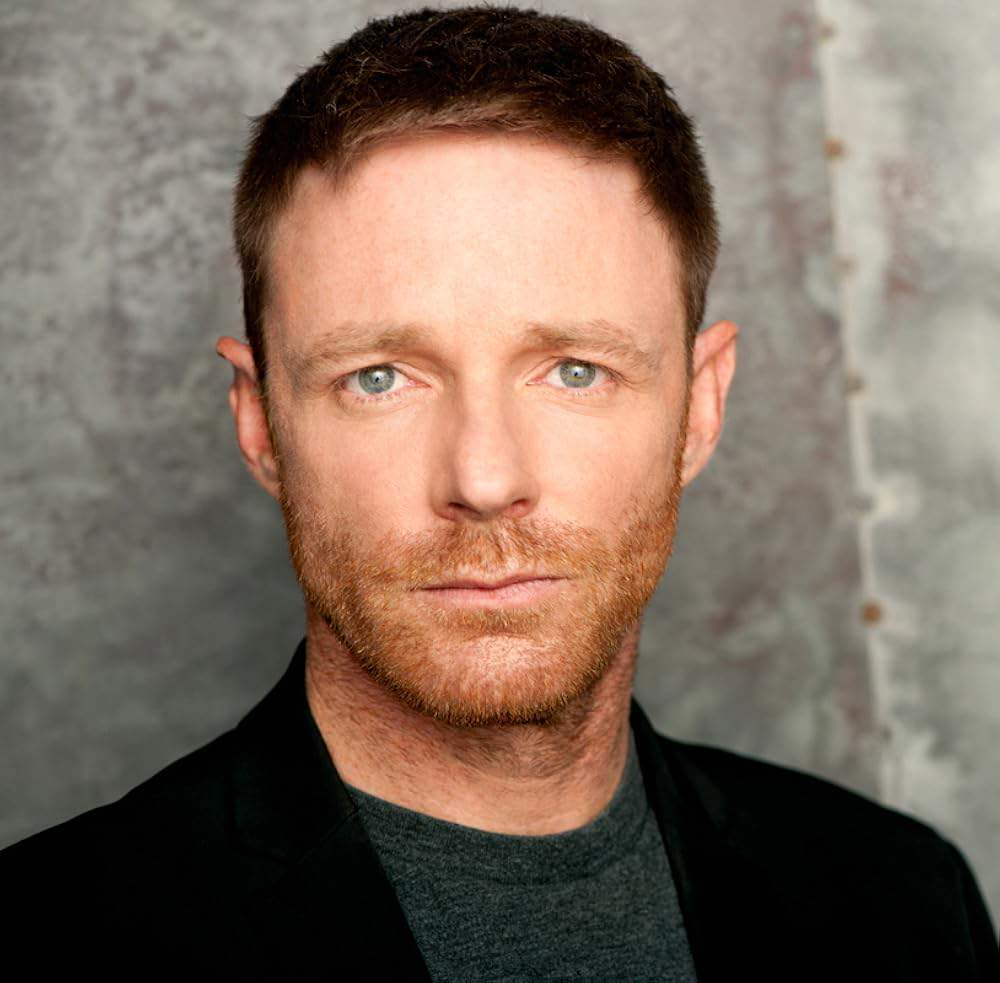
Mackenzie Astin
Jonathan Daniels
L. Warren Young
Hosea Williams
Clifton Powell
Martin Luther King Jr
Ella Joyce
Betty Webb
Elizabeth Omilami
Amelia Boynton
Faruq Tauheed
Willie
Leland L. Jones
Rev. Albert Brock
Yolanda King
Miss Bright
Bob Banks
Reverend Reese
Faye Yvette McQueen
Protester
External Links and Streaming Options
Discover where to watch Selma, Lord, Selma online, including streaming platforms, rental options, and official sources. Compare reviews, ratings, and in-depth movie information across sites like IMDb, TMDb, Wikipedia or Rotten Tomatoes.





Take the Ultimate Selma, Lord, Selma Movie Quiz
Challenge your knowledge of Selma, Lord, Selma with this fun and interactive movie quiz. Test yourself on key plot points, iconic characters, hidden details, and memorable moments to see how well you really know the film.
Selma, Lord, Selma (1999) Quiz: Test your knowledge of the 1999 film Selma, Lord, Selma, which follows a young girl's journey into the civil‑rights movement in Selma, Alabama.
What is the name of the curious young girl who becomes involved in the civil‑rights movement?
Full Plot Summary and Ending Explained for Selma, Lord, Selma
Read the complete plot summary of Selma, Lord, Selma, including all major events, twists, and the full ending explained in detail. Explore key characters, themes, hidden meanings, and everything you need to understand the story from beginning to end.
Sheyann Webb, Jurnee Smollett, is a curious young girl in Selma, Alabama, who one afternoon, while playing outside with friends, spots Dr. Martin Luther King Jr entering Brown Chapel AME Church, signaling his arrival to help secure voting rights for Black citizens. Sheyann impulsively skips school to sneak into a meeting, where she meets the eloquent leader. He even reads a report she wrote about him and, impressed by her perspective, invites her to sing at a later meeting that night. The moment marks the beginning of a life-changing encounter with a movement that will shape her understanding of courage, courage that will come to define her growing sense of purpose.
After school, Sheyann and her friend Rachel meet a pastor named Jonathan Daniels, Mackenzie Astin, who is staying with Rachel’s family to help Dr. King. The local minister Father Whitaker warns him about the dangers ahead, but Sheyann’s mother, Alice West, scolds her for skipping school and then allows her to attend the gathering where she introduces Rachel to Dr. King. He imparts a simple, powerful lesson: when asked, “Children, what do you want?” their answer should be “Freedom.” Sheyann then sings Ain’t Gonna Let Nobody Turn Me Around. After the visit, her mother tells her father about her interest in the movement, a development that makes him uneasy.
The next day, Sheyann again skips school to march, and the group discovers a cross burned down—Jonathan Daniels witnessed the Ku Klux Klan carrying out the act, but they can’t report them to the police since there are no active clans in the area. Dr. King prays before they start marching to the courthouse to register, where they are harassed by the sheriff, and he tells Sheyann to leave while arresting everyone else. When Sheyann returns to school, she convinces her teacher to begin teaching about freedom and mobilizes the rest of the school to join the marches as well. After Jonathan is released from jail, he, Jimmie Lee Jackson, and his friend Willie begin going around town to recruit more people to march.
Jonathan tries to persuade Sheyann’s dad, John Webb, Afemo Omilami, to join the movement, but he refuses after Sheyann’s older sister is arrested and sent up north. When Dr. King is released from jail, he proclaims, “We’re not going to take it anymore.” Later that night, tragedy strikes as Jimmie Lee is killed by troopers while trying to save his grandfather from a beating, and Dr. King holds a funeral for him.
Sheyann fears she might die during the marches, but her mother comforts her and reminds her to stay brave. To honor Jimmie Lee’s death, Jonathan organizes a march to Montgomery to present a petition to Governor Wallace protesting the unfair treatment of Black people. On Sunday, March 7, 1965, a day that becomes known as Bloody Sunday, Sheyann and the other marchers cross the Edmund Pettus Bridge en route to Montgomery and are attacked by police. Sheyann is traumatized, but Jonathan manages to get her home safely and her parents steady her resolve.
The next day in church, some marchers are hurt and frightened, yet Sheyann’s singing lifts their spirits. When President Lyndon B. Johnson announces the Voting Rights Bill, Dr. King and the other marchers vow to keep going, while Jonathan and Willie leave for Hayneville to recruit more people and are arrested for putting up signs.
Jonathan is eventually released, but the violence surrounding the movement continues to shape the community. On August 6, 1965, the President signs the Voting Rights Act into law. Sheyann later directs a youth program for children of all races in Montgomery, helping to sustain the legacy of the movement. The story notes that Rachel’s brother becomes a two-term City Councilman, and each year, on the third Sunday in February, a memorial service is held in Marion for Jimmie Lee. In 1994, the Episcopal Church canonizes Jonathan Daniels, placing him in its Calendar of Saints.

Coming soon on iOS and Android
The Plot Explained Mobile App
From blockbusters to hidden gems — dive into movie stories anytime, anywhere. Save your favorites, discover plots faster, and never miss a twist again.
Sign up to be the first to know when we launch. Your email stays private — always.
Explore the mobile appWatch Trailers, Clips & Behind-the-Scenes for Selma, Lord, Selma
Watch official trailers, exclusive clips, cast interviews, and behind-the-scenes footage from Selma, Lord, Selma. Dive deeper into the making of the film, its standout moments, and key production insights.
Selma, Lord, Selma Themes and Keywords
Discover the central themes, ideas, and keywords that define the movie’s story, tone, and message. Analyze the film’s deeper meanings, genre influences, and recurring concepts.

Unlock the World of Movies with Our Comprehensive Wiki
Dive into our Movie Wiki for in-depth film encyclopedia entries, including cast biographies, production trivia, plot synopses, behind-the-scenes facts, and thematic analyses. Whether you’re researching iconic directors, exploring genre histories, or discovering hidden easter eggs, our expertly curated movie database has everything you need to fuel your cinematic passion.

Similar Movies To Selma, Lord, Selma You Should Know About
Browse a curated list of movies similar in genre, tone, characters, or story structure. Discover new titles like the one you're watching, perfect for fans of related plots, vibes, or cinematic styles.





Quick Links: Summary, Cast, Ratings, More

What's After the Movie?
Not sure whether to stay after the credits? Find out!
Check out our other apps:

SAT Sphere
Build confidence for the Digital SAT.

Mori Atlas
Discover wild places worth protecting.

Luntero
Search smarter for a home in Amsterdam.

Plot Explained
Unravel movie endings and hidden clues.

Pokechamp
Dive into Pokémon data and battle logic.

Driving Theory
Get ready for your European theory test.

Movie Dust
Plan your next cinema trip with ease.

Musemap
Find art and culture as you travel.

Selkobase
Compare credentials before committing.

Local Manual
Turn an unfamiliar country into practical next steps.

Lernavi
Compare school systems before your next move.

GymRoam
Find a workout stop wherever your plans take you.
Explore Our Movie Platform
New Movie Releases (2026)
Famous Movie Actors
Top Film Production Studios
Movie Plot Summaries & Endings
Major Movie Awards & Winners
Best Concert Films & Music Documentaries
Movie Collections and Curated Lists
© 2026 What's After the Movie. All rights reserved.
Privacy Policy