
Selma, Lord, Selma 1999

Directed by
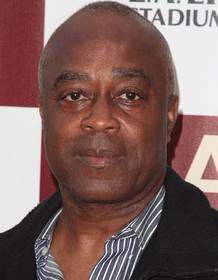
Charles Burnett
Made by

Walt Disney Television
Selma, Lord, Selma Plot Summary
Read the complete plot summary and ending explained for Selma, Lord, Selma (1999). From turning points to emotional moments, uncover what really happened and why it matters.
Sheyann Webb, Jurnee Smollett, is a curious young girl in Selma, Alabama, who one afternoon, while playing outside with friends, spots Dr. Martin Luther King Jr entering Brown Chapel AME Church, signaling his arrival to help secure voting rights for Black citizens. Sheyann impulsively skips school to sneak into a meeting, where she meets the eloquent leader. He even reads a report she wrote about him and, impressed by her perspective, invites her to sing at a later meeting that night. The moment marks the beginning of a life-changing encounter with a movement that will shape her understanding of courage, courage that will come to define her growing sense of purpose.
After school, Sheyann and her friend Rachel meet a pastor named Jonathan Daniels, Mackenzie Astin, who is staying with Rachel’s family to help Dr. King. The local minister Father Whitaker warns him about the dangers ahead, but Sheyann’s mother, Alice West, scolds her for skipping school and then allows her to attend the gathering where she introduces Rachel to Dr. King. He imparts a simple, powerful lesson: when asked, “Children, what do you want?” their answer should be “Freedom.” Sheyann then sings Ain’t Gonna Let Nobody Turn Me Around. After the visit, her mother tells her father about her interest in the movement, a development that makes him uneasy.
The next day, Sheyann again skips school to march, and the group discovers a cross burned down—Jonathan Daniels witnessed the Ku Klux Klan carrying out the act, but they can’t report them to the police since there are no active clans in the area. Dr. King prays before they start marching to the courthouse to register, where they are harassed by the sheriff, and he tells Sheyann to leave while arresting everyone else. When Sheyann returns to school, she convinces her teacher to begin teaching about freedom and mobilizes the rest of the school to join the marches as well. After Jonathan is released from jail, he, Jimmie Lee Jackson, and his friend Willie begin going around town to recruit more people to march.
Jonathan tries to persuade Sheyann’s dad, John Webb, Afemo Omilami, to join the movement, but he refuses after Sheyann’s older sister is arrested and sent up north. When Dr. King is released from jail, he proclaims, “We’re not going to take it anymore.” Later that night, tragedy strikes as Jimmie Lee is killed by troopers while trying to save his grandfather from a beating, and Dr. King holds a funeral for him.
Sheyann fears she might die during the marches, but her mother comforts her and reminds her to stay brave. To honor Jimmie Lee’s death, Jonathan organizes a march to Montgomery to present a petition to Governor Wallace protesting the unfair treatment of Black people. On Sunday, March 7, 1965, a day that becomes known as Bloody Sunday, Sheyann and the other marchers cross the Edmund Pettus Bridge en route to Montgomery and are attacked by police. Sheyann is traumatized, but Jonathan manages to get her home safely and her parents steady her resolve.
The next day in church, some marchers are hurt and frightened, yet Sheyann’s singing lifts their spirits. When President Lyndon B. Johnson announces the Voting Rights Bill, Dr. King and the other marchers vow to keep going, while Jonathan and Willie leave for Hayneville to recruit more people and are arrested for putting up signs.
Jonathan is eventually released, but the violence surrounding the movement continues to shape the community. On August 6, 1965, the President signs the Voting Rights Act into law. Sheyann later directs a youth program for children of all races in Montgomery, helping to sustain the legacy of the movement. The story notes that Rachel’s brother becomes a two-term City Councilman, and each year, on the third Sunday in February, a memorial service is held in Marion for Jimmie Lee. In 1994, the Episcopal Church canonizes Jonathan Daniels, placing him in its Calendar of Saints.
Selma, Lord, Selma Timeline
Follow the complete movie timeline of Selma, Lord, Selma (1999) with every major event in chronological order. Great for understanding complex plots and story progression.
King visits Selma and meets Sheyann
Dr. Martin Luther King Jr. arrives in Selma and enters Brown Chapel AME Church, where Sheyann Webb is playing nearby. She watches him lead the movement with calm authority and the crowd's energy. King reads a report Sheyann wrote about him and invites her to sing at a later meeting.
Sheyann skips school to attend a meeting
After school Sheyann and Rachel sneak into a meeting where King reads her report aloud and seems impressed. He asks her to perform again that night, boosting her confidence in the movement. She meets King face-to-face for the first time.
Jonathan Daniels arrives to aid the movement
Pastor Jonathan Daniels arrives in Selma to help Dr. King and the movement, staying with Rachel’s family. The local minister Father Whitaker warns of the danger ahead. Jonathan becomes a key ally in organizing and supporting the cause.
King’s teaching and Sheyann’s performance
Sheyann’s mother scolds her for skipping school but allows her to participate in the movement. At the meeting, King teaches the children to answer 'Freedom' when asked what they want. Sheyann then sings 'Ain’t Gonna Let Nobody Turn Me Around' for the group, inspiring others and tightening the movement’s momentum.
A cross is burned; fear rises
The next day Sheyann again joins a march and learns that a cross was burned in the night, witnessed by Jonathan. He cannot report the crime to the police because there are no active Ku Klux Klan groups in the area. The act sharpens the sense of danger for the children and their families.
Courthouse march; sheriff arrests the marchers
The march to the courthouse to register faces harassment from the sheriff, who orders Sheyann to leave and arrests everyone else. The event demonstrates the legal and police barriers facing the movement and strengthens resolve to continue. King prays with the group as the arrests unfold.
Sheyann powers school-wide activism
Returning from the courthouse, Sheyann convinces her teacher to teach about freedom, and the rest of the school begins marching too. Jonathan, Jimmie Lee Jackson, and Willie start going around town to recruit more people to join the movement. The movement expands beyond the church and into schools and neighborhoods.
Family divisions over joining the movement
Jonathan tries to persuade Sheyann’s dad to join the movement, but he refuses after Sheyann's sister was arrested and sent north. The family’s fear and concern highlight the personal costs of activism during the era. The strain foreshadows further tough choices ahead.
King speaks out; activism intensifies
After being released from jail, King proclaims that 'We’re not going to take it anymore,' signaling renewed resolve. The movement’s rhetoric and solidarity grow as more people commit to marching and demanding change. The sense of urgency spreads through the community.
Jimmie Lee Jackson dies; funeral held
That night, Jimmie Lee Jackson is killed by troopers while protecting his grandfather from a beating, and Dr. King holds a funeral for him. The death intensifies the movement’s urgency and grief, reminding participants of the costs involved. The community mourns but vows to continue the fight.
March to Montgomery to present a petition
To draw attention to Jimmie Lee’s death and ongoing discrimination, Jonathan organizes a march to Montgomery to present a petition to Governor Wallace. The act widens the protest beyond Selma and raises the stakes for state authorities. Supporters prepare for a broader confrontation with systemic racism.
Bloody Sunday: crossing the Edmund Pettus Bridge
On March 7, 1965, marchers cross the Edmund Pettus Bridge toward Montgomery and are brutally attacked by police. Sheyann is traumatized by the violence, but Jonathan manages to get her home safely as her parents offer comfort. The televised assault becomes a national turning point in the civil rights movement.
Church service, resolve, and arrests of supporters
The next day in church, some marchers are hurt and frightened, but Sheyann’s singing lifts their spirits. President Johnson announces the Voting Rights Bill, and Dr. King and the movement vow to press on. Jonathan and Willie travel to Hayneville to recruit more marchers and are arrested for putting up signs.
Tragedy and renewed resolve: Jonathan’s death and a new march
Jonathan Daniels is killed by a gas-station clerk who had earlier helped him; Sheyann is heartbroken, yet her father ultimately chooses to march with her. She and Dr. King resume marching toward the Capitol, and the police eventually let them through. The movement endures through personal loss and steadfast leadership.
Voting Rights Act signed; legacy begins
On August 6, 1965, President Lyndon B. Johnson signs the Voting Rights Act into law, delivering a major legislative victory. In Montgomery, Sheyann directs a youth program for children of all races, and Rachel’s brother becomes a two-term City Councilman. Jimmie Lee Jackson is memorialized annually in Marion, and in 1994 Jonathan Daniels is canonized by the Episcopal Church.
Selma, Lord, Selma Characters
Explore all characters from Selma, Lord, Selma (1999). Get detailed profiles with their roles, arcs, and key relationships explained.
Sheyann Webb (Jurnee Smollett)
An inquisitive young girl who becomes an eager participant in the movement. Sheyann witnesses Dr. King and the organizing meetings, and she learns to articulate the demand for freedom and rights. Her courage grows as she skips school to march, helps at school, and finds her voice through song.
Jonathan Daniels (Mackenzie Astin)
A young civil rights volunteer who joins local organizers to broaden participation. He helps mobilize communities, works with youth, and risks his safety for the cause. He is eventually killed in the movement, a martyr-like figure who embodies the cost of justice.
Martin Luther King Jr. (Clifton Powell)
The renowned civil rights leader guiding the movement with nonviolent principles. He inspires communities to act peacefully, while demanding freedom and equality. His leadership and faith anchor the marches and the collective resolve that culminates in sweeping change.
Betty Webb (Ella Joyce)
Sheyann's mother, a protective and supportive figure who worries about the dangers of marching but encourages learning and action. She emphasizes family responsibility and moral courage in the face of social upheaval. Her steadiness helps anchor the girl's involvement in the movement.
Amelia Boynton (Elizabeth Omilami)
A veteran organizer who supports voter registration and mobilization efforts. She stands with demonstrators, helping to coordinate community actions and sustain momentum. Her leadership embodies the long arc of the movement beyond one single event.
Willie (Faruq Tauheed)
A young participant who joins marches and study groups, representing the involvement of youth in the movement. Willie helps spread the message of equality and supports the community during demonstrations. His presence underlines the intergenerational hope driving the campaign.
Rev. Albert Brock (Leland L. Jones)
A church leader who lends spiritual support and organizational help to the marchers. He mediates community concerns and reinforces nonviolent tactics within the movement. His role highlights the church's central place in civil rights organizing.
Miss Bright (Yolanda King)
A teacher or community member who participates in the classroom and school-based aspects of the movement’s education drive. She reinforces the idea that schools and youth can be engines of social change. Her presence ties everyday learning to the broader struggle for rights.
Reverend Reese (Bob Banks)
A local pastor who supports nonviolent protest and helps organize faith-based participation. He offers guidance and endurance for marchers facing police pressure and violence. His involvement shows how faith communities mobilize for justice.
Protester (Faye Yvette McQueen)
A demonstrator who stands with others in the marches, contributing to the visible, collective push for rights. She embodies the resolve of ordinary people who join the movement despite risks. Her participation adds to the film's portrait of mass, peaceful protest.
Selma, Lord, Selma Settings
Learn where and when Selma, Lord, Selma (1999) takes place. Explore the film’s settings, era, and how they shape the narrative.
Time period
1965
In 1965, the civil rights movement reached a turning point in Selma as activists organized marches for voting rights. The events include the Bloody Sunday march and the subsequent push that led to the Voting Rights Act. The period blends hope, fear, and unwavering resolve among families and communities.
Location
Selma, Alabama
Selma, Alabama is the central setting, a Southern town at the heart of the 1965 civil rights movement. The community centers around Brown Chapel AME Church and the courthouse where voting-rights battles unfold. The city becomes a stage for peaceful protest met with intimidation and violence as residents push for equality.
Selma, Lord, Selma Themes
Discover the main themes in Selma, Lord, Selma (1999). Analyze the deeper meanings, emotional layers, and social commentary behind the film.
✊
Courage
Young participants like Sheyann show courage by engaging with leaders and marching despite danger. The film highlights everyday bravery—singing, speaking up, and supporting others—that fuels a broader movement. Courage is portrayed as collective, sparked by example and solidarity.
🗳️
Voting Rights
The core drive is equal participation in democracy and access to the ballot. The story traces peaceful, nonviolent strategies to desegregate elections and end disenfranchisement. It also shows the personal costs of this fight and the strength of those who persevere.
🤝
Unity
The movement brings together people of different ages, races, and backgrounds in a common cause. Families, teachers, church leaders, and students rally around a shared goal, demonstrating that collective effort can drive national change. Unity is presented as both a practical strategy and a moral imperative.

Coming soon on iOS and Android
The Plot Explained Mobile App
From blockbusters to hidden gems — dive into movie stories anytime, anywhere. Save your favorites, discover plots faster, and never miss a twist again.
Sign up to be the first to know when we launch. Your email stays private — always.
Explore the mobile appSelma, Lord, Selma Spoiler-Free Summary
Discover the spoiler-free summary of Selma, Lord, Selma (1999). Get a concise overview without any spoilers.
In the sweltering summer of 1965 Alabama, a small town brims with the quiet urgency of a people yearning for change. The streets of Selma echo with church hymns, whispered conversations, and the restless stirrings of a community caught between entrenched traditions and the promise of a new future. Sunlit porches and modest homes provide a backdrop for a story that feels both intimate and universal, layering the everyday rhythms of childhood with the larger, pulsing heartbeat of the civil‑rights movement.
At the center of this world is Sheyann Webb, an inquisitive eleven‑year‑old whose curiosity leads her to a chance encounter that will reshape her understanding of courage. When the charismatic voice of Dr. Martin Luther King Jr. arrives at the local Brown Chapel AME Church, Sheyann’s instinct drives her to slip away from school and listen, sparking a connection that feels both immediate and profound. The film captures her youthful wonder, the way a single speech can ignite a lifelong commitment, and the tender moments of mentorship that blossom in the shadows of a church sanctuary.
Sheyann’s circle expands quickly: her steadfast friend Rachel, the compassionate pastor Jonathan Daniels who has come to assist the movement, and her family—mother Alice West and father John Webb—each embody different facets of hope, concern, and resolve. Their interactions are painted with a tone that balances earnest optimism with the undercurrent of tension that permeates the era. As school days blend with gatherings and whispered plans, the community’s resolve begins to coalesce, hinting at a collective step forward that will test the limits of faith and bravery.
Through lyrical cinematography and a reverent yet lively soundtrack, the film invites viewers to feel the weight of history while staying rooted in the innocence of a child’s perspective. It promises a journey filled with melodic chants, earnest discussions about freedom, and the quiet strength that arises when ordinary lives intersect with extraordinary purpose—setting the stage for a poignant exploration of what it means to stand up, even when the path ahead is uncertain.
Movies with Similar Twists and Themes
Uncover films that echo the narrative beats, emotional arcs, or dramatic twists of the one you're exploring. These recommendations are handpicked based on story depth, thematic resonance, and spoiler-worthy moments — perfect for fans who crave more of the same intrigue.
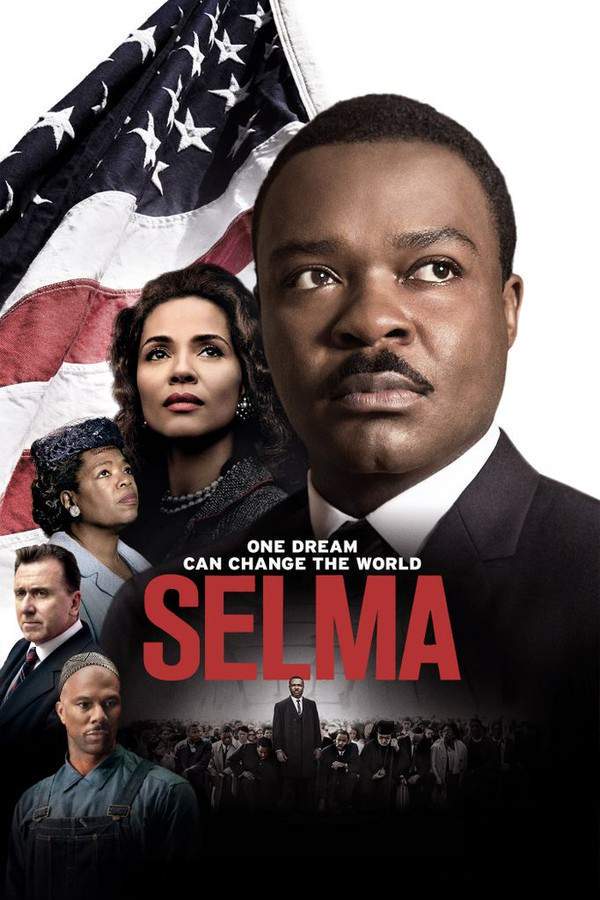
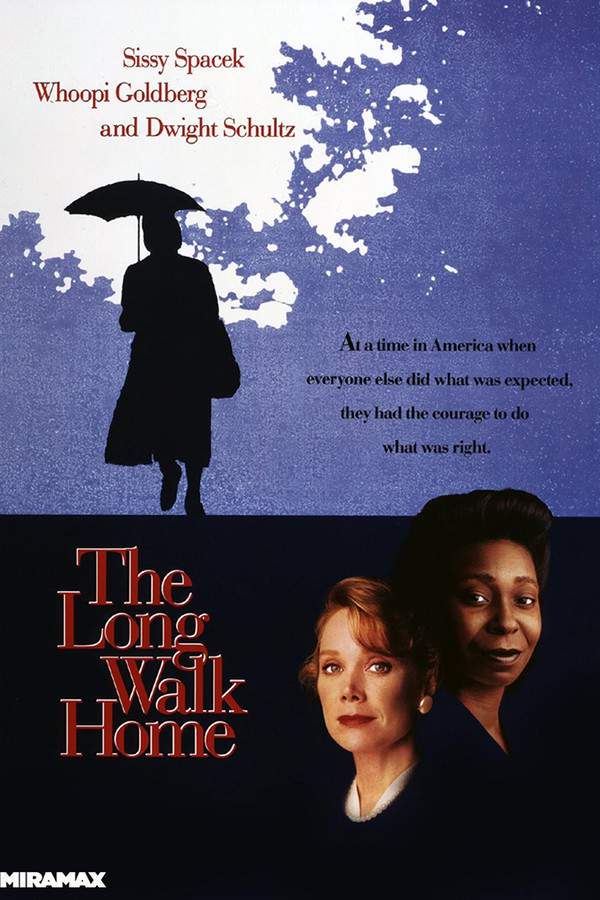
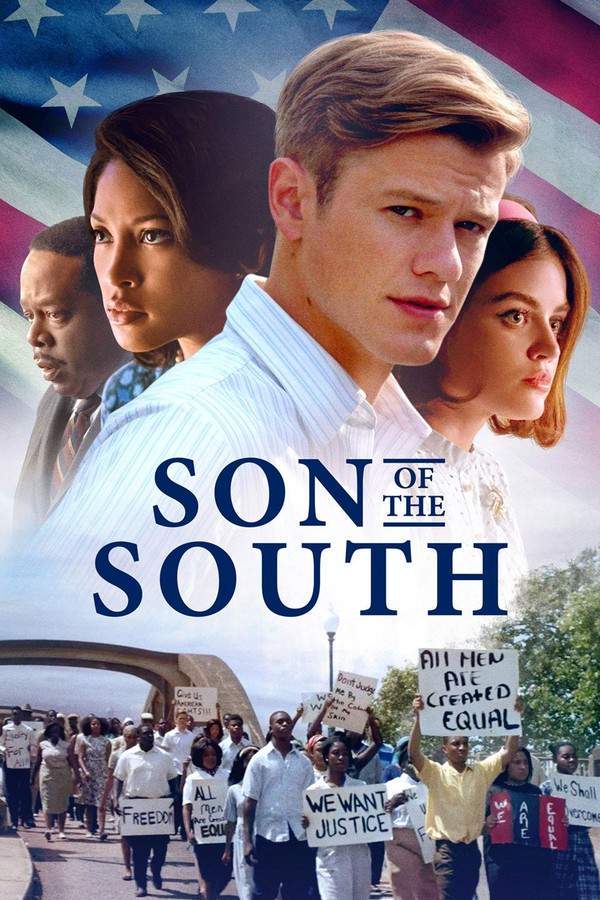


Featured on this page

What's After the Movie?
Not sure whether to stay after the credits? Find out!
Check out our other apps:

SAT Sphere
Build confidence for the Digital SAT.

Mori Atlas
Discover wild places worth protecting.

Luntero
Search smarter for a home in Amsterdam.

Plot Explained
Unravel movie endings and hidden clues.

Pokechamp
Dive into Pokémon data and battle logic.

Driving Theory
Get ready for your European theory test.

Movie Dust
Plan your next cinema trip with ease.

Musemap
Find art and culture as you travel.

Selkobase
Compare credentials before committing.

Local Manual
Turn an unfamiliar country into practical next steps.

Lernavi
Compare school systems before your next move.

GymRoam
Find a workout stop wherever your plans take you.
Explore Our Movie Platform
New Movie Releases (2026)
Famous Movie Actors
Top Film Production Studios
Movie Plot Summaries & Endings
Major Movie Awards & Winners
Best Concert Films & Music Documentaries
Movie Collections and Curated Lists
© 2026 What's After the Movie. All rights reserved.
Privacy Policy