
Freedom Song 2000

Directed by
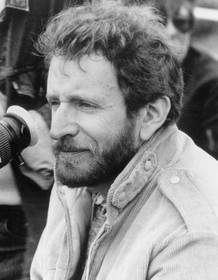
Phil Alden Robinson
Made by

Turner Films
Freedom Song Plot Summary
Read the complete plot summary and ending explained for Freedom Song (2000). From turning points to emotional moments, uncover what really happened and why it matters.
Freedom Song unfolds through flashbacks told by Owen Walker, a high school student in Quinlan, Mississippi, in the early 1960s. Growing up in a secluded Black community, Owen moves through a world largely unaware of the white power that still quietly rears its head in his town until a forceful encounter at a local bus station opens his eyes. While five-year-old Owen wanders into the “Whites Only” diner, his father, Will Walker, is dragged into a painful moment as white diner attendants compel him to spank his son in public. That act of public humiliation leaves a deep scar on their relationship, and Will’s later memory of saying, “someday you’ll be eating at this counter,” echoes with a haunting mix of pride and warning.
someday you’ll be eating at this counter
Will Walker had been a civil rights activist in the late 1940s. After returning from World War II, where he fought for freedom abroad, he brings that fighting spirit home and works to register African Americans to vote in order to challenge the town’s racist sheriff. Will’s organizing draws violent resistance from white supremacists. One night, when Will, his wife, and their young son are asleep, Klansmen shoot at their house. The family survives, but the town retaliates by boycotting Will’s store and driving him out of business. This chapter leaves Will with a lingering belief that pursuing equality can be dangerous and sometimes futile, a weight he passes on to Owen.
As Owen grows, he becomes restless under the weight of injustice and the quiet fear that surrounds his family. He is inspired by the Freedom Riders he sees in the news and on television, and when a SNCC organizer arrives in Quinlan from Chicago, the community looks to take action. The organizer, Mr. Wall (played by Vondie Curtis-Hall), arrives to help African Americans register to vote. Owen’s peers begin the slow, steady work of teaching eligible voters to pass the literacy tests and to register, facing stubborn resistance from white city officials who still control access and opportunity. The movement gains momentum as Owen joins alongside his friends and the SNCC organizers in a determined push for change, fueled by the belief that their voices and votes can redefine their town’s future.
The pushback from white sides of Quinlan intensifies. A downtown verbal clash escalates into tragedy when an older, respected Black man is shot and killed, and the weight of that loss presses on Wall and the other organizers, who feel responsible for stirring up a volatile climate. In response, the movement shifts to organized sit-ins at all-white establishments across the community. Protesters are arrested multiple times, and the toll is heavy: Owen, Wall, and Isaac Hawkins—Isaac Hawkins—are sentenced to four months in county jail. From behind bars, they find solidarity in the arrival of comrades from New Orleans who come to Quinlan to stand with them in their cause. The shared commitment strengthens their resolve and keeps the movement alive.
When Owen and his fellow organizers are released, a sweeping change arrives: segregation begins to crumble, and meaningful steps toward equality become the law of the land. The long arc of struggle culminates in a moment of reconciliation and hope as Owen is finally able to share a meal with his father and to sit alongside him at what was once the “Whites Only” counter. The film closes on a note of hard-won progress, showing how collective action, courage, and solidarity can transform a town and honor those who stood up in the face of intimidation and violence.
Freedom Song Timeline
Follow the complete movie timeline of Freedom Song (2000) with every major event in chronological order. Great for understanding complex plots and story progression.
Owen enters the Whites Only diner
As a five-year-old, Owen unknowingly wanders into a Whites Only diner while waiting for the bus. His father, Will, follows and is forced by white attendants to spank his son in public. The humiliating scene exposes the town's racial lines to Owen and leaves a lasting scar on their relationship.
Will Walker's postwar civil rights work
Will Walker returns from World War II with a renewed conviction to fight oppression at home. He begins registering African Americans to vote in an effort to challenge the town's racist sheriff and power structure.
Klansmen attack the Walker home
Klansmen shoot at the Walker house while the family sleeps, a stark warning from white supremacists. The family survives, but the attack triggers a boycott of Will's store by townspeople.
Will is driven out of business
The boycott cripples Will's business, eventually driving him out of the store. He carries a lingering belief that organizing for equality is dangerous, shaping his relationship with Owen.
Owen grows restless and inspired
Growing up, Owen becomes increasingly restless in the face of local injustices. He is inspired by the Freedom Riders he reads about in newspapers and sees on television.
Mr. Wall arrives to organize registration
A SNCC organizer named Mr. Wall arrives from Chicago to help African Americans register to vote. His presence brings new energy and a plan to transform Quinlan's political landscape.
Voter registration work begins
Owen and his peers begin teaching eligible voters to pass literacy tests and register, a practical step in the movement. They face resistance from white city officials, but their work starts to gain momentum.
Backlash and a deadly incident
A verbal altercation downtown escalates into tragedy when an older, respected Black man is shot and killed. The town mourns, and organizers worry about the consequences of stirring up intense hostility.
Strategic sit-ins spark arrests
With strong momentum, organizers begin staging strategic sit-ins at all-white establishments around Quinlan. Protesters are arrested multiple times, signaling both progress and escalating risk.
Leadership faces a four-month jail term
Owen, Mr. Wall, Charlie, and Isaac are sentenced to four months in county jail. While behind bars, they deepen their camaraderie and stay committed to the cause.
Solidarity from New Orleans arrives
From the county jail, comrades from New Orleans arrive to stand in solidarity with the Quinlan organizers. Their presence strengthens resolve and broadens the coalition across regional lines.
Desegregation and reconciliation
After their release, the movement continues until segregation becomes illegal in Quinlan. Owen is able to dine with his father again and reconciles at what was once the Whites Only counter.
Freedom Song Characters
Explore all characters from Freedom Song (2000). Get detailed profiles with their roles, arcs, and key relationships explained.
Owen Walker (Vicellous Shannon)
A high school student who grows up in Quinlan and becomes increasingly restless in the face of injustice. He is inspired by the civil rights movement and joins SNCC efforts to register voters and challenge segregation. The diner incident from his childhood haunts his relationship with his father and fuels his determination to seek lasting change.
Will Walker (Danny Glover)
A WWII veteran and former civil rights organizer who worked to register Black voters and to challenge the town’s racist power structure. His activism costs him his business and brings violence into the home, yet he remains committed to the dream of equality and to guiding his son toward justice.
Evelyn Walker (Loretta Devine)
Will’s wife and a strong maternal figure in Quinlan. She balances fear for her family with resilience and support for the movement, providing emotional grounding as the community faces danger and uncertainty.
Mr. Wall (Daniel Wall) (Vondie Curtis-Hall)
A SNCC organizer who travels from Chicago to Quinlan to assist with voter registration. He brings trained organizing experience and a strategic approach, helping local youth coordinate sit-ins and registration drives while managing the risks posed by white supremacist backlash.
Isaac Hawkins (Jason Weaver)
A fellow youth organizer who works with Owen and Charlie on voter registration. He endures arrests and the strain of a harsh, hostile environment, demonstrating commitment to the cause and solidarity with his peers.
Charlie (Tyrone Franklin) (Tyrone Franklin)
A young organizer and friend of Owen who joins the movement, participates in sit-ins, and faces arrest as part of the community’s push for desegregation. His participation highlights the intergenerational nature of the struggle.
Jonah Summer (John Beasley)
An elder, respected Black man in Quinlan who becomes a symbolic target amid escalating tensions. His death during a confrontation underscores the peril facing the movement and galvanizes the community to persevere for change.
Freedom Song Settings
Learn where and when Freedom Song (2000) takes place. Explore the film’s settings, era, and how they shape the narrative.
Time period
Early 1960s
Set in the early 1960s, the story unfolds during the Jim Crow era in the American South. Segregation laws shape every encounter, from bus stops to stores, and voting rights become a central battleground. The period's danger and hope drive the characters to organize, protest, and demand change.
Location
Quinlan, Mississippi
Quinlan is a fictional town in Mississippi that reflects a segregated Deep South setting. The community is insulated, with whites-only spaces and wary neighbors. The early 1960s atmosphere places the civil rights drive at the heart of daily life, from buses to diners.
Freedom Song Themes
Discover the main themes in Freedom Song (2000). Analyze the deeper meanings, emotional layers, and social commentary behind the film.
✊
Courage and Resistance
Ordinary people risk everything to challenge segregation. Owen and his peers choose courage over fear, taking part in sit-ins and voter registration efforts. The film treats bravery as a collective effort, rooted in community support and strategic action. The price of resistance is high—arrests, threats, and family strain—but change seems possible through persistence.
⚖️
Injustice and Violence
Racist hostility erupts in everyday settings, from bus stations to diners. The cast experiences threats, intimidation, and even fatal violence that underlines the brutality of the system. The movement faces setbacks, including arrests and social boycotts. The depiction emphasizes that oppression is not just a policy, but a lived threat to Black families.
🌅
Hope and Change
Despite danger, the community gathers resilience and solidarity. Hope grows as volunteers gain support and allies from outside the town arrive in solidarity. The movement's efforts culminate in a legal shift that makes discrimination illegal. The story frames progress as a slow, collective win that emerges from persistence, courage, and shared purpose.

Coming soon on iOS and Android
The Plot Explained Mobile App
From blockbusters to hidden gems — dive into movie stories anytime, anywhere. Save your favorites, discover plots faster, and never miss a twist again.
Sign up to be the first to know when we launch. Your email stays private — always.
Explore the mobile appFreedom Song Spoiler-Free Summary
Discover the spoiler-free summary of Freedom Song (2000). Get a concise overview without any spoilers.
In the heat‑stamped summer of 1964, a small Mississippi town sits at the crossroads of history and habit. The lingering shadows of Jim Crow paint every façade, while the national push for voting rights drifts like a distant drumbeat toward the heart of the community. The film captures the slow, stubborn rhythm of a place where every street corner, diner counter, and church pew feels both familiar and fraught, setting a tone that is at once gritty, hopeful, and reverently authentic.
Will Walker is a World War II veteran whose quiet conviction has long seeded a desire for change, while his son Owen Walker navigates the restless teenage years against a backdrop of whispered injustice. Their relationship is a careful balance of pride, caution, and an unspoken promise that the future might look different. Into their world arrives Mr. Wall, a charismatic organizer from the Student Nonviolent Coordinating Committee, whose presence sparks both curiosity and unease among the town’s youth. Alongside him, Isaac Hawkins, a close friend of Owen’s, embodies the blend of optimism and fear that fuels the emerging movement.
Together, the high‑school students form a grassroots coalition, learning to read and fill voter registration forms while confronting the subtle and overt resistance of a community steeped in segregation. Their collective effort is marked by quiet courage, whispered strategies, and the palpable tension of taking bold steps in an environment that discourages them. The story invites the audience to feel the pull of a pivotal moment—where ordinary lives intersect with extraordinary purpose—leaving a sense of anticipation for how these intertwined paths might reshape a town’s future.
Movies with Similar Twists and Themes
Uncover films that echo the narrative beats, emotional arcs, or dramatic twists of the one you're exploring. These recommendations are handpicked based on story depth, thematic resonance, and spoiler-worthy moments — perfect for fans who crave more of the same intrigue.
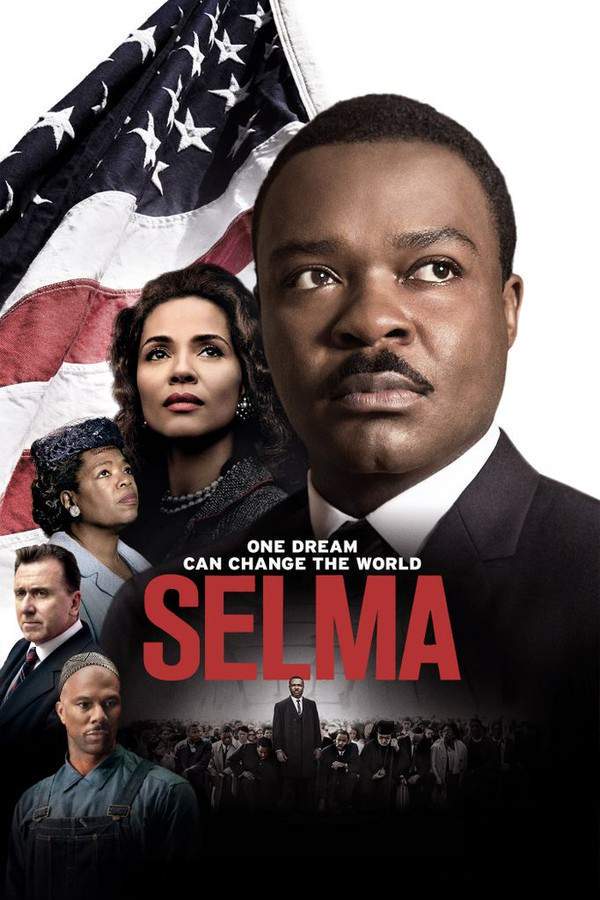
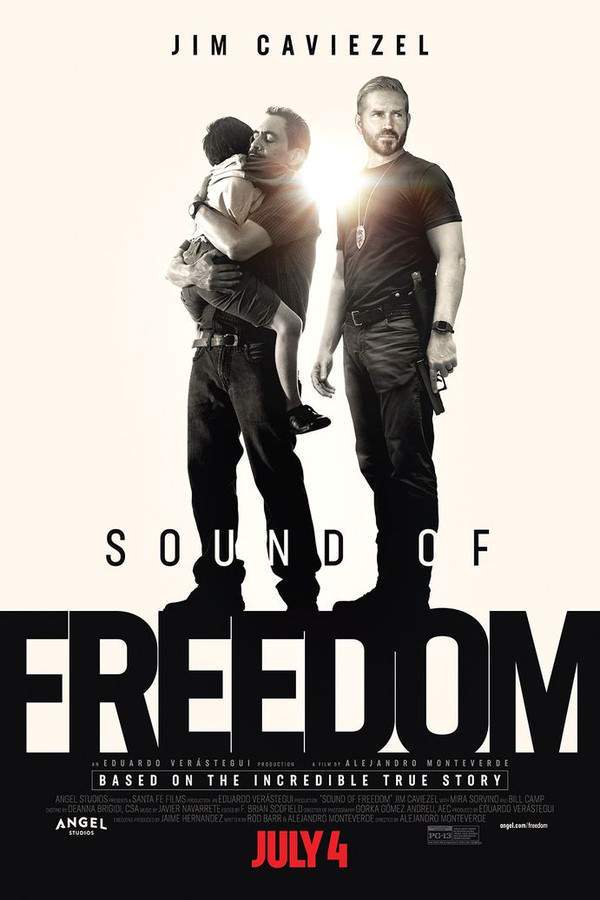
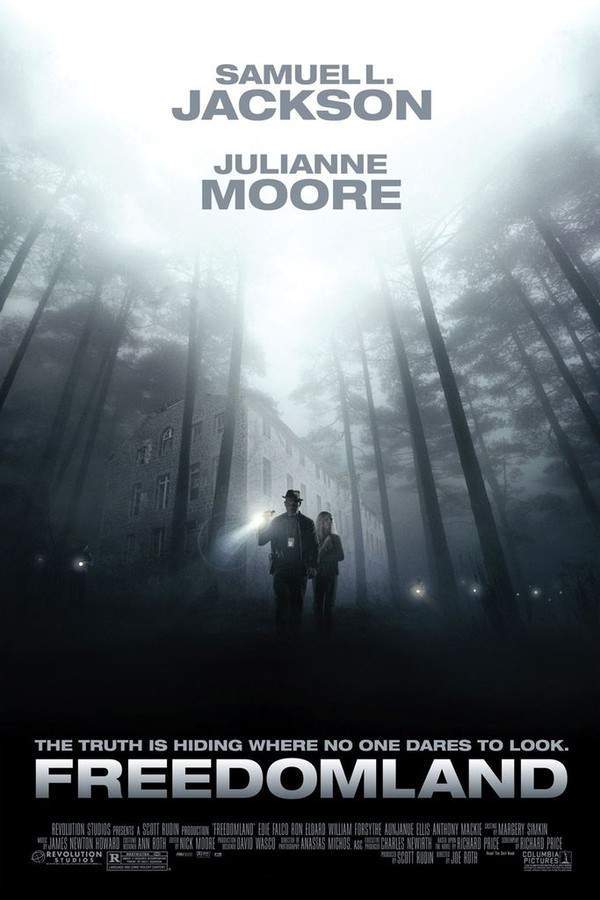
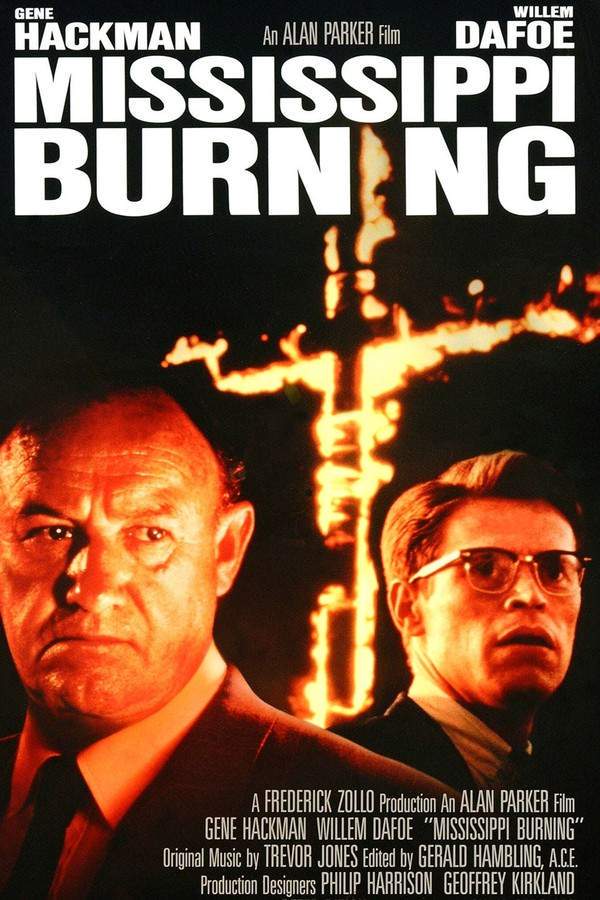
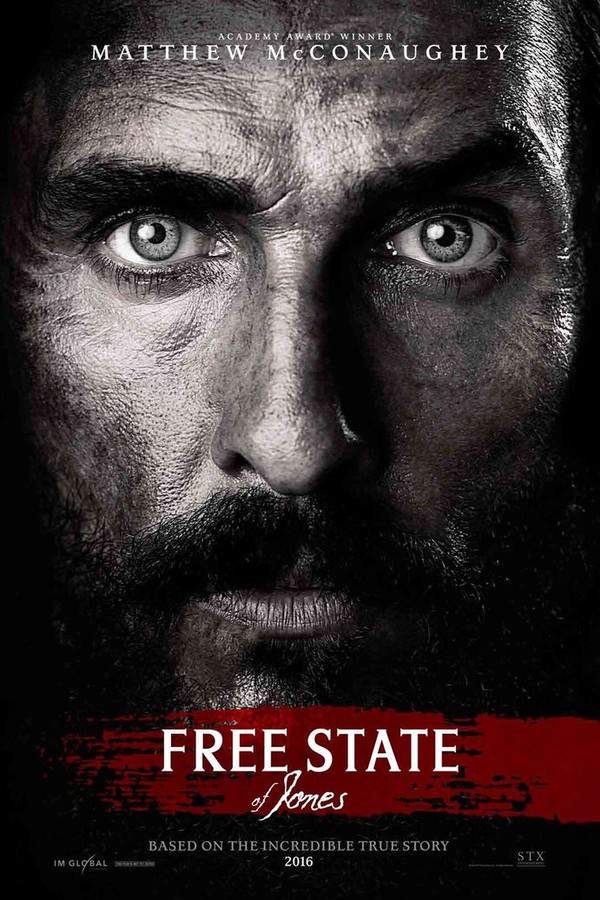
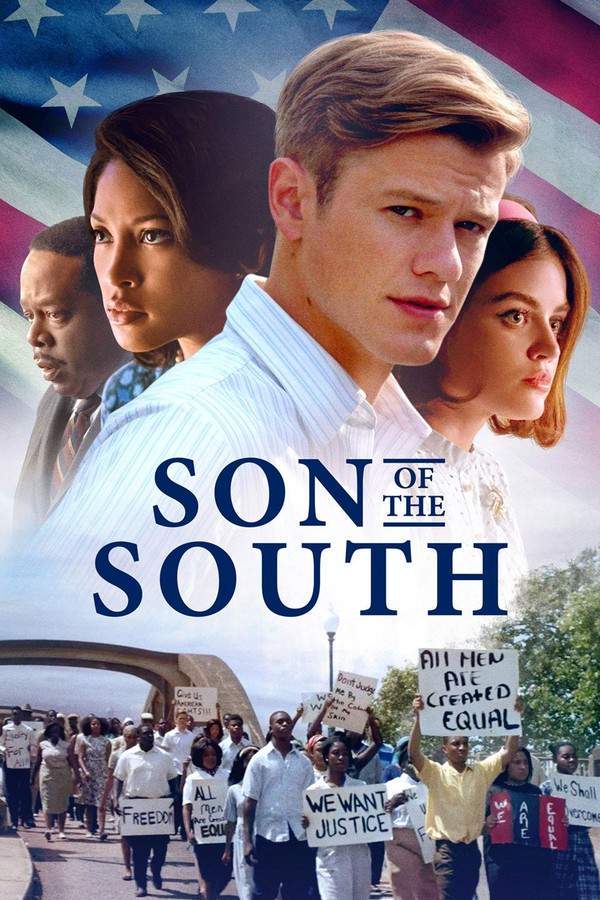


Featured on this page

What's After the Movie?
Not sure whether to stay after the credits? Find out!
Check out our other apps:

SAT Sphere
Build confidence for the Digital SAT.

Mori Atlas
Discover wild places worth protecting.

Luntero
Search smarter for a home in Amsterdam.

Plot Explained
Unravel movie endings and hidden clues.

Pokechamp
Dive into Pokémon data and battle logic.

Driving Theory
Get ready for your European theory test.

Movie Dust
Plan your next cinema trip with ease.

Musemap
Find art and culture as you travel.

Selkobase
Compare credentials before committing.

Local Manual
Turn an unfamiliar country into practical next steps.

Lernavi
Compare school systems before your next move.

GymRoam
Find a workout stop wherever your plans take you.
Explore Our Movie Platform
New Movie Releases (2026)
Famous Movie Actors
Top Film Production Studios
Movie Plot Summaries & Endings
Major Movie Awards & Winners
Best Concert Films & Music Documentaries
Movie Collections and Curated Lists
© 2026 What's After the Movie. All rights reserved.
Privacy Policy