
Crane World (1999): Cast, Ratings & Plot
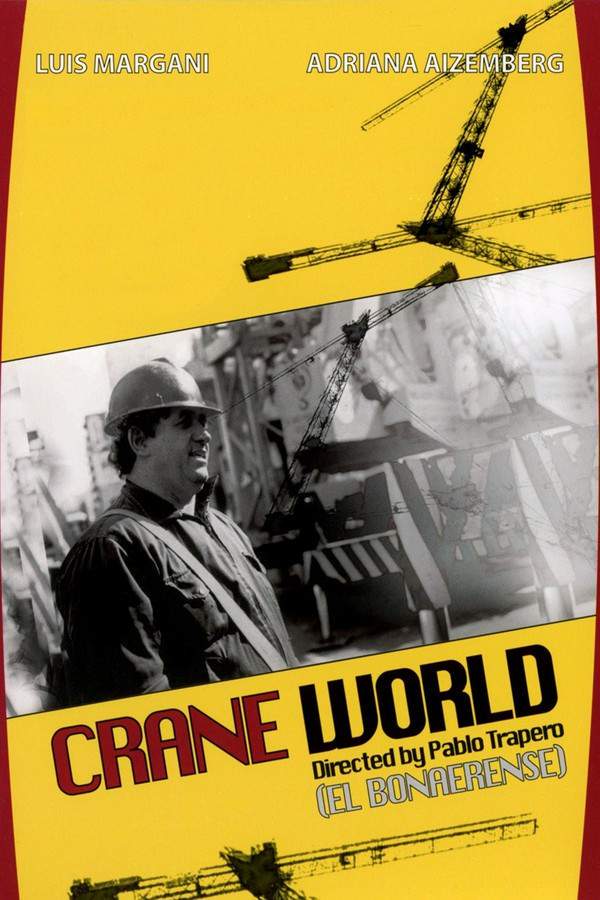
Crane World is a 1999 comedy drama directed by Pablo Trapero, starring Luis Margani, Federico Esquerro and Adriana Aizemberg. It runs 1 hour 30 minutes. Critics gave it 78 on Metacritic, and IMDb users rate it 7.0/10.
- Released
- Runtime
- 1h 30m (90 min)
- Director
- Pablo Trapero
- Original language
-
 Spanish
 - Studio
- Argentina Video Home
- After the credits
- No No extra scene
What Is Crane World About?
The premise of Crane World without spoilers. The whole story is in the plot summary further down.
After fading from the spotlight in the 1970s, Luis Margani finds himself seeking a new direction. He unexpectedly begins a career as a crane operator, a far cry from his former life as a musician. As he learns the ropes of his new profession, he’s forced to reckon with past regrets and search for meaning in this surprising, demanding world, ultimately finding a chance at redemption and a renewed sense of purpose.
Crane World Themes & Keywords
· 7 tags- construction crane
- sandwich
- musician
- independent film
- hoarding
- patagonia
- man
Crane World Cast
Luis Margani leads the cast, with Federico Esquerro and Adriana Aizemberg. Directed by Pablo Trapero; 8 actors are credited in all.
-
 Director Pablo Trapero
Also Starring in Crane World
· 4 moreCrane World Reviews & Ratings
Critics gave Crane World 78 on Metacritic, and IMDb users rate it 7.0/10.
-
 IMDb
IMDb 7.0 /10
See on IMDb -
 Metacritic
 78 Metascore
See on Metacritic -
 TMDB
TMDB 59% User score
See on TMDB
Crane World Plot Summary
What happens in Crane World from start to finish, spoilers included, with a timeline of 12 key events. The opening is below; the full summary is a 3-minute read.
Spoilers ahead
Rulo Federico Esquerro is a middle-aged ex-bass player from the rock band Seventh Regiment who, during Argentina’s harsh Great Depression, scrapes by by taking a crane operator job near his home in Buenos Aires. He quickly grows fond of the quiet, almost meditative calm up high, where the city’s bustle feels distant and the work feels oddly peaceful despite the danger of tall heights. This new blue-collar reality forms a bridge between two halves of his life: the loud, chaotic energy of his former rock-star days and a more restrained, uncertain present that still hums with memory.
Full summary
The whole story of Crane World, scene by scene
Crane World Trailers & Videos
The trailer of Crane World.
How Well Do You Know Crane World?
10 questions about the story, each with a hint if you get stuck. Pick an answer to see whether you were right.
Question 1 of 10
- Question 1: not answered
- Question 2: not answered
- Question 3: not answered
- Question 4: not answered
- Question 5: not answered
- Question 6: not answered
- Question 7: not answered
- Question 8: not answered
- Question 9: not answered
- Question 10: not answered
What was Rulo's occupation before becoming a crane operator?
Cars in Crane World
3 cars on screen, including the 1984 Dodge Caravan and the 1981 Dodge Ram 50.
-
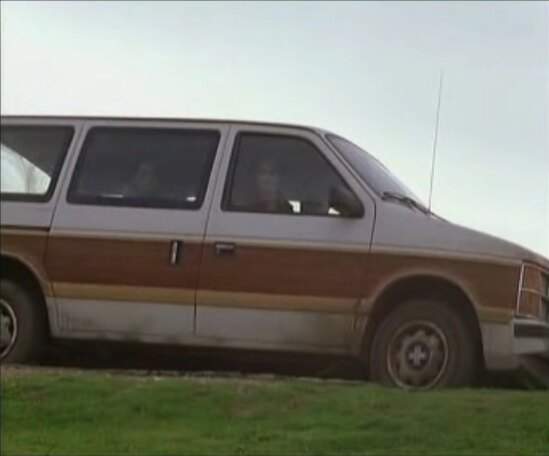 1984 Dodge Caravan Important role
 -
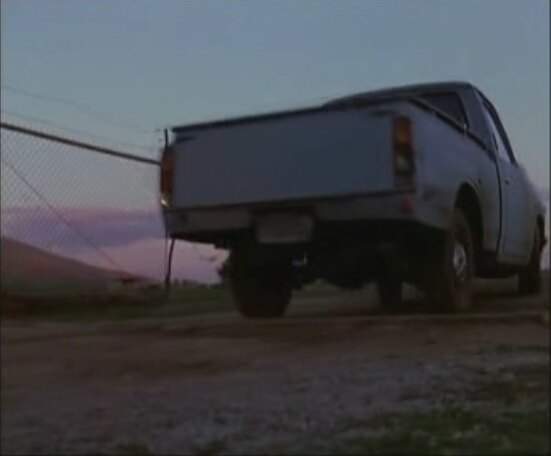 1981 Dodge Ram 50 Important role
 -
 1996 Hummer Minor role
Crane World Also Known As
5 alternative titles, including “起重機人生” and “Mundo grua”.
- Also known as
-
- 起重機人生
- Mundo grua
- 半天吊
- 크레인 월드
- Mundo grúa
Seen Crane World?
Movies Like Crane World
Films with a similar story, tone or audience, including Crater, Birds Flying East and The Cramp.










Crane World FAQ: Cast, Runtime & Release Date
Runtime, release date, director, cast, ratings, post-credit scenes and language of Crane World, each answered in a sentence.
How long is Crane World?
Crane World runs 1 hour 30 minutes (90 minutes).
When was Crane World released?
Crane World was released on September 17, 1999.
Who directed Crane World?
Crane World was directed by Pablo Trapero.
More films by Pablo Trapero Who is in the cast of Crane World?
Crane World stars Luis Margani, Federico Esquerro and Adriana Aizemberg, among 8 credited actors.
How is Crane World rated?
Crane World has 7.0/10 on IMDb, 78 on Metacritic and 59% on TMDB.
Does Crane World have a post-credit scene?
No. Crane World has no extra scene during or after the credits.
What language is Crane World in?
The original language of Crane World is Spanish.
Coming soon to your phone
The Plot Explained Movie Summary App
From blockbusters to hidden gems: plot summaries, endings explained and timelines on your phone. Save your favorites and never miss a twist again.
Be the first to know when it launches. Your email stays private, always. Learn more about the app
