
Batjac Productions Movies: Every Film & Box Office
Batjac Productions has made 11 films from 1955 to 1974, earning $9.21K at the worldwide box office. Its biggest hits are The Alamo (1960) and Blood Alley (1955). Its most frequent director is Andrew V. McLaglen (4 films). Most of its films are drama films (7 of 11).
- films
- 11
- worldwide box office
- $9.21K
- years active
- 1955–1974
- Film languages
- English (11)
- Busiest decade
- The 1950s, 6 films
- Frequent director
- Andrew V. McLaglen
What Are the Latest Batjac Productions Movies?
The studio's most recent releases, newest first, starting with McQ (1974).
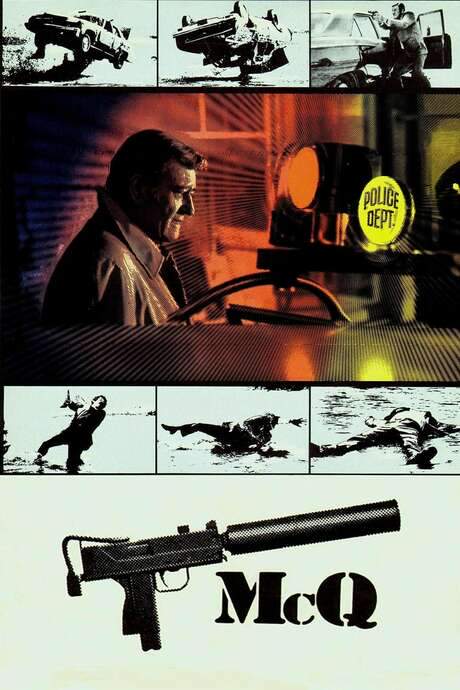

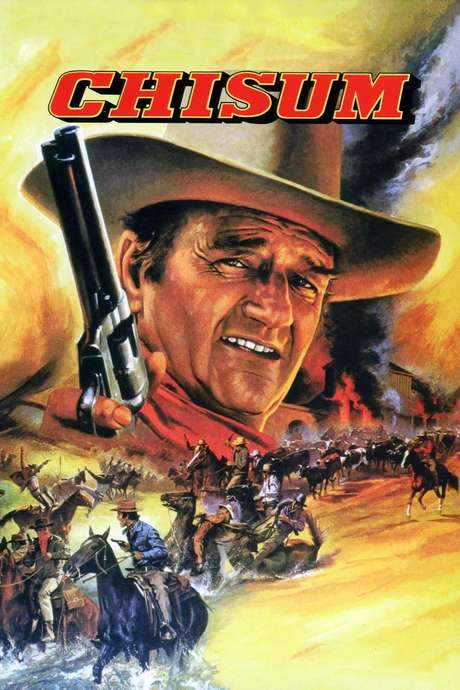


What Kind of Movies Does Batjac Productions Make?
The studio's films by genre, decade and language. Most of its films are drama films (7 of 11). The 1950s were its busiest decade, with 6 films.
Who Works With Batjac Productions the Most?
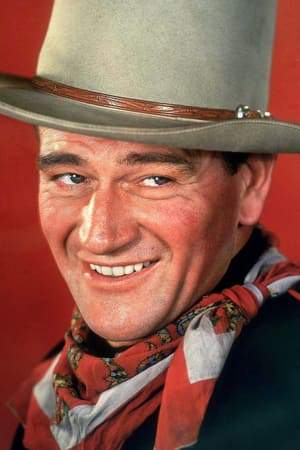
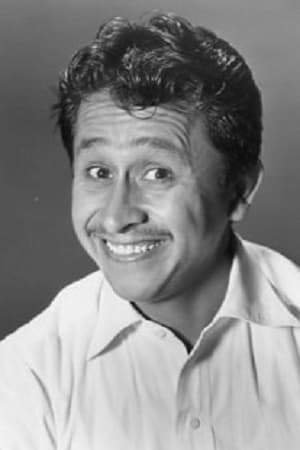
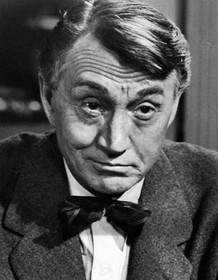
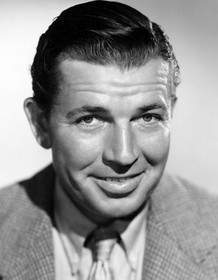
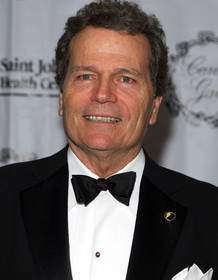
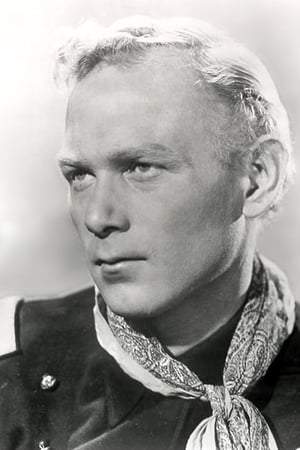
The people credited on the most Batjac Productions films. John Wayne appears in 7 of them, and Andrew V. McLaglen directed 4.
Directors Who Work With Batjac Productions
Actors in the Most Batjac Productions Movies
What Movies Has Batjac Productions Made?
All 11 films, newest first, with the worldwide box office. Filter by genre or decade, or sort by score, box office or title.
Batjac Productions Western Movies
Which Studios Are Similar to Batjac Productions?
The studios with the most English drama films. Batjac Productions has made 7 English drama films, more than any other kind.
- Paramount Pictures 635 English drama films
- Metro-Goldwyn-Mayer 607 English drama films
- Warner Bros. Pictures 588 English drama films
- BBC 583 English drama films
- Universal Pictures 476 English drama films
- Columbia Pictures 469 English drama films
- 20th Century Fox 354 English drama films
- Netflix 268 English drama films



Batjac Productions: Questions and Answers
Films, hits, scores and what comes next, answered from the same data as this page.
How many movies has Batjac Productions made?
Batjac Productions has released 11 films, from 1955 to 1974. Its busiest decade was the 1950s, with 6 films.
See every film What is Batjac Productions' highest-grossing movie?
The Alamo (1960) is Batjac Productions' biggest box office hit, with $6.33K worldwide, ahead of Blood Alley (1955) ($2.87K).
Which director has made the most films with Batjac Productions?
Andrew V. McLaglen has directed 4 Batjac Productions films, more than anyone else, followed by William A. Wellman (2).