What's After the Blog?
Opinions • Reception
Wuthering Heights (2026) Review & Critics Opinions – Reception, Fan Reactions, and Storytelling Analysis
Explore how critics and fans have responded to the 2026 adaptation of Wuthering Heights, examining performances, storytelling choices, and its place within the classic literary franchise. The post breaks down review scores, audience reactions, and the film’s emotional impact on modern viewers.
February 23, 2026
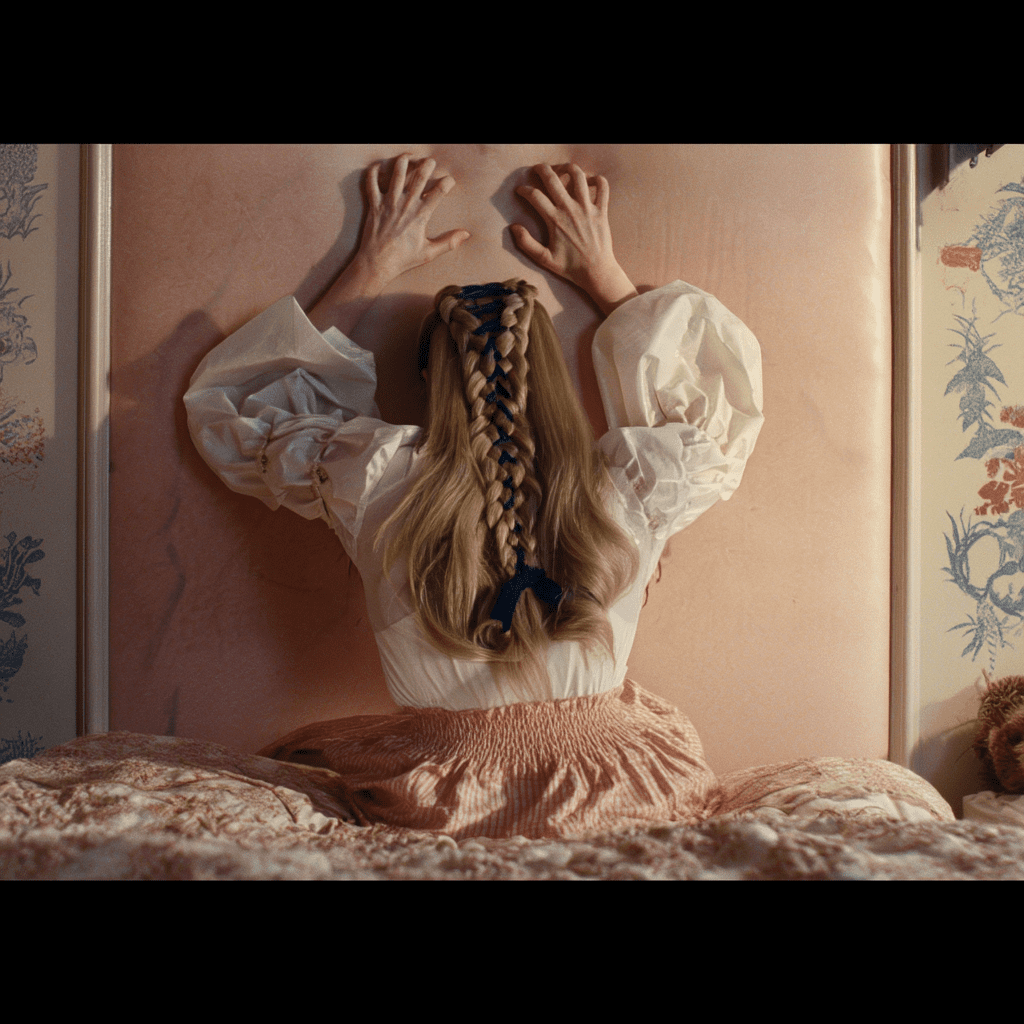
Movies mentioned in this article
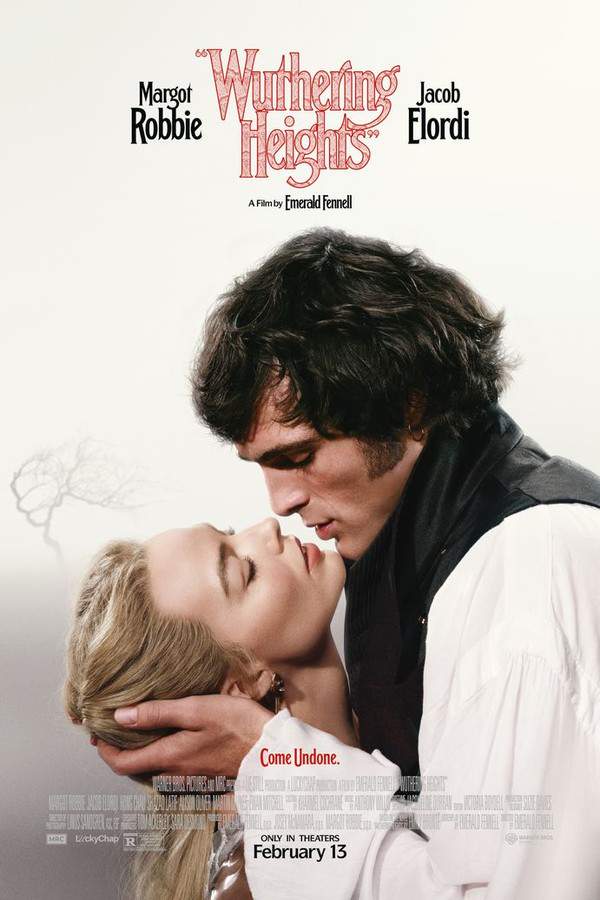
Wuthering Heights 2026 Reviews: Critics vs Audiences React to Emerald Fennell’s Bold Adaptation
When Emerald Fennell’s Wuthering Heights stormed into theaters on February 13, 2026, it brought with it a tempest of controversy that has divided critics and audiences alike. This latest interpretation of Emily Brontë’s Gothic masterpiece arrives not as a faithful period recreation, but as a deliberately provocative, hyper-stylized reimagining that has ignited fierce debate about the boundaries of literary adaptation. With scores ranging from scathing 1/10 user ratings to glowing 90/100 critic appraisals, the film represents one of the most polarizing releases of the year, challenging viewers to reconsider whether “bold vision” justifies radical textual departure. As search trends spike for terms like “Wuthering Heights 2026 review,” “is Wuthering Heights worth watching,” and “Emerald Fennell Wuthering Heights audience reactions,” it’s clear that this isn’t merely a film release—it’s a cultural flashpoint. Whether you’re seeking spoiler-free opinions before purchasing tickets or diving deep into critical consensus analysis, understanding the reception landscape is essential for navigating this contentious cinematic experience. For comprehensive details on cast, crew, and production information, visit the Wuthering Heights 2026 movie page on What’s After the Movie, your destination for movie summaries, box office data, and detailed film wiki entries.
Critical Consensus and Divisive Reception: Understanding the Score Spread
The Wuthering Heights 2026 critic reviews reveal a landscape of stark contradiction, with aggregation sites displaying a dramatic bell curve that spans from outright dismissal to enthusiastic celebration. This isn’t merely a case of “mixed reviews”—it’s a fundamental disagreement about cinematic value and adaptive fidelity. LarsenOnFilm captures this schism perfectly, noting that “This is not your mother’s Wuthering Heights!” while conceding that “it’s enough of Bronte’s.” This sentiment of partial preservation amidst radical reinterpretation defines the critical conversation.
At the lower end of the spectrum, The Times delivers a particularly scathing assessment, suggesting that “Provocation is just people-pleasing upside down—it has the same empty rattle.” Their observation that “A wind whistles through the centre of this film, and not the Brontëan kind” encapsulates the criticism that Fennell’s approach lacks the novel’s spiritual depth. Similarly, ReelViews questions the film’s very existence, stating, “If the mandate for any new interpretation is to offer something fresh, one is left wondering what this version claims as its justification for taking up over two hours of our time.” This critique—that the film’s boldness is merely superficial—recurs throughout negative appraisals.
However, defenders of the film argue that its audacity is precisely the point. Radio Times champions it as “the cinematic equivalent of ‘go big or go home,’” describing it as “an emotionally impactful adaptation for the ages” that constitutes “wonderfully flamboyant filmmaking.” NME echoes this enthusiasm, advising viewers that “If you meet Wuthering Heights on its own terms and give yourself over to Fennell’s bold vision, it’s hard not to get swept up in this gothic tale of toxic attachment.” Film Threat goes further, awarding it 90/100 and insisting that “Even if this doesn’t wind up being your favorite version of the film, it’s worth seeing Fennell’s updated take.”
This disparity suggests that Wuthering Heights 2026 film reception depends heavily on viewer expectations. Those approaching it as literary cinema may find themselves alienated by its anachronistic sensibilities, while those seeking visceral, contemporary-feeling romance may discover exactly what they’re looking for. The critical consensus, therefore, isn’t about quality control but about contextual framing—whether one views the film as a desecration or a liberation of Brontë’s text. For insights into how these critical divergences typically translate to commercial performance, explore our box office analysis tools at What’s After the Movie.
Emerald Fennell’s Vision: Provocation, Purism, and Period Piece Subversion
Emerald Fennell arrives at Wuthering Heights with established credentials as a provocateur, having previously disrupted audiences with Promising Young Woman and Saltburn. Yet even by her standards, this adaptation represents a radical departure from traditional period drama conventions. Slate observes that the film is, “For better or worse, a Brontë adaptation for the era of Instagram and TikTok, second screens and viral memes,” highlighting how Fennell translates 19th-century emotional volatility into contemporary visual language. This modernization extends beyond mere aesthetic choices into the film’s fundamental rhythm and tonal register.
Time magazine offers perhaps the most damning critique of this approach, arguing that “Brontë’s Wuthering Heights is a bleak book, but it’s not an ugly one: beneath its cloud cover of misanthropy, there’s feral, wildflower grace. Fennell has tossed all of that out, substituting her own unimaginative vision, plus a bunch of crappy dresses.” This accusation—that the director has sacrificed the novel’s nuanced misery for superficial shock—resonates with Status’s observation that Fennell “ratchets up the volume to 11, with more emphasis on smoldering and sexuality than literature, at the risk of bastardizing Bronte’s tale beyond recognition.”
However, this very excess has found passionate defenders among viewers who find traditional literary adaptations staid. User giulia_laregina, identifying as a “Brontë purist who has read the book twice,” offers a crucial counter-narrative: “sure, it’s a very bold adaptation with A LOT of changes to the original plot—but that’s actually one of the things I enjoyed most about it. Emerald Fennell manages to capture what reading the book feels like, especially as a teenager.” This perspective suggests that Fennell isn’t adapting the text so much as channeling its emotional impact for a generation raised on digital immediacy and ironic distance.
The director’s decision to focus almost exclusively on the first half of the novel—eliminating or minimizing characters like Hindley and compressing the timeline—has generated particular controversy. As giulia_laregina notes, “stripping it down to the bone and focusing almost exclusively on the dynamic between Cathy and Heathcliff makes sense… this is just one of the many ways you can tell this story.” Yet for others, this reduction constitutes a betrayal of the novel’s structural complexity. The Wuthering Heights 2026 analysis therefore hinges on whether one values thematic fidelity or narrative completeness. For those interested in exploring Fennell’s filmography and directorial evolution, visit our director profiles section, or browse our movie collections featuring other bold literary adaptations.
Performance Analysis: Robbie and Elordi’s Chemistry Under Audience Scrutiny
Central to any Wuthering Heights 2026 review is the evaluation of its leads, Margot Robbie and Jacob Elordi, whose casting generated significant pre-release discourse. The critical and audience response to their pairing reveals fascinating fault lines regarding star power versus emotional authenticity, with reactions ranging from ecstatic praise to claims of fundamental miscasting.
Davidlovesfilm’s user review encapsulates the negative perspective, describing the film as “a lifeless Gothic romance that even Margot Robbie and Jacob Elordi can’t elevate.” Their detailed critique suggests that “Fennell’s desire to provoke discourse around this legendary novel falls apart as she slips into the same kind of primary-color melodrama that she tries to satirize.” This disappointment stems partly from the perception that the leads, while individually charismatic, fail to generate the combustible chemistry necessary to justify the characters’ destructive obsession.
Fmm’s scathing 1/10 review amplifies these concerns: “Zero chemistry between Heathcliff and Cathy. The much discussed ‘horny’ scenes were an hour into the movie, with staccato cuts of them grabbing each other in carriages to moors to tables… never any deep lovemaking.” This critique of physical disconnect versus emotional depth suggests that the film’s much-publicized erotic elements feel mechanical rather than passionate—a “curated” intensity rather than organic desire.
Conversely, supporters highlight specific moments of brilliance. Giulia_laregina praises Margot as “absolutely brilliant (as she usually is)” while noting that Jacob “shines in some key scenes—especially the Thrushcross Grange face-off with Cathy, which is a 10/10 moment for him.” TVJerry offers a more measured assessment, noting that “Robbie suffers appropriately, while Elordi smolders in the early scenes before becoming dashing (and mumbles a lot).” This observation about Elordi’s vocal delivery—transitioning from brooding silence to unclear diction—recurs as a specific point of contention among viewers seeking clarity in Heathcliff’s emotional arc.
The casting of Elordi as Heathcliff has also sparked discussion about adaptation and representation, with user bertobellamy noting that “there’s Heathcliff’s race change, which detracts significantly from the meaning of this work.” This change, which aligns with some scholarly interpretations of Heathcliff’s ambiguous ethnicity in the novel, nonetheless proves divisive among viewers with specific expectations for the character’s visual presentation. For those tracking the careers of these performers, our actor profiles provide comprehensive filmographies and award histories.
Aesthetic and Tone: When Style Becomes Substance (or Doesn’t)
The visual and tonal landscape of Wuthering Heights 2026 generates some of the film’s most heated disagreements, centering on whether Fennell’s aesthetic choices enhance or obscure the narrative’s emotional core. Lillymay95’s user review articulates the primary criticism succinctly: “A film that mistakes aesthetic moodiness for emotional depth, Wuthering Heights looks far more profound than it actually is. The cinematography is polished and occasionally striking, but style can’t compensate for a hollow core.”
This accusation of “curated intensity”—that the film prioritizes Instagram-worthy composition over genuine feeling—finds support in The Reveal’s critique: “‘Wuthering Heights’ looks great and it’s fun to wander around in it for a while, but it’s hard to shake the thought that Fennell’s film has been thrown together without much consideration for how all the rooms might fit together. It’s the cinematic equivalent of The House on the Rock.” The metaphor suggests a beautiful but structurally unsound edifice, all surface attraction without architectural integrity.
Fmm’s detailed review highlights specific aesthetic choices that alienated some viewers: “Art direction was a kitchy distraction—leaches artfully assembled in a pattern on the wall when in the bed, Cathy was being drained by them… cracked eggs and yolks as a viscous ‘I’m here’ love note when Heathcliff or Cathy would pull off the bed cover.” These details exemplify what critics identify as Fennell’s tendency toward excess—visual metaphors that call attention to their own cleverness rather than serving the narrative.
Yet for viewers like yazh2026, this very aesthetic boldness constitutes the film’s appeal: “Gorgeous, hot, breath-taking, funny, ****. Bold, feminine and wild. Kudos to Fennell for directing and Robbie for producing a modern masterpiece.” This rapturous response suggests that the film succeeds precisely as sensory experience, offering a Wuthering Heights 2026 visual analysis that privileges contemporary Gothic style over Victorian realism. The “feminine and wild” descriptor indicates that for some audiences, the film’s unapologetic embrace of female desire and visual splendor overrides traditional narrative concerns.
The tension between these perspectives—style as distraction versus style as legitimate interpretive lens—defines the film’s reception. Bertobellamy’s assessment that “Emerald Fennell, once again, prioritizes style over substance” while acknowledging that “the acting, cinematography, and production design are very good” captures the ambivalence many viewers feel. The craftsmanship is undeniable; its service to the story remains contentious. For viewers interested in comparing this visual approach to other concert films or atmospheric cinema, What’s After the Movie offers curated movie lists organized by visual style and directorial approach.
Audience Reactions: From “Masterpiece” to “Depraved”—The Polarized Viewer Spectrum
If critical response to Wuthering Heights 2026 spans a wide range, audience reactions exist in binary opposition—primarily clustering at the extremes of the rating scale. This polarization speaks to the film’s effectiveness as a conversation starter, even as it frustrates those seeking moderate, balanced entertainment.
At the negative extreme, kbender24’s succinct condemnation—“A depraved, hollow adaptation of a classic. The director continues her streak of disgusting films”—echoes TomAdlam63’s assessment: “Embarrassingly bad. Miscasted, salacious, thoroughly cheap and nasty. Promising Young Woman was good, but it seems more by luck than good judgment. Saltburn was horrible, this is worse.” These reactions suggest that for some viewers, Fennell’s specific sensibility has crossed from provocative into exploitative, with the sexual content feeling gratuitous rather than character-driven.
Luislk’s review in Portuguese (“A hiper sexualização mesmo que esperada me encomenda bastante, e consequentemente diminui consideravelmente o teor do filme”) reinforces this international concern about hypersexualization diminishing the film’s thematic weight. TVJerry’s middle-ground review acknowledges that “Fennell has indulged herself to the point of tedium,” noting that “Some of the film is wonderful, but it bogs down more than it inspires.”
Yet the positive responses are equally passionate and numerous. Fortnitesigma1’s enthusiastic “it was preety aight an ok film ngl type **** xoxoxoxoxoxoxoxoxoxoxoxoxoxoxxoxox”—despite its casual grammar—indicates genuine engagement from younger demographics. More substantively, giulia_laregina’s “objectively? probably 8 out of 10 stars. subjectively? the costumes and Charli’s soundtrack alone earn those extra stars” demonstrates how specific aesthetic elements (the soundtrack, production design) can override narrative reservations for sympathetic viewers.
The most fascinating aspect of Wuthering Heights 2026 fan opinions lies in the detailed critiques from viewers who wanted to love the film but found specific failures. Davidlovesfilm’s lengthy analysis appreciates Fennell’s initial “absurdist rhythm” and “charming, campy light” in the first half, only to conclude that “Wuthering Heights loses grip of its playful tone halfway through and devolves into what it appeared to be poking fun at.” This trajectory—from appreciation to disappointment—appears in several reviews, suggesting that the film’s tonal inconsistency creates a specific type of viewer frustration distinct from those who rejected it outright.
For viewers navigating these polarized reactions, What’s After the Movie offers interactive quizzes and games to test your knowledge of Gothic romance adaptations, helping determine whether your sensibilities align more with the film’s defenders or its detractors. Ultimately, the Wuthering Heights 2026 viewer reactions indicate that this is a film that demands specific temperaments—those who appreciate camp, excess, and intentional melodrama will find much to celebrate, while those seeking Brontë’s specific brand of wild, spiritual desolation may find themselves alienated.
Conclusion: Navigating the Storm of Wuthering Heights 2026 Reception
As the dust settles on this contentious release, Wuthering Heights 2026 film analysis reveals a movie that functions less as cohesive narrative than as Rorschach test for viewers’ tolerance for cinematic audacity. The critical consensus suggests that while Fennell possesses undeniable technical skill and visual imagination, her translation of Brontë’s Gothic masterpiece prioritizes contemporary provocation over timeless emotional truth. Yet this very quality—its refusal to play safe—has earned it passionate defenders who see in its excesses a necessary corrective to staid literary adaptations.
For potential viewers searching “should I watch Wuthering Heights 2026” or “Wuthering Heights 2026 worth watching,” the answer depends entirely on your relationship to the source material and your appetite for stylistic experimentation. If you approach cinema as a vehicle for faithful literary transmission, the film’s anachronisms and sexual explicitness will likely prove insurmountable barriers. However, if you value directorial vision and sensory experience, the film offers a uniquely bold interpretation that captures the teenage intensity of first obsession, even as it sacrifices the novel’s broader social commentary.
The lasting legacy of this adaptation may be its demonstration that in an age of content saturation, provocation itself has become a form of artistic statement—whether that statement ultimately satisfies remains the subject of ongoing debate. For comprehensive coverage of this and other controversial releases, bookmark the Wuthering Heights 2026 movie page and explore our extensive database of film summaries and award-winning cinema at What’s After the Movie.
| Site | Link |
|---|---|
| The Movie Database (TMDB) | Wuthering Heights on TMDB |
| Wikipedia | Wuthering Heights (2026 film) on Wikipedia |
| Rotten Tomatoes | Wuthering Heights on Rotten Tomatoes |
| Metacritic | Wuthering Heights on Metacritic |
| JustWatch | Wuthering Heights on JustWatch |
| Box Office Mojo | Wuthering Heights on Box Office Mojo |
Continue reading


What's After the Movie?
Not sure whether to stay after the credits? Find out!
Check out our other apps:

SAT Sphere
Build confidence for the Digital SAT.

Mori Atlas
Discover wild places worth protecting.

Luntero
Search smarter for a home in Amsterdam.

Plot Explained
Unravel movie endings and hidden clues.

Pokechamp
Dive into Pokémon data and battle logic.

Driving Theory
Get ready for your European theory test.

Movie Dust
Plan your next cinema trip with ease.

Musemap
Find art and culture as you travel.

Selkobase
Compare credentials before committing.

Local Manual
Turn an unfamiliar country into practical next steps.

Lernavi
Compare school systems before your next move.

GymRoam
Find a workout stop wherever your plans take you.
Explore Our Movie Platform
New Movie Releases (2026)
Famous Movie Actors
Top Film Production Studios
Movie Plot Summaries & Endings
Major Movie Awards & Winners
Best Concert Films & Music Documentaries
Movie Collections and Curated Lists
© 2026 What's After the Movie. All rights reserved.
Privacy Policy