Whistle (2026) Reviews & Reception: Critical Consensus vs. Polarized Audience Reactions
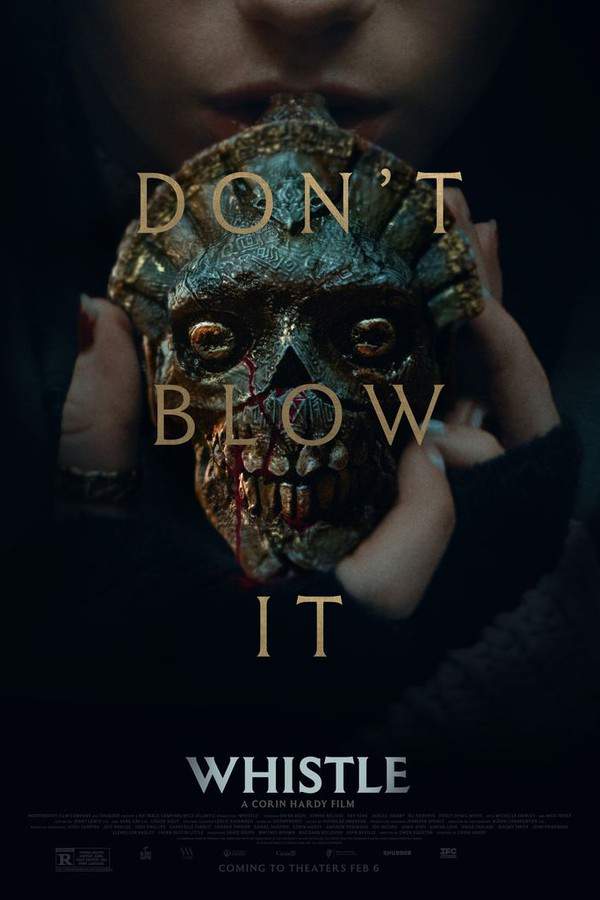
When audiences search for “Whistle 2026 review” or ask “is Whistle worth watching,” they encounter one of the most sharply divided reception landscapes in recent supernatural horror cinema. The latest genre entry from director Corin Hardy has ignited passionate debates across critic circles and fan communities alike, creating a fascinating case study in how modern horror films navigate the tension between visceral spectacle and narrative depth. At What’s After the Movie, we’ve analyzed the full spectrum of Whistle film reception—from professional critical consensus to raw audience reactions—to help you decide whether this supernatural death curse thriller deserves your attention.
For viewers seeking comprehensive Whistle movie information beyond just opinions, our Whistle movie page offers detailed summaries, cast details, and box office tracking. Whether you’re looking for a spoiler-free overview or want to dive deep into film analysis, our database provides the context needed to understand why this particular release has generated such vocal responses from both detractors and defenders.
The critical landscape surrounding Whistle (2026) reveals a film struggling to balance its ambitious visual execution with character development, while audience sentiment fractures along unexpected cultural lines. This review analysis examines the specific complaints about stock characters, the praise for inventive death sequences, the controversy surrounding its thematic content, and whether the Final Destination comparisons help or hurt its standing among horror enthusiasts. By synthesizing perspectives from major outlets alongside verified user reactions, we present a complete picture of Whistle’s critical consensus and viewer sentiment.
Critical Reception and Professional Film Analysis of Whistle (2026)
Professional critics have approached Whistle with measured skepticism, frequently acknowledging the film’s technical competence while questioning its emotional resonance. The critical consensus suggests a movie that excels as a “delivery system for imaginative deaths”—as noted by Original-Cin—yet struggles to make viewers invested in the survival of its characters. This tension between form and content dominates most professional Whistle critic reviews and creates the primary friction point for those seeking in-depth film analysis.
RogerEbert.com delivered perhaps the most pointed assessment, describing the film as “a machine to kill vague people” that “never delivers on its frightful promise.” Their critique centers on what they perceive as a fundamental cowardice in the screenplay: the creators’ reluctance to fully embrace the bloodthirsty potential of their concept, instead hoping audiences will gasp at deaths of stock characters they never truly grow to like. This observation highlights a recurring theme across professional evaluations—the disconnect between the film’s visceral capabilities and its narrative ambition. For viewers prioritizing character-driven storytelling over spectacle, this criticism suggests significant reservations about whether Whistle is worth watching.
Conversely, TheWrap offered a more forgiving perspective on the film’s genre positioning, noting that while “Whistle offers nothing new to the supernatural death curse genre,” director Corin Hardy’s enthusiastic approach compensates for familiarity. Their observation that Hardy “likes to go hog wild” speaks to a visual dynamism that several critics acknowledged, even when questioning the substance beneath the style. This divide between direction and writing emerges as a central tension in understanding Whistle’s critical reception, particularly for those tracking box office performance alongside critical metrics to determine mainstream viability.
The Austin Chronicle positioned the film within a specific lineage, drawing explicit comparisons to the Final Destination franchise—a reference point both Hardy and the creative team have acknowledged as influence. They identified the “same thrill” mechanism: watching protagonists attempt to evade inevitable death through clever means. However, this comparison cuts both ways, serving as either endorsement for genre fans or condemnation for those seeking innovation beyond established supernatural horror templates.
Collider’s analysis provided perhaps the most nuanced technical assessment, praising the creature design and rule-building while criticizing character development. They noted that “the ‘monster’ is actually pretty creepy, and the rules created behind what it does are intriguing enough,” yet found that “the gore and death scenes are effective, pulling in the viewer, as the character building pushes them away.” This push-pull dynamic—where visual inventiveness battles emotional investment—defines the professional critical consensus on Whistle and informs much of the debate regarding its award potential for technical achievements versus narrative categories.
The divergence between outlets like Original-Cin, which celebrated the “genuinely inventive, well-executed set pieces,” and RogerEbert.com’s dismissal of the character work suggests that Whistle functions most effectively as pure spectacle. For viewers searching “Whistle film analysis” or “Whistle spoiler-free review,” this critical split indicates that expectations matter significantly—those seeking emotional depth may find the stock characters frustrating, while gore aficionados will likely appreciate the “professional pride” evident in the death sequences. The gap between aggregated critic scores and eventual audience approval ratings tells its own story about the film’s polarizing nature within the 2026 horror landscape.
Audience Reactions and Polarized Viewer Sentiment: Is Whistle Worth Watching?
While professional critics debated the film’s artistic merits, audience reactions to Whistle (2026) erupted into something far more volatile and culturally charged. User reviews reveal a stark polarization that extends beyond typical horror fan divides, touching on representation, perceived political messaging, and the ever-controversial “bait and switch” accusation that has become common in genre film discourse. This divergence creates unique challenges for viewers seeking spoiler-free recommendations or attempting to gauge whether Whistle is worth watching based on aggregated scores alone.
The most vitriolic responses center on allegations of progressive agenda-pushing. User GREGG C’s 0.5-star review exemplifies this faction, labeling the film “A Gay Romance Movie, disguised as a Final Destination Ripoff” while citing “Bi-Racial Agenda” and complaining about the portrayal of “Christians as drug dealers.” Similarly, the user Retribution’s review employs inflammatory rhetoric about a “wokie checklist,” objecting to diverse casting and specifically targeting the “evil Christian drug pusher” character as evidence of liberal bias. These reactions position Whistle within ongoing culture war debates about representation in mainstream horror, suggesting that for certain viewers, the film’s diverse cast overrides any consideration of horror mechanics or entertainment value.
However, this negative polarization finds its mirror in enthusiastic defense from fans who celebrate exactly what detractors condemn. Sarah M’s 5-star review explicitly praises the lesbian representation and Final girl tropes, noting “Watched for Percy Hynes White, stayed for lesbians! Final girls Dafne Keen and Sophie Nelisse!!!” This direct contradiction of GREGG C’s “bait and switch” complaint reveals how subjective viewing lenses create entirely different film experiences. For Sarah M and similar reviewers, the diverse casting and LGBTQ+ themes enhance rather than detract from the horror experience, providing representation rarely found in supernatural death curse narratives.
Moderate positive responses like Alex’s straightforward declaration that it’s a “Very cool, fun horror movie” provide counterbalance to the cultural warfare, suggesting that for viewers able to separate political concerns from genre enjoyment, Whistle functions adequately as entertainment. Deborah G’s 3-star assessment describes it as “a fun, entertaining movie with strong visual effects,” recommending it as “an easy watch if you’re looking for something exciting and visually engaging.” These moderate reactions suggest that viewers approaching Whistle without ideological preconceptions—or specifically seeking Final Destination-style thrills—find reasonable entertainment value despite the surrounding controversy.
The intensity of these reactions—ranging from accusations of deceptive marketing to celebrations of Final girls—indicates that Whistle touched a nerve in contemporary horror discourse. Unlike universally panned films or clear critical darlings, Whistle generates contradictory interpretations of its very identity: is it a straightforward supernatural thriller corrupted by political messaging, or a refreshingly inclusive update to dated genre tropes? The answer depends entirely on the viewer’s cultural positioning and expectations for horror cinema in 2026. For horror fans primarily concerned with death scene creativity and scare mechanics, the controversy may seem irrelevant to the technical assessment of jump scares and gore effects; however, for those sensitive to perceived messaging, these elements dominate the viewing experience and inform their Whistle viewer reactions.
Cast Performance Reviews and Character Portrayals in Whistle
The human element of Whistle—frequently criticized by professionals as disposable—receives surprisingly passionate defense from audience members who found specific performances elevating the material. This disconnect between critical dismissal and fan attachment reveals how star power and specific casting choices can overcome screenplay limitations in supernatural horror, creating a separate track of reception focused entirely on acting analysis.
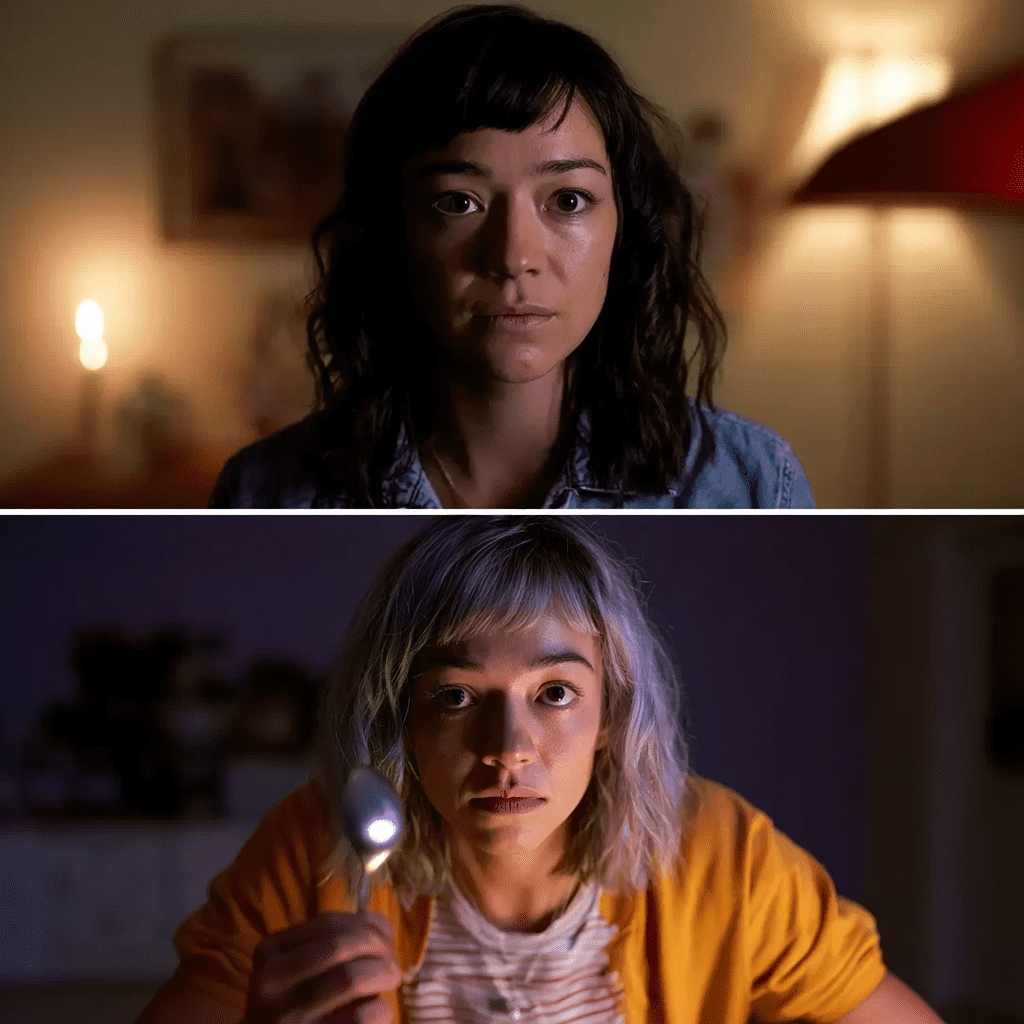
Percy Hynes White dominates the conversation surrounding Whistle’s performances, with multiple reviewers singling out his portrayal of the morally ambiguous youth pastor/drug dealer as the film’s standout element. Sarah M’s enthusiastic praise—“Percy went off with the whole ‘youth pastor who is lowkey a drug dealer’ gimmick. The range he has is impeccable and impressive!”—captures the specific appeal that apparently transcended the character’s functional role in the narrative. This performance satisfied both viewers seeking charismatic antagonists and those following White’s career specifically, as evidenced by K P’s comment that he was “born to play dark, brooding, charismatic, and chaotic characters.” Even hostile reviewers like Retribution acknowledged White’s visual appeal as “main hottie,” suggesting his performance crossed political divides through sheer charisma.
The Final Girl dynamic between Dafne Keen and Sophie Nelisse represents another focal point for audience appreciation, particularly among viewers seeking meaningful female representation in horror. Sarah M’s celebration of “Final girls Dafne Keen and Sophie Nelisse!!!” positions the film within evolving genre expectations where traditional tropes receive contemporary updates. However, this same characterization apparently triggered negative responses from viewers expecting different genre conventions, illustrating how modern updates to classic horror archetypes create friction among traditionalist audience segments searching for familiar supernatural thriller patterns.
Professional critics, notably RogerEbert.com, dismissed these characters as insufficiently developed to support the film’s emotional stakes, describing the hope that “you’ll gasp when their friends and enemies inevitably bite the dust” as unfulfilled. Collider similarly noted that character building “pushes them away” even as gore pulls viewers in. Yet audience responses suggest that for fans of the cast—particularly those following White from previous projects or appreciating the specific chemistry between the leads—this character work provided sufficient engagement to justify the viewing experience despite critical complaints about “stock characters.”
This performance-driven appreciation versus character-criticism divide highlights an important consideration for viewers searching “Whistle cast reviews” or “Whistle acting analysis.” The film appears to function as a vehicle for specific performances that outshine their written material, a common phenomenon in mid-budget horror where casting choices redeem otherwise generic screenplays. For those interested in exploring actor profiles and filmographies, What’s After the Movie offers comprehensive career tracking for White, Keen, and Nelisse, placing their Whistle performances within broader career contexts and helping viewers decide if the cast alone makes the film worth watching.
The “youth pastor drug dealer” character specifically represents a modern horror archetype—the corrupted spiritual figure—that generated fascinatingly contradictory interpretations. While some viewers celebrated the subversive potential and White’s execution, others interpreted the character through purely political lenses, as evidenced by complaints about portraying Christians negatively. This divergence suggests that Whistle’s character work, however thinly written according to critics, carried enough symbolic weight to generate substantive discourse about representation and typecasting in contemporary horror cinema.
Genre Execution and Final Destination Comparisons: Whistle’s Place in Supernatural Horror
The supernatural death curse subgenre carries specific expectations that Whistle (2026) both embraces and struggles against, creating the central tension in its critical and commercial reception. The film’s relationship to the Final Destination franchise—explicitly acknowledged by its creators and repeatedly cited by reviewers—provides the primary lens through which audiences evaluate its success or failure as a horror entry.
The Austin Chronicle’s observation that Whistle delivers “the same thrill as the Final Destination movies” captures the fundamental appeal for genre enthusiasts: the morbid spectacle of elaborate death sequences and the anxiety of watching characters attempt to cheat predetermined fates. This comparison serves as both endorsement and limitation, depending on viewer expectations. For audiences searching for precisely that mechanical thrill—watching “likable protagonists try and sometimes fail to evade death”—Whistle apparently satisfies the craving for Rube Goldberg-style demise choreography. However, for those hoping the film would transcend its influences or introduce innovative mythology beyond the established formula, the comparison suggests disappointing familiarity rather than groundbreaking horror.
Original-Cin’s assessment that the film functions effectively “as a delivery system for imaginative deaths” positions Whistle within a utilitarian horror tradition where plot serves set-piece rather than vice versa. Their praise for “genuinely inventive, well-executed set pieces” aligns with user Eyrdie R’s enthusiasm for “the concept of the storyline and the death scenes,” suggesting that the film succeeds on the pure technical level of horror craftsmanship. User Caleb’s 5-star praise for “decent jump scares, great ending” further supports the notion that Whistle delivers reliable genre mechanics even when ambitious storytelling falters.
TheWrap’s observation that the film “offers nothing new to the supernatural death curse genre” while noting Hardy’s exuberant direction speaks to a broader conversation about originality versus execution in modern horror. As viewers increasingly search for “Whistle vs Final Destination” or “movies like Whistle 2026,” the question becomes whether derivative concepts can be redeemed by superior presentation. The critical consensus suggests Hardy’s “hog wild” approach to direction provides sufficient stylistic energy to compensate for narrative redundancy, at least for audiences prioritizing visceral experience over innovation. Esteban Y’s qualified 2-star assessment that “They just missed the mark to great but definitely worth the watch” illustrates the spectrum of genre satisfaction, acknowledging technical competence while mourning missed potential.
For viewers curating horror movie lists or exploring supernatural thriller collections, Whistle represents a solid if unexceptional entry in the 2026 horror slate. It occupies the middle ground between direct-to-streaming mediocrity and franchise-defining excellence—a film that understands its genre conventions well enough to execute them competently but lacks the distinctive vision necessary to eclipse its influences. The comparison to Final Destination also highlights Whistle’s specific shortcomings in tone; where the franchise built its reputation on increasingly elaborate death sequences leavened with dark humor, Whistle apparently struggles with tonal uncertainty—uncertain whether to fully commit to the nihilistic fun of its premise or invest in genuine character survival anxiety.
Direction, Visual Effects, and Technical Reception of Whistle
Behind the contentious character work and polarized cultural readings lies a technically accomplished horror film that garnered specific praise for its visual execution and directorial energy. Corin Hardy’s approach to Whistle—described by TheWrap as going “hog wild”—created a distinct visual identity that partially redeemed the familiar narrative for many viewers, while technical elements like creature design and gore effects emerged as uncontroversial strengths.
Hardy’s direction apparently prioritized kinetic energy and visual spectacle over atmospheric dread, a choice that divided critics but satisfied audiences seeking immediate gratification. The “fitful bloodthirst” that RogerEbert.com wished the creators had embraced suggests that Hardy’s visual instincts leaned toward visceral impact, even when the screenplay pulled punches regarding character mortality. This directorial tension—between the desire to create spectacular death sequences and the need to maintain protagonist investment—defines Whistle’s technical profile and explains much of the divergence between critical and audience scores.
The monster design, specifically noted by Collider as “pretty creepy,” represents a crucial technical success in a genre where creature concepts often falter through over-exposure or under-design. The rules governing the supernatural threat apparently intrigued critics even when the human characters failed to, suggesting that Hardy’s visual storytelling communicated mythology more effectively than dialogue-heavy exposition. This visual competence explains why viewers like Deborah G recommend Whistle as “an easy watch if you’re looking for something exciting and visually engaging,” positioning it as experiential cinema rather than narrative-driven storytelling.
The gore effects, universally acknowledged as effective even by critics who dismissed other elements, demonstrate professional-grade technical execution worthy of award consideration in technical categories. Collider’s observation that “the gore and death scenes are effective, pulling in the viewer” while character work repels them suggests a film that succeeds on the pure sensory level of horror filmmaking. For audiences seeking visual spectacle similar to high-production-value entertainment or technical achievements in practical effects, Whistle delivers professional craftsmanship even when its screenplay draws criticism for lacking originality.
The comparison between Whistle and other 2026 horror releases regarding technical innovation highlights both its strengths and limitations. While Hardy demonstrates capable handling of set pieces and creature design, the film apparently lacks the distinctive visual auteurism that would elevate it beyond competent genre exercise. This places Whistle in the category of well-executed studio horror—technically sound, visually clear, but ultimately servicing familiar templates rather than establishing new visual languages for supernatural horror. For film students and horror enthusiasts exploring cinematic techniques or analyzing direction styles, Whistle offers a case study in how directorial enthusiasm can partially compensate for screenplay deficiencies, even if it cannot fully transform the material into something transcendent.
The film’s pacing also emerged as a point of technical discussion, with user Esteban Y noting that the film “just missed the mark to great,” implying a rhythm that nearly achieved tension but faltered in execution. This near-miss quality—technically proficient but lacking the final polish of genre classics—characterizes much of the technical reception, suggesting that while Hardy’s “hog wild” approach provided energy, it may have sacrificed the meticulous construction that distinguishes exceptional supernatural horror from adequate entertainment. The Whistle movie page includes technical specifications and crew details for those interested in the specific craft behind the death sequences that generated widespread discussion among horror aficionados.
Conclusion: Navigating Whistle’s Divided Reception Landscape
The reception landscape for Whistle (2026) reveals a film that functions as a Rorschach test for modern horror audiences—technically competent yet culturally divisive, visually inventive yet narratively familiar. Whether one finds value in this supernatural death curse thriller depends largely on priorities: viewers seeking innovative horror concepts or character-driven narratives may echo RogerEbert.com’s frustration with stock characters, while those prioritizing visceral spectacle and diverse representation will align with Sarah M’s enthusiastic defense of the Final girls and Percy Hynes White’s charismatic antagonist.
The critical consensus acknowledges Hardy’s directorial energy and the effectiveness of the death sequences while mourning missed opportunities for emotional depth. Meanwhile, audience polarization reflects broader cultural fractures regarding representation in genre cinema, with the film’s LGBTQ+ themes and diverse casting generating both 5-star celebrations and 0.5-star condemnations. For viewers asking “is Whistle worth watching,” the answer requires honest assessment of one’s tolerance for derivative plotting versus appreciation for gore craftsmanship, and one’s reaction to contemporary horror’s evolving approach to character diversity.
Ultimately, Whistle succeeds as a Final Destination-style thrill delivery system while struggling to establish its own identity beyond competent genre exercise. It offers sufficient visual effects and performance highlights to justify streaming for horror enthusiasts, particularly those following the specific cast or seeking supernatural horror recommendations that prioritize set pieces over plot innovation. The film represents a specific type of modern horror production—technically sound, culturally provocative, and divisive enough to generate passionate discourse regardless of ultimate quality judgments.
For comprehensive Whistle movie information, including box office tracking, cast profiles, and detailed film analysis, visit What’s After the Movie. Whether you’re researching 2026 horror reception or seeking spoiler-free summaries, our database provides the context needed to navigate this polarizing but technically accomplished addition to the supernatural death curse canon.
| Site | Link |
|---|---|
| Whistle TMDB | TMDB |
| Whistle Wikipedia | Wikipedia |
| Whistle Rotten Tomatoes | Rotten Tomatoes |
| Whistle Metacritic | Metacritic |
| Whistle JustWatch | JustWatch |
| Whistle Box Office Mojo | Box Office Mojo |