What's After the Blog?
Opinions • Reception
The Wrecking Crew (2026) Review: Critics, Fan Opinions, Reception & Storytelling Analysis
Explore how critics and fans have responded to The Wrecking Crew (2026), dissecting performances, storytelling, and its place within the franchise. This post breaks down reviews, audience reactions, and the impact of the film’s family‑driven plot.
February 6, 2026
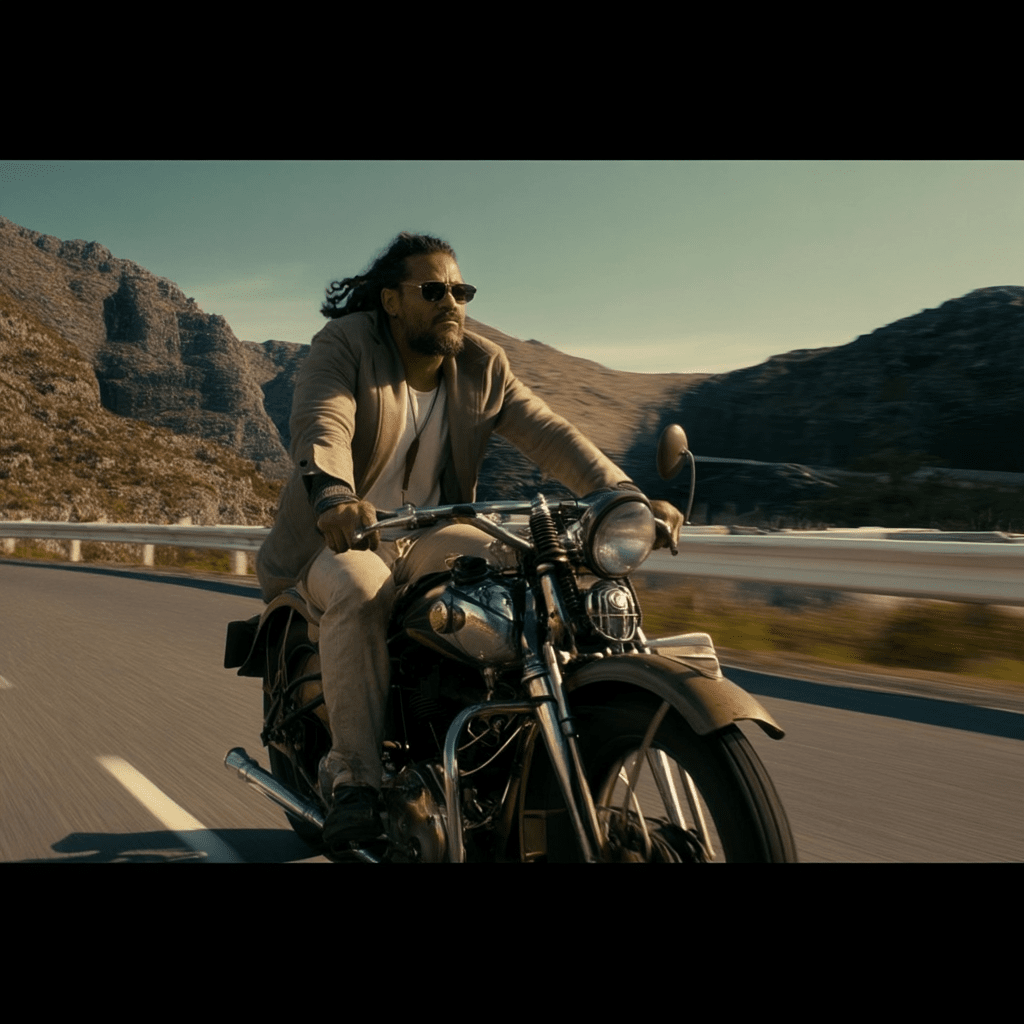
Movies mentioned in this article
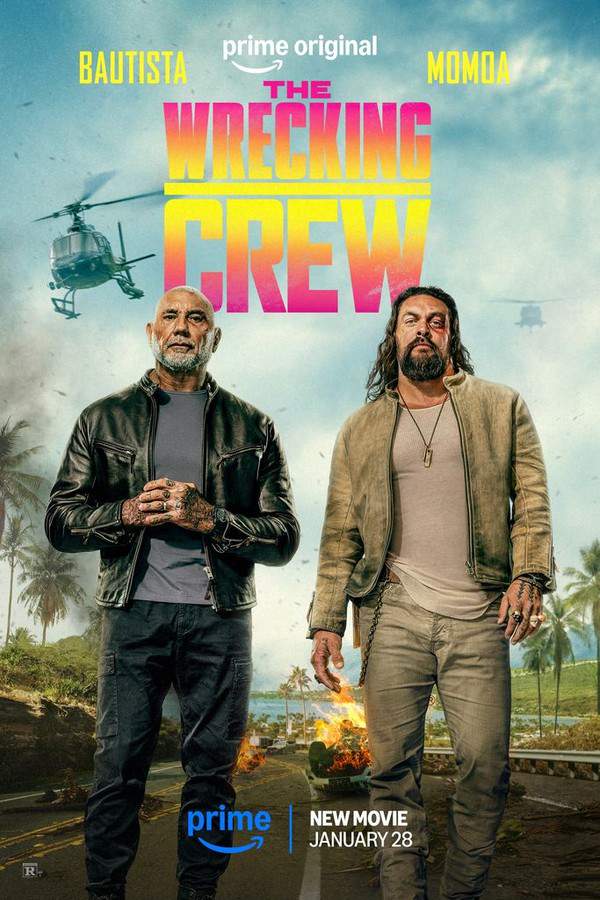
The Wrecking Crew 2026 Review: Critical Reception, Audience Sentiment & Film Analysis
When The Wrecking Crew stormed into theaters on January 28, 2026, audiences weren’t quite sure what to expect from the high-concept pairing of Jason Momoa and Dave Bautista. Marketed as a hard-R action comedy about estranged half-brothers forced to reunite after their father’s mysterious death, the film promised brutal violence mixed with buddy-cop banter in a throwback to 1990s testosterone cinema. But does this cinematic collaboration deliver on its potential, or does it crumble under the weight of CGI-heavy set pieces and predictable plotting? At What’s After the Movie, we’ve analyzed every critical review and audience reaction to bring you a comprehensive breakdown of this divisive genre entry. From the detailed The Wrecking Crew 2026 movie page tracking box office performance to our comprehensive summary database, we provide the context you need to understand whether this film deserves your time. Our awards tracking and box office analysis reveal how this mid-budget actioner performed against blockbuster competition, while user-generated movie lists help contextualize its place within the modern action-comedy landscape. Whether you’re searching for a spoiler-free review, wondering about the critical consensus, or curious about fan opinions on the practical versus digital effects, this deep dive examines the polarized reception, the standout chemistry between leads, and whether The Wrecking Crew 2026 succeeds as the visceral entertainment experience it aspires to be.
Critical Consensus: Formulaic Comfort or Stagnant Retread?
The critical reception of The Wrecking Crew 2026 reveals a fascinating polarization that speaks to broader debates about genre filmmaking in modern cinema. With scores ranging from a dismissive 38/100 at Movie Nation to an enthusiastic 80/100 at both The New York Times and Collider, the film reception clearly depends on what individual critics value most in action entertainment. This nearly 50-point spread suggests that The Wrecking Crew isn’t merely divisive—it’s a Rorschach test for how viewers approach the action-comedy hybrid.
At the higher end of the spectrum, critics celebrated the film’s unapologetic embrace of its own identity. The Hollywood Reporter noted that the film “doesn’t set out to reinvent the formula, but rather luxuriate in it,” a sentiment echoed by Variety, which assured audiences that “what you see in the key art… is a clear and accurate indicator of what you’ll get.” This transparency in marketing—delivering exactly the muscular, R-rated buddy violence promised by trailers—earned goodwill from reviewers tired of bait-and-switch marketing. The Daily Beast distilled this appeal into digestible terms, calling it “a healthy serving of slam-bang cinematic comfort food,” acknowledging that while it’s “never quite as funny as it wants to be,” the violence department compensates adequately.
However, the lower scores reveal legitimate frustrations with narrative safety. Movie Nation’s criticism of the film being “overlong but rarely slow” captures a specific modern action paradox: even when the pacing maintains momentum, a two-hour runtime for predictable material can feel exhausting. RogerEbert.com perhaps best articulated the central tension, observing that the film is “better than its synopsis suggests, though not good enough to entirely overcome the familiarity of the component parts.” This speaks to the difficulty of the jokey-yet-sentimental tone that studios frequently attempt but rarely master. The critique highlights how The Wrecking Crew struggles to balance its “bruised hearts” emotional narrative with its arm-yanked-off/head-sliced aesthetic.
What emerges from this critic consensus is a film that succeeds on execution while failing on innovation. Collider’s enthusiastic declaration that it serves as “a blank check for a probable franchise” suggests that industry observers see commercial potential even when artistic ambitions remain modest. For audiences wondering is The Wrecking Crew worth watching, the critical landscape suggests lowering expectations for narrative surprise while preparing for technically proficient action sequences. At What’s After the Movie, our box office tracking indicates that this “comfort food” approach often translates to solid commercial performance despite mixed metacritic aggregation, proving that critic reviews and popular success don’t always align when it comes to mid-tier action cinema.
The Momoa-Bautista Dynamic: Chemistry That Transcends the Script
If there’s one element of The Wrecking Crew 2026 that generates universal acclaim across the review spectrum, it’s the electric, combative chemistry between Jason Momoa and Dave Bautista. In an era where CGI often substitutes for character connection, this pairing delivers the kind of old-school star power that carries the film through its narrative rough patches. The audience reactions consistently return to this central relationship, suggesting that the casting represents the film’s primary artistic success and its strongest argument for viewer investment.
The Travers Take captured this dynamic’s emotional resonance perfectly, noting that the stars “take the time, between fights and jokes, to examine the bruised places in the hearts of these half brothers. You feel for them, and that makes all the difference.” This observation cuts to the heart of why the film works despite its predictable plotting—the performers invest legitimate pathos into what could have been purely functional action archetypes. The contrast in their approaches creates a compelling friction: USA Today described it as “full-tilt Momoa and quietly powerful Bautista,” a pairing that generates both the film’s most effective humor and its surprisingly tender moments.
The comedic interplay draws consistent praise for its improvisational energy. Movie Nation highlighted the playful antagonism with the quoted exchange—“You got old.” “You got FAT.”—illustrating how the performers weaponize their real-life friendship into on-screen bickering that feels organic rather than scripted. The Globe and Mail (Toronto) pushed this analysis further, describing the duo as having “an unhinged blast,” eager “to rip each other a new one as they are to compare themselves (unfavourably and intentionally) to such contemporaries as John Cena and Dwayne Johnson.” This self-aware positioning within the action-star hierarchy adds a meta-textual layer that critics found refreshing.
User reviewer TVJerry (rating the film 8/10) synthesized these elements from an audience perspective, explaining: “Bautista goes for gruff, while Momoa is the funniest he’s ever been with sly, off-handed comic delivery. The action scenes are insane with numerous wild blows… but the stars and the action help make it a fun popcorn entertainment.” This fan opinion highlights how the actors’ distinct personas—Momoa’s Hawaiian surfer-dude charm against Bautista’s wrestling-honed stoicism—create a complementary tension that powers the film’s momentum.
For those interested in exploring the performers’ filmographies and how this collaboration compares to their previous work, What’s After the Movie offers detailed actor profiles tracking their evolution from supporting players to leading men. The film analysis suggests that The Wrecking Crew functions best as a star vehicle, utilizing the actors’ established screen personas while allowing them to play against type—Momoa as the comic relief, Bautista as the emotional anchor. This inversion of expectations provides the spoiler-free review takeaway: even if the plot follows familiar beats, the execution of the central relationship offers genuine entertainment value that transcends the screenplay’s limitations.
Visual Execution and Tone: Navigating R-Rated Violence and CGI Pitfalls
Perhaps the most contentious aspect of The Wrecking Crew 2026’s reception involves its visual execution and tonal consistency. The film attempts a difficult high-wire act: balancing genuinely brutal, R-rated violence with lighthearted buddy-comedy banter, all while utilizing digital effects that frequently draw criticism for undermining the practical stunt work. This section examines how critic reviews and audience reactions diverge on whether the film’s aesthetic choices enhance or detract from the overall experience.
The violence quotient receives notably mixed interpretations. Movie Nation observed that the film maintains “a light tone that almost wholly belies the arm-yanked-off/head-sliced/woman-tossed-out-a-window gore we’re treated to,” suggesting a tonal dissonance that some viewers find jarring. However, for fans of practical, 1990s-style action cinema, this uncompromising approach represents a breath of fresh air. User reviewer megalithik (8/10) celebrated this aesthetic, declaring it “90’s style testosterone action movie is a breath of fresh air… just men kick’in the crap out of other men the way god intended.” This viewer reaction speaks to a specific demographic hungry for unapologetic action filmmaking in an era of sanitized, PG-13 blockbusters.
Yet the execution of these set pieces generates significant criticism regarding visual effects quality. The car chase sequence emerges as a particular lightning rod for fan opinions. MatePolcz (6/10) noted that while “the cinematography is good, I loved the oners… what was that car chase? It was just too visibly fake that I couldn’t really care.” This sentiment intensifies with BananaFloat (4/10), who criticized the “GTA-like unbelievable scenes” that caused their interest to wane after the two-thirds mark. The specific complaint from Str8WhiteMan about Morena Baccarin’s character climbing into the front seat “for literally no reason but to make it the dumbest chase scene in history” illustrates how digital artifice can break immersion even during supposedly thrilling sequences.
B3ckett (3/10) delivered perhaps the harshest film analysis of the visuals, describing “awful CGI which also looks low budget and previous millennium,” while Mauro_Lanari (5/10) invoked 1980s action director Richard Donner, suggesting the film resembles “a stuntman-fest with brawls like a Bud Spencer and Terence Hill movie, but with three differences: a higher budget, even more feel-goodism and a shìtty Gn’R song on the soundtrack.” These comparisons reveal a nostalgia-driven criticism: the film evokes classic action cinema but fails to match the practical authenticity that made those films endure.
For technical details about the production and visual effects pipeline, What’s After the Movie provides a comprehensive movie wiki examining behind-the-scenes decisions. The consensus suggests that while the hand-to-hand combat sequences receive praise for their choreography—including a noted homage to Oldboy’s hallway fight mentioned by TVJerry—the reliance on digital augmentation for vehicular stunts creates a “spotty” visual experience, as megalithik noted. This technical inconsistency becomes central to answering is The Wrecking Crew worth watching for effects-savvy audiences: if you prioritize practical stunt work, the film offers substantial rewards; if seamless CGI is essential to your immersion, the critical consensus warns of frequent distractions.
Audience Divide: Predictability, Plot Holes, and Pure Entertainment Value
While critic reviews establish the formal boundaries of The Wrecking Crew 2026’s quality, the audience reactions reveal a more emotionally charged divide between viewers seeking narrative sophistication and those craving pure entertainment. This polarization creates distinct camps of fan opinions that help prospective viewers calibrate their expectations before purchasing tickets or streaming access.
The predictability criticism emerges as the primary complaint among dissatisfied viewers. MatePolcz’s detailed breakdown captures this trajectory perfectly: “The first half of the film is great in my opinion. There’s interesting setup, the characters have potential. But the second half doesn’t deliver. Every plot twist and the resolution are all awfully predictable… There I just wanted the movie to end, because I knew exactly what was going to happen.” This structural collapse—strong setup, weak payoff—recurs throughout viewer reactions, with BananaFloat confirming that “my interest waned after about the 2/3rds mark when the action sequences went off the rail into absurdity.”
Narrative logic complaints compound these structural issues. B3ckett’s scathing assessment targets the screenplay directly: “plot and characters so simple, predictable and full I started doing something else mid-movie. Writers just didn’t mind all those plot holes they created.” This suggests that for viewers who engage with films analytically, The Wrecking Crew fails to meet basic standards of internal consistency or character motivation, reducing the experience to background noise.
However, the film reception among viewers who embrace the “turn your brain off” philosophy proves remarkably positive. rukind777 (10/10) offers the definitive defense of this perspective: “This movie is what it was meant to be—a good time with a lot of action and great scenery. It’s never meant to be a deep dive into drama. Cinematic fun storytelling, so sit back and enjoy.” This sentiment finds echo in Shekky84’s observation that “Its not meant to be this big elaborate cinematic experience but for what it is, it is good,” and WatchinMovies (7/10) succinct recommendation: “get some popcorn and enjoy.”
This divide essentially questions what constitutes legitimate film analysis versus snobbish dismissal of genre entertainment. The film’s defenders argue that The Wrecking Crew 2026 succeeds precisely because it rejects the convoluted universe-building of modern franchises in favor of self-contained, visceral pleasure. TVJerry’s 8/10 rating emphasizes this point: “The plot follows the basic formula, but the stars and the action help make it a fun popcorn entertainment.”
At What’s After the Movie, we encourage viewers to test their genre knowledge through our movie quizzes and games, then explore similar titles via our curated movie collections. The spoiler-free review takeaway for potential audiences: if you require narrative innovation or complex plotting, the critical consensus and user reviews suggest skipping this title; if you view cinema as emotional experiential entertainment prioritizing star chemistry and practical action, The Wrecking Crew delivers exactly the viewer reactions promised by its marketing campaign.
Franchise Potential and Long-Term Reception Outlook
As the initial theatrical run of The Wrecking Crew 2026 concludes and the film transitions to streaming platforms and home media, questions regarding its longevity and franchise viability become increasingly relevant to its overall reception. Does this action-comedy possess the enduring appeal necessary for sequel greenlighting, or will it settle into the category of forgotten mid-budget programmers? The critic reviews and audience reactions offer intriguing predictions about the film’s cultural shelf life.
Collider’s enthusiastic 80/100 review positioned the film as “a blank check for a probable franchise,” suggesting that the commercial elements—star chemistry, expandable universe potential regarding the father’s mysterious death, and modest budget requirements—create favorable conditions for continuation. This film analysis aligns with modern Hollywood’s preference for established IP and star-driven series over original concepts. The incomplete resolution of the conspiracy elements mentioned by several critics provides narrative threads that a sequel could theoretically develop, assuming the box office performance justifies further investment.
However, the fan opinions regarding franchise potential remain skeptical. The predictability issues that plagued the first film’s third act suggest diminishing returns for subsequent entries unless significant creative changes occur. MatePolcz’s observation that the second half “doesn’t deliver” implies that a follow-up would need substantial script doctoring to maintain audience engagement across a series. The nostalgia-driven appeal noted by megalithik—“90’s style testosterone action movie”—also presents a limitation; this specific aesthetic, while refreshing as a one-off novelty, might exhaust goodwill if repeated without evolution.
The long-term critical consensus likely positions The Wrecking Crew as a competent genre exercise rather than a landmark film. Its comparison to the works of Richard Donner and the Bud Spencer-Terence Hill collaborations by Mauro_Lanari suggests it may find its audience among retro-action enthusiasts even if it fails to penetrate broader cultural consciousness. The film’s value proposition—“comfort food” cinema, as The Daily Beast described it—lends itself to repeat viewings and cable television longevity rather than prestigious awards consideration or critical reappraisal.
For those tracking the film’s legacy and potential sequels, What’s After the Movie maintains updated awards tracking and detailed summaries of expanded universe content. The final film reception verdict suggests that while The Wrecking Crew 2026 may not revolutionize the action-comedy genre, it successfully fills a specific market niche for R-rated, star-driven entertainment. Its ultimate legacy depends on whether Hollywood interprets its modest success as proof that audiences crave practical action and practical chemistry, or merely as a disposable entry in the ever-expanding catalog of streaming content. For viewers asking is The Wrecking Crew worth watching six months or a year after release, the answer remains consistent with the opening day audience reactions: approach it as a popcorn experience, appreciate the Momoa-Bautista dynamic, and forgive the CGI missteps for a satisfying evening of cinematic comfort food.
Conclusion: Is The Wrecking Crew 2026 Worth Your Time?
After synthesizing the wide spectrum of critic reviews, audience reactions, and detailed film analysis, the verdict on The Wrecking Crew 2026 emerges with surprising clarity despite the polarized numerical scores. This is not a film that rewards deep narrative scrutiny or expects viewers to analyze its thematic complexity; rather, it succeeds—when it succeeds—as a delivery mechanism for star power and visceral action spectacle. The critical consensus acknowledges that while the film “doesn’t set out to reinvent the formula,” as The Hollywood Reporter noted, it “luxuriates” in familiar tropes with enough technical proficiency and performative charisma to justify its existence.
For prospective viewers conducting their pre-watch research, the essential question isn’t whether The Wrecking Crew is a masterpiece—clearly, the metacritic aggregation and mixed fan opinions confirm it is not—but whether it delivers on its specific promises. The viewer reactions suggest that if you enter the theater expecting a “90’s style testosterone action movie” (megalithik) with “full-tilt” star performances (USA Today) and don’t mind “visibly fake” CGI during car chases (MatePolcz), you’ll likely join the camp that finds it “definitely worth the watch” (rukind777). Conversely, if plot holes, predictability, or tonal inconsistency between extreme violence and comedy prove dealbreakers, the spoiler-free review advice remains: skip this entry and consult What’s After the Movie for curated movie lists featuring more narratively ambitious action cinema.
Ultimately, The Wrecking Crew 2026 functions best as a reminder that mid-budget action films can still find audiences in an era of superhero saturation, provided they offer authentic star chemistry and practical stunt work. Whether this leads to the “probable franchise” predicted by Collider or becomes a singular curiosity in the filmographies of Momoa and Bautista, the reception confirms that sometimes “cinematic fun storytelling” (rukind777) is sufficient ambition. Visit the official The Wrecking Crew 2026 page at What’s After the Movie for continuous updates on streaming availability, box office milestones, and evolving audience reactions as this divisive action-comedy finds its final resting place in the cultural landscape.
| Platform | Link |
|---|---|
| The Movie Database (TMDB) | [The Wrecking Crew on TMDB](https://www.themov |
Continue reading


What's After the Movie?
Not sure whether to stay after the credits? Find out!
Check out our other apps:

SAT Sphere
Build confidence for the Digital SAT.

Mori Atlas
Discover wild places worth protecting.

Luntero
Search smarter for a home in Amsterdam.

Plot Explained
Unravel movie endings and hidden clues.

Pokechamp
Dive into Pokémon data and battle logic.

Driving Theory
Get ready for your European theory test.

Movie Dust
Plan your next cinema trip with ease.

Musemap
Find art and culture as you travel.

Selkobase
Compare credentials before committing.

Local Manual
Turn an unfamiliar country into practical next steps.

Lernavi
Compare school systems before your next move.

GymRoam
Find a workout stop wherever your plans take you.
Explore Our Movie Platform
New Movie Releases (2026)
Famous Movie Actors
Top Film Production Studios
Movie Plot Summaries & Endings
Major Movie Awards & Winners
Best Concert Films & Music Documentaries
Movie Collections and Curated Lists
© 2026 What's After the Movie. All rights reserved.
Privacy Policy