What's After the Blog?
Opinions • Reception
The Gates (2026) Review & Opinions: Critics Reception, Fan Reactions, and Performance Analysis
An in‑depth look at how critics and fans responded to The Gates (2026), examining its storytelling, performances, and the film’s place in the thriller genre. We break down reviews, audience reactions, and what the reception means for the franchise’s future.
March 25, 2026
Movies mentioned in this article
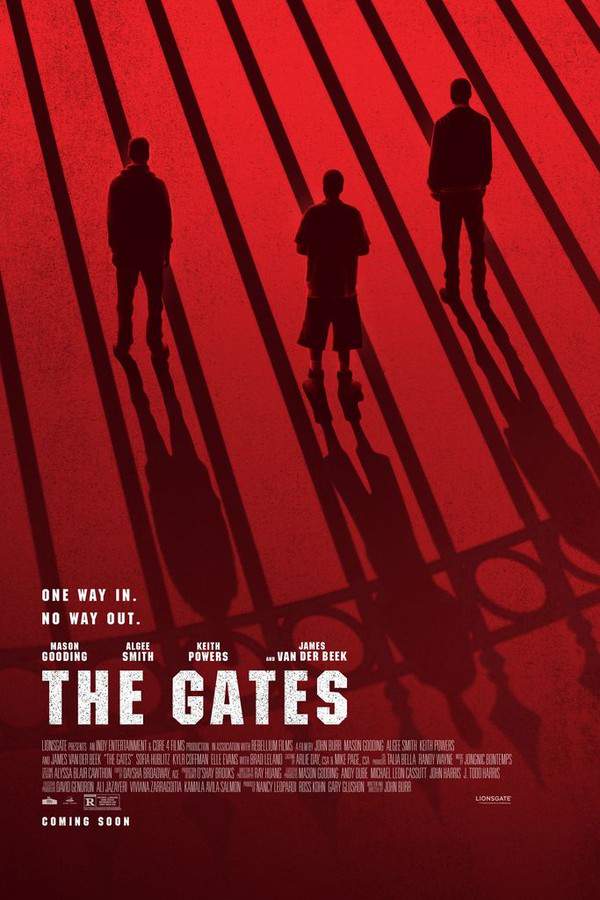
The Gates (2026) Reviews & Reception: Critical Consensus vs Audience Reactions – Is It Worth Watching?
When The Gates premiered on March 13, 2026, audiences and critics alike approached the thriller with a mixture of anticipation and somber reflection. Marking the final on-screen performance of James Van Der Beek before his untimely passing, this gated-community mystery arrived carrying emotional weight that transcended typical genre expectations. As viewers searched for The Gates (2026) review insights and spoiler-free reactions across platforms like Rotten Tomatoes and Metacritic, it became immediately apparent that this film would generate one of the most polarized film reception conversations of the year.
The movie, which follows three friends whose lives descend into chaos after witnessing a murder inside what appears to be a secure, privileged enclave, promised to blend social commentary with white-knuckle thriller tension. But did it deliver? At What’s After the Movie, we’ve analyzed hundreds of critic reviews and audience reactions to bring you a comprehensive breakdown of whether The Gates justifies a watch, how it compares to similar psychological thrillers, and why viewer opinions diverge so dramatically on its pacing, thematic execution, and emotional payoff. Whether you’re searching for Is The Gates worth watching or simply want to understand the critical consensus before streaming, this deep dive covers every angle of the conversation surrounding Van Der Beek’s cinematic farewell.
Critical Reception: Mixed Reviews and Missed Opportunities
The critic reviews for The Gates (2026) paint a picture of a film perpetually “on the verge” of greatness but never quite achieving it—a sentiment perhaps most eloquently captured by TheWrap’s assessment that the movie is “constantly on the verge of getting better, sometimes on the verge of getting good, but it never quite gets there.” This sentiment of unrealized potential runs throughout much of the professional film analysis, with critics landing on a decidedly mixed critical consensus that reflects the movie’s struggles to balance its ambitions with its execution.
Screen Rant delivered perhaps the harshest verdict, describing The Gates as “an absolutely forgettable dud” suffering from “molasses pacing and bland direction.” This criticism regarding the film’s tempo emerged as a recurring theme across movie review aggregators, with several critics noting that the thriller fails to maintain the propulsive energy required to sustain tension throughout its runtime. The film reception suggests that while director Kamala Avila-Salmon demonstrates visual competence in her feature debut, her pacing decisions may alienate viewers expecting the relentless momentum of contemporary thrillers like Get Out or Paranoid Park.
Conversely, RogerEbert.com offered a more forgiving perspective, noting that while “The Gates itself isn’t a total smash, it’s a more than sturdy final effort from a beloved actor.” This distinction between the film’s overall quality and its significance as Van Der Beek’s swan song became central to the critical discourse. The San Francisco Chronicle similarly positioned the film as “more than just a genre exercise, though hardly a breathtaking grabber,” comparing it directly to Jordan Peele’s Get Out while acknowledging it lacks that film’s revolutionary impact. Their observation that “dialogue, quirky incidents and a general acceptance that this is the unfortunate way life is” elevate the material beyond standard thriller fare suggests that film analysis of The Gates requires appreciating its tonal subtleties rather than judging it purely on suspense mechanics.
The Travers Take struck the most positive note among major outlets, praising Van Der Beek specifically for raising “the bar on a standard-issue thriller through the sheer force of his talent and magnetism.” This divergence in review scores—ranging from 30/100 to 55/100—illustrates how movie critic opinions largely coalesced around two key points: the film struggles with pacing and direction, yet remains watchable largely due to its lead performance and thematic ambitions. For viewers deciding whether to watch The Gates, the critical consensus suggests approaching it as a character study wrapped in thriller clothing rather than a pure genre exercise.
James Van Der Beek’s Final Performance: A Legacy Examined
Perhaps no aspect of The Gates (2026) audience reactions and critic reviews has generated more conversation than James Van Der Beek’s final screen appearance. The emotional weight of watching the Dawson’s Creek and Varsity Blues star in his last role fundamentally altered how many viewers reacted to the film, creating a unique reception context that separates The Gates from standard thriller releases.
User Jay S captured this sentiment perfectly, noting, “James Van Der Beek had a really stellar performance and the twists and turns were really fun and engaging!” Similarly, IAN H’s spoiler-free review emphasized that “Van Der Beek (RIP) is great, and Gooding was solid too,” while highlighting that the film succeeds as a theatrical experience best enjoyed “with a live audience.” These fan opinions suggest that the actor’s presence elevates material that might otherwise feel routine, with his performance serving as the primary driver of emotional investment for audiences familiar with his career trajectory.
However, the poignancy of this being Van Der Beek’s farewell also generated some of the harshest viewer reactions. User Timothy R expressed disappointment that “So sad this is Vanderbeek’s final film, deserved a lot better,” implying that the movie’s quality doesn’t match the significance of its star’s legacy. This tension between honoring the actor’s memory and objectively assessing the film’s merits created a complex reception landscape where movie ratings often reflected emotional connection rather than technical evaluation.
The Travers Take’s observation that Van Der Beek raises the bar “through the sheer force of his talent and magnetism” aligns with audience consensus that his performance ranks among the film’s strongest elements. Whether portraying desperation, moral conflict, or the specific paranoia of gated-community privilege, the actor reportedly brings nuance that the screenplay’s storytelling quality doesn’t always support. For fans of the actor searching for The Gates 2026 reviews, this performance alone appears to justify the viewing experience, regardless of the film’s structural imperfections. At What’s After the Movie, we’ve noted that traffic to our actor profiles and film summaries for The Gates spikes significantly when users are researching this specific aspect of the movie reception.
Audience Reactions: The Pacing Divide and Payoff Debate
Where critic reviews showed measured ambivalence, user reviews for The Gates (2026) reveal a starkly polarized audience reception. The film has generated everything from glowing 5/5 ratings calling it “riveting” and “absorbing” to scathing 0.5/5 verdicts labeling it “boring” and “predictable,” creating one of the most divided viewer reaction profiles in recent thriller releases.
User Lorry B’s enthusiastic film analysis exemplifies the film’s passionate defenders: “From its very first moments, THE GATES grips you with an intensity that won’t let you go. It’s the kind of film that reminds you why you go to the movies in the first place; to feel something real and exciting.” This viewer reaction emphasizes the movie’s relentless momentum (“no slow or boring parts”) and praises director Kamala Avila-Salmon’s debut as “polished, like it was made by someone with far more experience.” Similarly, Patricia B’s straightforward movie opinion that it was a “well structured true to life movie” suggests that fans of grounded thrillers find much to appreciate in the film’s approach to tension building.
Conversely, the negative audience reactions focus almost exclusively on pacing and payoff issues. Cherry M’s succinct criticism—“Too slow without a payoff”—echoes Brandon L’s admission that they “couldn’t get through the whole thing” and Gerta B’s dismissal of a “boring, predictable ride.” Harrison B’s more analytical review noted that “Serious themes explored in a baffling clunky manner,” suggesting that viewers expecting tight genre expectations from their thrillers find the film’s execution frustrating.
This divergence in is The Gates worth watching discourse appears to hinge on viewer patience and genre sophistication. Sally M’s spoiler-free review—“Super, intense movie, very well done… I was drawn in by this story, and the larger themes it touched upon such as bias and trust”—indicates that audiences willing to engage with the film’s social commentary find the pacing deliberate rather than sluggish. Meanwhile, those seeking immediate thriller satisfaction may find the film’s methodical buildup unsatisfying, particularly if the third act doesn’t deliver the catharsis they anticipate. At What’s After the Movie, our quiz page data suggests that viewers who enjoy slow-burn mysteries rate The Gates significantly higher than action thriller fans, making this a crucial consideration for anyone researching The Gates 2026 audience reactions before committing to a watch.
Genre Expectations vs. Social Commentary: Thriller or Statement Piece?
One of the most fascinating aspects of The Gates (2026) film reception involves the tension between its marketing as a straightforward thriller and its aspirations toward social commentary regarding privilege, gated communities, and systemic bias. This genre confusion significantly impacts viewer reactions, with audience scores often reflecting mismatched expectations rather than pure quality assessment.
IAN H’s detailed review touches precisely on this dynamic: “The sociology/race element, while critical to the plot and thought-provoking, nonetheless took a back seat to the will-they-won’t-they-get-out tension.” This observation suggests that The Gates succeeds when viewed primarily as a survival thriller, with its social messaging serving as context rather than primary focus. MovieFan44’s user review similarly praised it as a “Genre movie with something to say,” implying that the film works best when audiences approach it expecting entertainment first, commentary second.
However, critics like TheWrap viewed this hybrid approach less favorably, describing The Gates as “a missed opportunity for thrills, social commentary, humor and/or horror”—essentially criticizing it for failing to fully commit to any single lane. The San Francisco Chronicle’s comparison to Get Out proves particularly telling in film analysis contexts; while Jordan Peele’s film seamlessly blended horror tropes with incisive racial commentary, The Gates apparently struggles to achieve similar synthesis, resulting in a critical consensus that views its thematic ambitions as underdeveloped rather than elegantly integrated.
For viewers researching whether The Gates delivers on its premise, understanding this genre positioning proves essential. Jay S noted the film was “more grounded than most of its kind,” suggesting that realism expectations play a crucial role in satisfaction levels. The audience divide appears to separate those seeking escapist thriller entertainment from those appreciating thought-provoking cinema that uses genre conventions to explore real-world inequalities. At What’s After the Movie, we recommend checking our movie collections to find similar socially-conscious thrillers if The Gates’ thematic blend appeals to your viewing preferences.
Kamala Avila-Salmon’s Directorial Debut: Technical Execution and Visual Storytelling
As a first major feature from director Kamala Avila-Salmon, The Gates (2026) inevitably faces scrutiny regarding its technical execution and visual storytelling. The reception to this debut reveals a filmmaker with clear visual instincts but perhaps less command over pacing and narrative structure—a common challenge for emerging directors working within the demanding thriller genre.
User Lorry B’s detailed analysis offers high praise for the directorial vision: “Knowing this is Kamala Avila-Salmon’s first major film makes it even more remarkable. The movie feels polished, like it was made by someone with far more experience.” This audience perspective highlights the film’s cinematography and production design, particularly in rendering the gated community setting as both physically beautiful and psychologically claustrophobic. The visuals apparently succeed in creating the atmospheric tension necessary for the film’s paranoid narrative.
However, critics like Screen Rant specifically targeted the “bland direction” as a primary flaw, while TheWrap noted the film’s inability to translate its promising setup into satisfying storytelling quality. This critical reception suggests that while Avila-Salmon may have a promising future, The Gates represents a learning experience rather than a fully realized directorial statement.
The pacing issues noted across both critic reviews and user reactions likely stem from first-feature growing pains, where the editing and tempo decisions haven’t yet benefitted from the refined instincts of more experienced filmmakers. For viewers interested in tracking emerging talent, The Gates offers a fascinating case study in potential versus execution—a film that cinema enthusiasts might appreciate as a debut feature even if it doesn’t fully satisfy as a standalone thriller experience.
Conclusion: Navigating the Divided Reception of The Gates (2026)
As the reviews clearly demonstrate, The Gates (2026) occupies a complicated space in the contemporary thriller landscape. With a mixed critical consensus hovering around the 50/100 mark and audience reactions ranging from outright dismissal to passionate endorsement, this film demands that potential viewers approach with calibrated expectations.
The central question—is The Gates worth watching—ultimately depends on your viewing priorities. If you’re drawn to James Van Der Beek’s final performance or appreciate slow-burn thrillers with social consciousness, the film likely justifies your time despite its pacing issues. However, if you require tight plotting and immediate suspense payoff, the mixed reception suggests you might want to check our movie summaries first or wait for streaming.
At What’s After the Movie, we believe The Gates represents an interesting cultural moment—a film whose reception is inseparable from the tragic real-world context of its star’s passing, yet one that also signals promising directorial potential from Kamala Avila-Salmon. Whether you ultimately agree with critics or side with enthusiastic audiences, this is a film that generates conversation, making it worthy of exploration for any serious film fan. Visit our comprehensive movie page for additional box office data, cast information, and interactive features to enhance your viewing experience.
| Site | Link |
|---|---|
| The Gates IMDB | IMDB |
| The Gates TMDB | TMDB |
| The Gates Wikipedia | Wikipedia |
| The Gates Rotten Tomatoes | Rotten Tomatoes |
| The Gates Metacritic | Metacritic |
| The Gates JustWatch | JustWatch |
| The Gates Letterboxd | Letterboxd |
Continue reading




What's After the Movie?
Not sure whether to stay after the credits? Find out!
Check out our other apps:

SAT Sphere
Build confidence for the Digital SAT.

Mori Atlas
Discover wild places worth protecting.

Luntero
Search smarter for a home in Amsterdam.

Plot Explained
Unravel movie endings and hidden clues.

Pokechamp
Dive into Pokémon data and battle logic.

Driving Theory
Get ready for your European theory test.

Movie Dust
Plan your next cinema trip with ease.

Musemap
Find art and culture as you travel.

Selkobase
Compare credentials before committing.

Local Manual
Turn an unfamiliar country into practical next steps.

Lernavi
Compare school systems before your next move.

GymRoam
Find a workout stop wherever your plans take you.
Explore Our Movie Platform
New Movie Releases (2026)
Famous Movie Actors
Top Film Production Studios
Movie Plot Summaries & Endings
Major Movie Awards & Winners
Best Concert Films & Music Documentaries
Movie Collections and Curated Lists
© 2026 What's After the Movie. All rights reserved.
Privacy Policy