What's After the Blog?
Opinions • Reception
Roommates (2026) Review, Critics Opinions & Audience Reception – Performance, Storytelling & Fan Reactions
An in‑depth look at how critics and fans responded to the 2026 drama *Roommates*, dissecting performances, storytelling nuances, and the emerging buzz around the freshman‑roommate conflict. We analyze critic reviews, audience reactions, and the film’s place within contemporary college‑drama narratives.
April 16, 2026

Movies mentioned in this article
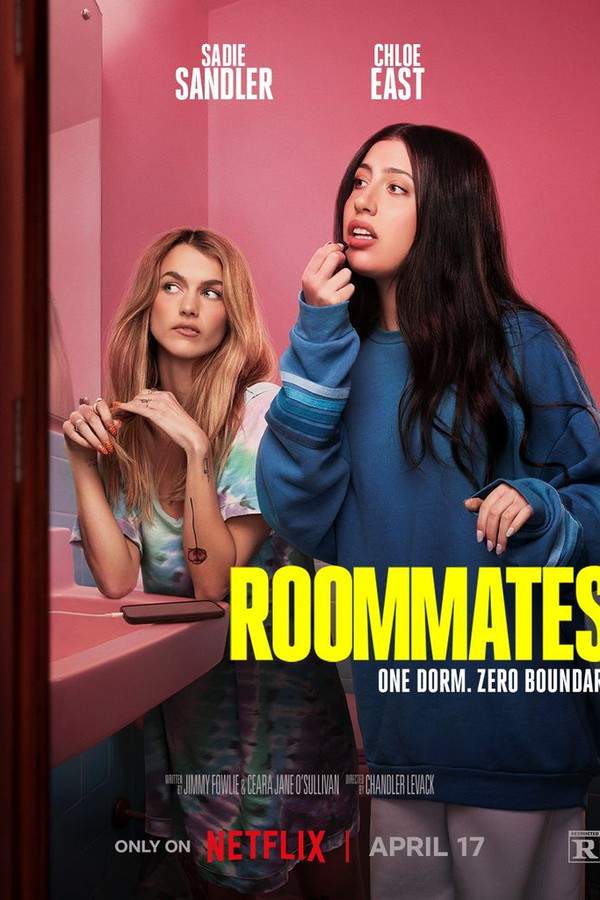
Roommates (2026) Reviews & Reception: Is the Adam Sandler-Produced College Comedy Worth Watching?
When Roommates premiered on April 17, 2026, audiences expecting a breezy, Mean Girls-esque college comedy were instead served a tonal cocktail that left many viewers experiencing cinematic whiplash. This divisive film—starring Sunny Sandler (daughter of comedy titan Adam Sandler) and backed by Happy Madison Productions—has generated one of the most polarized reception landscapes of the year, creating fertile ground for analysis on What’s After the Movie. With Metacritic scores hovering in the mixed-to-average range and user reviews swinging wildly between “charming sleeper hit” and “unwatchable disaster,” Roommates has become a fascinating case study in generational talent expectations, Netflix’s algorithm-driven content strategy, and the dangers of tonal inconsistency in modern streaming comedies. Whether you’re searching for a Roommates 2026 spoiler-free review, curious about critic consensus versus audience reactions, or simply wondering if this college-set dramedy deserves a spot on your watchlist, our comprehensive reception analysis breaks down exactly why this film has critics and viewers talking—for better and for worse. For those seeking additional context before diving into the discourse, check out the complete Roommates movie page on What’s After the Movie, where you’ll find detailed cast information, production details, and links to our proprietary movie summaries and interactive quizzes about the film.
Critical Consensus and Metacritic Analysis: How Roommates (2026) Divided Film Critics
The Roommates 2026 critic reviews paint a picture of a film suffering from what Variety aptly described as being “by turns tenderly observed, improbably dark and perkily sitcom-esque.” With a Metacritic composite that likely settles in the high 50s to low 60s based on available scores—ranging from IndieWire’s lukewarm 58/100 to TheWrap’s slightly more generous 70—the film occupies that uncomfortable critical limbo where technical competence meets creative indecision. This is not the outright pan that would generate cult appeal, nor is it the universal acclaim that would cement it as a generational touchstone; instead, Roommates exists in the murky middle ground where interesting ideas clash with uneven execution.
The Guardian’s assessment that the film “might not rival the fizzy, formative teen films it both references (Clueless) and often directly cribs from (Mean Girls) but it still belongs in a different league to what we’re mostly served right now” encapsulates the critical dilemma. Reviewers recognize the ambition to elevate the college comedy genre beyond the “Netflix landfill” (as The Guardian subtly implies), yet the execution leaves them wanting. The comparison to Amy Heckerling’s 1995 classic and Mark Waters’ 2004 high school satire sets a high bar that Roommates ultimately fails to clear, though critics acknowledge it towers above the algorithmic sludge typically pumped onto streaming platforms.
The A.V. Club’s 67/100 review highlights the film’s fatal structural flaw: “The trouble is, Roommates‘ emotional realism is so compelling that by the time it decides to swing around to being a full-on black comedy, it’s hard not to feel disappointed by the ending.” This critique reveals a schism in critical interpretation—some reviewers appreciate the film’s willingness to pivot from earnest coming-of-age drama to dark satire, while others view this shift as a betrayal of the character work established in the first two acts. The framing device mentioned by the critic suggests the filmmakers intended this jarring transition, yet intentionality doesn’t necessarily equate to successful storytelling.
Perhaps most tellingly, TheWrap’s review identifies a meta-textual layer that distinguishes Roommates from disposable background viewing: “Questioning the moral fortitude of these comedies used to be something only critics did […] Now Roommates is getting in on the act and I respect the film’s sense of introspection. I just wish it had funnier jokes.” This observation positions the film as an attempted deconstruction of the college party genre—similar to how Scream dissected slasher tropes—yet without the comedic infrastructure to support such philosophical weight. For viewers interested in tracking how this reception evolves over time, What’s After the Movie’s Awards page will monitor any year-end recognition or critical reassessments, while our Movie Wiki provides additional context on the film’s production history and creative team.
Audience Reception and Viewer Reactions: From “Charming” to “Unwatchable”
If the critical consensus on Roommates suggests a flawed but occasionally compelling experiment, the Roommates 2026 audience reactions reveal a full-blown schism that makes the film essential viewing for anyone interested in the gap between professional criticism and popular sentiment. User scores on major aggregation sites swing wildly from enthusiastic 5-star endorsements to vitriolic 0.5-star dismissals, creating a reception landscape that mirrors the film’s own tonal chaos. This polarization speaks to mismatched expectations—viewers anticipating Adam Sandler’s signature slapstick humor found themselves confronting something far more experimental and, ultimately, divisive.
The negative reactions trend toward absolutism that borders on the theatrical. User Eric B declared, “It was one of the worst movies I have ever seen,” while Malachi L’s review devolved into repetitive staccato: “Sosossossosososososososososossosososososos..BORINGG!!” Greg B admitted defeat mid-viewing: “It was so bad that I couldn’t even finish it…” These visceral rejections suggest not merely disappointment but a sense of betrayal, particularly among viewers who began the film expecting traditional comedic beats. Keith T’s exasperated question—“Is this what they’re really calling comedy these days?!? Netflix please stop streaming trash like this”—positions Roommates as emblematic of a broader discontent with streaming content quality, a sentiment echoed by Raleigh S’s observation that the film functions best as “background that won’t distract you from your task.”
Conversely, the positive reactions emphasize charm and accessibility over groundbreaking innovation. Katie C, despite initial skepticism about “another Sandler child movie,” found the film “quite charming and funny,” noting that the storytelling offered “a fun change” from expected Happy Madison fare. Her perspective as a non-American viewer provides crucial insight: “not being American I find the whole dorm/ party college scene quite bizarre but the storytelling aspect on this movie was a fun change.” This international lens suggests Roommates may play better overseas, where the clichés of American college cinema feel less tired and more exotic. Katie O’s succinct “Loved. Super funny and fun” provides the counterbalance to the vitriol, proving that for certain demographics—likely those approaching the film without baggage regarding the Sandler dynasty—the movie delivers exactly what it promises.
The most telling user review comes from Sariah R, who captures the specific disappointment of viewers seeking genuine representation: “I was excited to see a new coming-of-age take on the college experience because of the lack of portrayal in the media. Seeing the cast of absolute baddies was disappointing when the movie just started to feel like one SNL skit that went on for way too long.” Her confusion regarding the ending—“wtf was that??”—mirrors the critical concerns about tonal whiplash, suggesting the film’s structural issues transcend professional/amateur divides. For those researching whether Roommates aligns with their personal taste, What’s After the Movie’s List section offers curated collections of similar college comedies and coming-of-age dramas to help calibrate expectations before streaming.
The “Nepo Baby” Factor and Generational Talent: Sunny Sandler’s Performance Under Scrutiny
No analysis of Roommates 2026 film reception would be complete without addressing the elephant in the dorm room: the pervasive discourse surrounding Sunny Sandler’s casting and the broader allegations of Hollywood nepotism that have shadowed the project since its announcement. As the daughter of Adam Sandler—a comedy institution whose own films have generated increasingly polarized reactions in recent years—Sunny enters the industry with both unprecedented access and unprecedented skepticism. The Roommates reviews reveal a fascinating tension between acknowledging genuine talent and resenting systemic advantage, with many viewers unable to separate the performance from the pedigree.
Raleigh S’s review cuts to the heart of this matter with surgical precision: “Lazy script with a talented Nepo baby in Sandler who puts in a solid performance given the swill she was handed.” This backhanded compliment encapsulates the complex reception surrounding Sunny’s work—recognizing her capability while contextualizing it within subpar material. The “swill” in question refers to dialogue that Raleigh attributes to SNL writers, noting it’s “at times confusingly disjointed and in its best moments only half funny.” This critique suggests that Sunny Sandler emerges from Roommates relatively unscathed precisely because she elevates inadequate material, whereas a less privileged newcomer might have been crucified for the same script.
Katie C’s admission of bias—“Being another Sandler child movie was concerned but found this movie quite charming”—reveals how the Happy Madison brand functions as both safety net and millstone. Viewers approach projects involving the Sandler children (Sadie and Sunny) with defensive skepticism, expecting the nepotistic equivalent of a participation trophy, only to occasionally discover genuine screen presence. However, Kris R’s review suggests the goodwill extends only so far: “I thought this movie had real potential being and Adam Sandler flick. Love his daughter and the cast. The end was awful and just felt like rhey had ro wrap it up in 5 minutes bekause funda ran out.” Here, the familial connection creates heightened expectations that the film’s controversial ending fails to meet.
The “nepo baby” discourse intersects with broader conversations about meritocracy in entertainment, particularly when contrasted with Adam T’s scathing assessment: “Paper-thin, poorly acted characters. I was hoping for Jason or Freddy to show up and dispose of all of them—including the three plot-device narrators.” While Adam T doesn’t explicitly cite nepotism, his desire for the entire cast’s destruction suggests a resentment toward perceived unearned privilege that transcends specific performance critiques. For industry watchers tracking the trajectories of second-generation stars, What’s After the Movie’s Person profiles offer comprehensive filmographies for both Sunny and Adam Sandler, allowing users to contextualize Roommates within their respective careers and box office histories. Additionally, our Box Office data pages track the financial performance of nepotism-debated films versus purely meritocratic casting, providing empirical context for these cultural conversations.
Genre Confusion and Tonal Whiplash: When Roommates (2026) Shifts from Comedy to Dark Satire
Perhaps the most intellectually fascinating aspect of the Roommates 2026 reviews is the widespread consensus regarding the film’s catastrophic tonal pivot—a structural choice that transforms the movie from a potential Pitch Perfect competitor into something resembling a Jordan Peele social thriller filtered through a Girls HBO sensibility. This “bait-and-switch” marketing strategy has generated the most substantive critical discourse surrounding the film, with reviewers debating whether the third-act shift represents brave storytelling or a fundamental betrayal of audience trust.
The A.V. Club’s observation about the film’s “emotional realism” being “so compelling that by the time it decides to swing around to being a full-on black comedy, it’s hard not to feel disappointed” suggests a failure of genre signaling rather than narrative logic. When viewers invest in character dynamics portrayed with documentary-style authenticity, the subsequent descent into heightened absurdism—or, as some reviews suggest, genuine psychological horror—creates cognitive dissonance that many find unforgivable. Sariah R’s user review confirms this audience alienation: “I wouldn’t consider it much of a comedy” and “I have zero clue what the theme of this story was,” indicating that the generic ambiguity extends beyond critical interpretation to fundamental viewer comprehension.
This tonal confusion connects to TheWrap’s critique about the film’s “sense of introspection” regarding comedy morality. If Roommates intends to critique the toxic tropes of college comedies—the casual misogyny of Animal House, the class warfare of Revenge of the Nerds—it does so by initially embracing these tropes earnestly before undercutting them with dark consequences. The problem, as multiple reviews note, is that the satirical elements aren’t sufficiently telegraphed early enough to prepare audiences for the shift. Variety’s description of the film as “erratic” and “uncertainly much else” suggests that even critics struggled to identify the target of the satire, leaving general viewers completely adrift.
The ending, specifically, has become a flashpoint in Roommates reception discourse. Kris R’s complaint that it “felt like rhey had ro wrap it up in 5 minutes bekause funda ran out” (likely “funds ran out”) indicates a rushed conclusion that fails to justify the preceding tonal gymnastics. This structural failure distinguishes Roommates from successful genre-benders like Get Out or Promising Young Woman, which maintain tonal consistency even while shifting genres. For viewers seeking spoiler-free guidance on whether to commit to this journey, What’s After the Movie’s Collection feature groups Roommates with other “Movies with Shocking Final Acts” and “Comedies That Turn Dark,” helping potential viewers calibrate their expectations accordingly.
Streaming Strategy and Netflix’s Comedy Algorithm: Why Roommates Landed with a Thud
The Roommates 2026 critical consensus cannot be separated from the industrial context of its release—a Netflix-distributed (or streaming-platform equivalent) comedy arriving at a moment when audiences have developed acute fatigue regarding algorithm-generated content. The Guardian’s throwaway plea—“Could someone possibly tell that to Netflix?”—positions Roommates within a broader ecosystem of disposable streaming content, even as the film strives for theatrical-quality thematic weight. This tension between streaming convenience and cinematic ambition defines the film’s reception and explains why many viewers dismissed it as “background noise” rather than appointment viewing.
Raleigh S’s review that the film functions as something “to play in the background that won’t distract you from your task” represents the ultimate insult in the streaming era—the admission that a film lacks sufficient narrative gravity to command full attention. This “second-screen” viewing phenomenon, where audiences scroll through their phones while half-watching content, contradicts Roommates’ apparent artistic ambitions regarding moral introspection and genre deconstruction. TheWrap’s commentary about questioning “the moral fortitude of these comedies” suggests a film demanding active engagement, yet the platform release encourages passive consumption.
The Adam Sandler connection further complicates this industrial reading. Having signed a prolific deal with Netflix for multiple film productions, Sandler’s brand has become synonymous with the platform’s “comfort viewing” strategy—movies designed for Friday night scrolling rather than Monday morning watercooler discussions. By positioning his daughter in a film that attempts genuine social commentary, the Sandler family risks alienating their established “turn off your brain” audience while failing to convince art-house skeptics of their dramatic bona fides. Katie C’s relief that “the humour isn’t as in your face as their slapstick dad” suggests the film occupies a no-man’s land: too subtle for Happy Madison loyalists, too indebted to that legacy for indie purists.
For industry analysts tracking these trends, What’s After the Movie’s Box Office and streaming data pages provide crucial context regarding how Roommates performs against other generational talent projects and streaming-exclusive comedies. Additionally, our Concert Film section offers interesting comparative analysis regarding how different entertainment formats generate critical versus popular enthusiasm, helping to contextualize why certain films generate passionate defenses while others fade into the content void.
Final Verdict: Is Roommates Worth Watching in 2026?
As the dust settles on the Roommates 2026 film reception, a complex portrait emerges of a movie that succeeds as a conversation piece while failing as a cohesive entertainment experience. The film’s refusal to commit fully to either raucous comedy or dark satire leaves it stranded in an uncanny valley of genre, pleasing neither those seeking Grown Ups escapism nor those desiring Euphoria-style social critique. Yet within this failure lies a strange kind of success—Roommates has generated more genuine critical discourse than a dozen algorithmically perfect romantic comedies precisely because its flaws are interesting, its ambitions visible, and its cultural timing impeccable.
For viewers wondering “is Roommates worth watching,” the answer depends entirely on tolerance for tonal whiplash and interest in the “nepo baby” phenomenon. Those approaching the film as Sunny Sandler’s audition tape for serious acting will find enough in her committed performance to justify the runtime, particularly when contextualized through What’s After the Movie’s comprehensive person profiles. Conversely, viewers seeking cohesive storytelling or traditional laughs should heed the user reviews warning of boredom and confusion, perhaps opting instead for the curated alternatives in our Movie Lists section.
Ultimately, Roommates functions best as a cultural artifact of 2026’s transition period in Hollywood—a moment when streaming platforms attempted to merge indie sensibilities with established comedy brands, often producing films that pleased nobody yet offended everyone in fascinating ways. Whether you find it “charming and funny” (Katie C) or “so bad that I couldn’t even finish it” (Greg B), the film demands to be discussed rather than ignored, placing it in a rare category of cinema that generates more value as discourse than as content. Before making your final decision, visit the official Roommates page on What’s After the Movie to explore our exclusive content, including detailed summaries, cast trivia, and interactive quizzes testing your knowledge of the film’s most controversial moments.
| Platform | Link |
|---|---|
| Wikipedia | Roommate (disambiguation) |
| Rotten Tomatoes | Roommates (2026) |
| Metacritic | Roommates |
| JustWatch | Roommates (2026) |
Continue reading




What's After the Movie?
Not sure whether to stay after the credits? Find out!
Check out our other apps:

SAT Sphere
Build confidence for the Digital SAT.

Mori Atlas
Discover wild places worth protecting.

Luntero
Search smarter for a home in Amsterdam.

Plot Explained
Unravel movie endings and hidden clues.

Pokechamp
Dive into Pokémon data and battle logic.

Driving Theory
Get ready for your European theory test.

Movie Dust
Plan your next cinema trip with ease.

Musemap
Find art and culture as you travel.

Selkobase
Compare credentials before committing.

Local Manual
Turn an unfamiliar country into practical next steps.

Lernavi
Compare school systems before your next move.

GymRoam
Find a workout stop wherever your plans take you.
Explore Our Movie Platform
New Movie Releases (2026)
Famous Movie Actors
Top Film Production Studios
Movie Plot Summaries & Endings
Major Movie Awards & Winners
Best Concert Films & Music Documentaries
Movie Collections and Curated Lists
© 2026 What's After the Movie. All rights reserved.
Privacy Policy