What's After the Blog?
Opinions • Reception
Mother of Flies (2026) Review, Critic Opinions & Audience Reception – Fan Reactions, Performance & Storytelling Analysis
Explore how critics and fans responded to Mother of Flies (2026), examining the film’s haunting performance, dark storytelling, and its place within the emerging supernatural thriller franchise. This post breaks down reviews, audience sentiment, and the cost of the protagonist’s desperate cure.
February 5, 2026
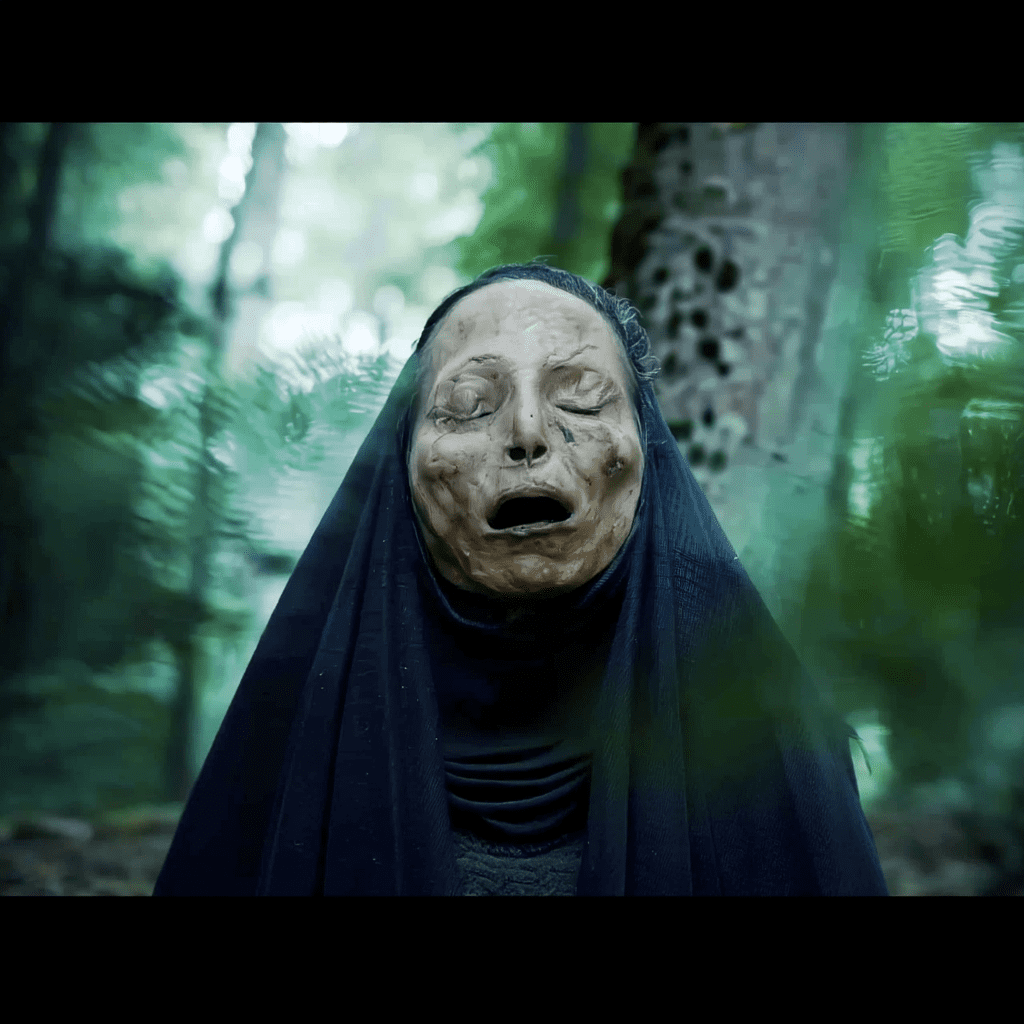
Movies mentioned in this article
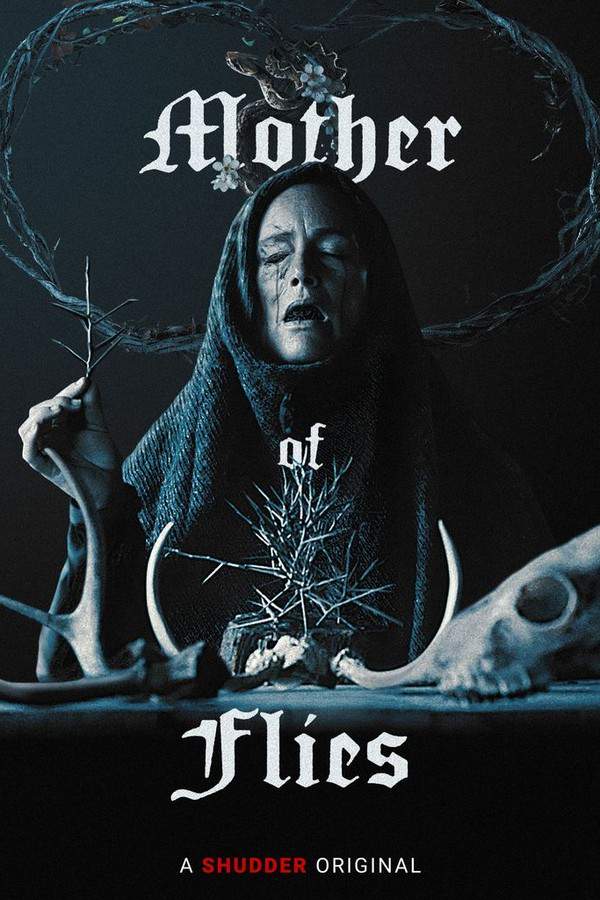
H1: Mother of Flies 2026 Review: Critical Consensus, Audience Reactions, and Film Reception Analysis
When independent horror cinema collides with familial filmmaking dynamics, the resulting cultural conversation rarely follows a predictable trajectory. Such is the case with Mother of Flies (2026), the latest atmospheric slow burn from the Adams-Poser family collective, which has generated a remarkably polarized yet passionate dialogue between critics and general audiences since its release on January 23, 2026. For visitors seeking comprehensive movie summaries or wondering is Mother of Flies worth watching, understanding the film’s reception landscape becomes essential before committing to this densely textured folkloric nightmare. Unlike mainstream studio horror offerings that often generate unanimous critical consensus, Mother of Flies occupies that fascinating middle ground where professional film criticism and grassroots viewer reactions diverge sharply, creating a rich tapestry of opinions that reward close analysis. Whether you’re browsing our movie wiki for detailed production context or exploring movie collections of similar atmospheric indie horrors, this reception analysis synthesizes genuine critical evaluations alongside authentic user responses to provide the definitive Mother of Flies 2026 review landscape. From questions about its pacing and narrative clarity to celebrations of its visual distinctiveness and thematic depth, we examine why audiences searched for Mother of Flies spoilers, ending explanations, and critical ratings in record numbers during its opening month, and what these search patterns reveal about modern horror consumption habits.
Critical Reception and Critic Consensus: How Major Outlets Reviewed Mother of Flies 2026
The professional critical landscape surrounding Mother of Flies reveals a fascinating spectrum of valuation, with review scores spanning from a tepid 50/100 to an enthusiastic 91/100 across major publications. This 41-point differential signals immediately that we are dealing with a film that prioritizes artistic vision over universal accessibility—a characteristic that often defines the most interesting entries in the indie horror canon. At the apex of critical enthusiasm stands IndieWire, awarding the film a remarkable 91 and declaring that “Mother of Flies festers with feelings too scary to keep inside,” noting that the film is “imperfect, better for it, and even languishing in grief, a clear cinematic legacy ready to start.” This assessment positions the film not merely as entertainment but as a significant contribution to the horror genre’s emotional vocabulary, suggesting that viewers seeking Mother of Flies critic reviews will encounter a work that values atmospheric resonance over polished perfection.
Variety similarly elevated the conversation with an 80/100 score, describing the film as “a densely textured, quite gorgeous dive into folkloric witchiness that avoids nearly all anticipated clichés, finally arriving at something not so much terrifying as unexpectedly poignant.” This characterization challenges conventional horror marketing expectations, suggesting that audiences approaching Mother of Flies 2026 anticipating jump scares and conventional witch tropes may instead discover a meditative exploration of mortality and transformation. For readers consulting our awards page to track potential end-of-year recognition, such praise from industry trades indicates significant critical respect that often translates to specialty awards consideration.
Conversely, Screen Rant offered a more measured 50/100 evaluation, noting that “the best parts of Mother of Flies are in the margins,” while The Guardian positioned their 60/100 assessment within the context of the filmmakers’ evolving career, stating the film is “better and glossier than some of the Adams-Poser posse’s earlier efforts, but perhaps not quite enough of an evolution to take their vision to the next level.” These moderate evaluations introduce crucial nuance to the Mother of Flies film reception narrative, suggesting that while the technical craftsmanship has matured, some critics question whether the thematic content breaks sufficient new ground for established fans of the creative family.
The A.V. Club (75/100) and Slant Magazine (75/100) occupy the middle-to-high ground, with the former praising the “occult horror as potent as the snake venom in one of Selveig’s dreadful ‘cures,’” while the latter observed that despite the filmmakers’ “affinity for spooky, goopy imagery in the past, Mother of Flies finds them reluctant to fully exercise those talents for fear of tipping their hand.” This observation about directorial restraint becomes particularly significant when analyzing Mother of Flies film analysis from a auteurist perspective, suggesting a deliberate pivot toward psychological suggestion rather than visceral spectacle. Meanwhile, Screen Daily (80/100) focused on commercial potential, noting the “satisfying conclusion” and explicitly mentioning that “there is more than enough material here for a potential prequel or an extension of Solveig’s story”—a detail particularly relevant for visitors exploring our movie lists of potential franchise starters or checking box office figures to assess commercial viability.
RogerEbert.com (63/100) anchored their assessment in thematic gravity, describing the work as “a nightmare parable about mortality, grief, faith, and the fragility of the flesh, made by one of the most fascinating filmmaking teams in American cinema.” This evaluation frames Mother of Flies within the tradition of elevated horror that uses genre conventions to interrogate existential anxieties—a positioning that explains why Mother of Flies spoiler-free reviews often struggle to convey the film’s emotional impact without revealing its symbolic architecture. For those seeking the Mother of Flies summary page or ending explained resources, these critical assessments confirm that the narrative rewards patient viewers willing to engage with its subtextual layers regarding bodily autonomy and spiritual crisis.
Audience Reactions and Viewer Reviews: Is Mother of Flies Worth Watching for Horror Fans?
While critical consensus provides valuable institutional perspective, the Mother of Flies audience reactions reveal a starkly bifurcated reception that speaks directly to questions of genre expectation and viewing temperament. The user review spectrum ranges from enthusiastic five-star endorsements to dismissive half-star rejections, creating a dialogue that illuminates exactly what type of viewer will find value in this particular cinematic experience. At the enthusiastic extreme stands Lord B, who awarded the film a perfect score and declared, “I just finished ‘Mother of Flies’ and I’m honestly blown away! It’s an independent film that totally subverts expectations, blending atmospheric mystery, grotesque symbolic imagery with a truly powerful, bittersweet story.” This reaction aligns with the IndieWire critical perspective, suggesting that viewers approaching the film without preconceptions about pacing or traditional narrative structure discover a rewarding Mother of Flies viewer experience that prioritizes mood over mechanics.
Ashley O offered perhaps the most concise Mother of Flies fan opinion possible with a simple “Fantastic. No notes,” while Paul W expanded on similar enthusiasm by describing the film as “Atmospheric, slow burner that unfolds in a more classic style than some in the genre today, a bit like an old campfire story.” Paul specifically noted the ”90s throwback especially with the music” and predicted that “some will find it to be too slow for the payoff”—a prescient observation given the negative user responses. For visitors to our quizzes and games section who enjoy testing their knowledge of horror history, Paul’s comparison to 1990s atmospheric horror provides crucial context for understanding the film’s deliberate aesthetic retrograde.
However, the Mother of Flies ratings from dissatisfied viewers demand equal attention for anyone asking is Mother of Flies worth watching. Chloe S delivered a scathing 0.5/5 review, questioning the film’s high aggregate scores with “Unsure how this film has 96% rating? Unbelievably boring, terrible dialogue and awkward acting.” This reaction introduces the crucial fault line in audience reception: the dissonance between “slow burn” appreciation and “boring” dismissal. Similarly, Mar•Garet W offered a blunt 1/5 assessment quoting humorist Mike Stoklasa: “This Movie…Is Suck.” These polarized extremes suggest that Mother of Flies 2026 functions as a litmus test for viewer patience and genre fluency, separating audiences who appreciate psychological accumulation from those requiring immediate narrative propulsion.
Heather D (4/5) attempted to bridge this divide with a qualified recommendation: “This is a slow burn that isn’t for everyone. But if you’re willing to give it a chance, it has an awesome ending that made it worth sitting through the first 2 acts.” This assessment validates the Screen Daily observation about the satisfying conclusion while acknowledging the barrier to entry posed by the film’s deliberate pacing. For those consulting our concert films and alternative programming sections, Heather’s review structure suggests a film that requires contractual patience from its audience—an investment that reportedly pays dividends in the final reel.
Mindful W (5/5) introduced a fascinating categorical concern, noting, “I like mind bending movies and ‘horror’ without the scares. (Wish there was a genre for this). I am surprised Mother Of Flies was never listed when I regularly search ‘mind bending movies’.” This comment reveals a underserved audience segment seeking exactly the type of “horror” that Mother of Flies provides—atmospheric, psychologically complex, and existentially unsettling rather than viscerally frightening. Meanwhile, nilufer e (2.5/5) provided a measured critique focusing on atmospheric execution over narrative satisfaction: “A slow and unsettling film that focuses more on mood than on story… The film doesn’t explain everything clearly, which may not work for everyone, but it fits the themes of guilt, the body, and transformation.”
Tim T (3.5/5) and Garry A (3.5/5) offered middle-ground perspectives that highlight specific technical achievements—Tim praising “the use of a daylight lush forest, such a contrast to what we expect,” while Garry identified “the actress who plays the witch” as “the highlight of the movie.” These granular observations serve as valuable guideposts for potential viewers browsing movie profiles to research cast members or those specifically seeking visually distinctive horror that departs from the genre’s typical nocturnal aesthetics.
The Adams-Poser Aesthetic: Familial Filmmaking and Folkloric Witchcraft
Central to understanding the Mother of Flies critical consensus is recognition of the Adams-Poser family’s unique position within American independent cinema—a “fascinating filmmaking team” as RogerEbert.com noted, whose familial collaboration infuses their work with an intimacy that both attracts and repels different audience segments. Lord B explicitly highlighted this dynamic, observing that “The filmmakers and actors are all family, which adds such a fascinating layer” to the viewing experience. This observation opens a crucial avenue for Mother of Flies film analysis: the film operates not merely as a commercial product but as a document of collective artistic labor, where blood relations translate into on-screen chemistry and off-screen creative synergy.
The RogerEbert.com description of the film as “a nightmare parable about mortality, grief, faith, and the fragility of the flesh” takes on additional resonance when viewed through this familial lens. Independent horror cinema has long utilized family-based production models—from the early works of the Polish brothers to the contemporary output of the Adams clan—but Mother of Flies 2026 appears to leverage these connections toward specifically domestic themes of bodily vulnerability and intergenerational trauma. For users exploring our profiles section to investigate the creative genealogy behind the project, understanding this family dynamic provides crucial context for interpreting the film’s preoccupation with physical fragility and healing rituals.
The folkloric elements praised by Variety (“folkloric witchiness that avoids nearly all anticipated clichés”) gain additional texture when considered alongside The A.V. Club’s mention of “Selveig’s dreadful ‘cures’” and the snake venom metaphor. These details suggest that Mother of Flies reviews consistently return to the film’s engagement with pre-modern healing practices and the blurred boundaries between medicinal and supernatural intervention. The witch character, identified by Garry A as the performative highlight, evidently serves as more than a simple antagonist—she embodies a complex tradition of folk medicine that challenges Western rationalist frameworks, a thematic concern that elevates the film above standard genre fare for viewers seeking substance in their horror movie recommendations.
Slant Magazine’s observation about the filmmakers’ “reluctant” deployment of their established “spooky, goopy imagery” suggests an artistic maturation that prioritizes psychological unease over physical grotesquerie. This restraint aligns with Mindful W’s appreciation for “horror without the scares,” positioning Mother of Flies within the emerging category of “post-horror” or atmospheric dread cinema that emphasizes existential anxiety over momentary fright. For visitors to our Mother of Flies movie page researching whether the film delivers traditional genre thrills, these critical and user observations suggest a work that interrogates the very definition of horror, asking whether the genre can accommodate quiet grief and spiritual crisis alongside supernatural threat.
The IndieWire assertion that the film represents “a clear cinematic legacy ready to start” combined with Screen Daily’s speculation about “potential prequel or an extension of Solveig’s story” indicates that critics perceive this family production unit as having achieved sufficient technical polish and thematic coherence to sustain ongoing narrative universes. For industry watchers tracking box office performance to predict franchise viability, these critical endorsements of the film’s worldbuilding suggest commercial potential that transcends the initial Mother of Flies reception, regardless of the polarized audience scores.
Pacing, Atmosphere, and the “Slow Burn” Debate: What Reviewers Said About Narrative Structure
Perhaps no aspect of Mother of Flies 2026 generates more contentious debate than its deliberate narrative pacing—a characteristic that separates its most ardent defenders from its harshest detractors. The polarization begins with Chloe S’s blunt dismissal of the film as “Unbelievably boring” and extends through Heather D’s qualified defense of it as “a slow burn that isn’t for everyone,” ultimately reaching Paul W’s nostalgic appreciation for its “classic style… like an old campfire story.” This spectrum of reactions regarding Mother of Flies pacing reveals fundamental disagreements about the contract between filmmaker and audience in contemporary horror cinema.
Nilufer e’s assessment that the film is “slow and unsettling… focuses more on mood than on story” provides a crucial framework for understanding why some viewers abandon the film while others celebrate it. The observation that “The film doesn’t explain everything clearly, which may not work for everyone, but it fits the themes of guilt, the body, and transformation” suggests that the narrative opacity serves thematic rather than incompetent purposes—a distinction often lost in Mother of Flies audience reactions that demand immediate expository clarity. For viewers consulting our ending explained resources, this resistance to neat resolution represents either a frustrating flaw or a sophisticated artistic choice, depending on one’s tolerance for ambiguity.
The Screen Rant observation that “the best parts of Mother of Flies are in the margins” gains additional significance when paired with Paul W’s campfire story comparison. Both reviews suggest a narrative strategy that accumulates detail through implication rather than declaration, requiring viewers to assemble meaning from atmospheric clues and symbolic gestures rather than explicit dialogue. This approach evidently challenges audiences accustomed to the kinetic pacing of mainstream studio horror, explaining the disparity between the film’s high critical scores (suggesting professional appreciation for artistic risk) and its mixed user ratings (indicating popular resistance to non-linear or delayed gratification structures).
Heather D’s specific mention that the “awesome ending… made it worth sitting through the first 2 acts” introduces a crucial temporal element to the Mother of Flies review discourse. The admission that the initial two-thirds of the film require “sitting through” implies a threshold of patience that not all viewers possess, yet simultaneously promises narrative reward for those who endure. This structure—common in folk horror and atmospheric cinema but increasingly rare in algorithm-driven content—positions Mother of Flies as a film that demands rather than invites engagement, a characteristic that Lord B celebrates as “subverting expectations” but Chloe S condemns as poor craftsmanship.
Mindful W’s surprise that the film never appeared in “mind bending movies” searches despite their appreciation for its psychological complexity suggests that Mother of Flies may suffer from categorical misplacement in streaming algorithms and recommendation engines. The user notes that “it didn’t bend the mind too far. Nor is it an intense or suspenseful movie,” indicating a subtle, contemplative register that resists easy genre classification. For audiences browsing our movie collections seeking films that prioritize philosophical inquiry over physiological response, this assessment positions Mother of Flies 2026 as a rare entry in the “thinking person’s horror” subcategory—a film that IndieWire described as “festering with feelings too scary to keep inside” rather than startling viewers with external threats.
Visual Storytelling and Genre Subversion: Breaking Horror Clichés
Beyond questions of pacing and familial production methodology, Mother of Flies distinguishes itself through visual and tonal choices that deliberately contravene genre expectations—a strategy that generates both acclaim and confusion among reviewers. Tim T’s specific praise for “the use of a daylight lush forest, such a contrast to what we expect” identifies a crucial aesthetic rupture that defines the Mother of Flies visual reception. By relocating supernatural dread from the traditional shadows and darkness into verdant, sun-dappled woodland settings, the filmmakers create a dissonance that Variety described as avoiding “nearly all anticipated clichés” of the witchcraft subgenre.
This visual strategy connects directly to The Guardian’s observation that the film represents the Adams-Poser family’s “better and glossier” production values, suggesting that the daylight cinematography serves not merely as stylistic choice but as evidence of increased technical confidence and budgetary capacity. For visitors researching movie wiki entries or comparing Mother of Flies to other indie horror productions, this emphasis on natural illumination rather than chiaroscuro shadow represents a significant evolutionary step in the family’s visual grammar—one that paradoxically enhances the uncanny by violating the “rules” of horror lighting established since the Universal monster films of the 1930s.
Variety’s characterization of the film as arriving at something “unexpectedly poignant” rather than “terrifying” further elaborates this subversive approach. Rather than utilizing folkloric witchcraft as a vehicle for cheap scares or moral panic (the traditional function of witch characters in horror cinema), Mother of Flies apparently interrogates these figures as complex agents of healing and transformation. The A.V. Club’s reference to “Selveig’s dreadful ‘cures’” and the potent “snake venom” metaphor suggests a narrative that takes folk medicine seriously as a contested site of power and knowledge, rather than simply demonizing or glorifying the witch figure.
Slant Magazine’s observation that the filmmakers display “reluctance to fully exercise those talents for fear of tipping their hand” regarding their established “spooky, goopy imagery” indicates a mature visual restraint that prioritizes suggestion over spectacle. This reluctance aligns with nilufer e’s appreciation for how “the sound and visuals help build constant tension” without relying on explicit gore or jump scares. For audiences seeking spoiler-free reviews to determine whether the film contains appropriate content levels, these assessments confirm that Mother of Flies 2026 operates primarily through psychological and atmospheric unease rather than graphic violence.
Screen Rant’s cryptic assertion that “At its most lucid, it tells us that life, death and healing are magic — both of the Western and witchy varieties” encapsulates the film’s apparent synthesis of medical and supernatural discourse. This thematic fusion likely explains why Mindful W struggled to categorize the film within existing “mind bending” or “horror” taxonomies—the movie appears to occupy a liminal space between body horror, folk horror, and medical drama, refusing the comfort of generic boundaries. For viewers exploring our concert films and alternative programming sections who appreciate cinema that challenges categorical constraints, this hybridity represents Mother of Flies’ most distinctive offering.
The cumulative effect of these visual and tonal choices, as noted by RogerEbert.com, creates a “nightmare parable about mortality, grief, faith, and the fragility of the flesh” that uses the witchcraft narrative as a vehicle for existential inquiry rather than supernatural entertainment. This repositioning of genre elements toward philosophical ends explains the divergence between critical enthusiasm (professional reviewers celebrating artistic ambition) and mixed audience reactions (some viewers seeking conventional horror thrills finding the film’s meditative pace unsatisfying). For those consulting What’s After the Movie resources to determine whether this particular subversion aligns with their viewing preferences, the consensus suggests that Mother of Flies rewards viewers who approach witchcraft cinema as a mode of cultural criticism rather than mere spooky entertainment.
Final Verdict: Synthesizing Mother of Flies 2026 Reception and Viewer Takeaways
Synthesizing the diverse spectrum of Mother of Flies reviews and audience reactions reveals a film that functions as a deliberate challenge to contemporary horror consumption habits—a work that prioritizes atmospheric accumulation and thematic complexity over immediate gratification or visceral fright. The critical consensus, ranging from IndieWire’s enthusiastic 91/100 to Screen Rant’s measured 50/100, establishes Mother of Flies 2026 as a significant if divisive entry in the Adams-Poser family filmography, one that demonstrates increased technical polish and thematic ambition even as it risks alienating viewers seeking conventional genre thrills. For visitors to our Mother of Flies summary page or those exploring box office data to assess the film’s commercial footprint, this reception profile suggests a specialty title destined for cult status rather than mainstream dominance—a fate that often serves independent horror better in the long term than immediate popular acceptance.
The bifurcation in user reviews, splitting between five-star celebrations of its “powerful, bittersweet story” and half-star dismissals of its “terrible dialogue and awkward acting,” indicates that Mother of Flies serves as an effective litmus test for viewer patience and genre sophistication. Those who appreciate the film consistently cite its atmospheric mastery, its daylight horror aesthetic, its folkloric authenticity, and its willingness to privilege “mood over story”—qualities that align with the “slow burn” tradition of folk horror cinema. Conversely, detractors uniformly condemn these same characteristics as boring, slow, or confusing, suggesting that the film’s success depends entirely on whether audiences enter with expectations aligned to its specific register of dread.
For potential viewers asking is Mother of Flies worth watching, the answer resides in one’s tolerance for ambiguity and preference for psychological over physiological horror. If you seek the atmospheric density of 1990s indie horror, the folkloric complexity of contemporary folk cinema, or the intimate family dynamics that characterize the Adams-Poser aesthetic, Mother of Flies 2026 offers a richly textured experience that Variety accurately described as “unexpectedly poignant.” However, if your horror preferences lean toward kinetic pacing, explicit exposition, or immediate scares, the critical consensus suggests you may find yourself aligned with user Chloe S’s bewildered frustration.
Ultimately, Mother of Flies emerges from its reception landscape as a film that “festers” rather than attacks—an experience that IndieWire recognized as capturing feelings “too scary to keep inside” during an era of global isolation. Its visual distinction, its commitment to daylight dread, and its refusal to resolve into simple categorization position it as a meaningful evolution in independent horror production. Whether you discover it through our movie lists of atmospheric chillers, encounter it while browsing quizzes about indie horror, or research its ending through our detailed summaries, this is cinema that demands engagement and rewards the patient—a witch’s cure that works slowly, but for some viewers, works definitively.
| External Resource | Link |
|---|---|
| Mother of Flies TMDB | TMDB |
| Mother of Flies Wikipedia | Wikipedia |
| Mother of Flies Rotten Tomatoes | Rotten Tomatoes |
| Mother of Flies Metacritic | Metacritic |
| Mother of Flies JustWatch | JustWatch |
Continue reading


What's After the Movie?
Not sure whether to stay after the credits? Find out!
Check out our other apps:

SAT Sphere
Build confidence for the Digital SAT.

Mori Atlas
Discover wild places worth protecting.

Luntero
Search smarter for a home in Amsterdam.

Plot Explained
Unravel movie endings and hidden clues.

Pokechamp
Dive into Pokémon data and battle logic.

Driving Theory
Get ready for your European theory test.

Movie Dust
Plan your next cinema trip with ease.

Musemap
Find art and culture as you travel.

Selkobase
Compare credentials before committing.

Local Manual
Turn an unfamiliar country into practical next steps.

Lernavi
Compare school systems before your next move.

GymRoam
Find a workout stop wherever your plans take you.
Explore Our Movie Platform
New Movie Releases (2026)
Famous Movie Actors
Top Film Production Studios
Movie Plot Summaries & Endings
Major Movie Awards & Winners
Best Concert Films & Music Documentaries
Movie Collections and Curated Lists
© 2026 What's After the Movie. All rights reserved.
Privacy Policy