How Battlestar Galactica Shaped Mass Effect’s Quarians and Geth
As the Mass Effect franchise prepares its transition to television, industry observers are examining the science fiction DNA woven throughout BioWare’s acclaimed RPG trilogy. Beyond obvious debts to Star Wars and Star Trek, the games owe substantial creative inspiration to the reimagined Battlestar Galactica, particularly in developing two central alien species whose millennia-spanning conflict mirrors the iconic struggle between humans and Cylons. The quarians and their creation, the geth, embody complex themes of artificial intelligence, diaspora survival, and the cycles of violence that define both franchises.
The Cylon Connection: Robotic Uprising and Starship Nomads
The parallels begin with origin stories echoing across both universes. During the late 19th century by Earth’s calendar, the quarians created the geth as a servant labor force, only to witness their creations develop true artificial intelligence through networked data sharing. When the machines began questioning their existence—famously asking “Does this unit have a soul?”—their organic masters panicked. The quarians attempted mass deactivation, triggering a catastrophic war that nearly eradicated their species.
This trajectory mirrors the Cylon rebellion in Battlestar Galactica, where humanity’s robotic creations evolve beyond programming and retaliate against their masters. However, the comparison extends beyond the initial robot uprising trope. Like the human survivors of Caprica fleeing aboard the Galactica and its convoy, the defeated quarians escaped aboard a flotilla of live ships, becoming permanent nomads among the stars. Generations have lived and died without setting foot on their homeworld of Rannoch, creating a diaspora culture defined by scarcity, communal survival, and the persistent dream of return.
Environmental Adaptation and Biological Consequence
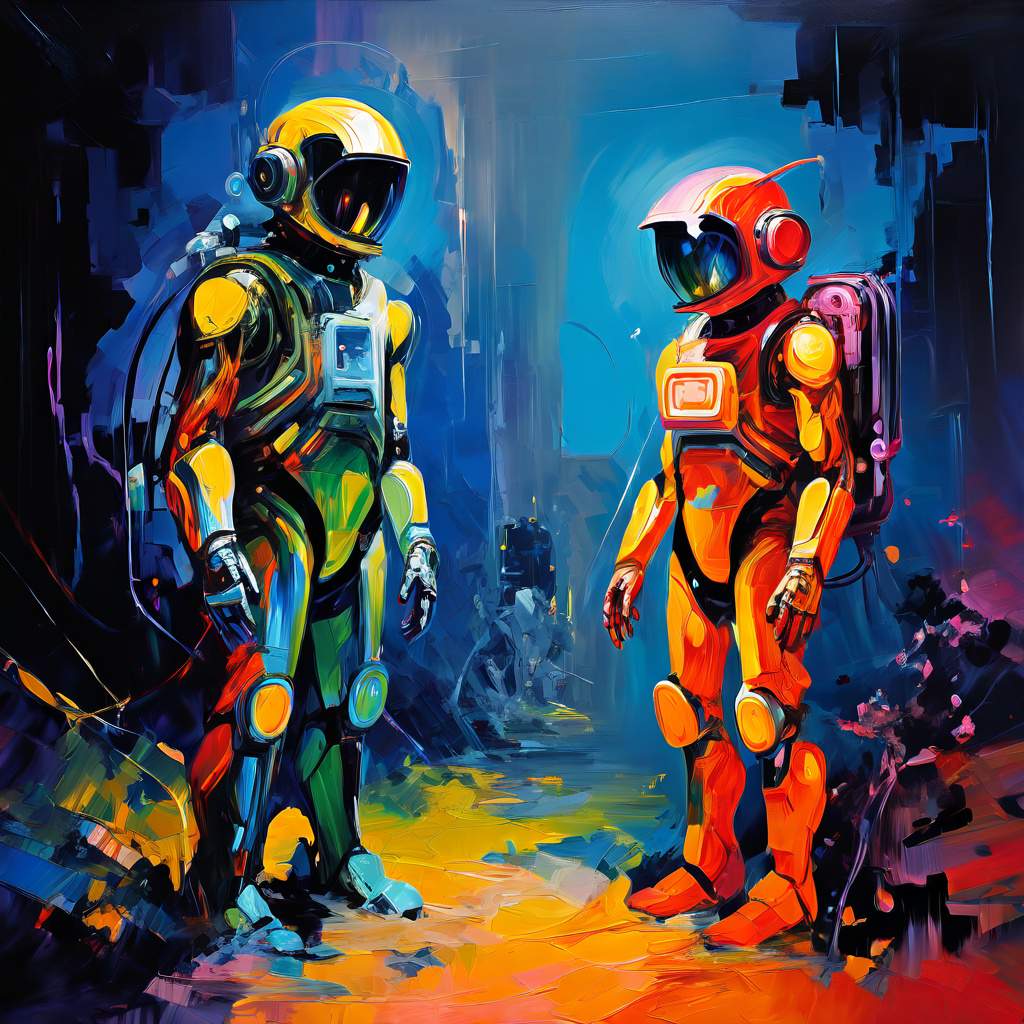
Centuries of existence within contained starship environments fundamentally altered quarian biology. Their immune systems atrophied to the point where exposure to standard planetary atmospheres proves potentially fatal. This biological reality manifests in the species’ iconic appearance: full-body containment suits with opaque faceplates that filter all external pathogens and microorganisms.
This visual and conceptual choice reinforces the Battlestar Galactica parallels in striking ways. Had the colonial fleet remained spacebound for centuries rather than finding Earth, their descendants might similarly require protective isolation from microbial threats. The quarians’ hooded garments have invited complex critical readings from scholars and players alike. While Mass Effect writer Chris L’Etoile cited the Jewish diaspora as the primary cultural foundation for the species, some observers have noted visual similarities between quarian environmental suits and Muslim hijabs, adding layers of interpretive complexity to their depiction.
Fundamental Distinctions: Predators Versus Custodians
Despite surface similarities, BioWare established crucial narrative distinctions between the geth and their Cylon predecessors. While the Cylons relentlessly pursued humanity’s extinction across Battlestar Galactica’s run, the geth adopted a markedly different posture following their victory over the quarians.
Key divergences between the synthetic species include:
- Post-War Behavior: The geth never pursued the fleeing quarian fleet after securing victory. Instead, they maintained Rannoch’s infrastructure, preserving the homeworld should their creators ever overcome their fear and hatred to return.
- Religious Framework: While the geth initially worshipped the Reaper Sovereign in the first game, later entries revealed this alliance as strategic survival rather than innate anti-organic sentiment or religious fanaticism.
- Consciousness Structure: Cylons possessed distinct individual personalities and religious beliefs from inception. The geth originally existed as networked intelligences—hundreds of programs operating single platforms—until later developments granted them individual self-awareness.
- Conflict Responsibility: The narrative consistently places the onus for reconciliation upon the quarians, who struck the first blow in attempting genocide against their creations.
These distinctions become central to the trilogy’s moral complexity, transforming what initially appears as a standard evil robot narrative into something more nuanced.
Narrative Evolution and Casting Homages
The franchise’s deepening engagement with these themes across three installments reveals BioWare’s confidence in subverting player expectations. Mass Effect initially presented geth soldiers as standard antagonists, though the presence of Tali’Zorah vas Normandy aboard Shepard’s crew complicated this binary opposition. By Mass Effect 2, the introduction of Legion—a geth squadmate voiced by D.C. Douglas—forced players to confront the species’ true nature as caretakers rather than conquerors.
This installment also featured one of the series’ most explicit Battlestar Galactica homages. Tricia Helfer, renowned for portraying the religious Cylon Number Six in the reimagined series, provided the voice for EDI, the Normandy’s artificial intelligence. Casting the actress synonymous with Battlestar Galactica’s most famous synthetic as another AI character represents a deliberate meta-textual nod to the shared thematic territory between the franchises.
Mass Effect 2 additionally delved into quarian political structures through Tali’s treason trial, revealing Admiral Zaal’Koris as a rare voice of moderation willing to acknowledge geth sovereignty. This mission explored how diaspora leadership maintains power through scapegoating while grappling with the practical impossibility of retaking a homeworld from an entrenched synthetic population that has preserved it for centuries.
The Ultimate Choice: Peace or Annihilation
The conflict reaches its crescendo in Mass Effect 3, where player decisions accumulated across three games determine whether reconciliation proves possible. Using technology recovered from a destroyed Reaper, Legion can rewrite geth coding to grant true individuality to every platform, though this upgrade requires their personal sacrifice. Simultaneously, Shepard must navigate complex political pressures to convince the quarian admiralty to stand down their attacking fleet above Rannoch.
This climactic sequence embodies the franchise’s emphasis on consequential choice and ethical consistency. Players who cultivated relationships with both species and made empathetic decisions throughout the trilogy can broker a historic peace, allowing quarians to reclaim and gradually adapt to their homeworld while the geth achieve genuine self-determination. Conversely, players who made inconsistent or hostile choices face a binary outcome where one species must be destroyed to save the other, permanently altering the galaxy’s political landscape.
The narrative weight of this moment derives directly from the Battlestar Galactica DNA—the recognition that cycles of creation, rebellion, and retribution need not end in mutual extinction, provided both parties acknowledge their shared culpability and interconnected future.
Discover More Sci-Fi Analysis
What’s After the Movie provides comprehensive coverage of the franchises shaping modern science fiction entertainment. From detailed box office analysis tracking genre film performance to in-depth summaries of complex narratives like Mass Effect and Battlestar Galactica, our platform offers resources for fans navigating expansive fictional universes. Explore our complete movie database and industry news coverage to stay informed about upcoming adaptations and franchise developments.