The Dark Knight Leads IMDb’s Top 15 Superhero Movies Rankings
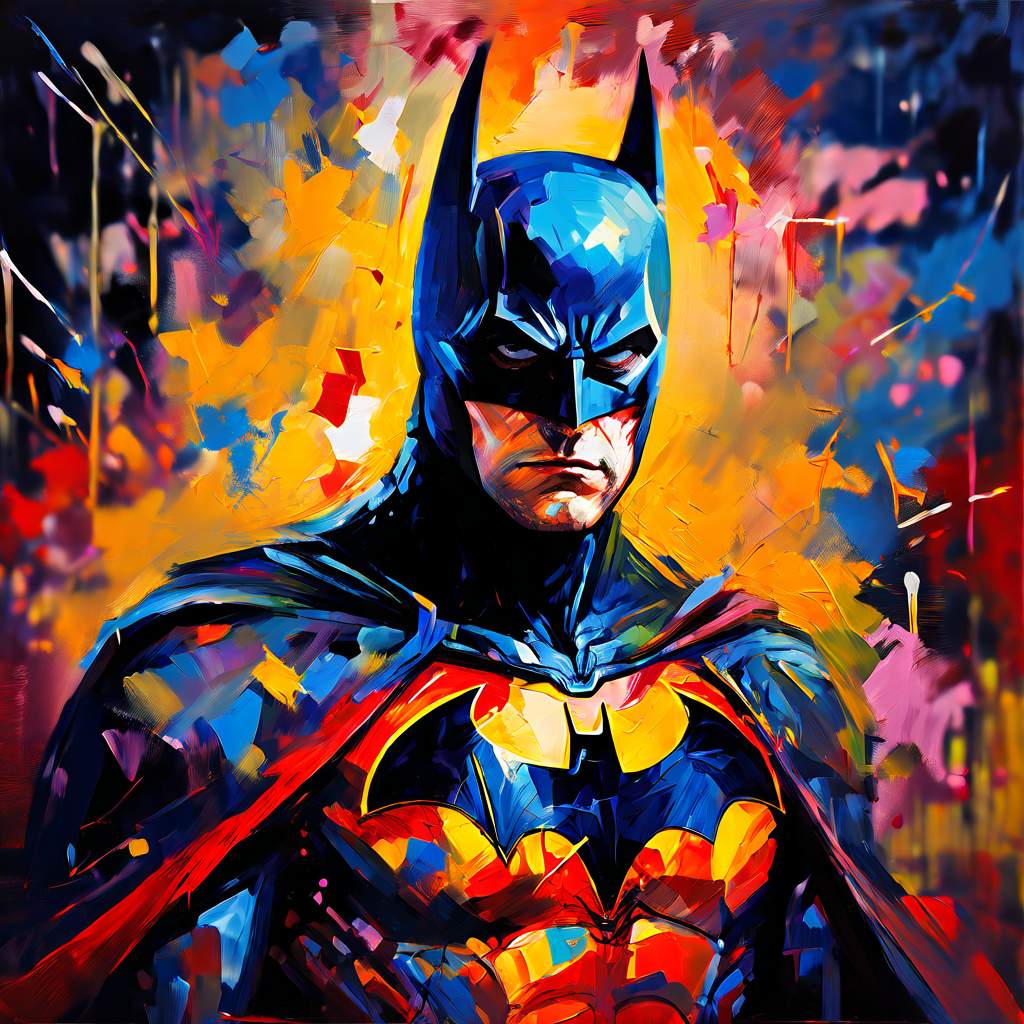
Christopher Nolan’s 2008 masterpiece “The Dark Knight” has cemented its position as the highest-rated superhero film in IMDb history, boasting a remarkable 9.1 out of 10 rating from 3.2 million users and occupying the #3 spot on the site’s prestigious Top 250 list. This comprehensive ranking of the 15 best superhero movies reflects both the evolution of the genre and the shifting tastes of modern audiences, though it arrives with notable caveats regarding recency bias and the platform’s vulnerability to review bombing campaigns.
The list, derived from IMDb’s live-updated ranking engine, highlights how superhero cinema has dominated 21st century filmmaking while revealing curious omissions. Despite their cultural significance, Richard Donner’s 1978 “Superman” and Sam Raimi’s “Spider-Man 2” failed to make the cut, illustrating how the site’s modern user base skews toward contemporary releases. Similarly, Ryan Coogler’s “Black Panther”—despite its Academy Award nomination for Best Picture—was excluded, likely due to historical review bombing incidents that have plagued the platform. Even Zack Snyder’s “Justice League,” which ranks among IMDb’s best-reviewed films of the decade, was decisively outranked by these 15 entries.
Methodology and the Recency Bias Debate
IMDb’s ranking system utilizes internal methodologies that remain opaque to the public, including algorithms that filter specific ratings based on user activity patterns. This proprietary approach, combined with the site’s growth parallel to the social media era, has created a landscape where newer films enjoy significant advantages in visibility and voting volume.
The exclusion of foundational superhero texts reveals the limitations of crowd-sourced rankings. While “The Dark Knight” rightfully maintains its position as a high-water mark for the genre, the absence of earlier classics suggests that many voters are engaging primarily with the contemporary cinematic universe era. The methodology also struggles with coordinated campaigns, as evidenced by the missing “Black Panther,” which suffered from targeted negative reviews despite its critical acclaim and cultural impact.
The Animation Revolution Captures Three Spots
Pixar’s “The Incredibles” (2004) represents the oldest film in the rankings with an 8.0/10 rating from 896K votes and a #235 position on the Top 250. Director Brad Bird’s superhero family drama predated the Marvel Cinematic Universe’s dominance, earning the Academy Award for Best Animated Feature and becoming the highest-grossing original superhero movie upon release. Its mature themes of regret and rebirth continue resonating with adult viewers two decades later.
Sony’s Spider-Verse films demonstrate animation’s growing prestige within the genre. “Spider-Man: Into the Spider-Verse” (2018) holds an 8.4/10 rating with 783K votes at #63, credited with revolutionizing animation through its hyper-stylized visual approach. Its 2023 sequel, “Spider-Man: Across the Spider-Verse,” actually outperforms its predecessor with an 8.5/10 rating and a #45 Top 250 ranking, making it the highest-rated MCU-era superhero film despite having only 517K votes. The sequel’s mature, audacious storytelling expands the multiverse concept while maintaining the series’ artistic innovation.
Marvel’s Cinematic Universe Dominates the Landscape
Marvel Studios claims seven positions in the top 15, reflecting the franchise’s unprecedented cultural penetration. “The Avengers” (2012) and “Guardians of the Galaxy” (2014) both hold 8.0/10 ratings, with the former garnering 1.6M votes and the latter 1.4M. “The Avengers” functioned as an inflection point for franchise filmmaking, validating Marvel’s cinematic universe gamble, while James Gunn’s “Guardians” transformed obscure characters into household names and launched Chris Pratt as a blockbuster star.
The Russo Brothers’ “Infinity War” and “Endgame” occupy crucial positions with 8.4/10 ratings each. “Avengers: Infinity War” sits at #61 with 1.4M votes, recognized as one of Marvel’s most morally challenging narratives featuring Josh Brolin’s Thanos. “Avengers: Endgame” follows closely at #74 with 1.4M votes, celebrated as a unique cultural phenomenon that concluded a decade of buildup despite debates regarding whether it functions as quality standalone cinema.
“Spider-Man: No Way Home” (2021) maintains an 8.1/10 rating at #200 with 1M votes. Director Jon Watts’ multiversal narrative successfully united three generations of live-action Spider-Man portrayals, creating a theatrical event that restored faith in the franchise’s ability to generate genuine cultural moments despite subsequent critical reevaluations questioning its reliance on nostalgia.
DC’s Critical Peaks and the Dark Knight Legacy
Christopher Nolan’s Batman trilogy accounts for three entries, with “The Dark Knight Rises” (2012) earning an 8.4/10 rating from 2M votes at #75, and “Batman Begins” (2005) holding 8.2/10 from 1.7M votes at #134. While “Begins” was initially a box office disappointment, it established the blueprint for rebooting intellectual property by grounding fantasy in realistic aesthetics and moral complexity.
Todd Phillips’ “Joker” (2019) stands as the only DC entry outside Nolan’s trilogy, earning an 8.3/10 rating from 1.7M votes at #90. The billion-dollar R-rated drama earned Joaquin Phoenix an Academy Award, functioning simultaneously as a superhero origin story and a psychological study of social alienation that resonated with global audiences despite its controversial themes.
Mature-Rated Game Changers and Surprising Inclusions
The list includes three R-rated entries that expanded the genre’s demographic reach. “Deadpool” (2016) holds an 8.0/10 rating from 1.2M votes, credited with proving that adult-oriented superhero films could achieve mainstream success after Ryan Reynolds’ leaked test footage forced Fox’s hand. James Mangold’s “Logan” (2017) earns an 8.1/10 rating at #213 with 922K votes, featuring Oscar-nominated screenplay work and what were initially positioned as final performances from Hugh Jackman and Patrick Stewart after seventeen years in their respective roles.
Perhaps the most surprising entry, “V for Vendetta” (2006) maintains an 8.1/10 rating from 1.2M votes at #171. The Hugo Weaving and Natalie Portman vehicle achieved only lukewarm critical reception and modest box office during its theatrical run, but has since developed cult status after the Anonymous movement adopted its Guy Fawkes mask symbolism, suggesting the film was politically ahead of its time.
The Complete IMDb Top 15 Rankings
The full hierarchy of IMDb’s highest-rated superhero films includes:
- The Dark Knight (9.1/10, 3.2M votes, #3)
- Spider-Man: Across the Spider-Verse (8.5/10, 517K votes, #45)
- Avengers: Endgame (8.4/10, 1.4M votes, #74)
- Spider-Man: Into the Spider-Verse (8.4/10, 783K votes, #63)
- Avengers: Infinity War (8.4/10, 1.4M votes, #61)
- The Dark Knight Rises (8.4/10, 2M votes, #75)
- Joker (8.3/10, 1.7M votes, #90)
- Batman Begins (8.2/10, 1.7M votes, #134)
- Spider-Man: No Way Home (8.1/10, 1M votes, #200)
- V for Vendetta (8.1/10, 1.2M votes, #171)
- Logan (8.1/10, 922K votes, #213)
- Guardians of the Galaxy (8.0/10, 1.4M votes, unranked)
- The Avengers (8.0/10, 1.6M votes, unranked)
- Deadpool (8.0/10, 1.2M votes, unranked)
- The Incredibles (8.0/10, 896K votes, #235)
What’s After the Movie
Looking for more insights into box office milestones, franchise rankings, and where to stream these acclaimed superhero films? What’s After the Movie offers comprehensive coverage of industry data, spoiler-free summaries, ending explanations, and detailed filmographies. Explore our movies collection to discover similar titles or check the latest box office reports to see how current releases compare to these IMDb legends.