What's After the Blog?
feature • news • analysis
The Host: Bong Joon-ho's Monster Epic Perfect for Monarch Fans
Bong Joon-ho's 2006 creature feature The Host offers a masterclass in balancing human drama with kaiju action that fans of Monarch: Legacy of Monsters should not miss. The film also served as a major creative influence on Jordan Vogt-Roberts during the production of Kong: Skull Island.
March 29, 2026
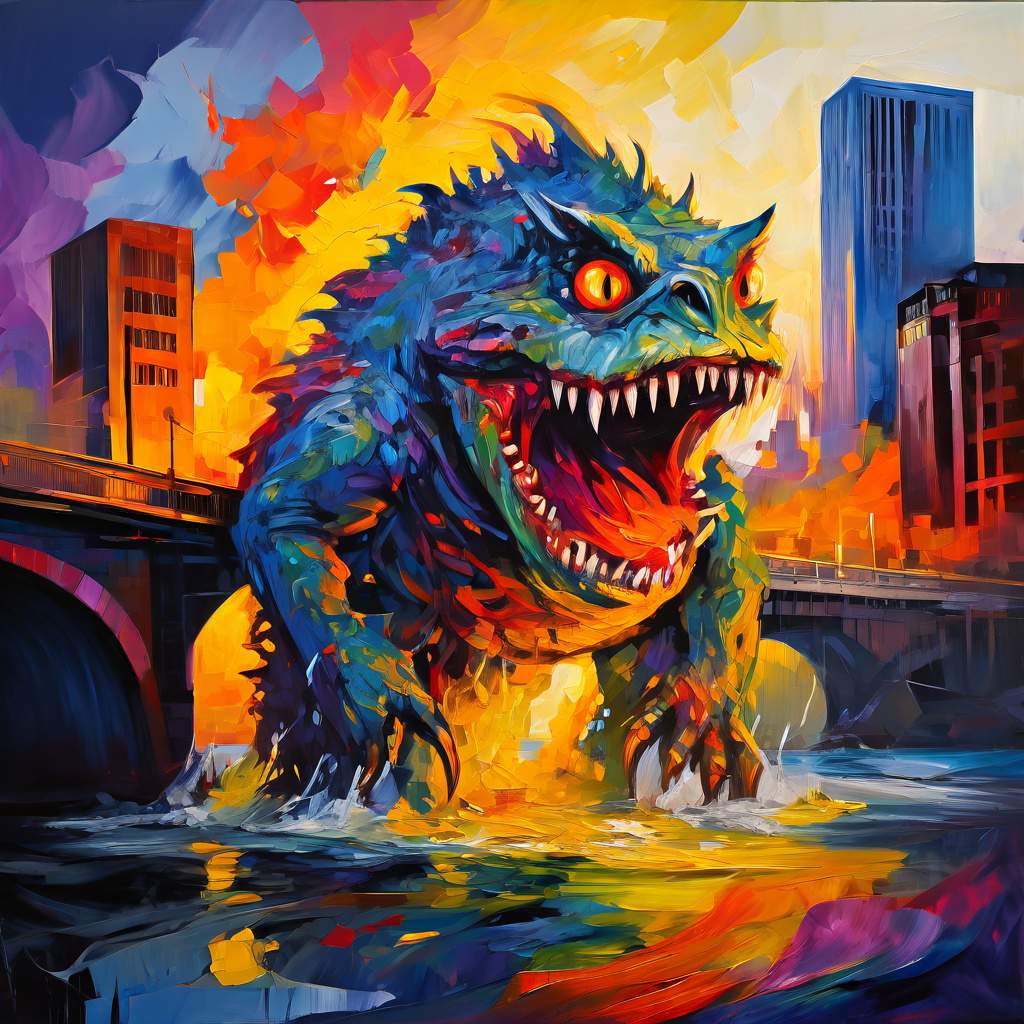
The Host: Bong Joon-ho’s Monster Epic Perfect for Monarch Fans
As Monarch: Legacy of Monsters ventures deeper into its second season with the introduction of Titan X, an aquatic behemoth haunting the depths, viewers have reignited debates about the delicate balance between human storytelling and kaiju spectacle. While some fans crave non-stop creature destruction, others appreciate the grounded family drama that anchors the series. For those seeking a film that harmonizes these elements perfectly, look no further than Bong Joon-ho’s 2006 masterpiece The Host, a South Korean creature feature that continues to influence the monster movie genre nearly two decades later.
The film arrives at a moment when streaming audiences are re-evaluating what they want from giant-monster entertainment. Critics of Monarch often cite its heavy focus on interpersonal relationships as a detractor from the Titan action, yet purely prioritizing destruction risks alienating audiences seeking emotional investment. The Host navigates this tightrope with remarkable precision, offering a template for how modern kaiju narratives can satisfy both impulses without compromise.
When Monsters Emerge From the Water
Both Titan X and The Host’s creature share a critical DNA strand: they are distinctly amphibious threats that spend significant time submerged before devastating urban centers. This aquatic approach to kaiju design presents unique cinematic challenges and opportunities. Where land-based monsters like Godzilla or Kong battle through city streets and open plains, water-dwelling creatures introduce horror elements of the unknown—what lurks beneath the surface becomes as terrifying as what rampages above.
The Host leverages this setting through the Han River, Seoul’s vital waterway, which serves as both the monster’s origin point and its hunting ground. The creature’s amphibious nature allows for varied set pieces that range from claustrophobic underwater tension to sprawling riverside chaos. For Monarch viewers currently watching Titan X navigate aquatic environments, The Host provides essential context for how filmmakers can maximize the visual and atmospheric potential of water-based kaiju mechanics. The film demonstrates that aquatic monsters need not simply swim—they can climb, lurk, and invade, creating a different rhythm of suspense than their terrestrial counterparts.
Dysfunction as a Survival Mechanism
At its core, The Host centers on a profoundly dysfunctional Seoul family attempting to rescue their youngest member from the mutated creature. This narrative framework distinguishes the film from standard disaster fare. Rather than assembling a team of experts or soldiers, Bong Joon-ho focuses on ordinary people whose personal failings threaten the rescue mission at every turn. Each family member struggles to maintain composure in ordinary life, let alone during an extraordinary crisis involving a formaldehyde-mutated beast.
This relatability transforms the rescue mission from standard genre fare into something viscerally compelling. When flawed, recognizable humans face impossible odds, the stakes transcend typical blockbuster spectacle. The film argues that dysfunction does not disqualify heroism; rather, it complicates it. Family members must navigate their interpersonal conflicts while evading government quarantine efforts and the monster itself. The Host proves that character depth and creature features need not compete—they can elevate one another, creating sequences where emotional breakthroughs carry as much weight as narrow escapes from monstrous jaws.
For Monarch fans frustrated by the show’s human-centric pacing, The Host offers a counterargument delivered through pure cinematic execution. The humans here are not merely exposition vessels waiting for the next set piece; they are the engine driving every sequence forward. Their struggles to “keep it together,” as the source material notes, mirror the very real challenges of maintaining family cohesion during catastrophe, making the eventual kaiju confrontations feel earned rather than obligatory.
Toxic Legacies: From the Han River to Hollywood
The creature itself emerges from specifically Korean anxieties about environmental degradation and foreign interference. Unlike anonymous prehistoric beasts awakened by radiation or ancient rituals, The Host’s monster owes its existence to an American scientist dumping formaldehyde into the Han River—a plot point directly inspired by the 2000 McFarland incident, when actual toxic substances were released into Seoul’s vital waterway in a real-world ecological scandal.
This grounding in environmental crime distinguishes The Host from standard kaiju fare. The film weaponizes bureaucratic incompetence and international negligence, creating a beast that serves as literal toxic waste made flesh. For viewers appreciating Monarch’s contemporary political subtext regarding military cover-ups and scientific hubris, Bong Joon-ho’s earlier work offers a more overtly confrontational take on how institutions endanger civilian populations. The American military presence in the film is not benevolent or neutral; it is actively destructive, creating the very problem it later attempts to “solve” with heavy-handed quarantines and misinformation campaigns.
This thematic thread—US entities destroying foreign environments through arrogance—resonates beyond The Host into broader MonsterVerse conversations. The film interrogates the ethics of cross-border pollution and military occupation with a specificity rarely seen in creature features, making it essential viewing for audiences interested in the geopolitical dimensions of kaiju narratives.
A Director’s Influence on the MonsterVerse
The Host’s impact extends beyond cult appreciation into major Hollywood production methodology. Jordan Vogt-Roberts, director of Kong: Skull Island, explicitly cited Bong Joon-ho’s film as a primary touchstone during pre-production, calling it a “masterpiece” in a 2017 interview with /Film. The connections run deeper than aesthetic admiration into thematic territory, with both films exploring how American military and scientific institutions devastate foreign ecosystems through negligence and imperial arrogance.
Vogt-Roberts mandated that his cast and crew screen The Host before filming commenced, hoping to capture similar emotional resonance amid blockbuster-scale destruction. He reportedly wanted to craft his own “Apocalypse Now in the jungle,” having also required viewings of the documentary Hearts of Darkness. This institutional recognition—where a Korean mid-budget creature feature informs a $185 million MonsterVerse entry—demonstrates The Host’s canonical status among filmmakers working at the intersection of blockbuster scale and indie sensibility.
The influence manifests in Kong: Skull Island through shared visual and narrative preoccupations: both films feature creatures mutated by human toxic waste, both center on groups of outsiders navigating hostile territory, and both use the monster movie framework to critique American interventionism. For viewers tracing the lineage of modern kaiju cinema, The Host represents a crucial bridge between East Asian genre traditions and contemporary Hollywood spectacle.
Why The Host Endures for Kaiju Fans
Despite preceding Parasite’s global phenomenon by thirteen years, The Host remains among Bong Joon-ho’s most technically accomplished achievements. The film deftly merges multiple genres—family comedy, political thriller, horror, and action—without sacrificing tonal coherence. For audiences currently debating the optimal ratio of human drama to monster mayhem in Monarch: Legacy of Monsters, The Host provides definitive proof that methodical character work pays dividends during climactic chaos.
The movie particularly rewards viewers interested in:
- Amphibious monster design that maximizes aquatic and terrestrial threats
- Environmental messaging woven organically into genre entertainment
- Family-centered narratives that prioritize emotional stakes over military solutions
- The evolution of East Asian kaiju cinema and its influence on Western franchises
- Social commentary regarding US military presence and ecological disasters
While Titan X dominates current discussions of televised monster mayhem, The Host provides essential historical and stylistic context for understanding how the genre balances spectacle with substance. Its DNA clearly flows through modern MonsterVerse entries, making it compulsory viewing for anyone invested in where kaiju storytelling heads next. Though not as universally celebrated as some entries in the genre, the film stands as one of the finest monster movies ever produced—a genre-mashing treat that satisfies on every level.
What’s After the Movie
If this deep dive into The Host and its MonsterVerse connections has you planning your next kaiju marathon, you’ll find plenty more cinematic analysis and industry insights at What’s After the Movie. Our platform offers comprehensive coverage of monster movies past and present, from detailed film summaries that respect your time to box office breakdowns tracking which creatures are conquering theaters worldwide. Whether you’re researching Bong Joon-ho’s complete filmography or staying current on the latest Monarch: Legacy of Monsters developments, our entertainment news section keeps you informed on everything happening in the world of giant monster cinema.
Continue reading



What's After the Movie?
Not sure whether to stay after the credits? Find out!
Check out our other apps:

SAT Sphere
Build confidence for the Digital SAT.

Mori Atlas
Discover wild places worth protecting.

Luntero
Search smarter for a home in Amsterdam.

Plot Explained
Unravel movie endings and hidden clues.

Pokechamp
Dive into Pokémon data and battle logic.

Driving Theory
Get ready for your European theory test.

Movie Dust
Plan your next cinema trip with ease.

Musemap
Find art and culture as you travel.

Selkobase
Compare credentials before committing.

Local Manual
Turn an unfamiliar country into practical next steps.

Lernavi
Compare school systems before your next move.

GymRoam
Find a workout stop wherever your plans take you.
Explore Our Movie Platform
New Movie Releases (2026)
Famous Movie Actors
Top Film Production Studios
Movie Plot Summaries & Endings
Major Movie Awards & Winners
Best Concert Films & Music Documentaries
Movie Collections and Curated Lists
© 2026 What's After the Movie. All rights reserved.
Privacy Policy