What's After the Blog?
analysis • feature • news
Every Blade Movie Ranked: Wesley Snipes' Vampire Hunter Legacy
We break down the complete Blade filmography from the groundbreaking 1998 original through the chaotic production of Trinity and the record-breaking Deadpool & Wolverine cameo. Discover how Marvel's daywalker evolved from cult hit to franchise cornerstone and where each installment ranks in the vampire hunter's cinematic history.
February 16, 2026
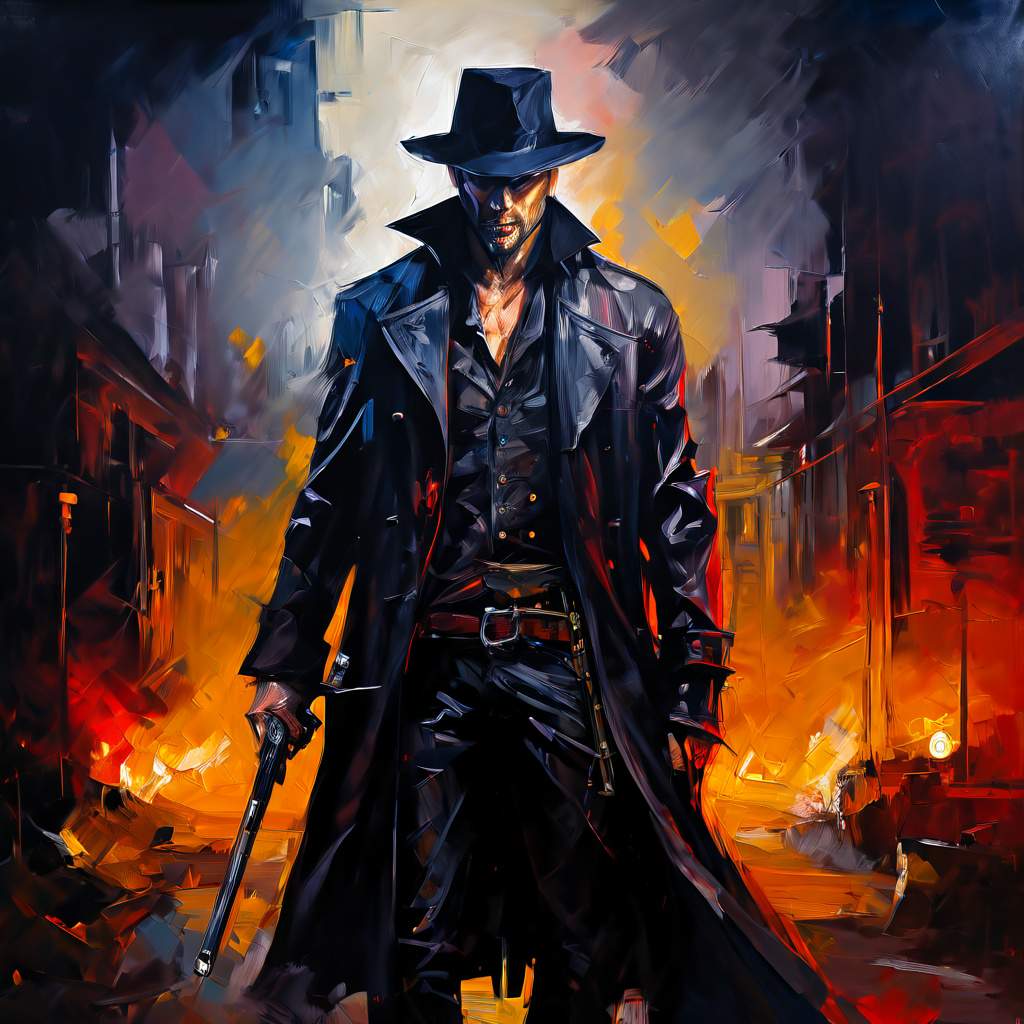
Every Blade Movie Ranked: Wesley Snipes’ Vampire Hunter Legacy
The Blade franchise stands as one of the most influential yet turbulent properties in Marvel’s cinematic history. What began in 1998 as a modestly budgeted action-horror hybrid fundamentally altered the landscape for comic book adaptations, proving that R-rated superhero content could thrive with mainstream audiences. Over the subsequent two decades, the character has appeared in four theatrical releases—each marked by distinct creative visions, behind-the-scenes controversies, and varying degrees of commercial success.
From Guillermo del Toro’s monster-heavy sequel to the infamously troubled threequel and the surprise 2024 return that broke Marvel longevity records, the daywalker’s journey reflects broader shifts in Hollywood’s approach to superhero storytelling. This comprehensive ranking examines every cinematic appearance of Eric Brooks, weighing production histories, cultural impact, and franchise evolution to determine which entries withstand scrutiny decades later.
The Lost Projects: Development Hell and Forgotten Adaptations
Before assessing the theatrical releases, two significant Blade-related projects warrant acknowledgment—one that briefly materialized on television and another that remains trapped in pre-production limbo.
In 2006, the cable channel Spike attempted to translate the property to the small screen with a single-season series starring rapper Sticky Fingaz as the titular hunter. The adaptation failed to capture the cinematic intensity that defined Wesley Snipes’ portrayal, running for only one season before fading into obscurity. More recently, the Marvel Cinematic Universe announced plans for a reboot starring Academy Award winner Mahershala Ali. However, after years of developmental stagnation—including multiple writer and director departures—the project has effectively entered production purgatory, with industry observers considering it likely abandoned despite never receiving official cancellation.
Fourth Place: The Chaotic Production of Blade: Trinity (2004)
Blade: Trinity occupies a peculiar position within the franchise—simultaneously the most problematic production and, according to some defenders, an underrated gem of early 2000s camp. Screenwriter David S. Goyer, who penned the first two installments, made his directorial debut with this threequel, which immediately encountered turbulence regarding its star.
The behind-the-scenes dynamics have become Hollywood legend. Co-stars Ryan Reynolds and Patton Oswalt have publicly recounted Wesley Snipes’ alleged refusal to film the majority of his scenes, with the actor reportedly answering only to “Blade” while remaining in character throughout production. This friction allegedly stemmed specifically from Snipes’ animosity toward Reynolds, resulting in a final cut that noticeably minimizes the protagonist’s screen time in favor of supporting players.
The narrative finds Blade recruited by the Nightstalkers—a younger generation of vampire hunters including Reynolds’ Hannibal King and Jessica Biel’s Abigail Whistler, daughter of Blade’s former partner Abraham (Kris Kristofferson). Together, they confront a vampire sect led by Danica Talos (Parker Posey) attempting to resurrect Dracula himself (Dominic Purcell). Despite structural issues, the film delivers memorable moments: Dracula discovering a Hot Topic-esque store and expressing disgust provides genuine comedy, while Reynolds and Posey’s rapid-fire banter suggests the alternative comedy classic that might have emerged under different circumstances.
Third Place: The Record-Breaking Deadpool & Wolverine Cameo (2024)
Shawn Levy’s Deadpool & Wolverine technically constitutes a team-up film rather than a solo Blade entry, yet Wesley Snipes’ participation merits inclusion given its historical significance. When Deadpool (Ryan Reynolds) and Wolverine (Hugh Jackman) find themselves banished to the Void—a desolate realm where the Time Variance Authority deposits problematic timeline variants—they encounter numerous discarded Marvel characters from non-MCU continuities.
This sequence serves as both nostalgia exercise and meta-commentary on franchise ownership. Joining Channing Tatum’s unrealized Gambit (from an abandoned X-Men spinoff) and Jennifer Garner’s returning Elektra, Snipes reprises his role two decades after last donning the costume. The appearance established a legitimate Marvel cinematic record: Snipes now holds the distinction of portraying the same character across the longest time span in franchise history, with 26 years separating his 1998 debut and 2024 return.
The cameo required significant persuasion following the Trinity debacle, but the final result justifies the effort. Snipes delivers a perfect meta-gag insisting there remains “only one Blade”—a winking acknowledgment of the failed reboot attempts—while visibly enjoying the role for the first time in decades. The sequence validates the character’s exclusion from official MCU canon (due to New Line Cinema’s original distribution rights) while celebrating his foundational importance to modern superhero cinema.
Runner-Up: Guillermo del Toro’s Blade II (2002)
Arriving at the peak of the early 2000s superhero boom, Blade II represents the franchise’s most ambitious tonal shift. Academy Award-winning director Guillermo del Toro brought his signature creature-feature sensibilities to the sequel, crafting what amounts to a monster mashup rather than traditional vampire horror. The film draws structural inspiration from classic war movies about uneasy battlefield alliances, pitting Blade alongside an elite squad of vampire assassins against a mutual threat.
The Reapers constitute the series’ most memorable antagonists—mutant vampires with mandible-like jaw structures reminiscent of Predator that hunt both human and undead prey. These creatures forced del Toro to deploy extensive computer-generated imagery during combat sequences, technological choices that have aged unevenly compared to the practical effects dominating the first film. Certain digital-heavy fight scenes now appear dated, occasionally disrupting immersion during otherwise kinetic action set pieces.
The supporting ensemble elevates the material significantly. Norman Reedus appears as Scud, a young hunter assisting Blade and Whistler, while Ron Perlman brings gravitas to Reinhardt, a vampire soldier who openly despises his human counterpart. Their antagonistic dynamic generates palpable tension throughout the team-up narrative. Del Toro succeeds in translating comic book panel energy to celluloid, creating the most visually ambitious entry even if technical limitations occasionally betray the craftsmanship.
First Place: The 1998 Original That Changed Everything
Stephen Norrington’s original Blade defies overstatement regarding its industry impact. Released in 1998 during a period when comic book adaptations primarily targeted family audiences, this violent, stylish horror-action hybrid demonstrated that lesser-known Marvel properties could sustain mature theatrical releases. The film’s modest commercial success directly influenced the greenlighting of X-Men (2000), which subsequently enabled the Marvel Cinematic Universe’s eventual dominance. Industry analysts frequently cite Blade as the catalyst that convinced studios audiences would embrace superhero narratives detached from household-name characters like Superman or Batman.
The influence extends beyond Marvel’s output. The gothic aesthetic, leather-clad combatants, and supernatural underground setting provided the template for subsequent franchises including Underworld—a series that likely would not exist without Norrington’s visual blueprint. More importantly, the film succeeds as standalone entertainment regardless of its historical importance.
The narrative efficiently establishes Eric Brooks’ origin as a daywalker—half-vampire, half-human—while pitting him against Stephen Dorff’s Deacon Frost, the franchise’s definitive villain. Frost’s ambition to overthrow ancient vampire hierarchies and establish a new order provides ideological stakes beyond simple bloodletting. The infamous opening sequence featuring a vampire blood rave remains an iconic 1990s cinema moment, while Blade’s struggle with his dual nature—complicated by meeting his vampire mother—adds emotional weight rare in early comic book adaptations.
Key elements that distinguish the original include:
- The blood rave opening sequence: A masterclass in practical effects and techno-horror atmosphere
- Deacon Frost’s villainy: Stephen Dorff’s performance balances millennial cool with genuine menace
- The Whistler dynamic: Kris Kristofferson’s mentor figure provides grounding gravitas
- Late-90s aesthetic: The film captures a specific cultural moment of techno soundtracks and industrial fashion
- Character depth: Blade’s struggle with his vampiric nature and maternal revelation
Attempting to surpass this foundation proves as futile as “ice-skating uphill”—a sentiment Blade himself would surely endorse. The original film didn’t merely launch a franchise; it daywalked so that the modern superhero saturation could run, establishing templates for tone, marketing, and audience expectation that persist nearly three decades later.
What’s After the Movie?
Whether you’re revisiting the Blade franchise for nostalgia or discovering how Wesley Snipes’ vampire hunter influenced modern superhero cinema, tracking these complex filmographies requires reliable industry resources. What’s After the Movie provides comprehensive coverage of box office histories, production timelines, and franchise evolution across decades of comic book adaptations.
Explore our detailed movie database for complete Blade franchise information, check our industry news section for updates on the stalled MCU reboot, or visit our summary archives to revisit key moments from the 1998 original through the 2024 cameo appearance. From vampire hunter lore to superhero industry analysis, we track the cinematic legacy that started with one daywalker in a leather coat.
Continue reading



What's After the Movie?
Not sure whether to stay after the credits? Find out!
Check out our other apps:

SAT Sphere
Build confidence for the Digital SAT.

Mori Atlas
Discover wild places worth protecting.

Luntero
Search smarter for a home in Amsterdam.

Plot Explained
Unravel movie endings and hidden clues.

Pokechamp
Dive into Pokémon data and battle logic.

Driving Theory
Get ready for your European theory test.

Movie Dust
Plan your next cinema trip with ease.

Musemap
Find art and culture as you travel.

Selkobase
Compare credentials before committing.

Local Manual
Turn an unfamiliar country into practical next steps.

Lernavi
Compare school systems before your next move.

GymRoam
Find a workout stop wherever your plans take you.
Explore Our Movie Platform
New Movie Releases (2026)
Famous Movie Actors
Top Film Production Studios
Movie Plot Summaries & Endings
Major Movie Awards & Winners
Best Concert Films & Music Documentaries
Movie Collections and Curated Lists
© 2026 What's After the Movie. All rights reserved.
Privacy Policy