What's After the Blog?
Opinions • Reception
Dust Bunny (2025) Review & Critics' Opinions – Audience Reception, Performance & Storytelling Analysis
Explore how fans and critics responded to Dust Bunny (2025), examining the film's haunting performance, inventive storytelling, and its place within the thriller franchise. This post breaks down audience reactions, critic reviews, and overall reception.
December 16, 2025
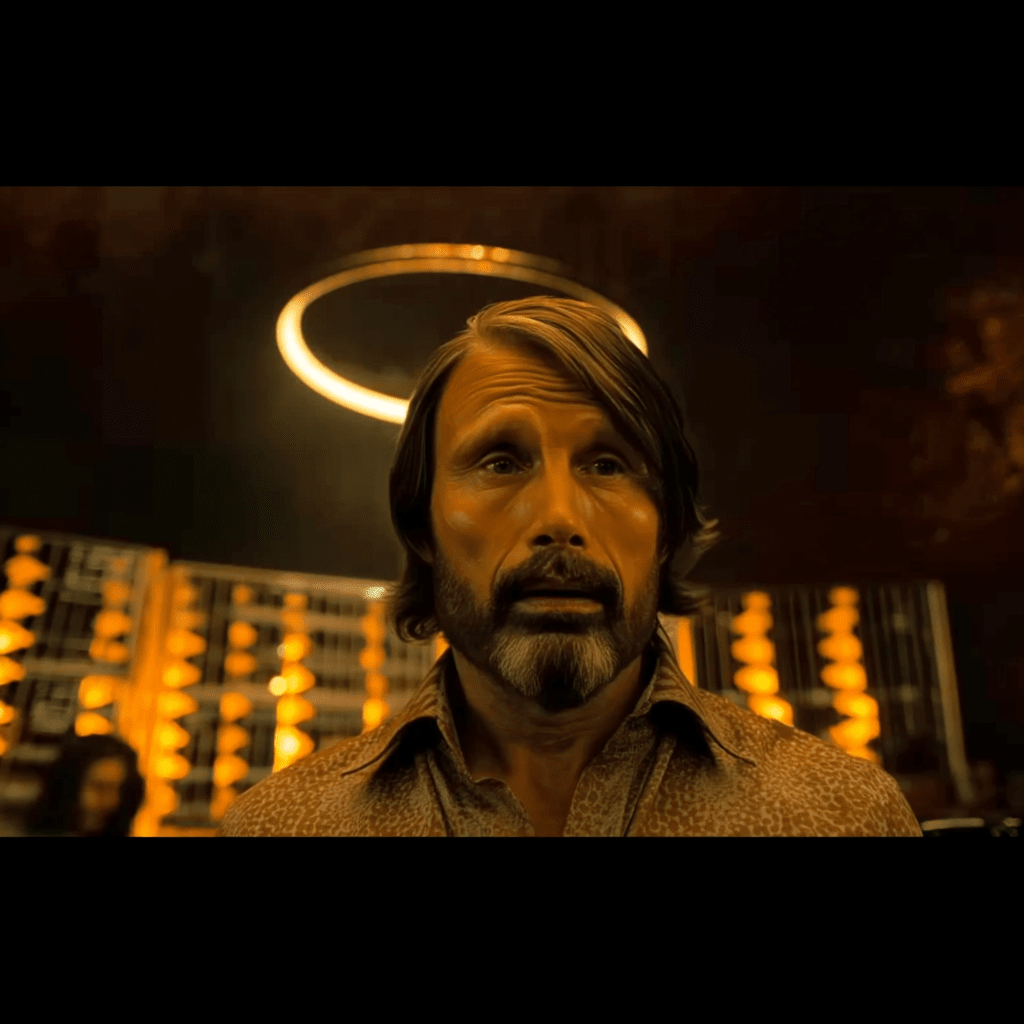
Movies mentioned in this article
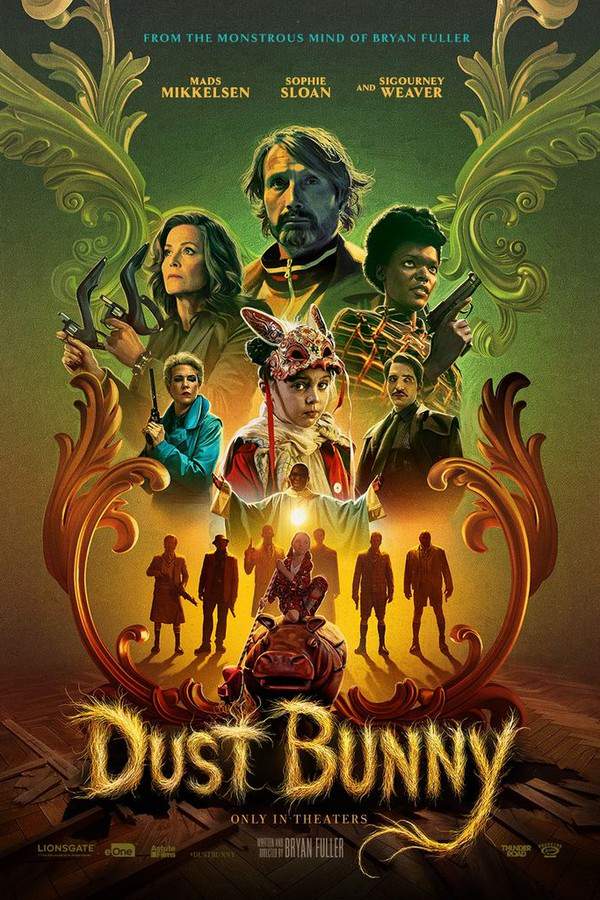
Dust Bunny (2025) Reviews & Opinions: A Polarizing Fantasy Thriller from Bryan Fuller
Welcome to the What’s After the Movie blog, your home for deep dives into the world of film reception. Today, we’re analyzing the critical and audience response to one of late 2025’s most unique releases: Dust Bunny. Directed by Bryan Fuller (Hannibal, Pushing Daisies) and starring Mads Mikkelsen and Sophie Sloan, this film has sparked a fascinating conversation. Rather than a simple plot summary, we’ll explore what critics and real viewers are saying about this genre-bending movie. Is it a whimsical masterpiece or a muddled mess? Let’s sift through the reviews and opinions of Dust Bunny to find the consensus, or lack thereof. For more details on the film itself, check out the full Dust Bunny page on What’s After the Movie.
Critical Reception of Dust Bunny (2025): Divided on Fuller’s Feature Debut
The critical response to Dust Bunny is a tale of two sensibilities, sharply divided by whether reviewers could connect with Bryan Fuller’s distinct authorial voice. On the positive end of the spectrum, outlets like Original-Cin awarded a perfect score, celebrating the film as “a wonderfully strange mix of murder, mayhem, and childhood monsters-under-the-bed.” This sentiment was echoed by The New York Times, which praised Fuller’s “delight in the imaginative possibilities of storytelling,” calling it “as infectious as it is welcome.” For these critics, Dust Bunny represents a successful translation of Fuller’s television work—the dark elegance of Hannibal meets the whimsical stylings of Pushing Daisies—to the big screen. RogerEbert.com’s review perfectly captures this guarded optimism, concluding, “This isn’t a classic, but it’s good enough to make you think Fuller has a classic in him.”
However, a significant contingent of critics found the film’s quirky style alienating. Slant Magazine delivered a harsh assessment, panning the film’s writing as “the sort that begs you to find it cute and quirky, which makes it quite grating if you don’t.” Similarly, the Chicago Tribune acknowledged Fuller’s “strong command over his visual domain” but found the core allegory “a bit muddled.” This split highlights a key point in the reception of Dust Bunny: your enjoyment is heavily predicated on your ability to get on its specific wavelength. As Next Best Picture noted, “Either you’re able to get on Fuller’s wavelength or not, but the freshness and boldness of Dust Bunny are cause for celebration.” This division is common with auteur-driven projects, and exploring different critical perspectives is a core part of what we do at What’s After the Movie. For a broader look at how films are received, you can always visit our Awards page to see how critical darlings fare during the season.
Audience Opinions on Dust Bunny: A Potential Cult Classic in the Making
While critics were split, the audience reaction, as gleaned from user reviews on sites like Metacritic, skews significantly more positive. A common thread among viewers is a sense of delighted surprise. User HeatherS-52 captured this feeling perfectly: “I went in with No expectations and left with a smile and mildly disturbed. I would watch again.” Many users, like WelchysGripe, praised the film’s visual splendor, noting it “looks much more expensive, then it was to make,” attributing this to the skill of the filmmakers. The film is repeatedly described as “charming,” “imaginative,” and “original,” with several users drawing comparisons to gateway horror films from their own childhoods. Steve_Ramsey provided an in-depth analysis, positioning Dust Bunny in the “kid-friendly gateway horror movie” space, comparing it to classics like Gremlins and Monster House, but with a unique twist.
This strong positive audience opinion on Dust Bunny suggests the film has a bright future as a cult favorite, much like Fuller’s previous TV shows. The word “fun” appears repeatedly, with users like Mongeese urging others to “Skip the blockbuster you were gonna see, and see this instead.” The most effusive praise came from clarkhoenke, who called it a “10 out of 10” and “the godfather 2 of comedy/horror/professional assassin movies,” highlighting the electric atmosphere in their theater. This gap between some professional criticism and enthusiastic fan adoption is fascinating to track. For fans who loved the film’s unique world, exploring our Movie Collections can help you find other films with a similarly distinct visual style.
Analyzing the Key Relationships and Performances in Dust Bunny Reviews
At the heart of nearly every review, both positive and negative, is universal acclaim for the central dynamic between Mads Mikkelsen and young actress Sophie Sloan. This relationship is consistently cited as the film’s strongest asset. FangtasticallyWicked exclaimed, “I loved the relationship between the kid & Mads Mikkelsen’s character in this,” a sentiment echoed by Steve_Ramsey, who found “every scene with Sloan and Mikkelsen irresistibly charming.” Critics agreed; The A.V. Club observed that the film is “filtered through the gaze of a precocious child,” and Variety highlighted “the strength of the performances” as a key engaging factor.
Mikkelsen’s performance as a hitman dragged into a child’s fantastical problem is described as a “powerhouse” (KorraN-7) display, with his characteristic stoicism providing a perfect foil for Sloan’s “precocious and adorable” (wross012) Aurora. The reviews suggest their chemistry sells the film’s more absurd concepts. The supporting cast, including Sigourney Weaver and David Dastmalchian, also receives consistent praise for understanding the film’s specific tone. The strength of these performances seems to be a unifying factor in the reviews for Dust Bunny, often mentioned as the element that holds the ambitious project together even when the plot or effects falter for some viewers. To learn more about the talented actors behind these roles, you can explore their Profiles on our site.
Visual Style and World-Building: The Most Praised Element of Dust Bunny
If there is one aspect of Dust Bunny that receives near-unanimous acclaim across all reviews and opinions, it is the film’s breathtaking visual design and aesthetic world-building. The set design, costumes, and overall cinematography are described in glowing terms. ferguson-6 called the apartment building “one of the funkiest and most elaborate we’ve seen on screen,” while FangtasticallyWicked* likened the style to “Wes Anderson-esque visuals.” This meticulous craftsmanship creates a world that feels both whimsical and slightly sinister, a tone essential to the story’s success.
The New York Times review highlighted Fuller’s love for “filigreed details, its curlicues lines, lush flowers and confectionary rest,” suggesting the visual style is not just decoration but integral to the storytelling. Even a critic like Kevin_Robbins, who gave the film a negative review, conceded that “the settings, décor, costumes, and visual presentation are artistic and remarkably polished.” This focus on a highly stylized reality helps ground the film’s fantastical elements, making the monster under the bed feel like a natural part of Aurora’s ornate world. For movie lovers who appreciate strong visual storytelling, the Movie Wiki on What’s After the Movie is a great resource for discovering similarly visually striking films.
The Divisive Elements: Plot, CGI, and Tone in Dust Bunny Opinions
While the visuals and performances are widely praised, the reviews for Dust Bunny reveal significant division over its plot mechanics, CGI effects, and sustained tone. For every viewer who found the story “a plot you can follow” (Mongeese) and the tone “charming without becoming sentimental” (Steve_Ramsey), there was another who found it lacking. The most pointed criticism comes from kevin_robbins, who stated, “the storyline is shaky and further undermined by inconsistent CGI. I strongly disliked the monster design.” This highlights a key risk of stylized films: when the style doesn’t fully connect, the underlying flaws can become more pronounced.
The tone, a blend of childhood whimsy and adult thriller elements, is another point of contention. While many celebrate this unique mix, others find it jarring. The film’s R-rating (a point of discussion for user KorraN-7) further complicates its positioning as a “gateway” horror film. Is it for adults who appreciate fairy-tale logic, or for mature kids? The reviews suggest it occupies a nebulous space, which can be either a strength or a weakness depending on the viewer’s perspective. This kind of in-depth analysis of what works and what doesn’t is exactly what we love to provide at What’s After the Movie. After reading these differing opinions on Dust Bunny, why not test your knowledge with one of our Quizzes and games?
Final Verdict: What Do the Dust Bunny Reviews Mean for Viewers?
So, what is the final word on Dust Bunny based on the aggregate of critic and user reviews? The consensus is that there is no true consensus. This is a film defined by its bold stylistic choices, and the reception of Dust Bunny is entirely dependent on a viewer’s individual taste for Bryan Fuller’s particular brand of storytelling. If you enjoy highly stylized, genre-bending tales with a strong emphasis on visual art direction and character dynamics, the overwhelming positive audience opinion suggests you will likely find it to be a “charming,” “imaginative,” and “fun” experience—a potential cult classic.
However, if you prefer straightforward narratives or are skeptical of quirkiness, the critical reservations about a “muddled” plot and “grating” tone may ring true. The film is not a mainstream crowd-pleaser but a specific flavor that will delight its target audience. As Collider predicted, “With a flair for the surreal and fantastical, it’s easy to see how Fuller’s feature debut could become a cult favorite.” Your enjoyment will likely hinge on your answer to Next Best Picture’s query: are you able to get on Fuller’s wavelength? For those who do, it appears to be a uniquely rewarding trip. To see how this unique film performs commercially, keep an eye on its Box Office numbers here at What’s After the Movie.
Explore More About Dust Bunny (2025)
For further reading and different perspectives on Dust Bunny, check out these links to other major movie sites. Don’t forget to return to What’s After the Movie for more analysis, summaries, and our unique Movie Lists.
| Source | Link |
|---|---|
| IMDB | Dust Bunny on IMDB |
| TMDB | Dust Bunny on The Movie Database |
| Wikipedia | Dust Bunny Wikipedia Page |
| Rotten Tomatoes | Dust Bunny on Rotten Tomatoes |
| Metacritic | Dust Bunny on Metacritic |
| JustWatch | Dust Bunny on JustWatch |
| Box Office Mojo | Dust Bunny on Box Office Mojo |
| Letterboxd | Dust Bunny on Letterboxd |
Continue reading



What's After the Movie?
Not sure whether to stay after the credits? Find out!
Check out our other apps:

SAT Sphere
Build confidence for the Digital SAT.

Mori Atlas
Discover wild places worth protecting.

Luntero
Search smarter for a home in Amsterdam.

Plot Explained
Unravel movie endings and hidden clues.

Pokechamp
Dive into Pokémon data and battle logic.

Driving Theory
Get ready for your European theory test.

Movie Dust
Plan your next cinema trip with ease.

Musemap
Find art and culture as you travel.

Selkobase
Compare credentials before committing.

Local Manual
Turn an unfamiliar country into practical next steps.

Lernavi
Compare school systems before your next move.

GymRoam
Find a workout stop wherever your plans take you.
Explore Our Movie Platform
New Movie Releases (2026)
Famous Movie Actors
Top Film Production Studios
Movie Plot Summaries & Endings
Major Movie Awards & Winners
Best Concert Films & Music Documentaries
Movie Collections and Curated Lists
© 2026 What's After the Movie. All rights reserved.
Privacy Policy