What Is Wild in the Streets About?
The premise of Wild in the Streets in 281 words, with nothing given away. The full story follows below.
In a glossy, sun‑splashed version of Los Angeles, a sprawling Beverly Hills mansion doubles as a rehearsal loft, a party pad and an unlikely headquarters for a new kind of cultural uprising. Here a rock‑infused generation lives under neon‑lit posters that proclaim the nation is “majority‑young,” hinting that the balance of power is already tipping toward those still in school. The atmosphere crackles with a mix of psychedelic swagger and earnest idealism, as the era’s music and politics swirl together in a heady, almost cartoonish satire of American ambition.
At the heart of the movement is Max Frost, a charismatic singer‑songwriter whose flamboyant stage presence masks a restless drive to reshape society. He leads the Troopers—an eclectic band whose members include the prodigious fifteen‑year‑old attorney‑guitarist Billy Cage, keyboardist Sally LeRoy, bass player Abraham Salteen and the off‑beat drummer Stanley X—each of whom shares his conviction that the nation’s future belongs to the young. When Max is invited to perform at a televised rally for Senator Fergus, his impromptu appeal to lower the voting age becomes a rallying cry that instantly electrifies the crowd, turning a political campaign into a spontaneous youth‑driven revolt.
The film captures that moment of exhilaration and uneasy anticipation as teens rally, the media spins, and the establishment begins to feel the pressure of a new, louder constituency. The tone is equal parts tongue‑in‑cheek and razor‑sharp, using bright costumes, vibrant set pieces and a pulsing soundtrack to underscore the generational clash that is just beginning. As the movement gathers momentum, the audience is left wondering how far a restless generation will push its newfound influence—and what the cost of that ambition might be—without ever revealing the ultimate outcome.
What Happens in Wild in the Streets?
The complete story of Wild in the Streets, from the first scene to the last, in 541 words (about 2 minutes). Spoilers throughout.
Spoilers ahead
Max [Christopher Jones] Frost is a popular rock singer and aspiring revolutionary who leads the Troopers, a band that lives with him in a sprawling Beverly Hills mansion alongside their entourage. The lineup includes Billy Cage [Bill Mumy], a brilliant 15-year-old attorney on lead guitar, Sally LeRoy [Diane Varsi] on keyboards, Abraham Salteen on bass, and Stanley X [Richard Pryor] on drums. Their music carries a provocative message, noting that a majority of the population is 25 or younger, signaling a nation tilted toward youth.
When Max is invited to sing at a televised rally for Senator Fergus [Hal Holbrook], he and the Troopers perform, but Max steals the show by proposing that the voting age be lowered to 14. He closes with an improvised anthem that becomes a rallying cry:
“Fourteen or Fight!”
The crowd erupts, and within 24 hours protests spread across cities nationwide. Fergus’s advisers urge denouncement, but the candidate chooses to back the demonstrations and demand a bargain: Max and his group should compromise, accept a voting age of 15, stay within the law, and urge the demonstrators to go home peacefully. Max agrees, and the two appear together on television the next day, adopting the tamer slogan “Fifteen and Ready.”
The momentum pressure-cooks into policy as states move to lower the voting age in quick succession. Sally LeRoy [Diane Varsi], the eldest member of the group and the only one of majority age to run for office, is elected to Congress. Her victory sets the stage for a dramatic shift in constitutional math, and Sally introduces a bold amendment to lower age requirements for national office to 14, reviving the momentum of the movement. A joint session of Congress is convened, and the Troopers—joined by Fergus’s son, Jimmy [Michael Margotta]—help tilt the vote by spiking Washington, D.C.’s water supply with LSD and providing all Senators and Representatives with teenage escorts.
As teens seize influence, the entrenched “Old Guard” turns to Max to run for president. He grudgingly campaigns as a Republican, and once in power, he begins to reshape society in sweeping ways: retirement at 30 becomes mandatory, and those over 35 are rounded up, sent to “re-education camps,” and permanently dosed with LSD. Fergus tries to intervene by contacting Max’s parents and even attempts an assassination. The plan backfires; Fergus flees Washington, D.C., with what remains of his family, only to be quickly rounded up.
With youth now commanding political and economic life, nations around the world see parallel revolutions: prodigies and computers manage the gross national product, surplus grain is shipped free to developing nations, and the FBI and Secret Service are dissolved. Yet a new challenge lurks on the horizon: pre-teen children begin to test the new order. When a young girl learns Max’s age—now 24—she declares, “That’s old!” The moment a crawdad, once a pet to several kids, is killed by Max and he is seen mocking their power, a child voices the fear that a younger generation will push everyone over a certain age out of business.
In this satirical arc, the movie traces how a cultural push for youth reshapes governance, ethics, and society at large, all while raising questions about power, obedience, and the boundaries between reform and upheaval.
Wild in the Streets Timeline: Every Key Event in Order
12 key events in the order they happen, from “Birth of Max Frost” to “LSD spike and escorts help tip the vote”. 10 events name a place, across 6 locations.
- 1
Birth of Max Frost
Max Frost is born as Max Jacob Flatow Jr., the seed of a future rock star and revolutionary. The film traces his early path toward anti-establishment stardom. His origin sets the stage for a legend who will shake up politics as well as music.
When:birth
- 2
First public act of violence
In his youth, Max commits his first act of violence by blowing up his family's new car. The act signals his willingness to challenge authority through shocking, high-profile gestures. It foreshadows the theatrical rebellion that dominates his career.
When:childhood
- 3
The Troopers settle into a Beverly Hills mansion
Max's band, the Troopers, live with their entourage in a sprawling Beverly Hills mansion. The luxurious setting contrasts with their radical political dreams and music. The core members include Billy Cage, Sally LeRoy, Abraham Salteen, and Stanley X.
When:early career Where:Beverly Hills, California
- 4
A song declaring youth as majority
During a performance, the Troopers unveil a song noting that 52% of the population is 25 or younger. The crowd roars, and the message fuses music with a political agenda. The moment cements the movement's appeal to a new generation.
When:concert Where:Live performance
- 5
Rally moment: 14 is proposed
At a televised rally for Senate candidate Johnny Fergus, Max refuses to sing and instead calls for lowering the voting age to 14. He ends with 'Fourteen or Fight!' and a call for a peaceful demonstration. The stunt ignites a nationwide youth mobilization.
When:live TV Where:Televised rally
- 6
Nationwide protests erupt
Within 24 hours, protests surge in cities across the United States as teens respond to Max's declaration. The rapid turn from entertainment to political action overwhelms the usual political playbooks. Fergus faces a decision as his platform becomes a youth-driven movement.
When:within 24 hours of rally Where:United States
- 7
Fergus negotiates a compromise
Rather than denounce Max, Fergus negotiates a compromise: lower the voting age to 15, maintain lawfulness, and urge peaceful demonstrations. The campaign pivots to embrace the youth vote while keeping the political process intact. This unusual alliance reshapes Fergus's strategy.
When:shortly after protests Where:Washington, D.C.
- 8
Televised confirmation: 'Fifteen and Ready'
The following day, Max and Fergus appear on television to promote the new slogan 'Fifteen and Ready.' Public sentiment shifts as younger voters rally behind the bipartisan message. The event marks a formal collaboration between pop culture and political machinery.
When:the following day Where:Television studio
- 9
Voting age lowered; Fergus wins presidency
Across the country, states increasingly lower the voting age, and Fergus wins the election by a landslide. Max and the Troopers become a major force in national politics beyond music. The youth movement transitions from protest to political power.
When:election day / days after Where:United States
- 10
Sally LeRoy ascends to Congress
The death of a Congressman from Sally LeRoy's district triggers a special election. Sally, now of majority age, wins a seat in Congress as part of the teen bloc. Her election solidifies youth representation in the legislative branch.
When:special election Where:Washington, D.C.
- 11
Amendment to lower age to 14 introduced
Sally introduces a constitutional amendment to lower national age requirements to 14. The move signals the next phase of the revolution, moving from voter turnout to elevating teens into office. A joint session of Congress begins the high-stakes debate.
When:joint session Where:Washington, D.C.
- 12
LSD spike and escorts help tip the vote
To push the amendment through, the Troopers spike the Washington water supply with LSD and deploy teenage escorts for Senators and Representatives. The audacious tactic turns the tide in favor of the youth bloc. The line between protest and manipulation becomes dangerously blurred.
When:joint session Where:Washington, D.C.
Who Are the Main Characters in Wild in the Streets?
8 characters, among them Max (Flatow) Frost, Sally LeRoy and Senator Fergus: who each one is and the part they play in the story. Every profile links to the actor’s page.
- M(
Max (Flatow) Frost
Played by Christopher Jones
A popular rock singer and aspiring revolutionary whose charisma and impulsive actions spark a national youth movement. His leadership style blends musical performance with bold political demands, including lowering the voting age to 14. He ultimately becomes a central political actor who pushes through sweeping, controversial changes.
- 🎸 Music
- 🧠 Charismatic
- 🌀 Revolutionary
- SL
Sally LeRoy
Played by Diane Varsi
The eldest member of the group and the only one of majority age eligible to run for office. She is an ex-child actor who becomes a political candidate and symbol of teenage political engagement. Her presence anchors the movement and represents the interface between youth activism and electoral politics.
- 🎹 Music
- 🗳️ Politics
- 🧭 Determination
-
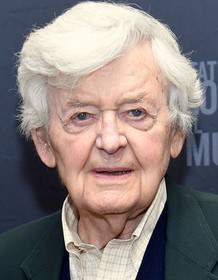
Senator Fergus
Played by Hal Holbrook
A Senate candidate who initially faces Max's challenge but ultimately allies with him to support demonstrations and campaign shifts. He embodies the establishment trying to adapt to the youth-led tide while seeking to maintain power.
- 🗳️ Politics
- 🧭 Strategy
- BC
Billy Cage
Played by Bill Mumy
A 15-year-old genius attorney who serves as lead guitarist for the Troopers. He embodies precocious talent and strategic thinking, acting as a bridge between youth energy and political maneuvering.
- 🧠 Genius
- 🎸 Music
- 🧭 Strategy
-
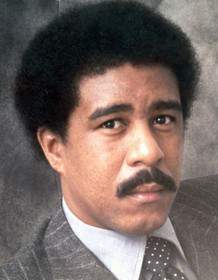
Stanley X
Played by Richard Pryor
The band's drummer who doubles as an anthropologist, adding a quirky, intellectual edge to the group. His unique perspective helps frame the counterculture's ambition and critique.
- 🧠 Intellectual
- 🥁 Music
- 🧭 Explorer
-

Mrs. Fergus
Played by Millie Perkins
Sally's mother figure within the political circle; she represents familial connections that can both support and complicate the movement as it grows.
- 👩 Family
- 🏛️ Politics
- 💬 Supportive
- MJ
Max Jacob Flatow, Sr.
Played by Bert Freed
Max Frost's father figure; a part of the family whose involvement surfaces as the campaign and power shifts unfold.
- 👨 Family
- 🧭 Guidance
- TH
The Hook
Played by Larry Bishop
A member of the Troopers known for his distinctive hook-hand; part of the group's edgy, rebellious image during performances and demonstrations.
- 🎭 Performance
- 🧩 Edge
Where and When Is Wild in the Streets Set?
Wild in the Streets is set in Beverly Hills, Washington, D.C. and United States (late 1960s). Here is why the time and place matter to the story.
When
late 1960s
Set during the late 1960s, the film mirrors the era's counterculture and political upheaval. It portrays a surge of youth activism, debates over voting age, and a rapidly changing social order. The atmosphere blends music, protests, and political theater as young people challenge age-based power.
Where
Beverly Hills, Washington, D.C., United States
The story centers on a sprawling Beverly Hills mansion where Max Frost and the Troopers live, rehearse, and perform. It then shifts to the political nerve centers of Washington, D.C., where campaigns and power plays shape events. The contrast between glamorous private spaces and government corridors highlights the collision of youth rebellion with established authority.
- 🎬 Film setting
- 🏛️ Political backdrop
- 🏙️ Urban environment
What Are the Themes of Wild in the Streets?
3 ideas the story keeps returning to, among them Youth Power, Political Satire and Power Shift.
-
01
Youth Power
Max Frost's rise and the Troopers ignite a nationwide youth movement that reshapes political discourse. The film treats teenage energy as a catalyst for policy change, from rallies to calls for legal reform. It explores both the appeal and consequences of empowering a generation to lead the nation.
-
02
Political Satire
The narrative lampoons political processes and media manipulation as a youth-led movement upends conventional campaigns. It juxtaposes the Old Guard with fresh, audacious tactics, often using spectacle to influence public opinion. The LSD-tinged, over-the-top schemes reveal the extremes of power and propaganda.
-
03
Power Shift
Age-based governance sweeps the country, culminating in dramatic policy shifts and repressive measures against older generations. The film stretches human rights and governance to ridiculous extremes, including mandatory retirement, de facto age policing, and LSD dosing. It critiques who gets to decide the terms of social order and what happens when youth rule.
What Kind of Film Is Wild in the Streets?
Dark in tone, with fast pacing and a moderate story, going by the plot summary.
- Tone
- Dark
- Pacing
- Fast
- Story
- Moderate
- Intensity
- High
- Ending
- Ambiguous
A fast-paced, darkly satirical ride that induces anxiety as a youth-led political revolution rapidly spirals into a paranoid dystopia where power corrupts and generational conflict turns brutally oppressive.
- satirical
- anxious
- paranoid
- subversive
- unsettling
- rebellious
- generational conflict
- political revolution
- youth activism power
- corruption of power
Content notes: forced drugging, political imprisonment, psychological manipulation.
Quiz
How well do you remember Wild in the Streets? Test yourself on the story.