What Is Truth About?
The premise of Truth in 266 words, with nothing given away. The full story follows below.
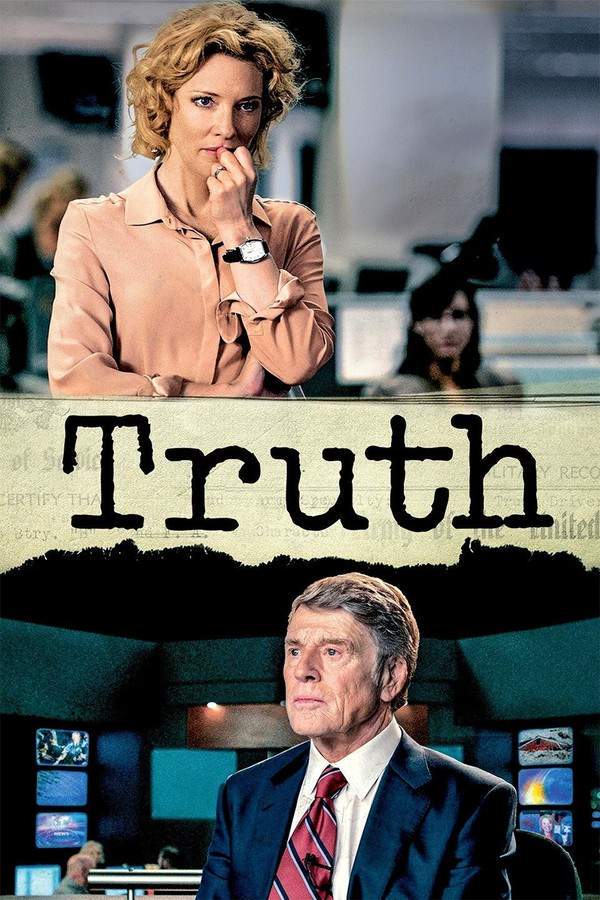
In the tense atmosphere of a major news network, a determined producer sets out to question the official story behind a sitting president’s military past. The film paints a newsroom that feels both bustling and claustrophobic, where the rush of deadlines collides with the weight of national politics. Inside this world, the pursuit of a story becomes a high‑stakes game of verification, with every lead promising to shift public perception and test the limits of journalistic integrity.
Mary Mapes leads a tight‑knit crew whose varied expertise shapes the investigation’s shape. Alongside her are the meticulous researcher Mike Smith, the sharp‑eyed fact‑checker Lucy Scott, and the seasoned military analyst Colonel Roger Charles, each bringing a distinct viewpoint that fuels both collaboration and quiet tension. Their interactions reveal a blend of professional respect and personal stakes, as they navigate sources, archives, and the inevitable push‑back from a political landscape that resists scrutiny. The tone balances the sober seriousness of investigative reporting with moments of dry humor and camaraderie, underscoring how a shared mission can both bind and strain relationships.
Across the studio, the veteran anchor who will carry the story to the nation’s living rooms, Dan Rather, embodies the weight of delivering breaking news to a skeptical public. His presence adds a layer of gravitas, reminding the team that their work will not stay confined to the newsroom but will echo across airwaves, debate shows, and online forums. The film’s mood is one of quiet urgency, inviting viewers to feel the pulse of a society where truth, power, and reputation hang in delicate balance, waiting to be uncovered.
What Happens in Truth?
The complete story of Truth, from the first scene to the last, in 443 words (about 2 minutes). Spoilers throughout. Names in the text link to 6 cast member pages.
Spoilers ahead
Months before the 2004 US presidential election, Mary Mapes, a producer for 60 Minutes Wednesday, teams up with a small crew—Mike Smith, Lucy Scott, and Colonel Colonel Roger Charles—in a meticulous pursuit to verify whether George W. Bush received any preferential treatment during his military service. Charles, who believes the military “is good at what they do,” contends there were no mistakes or errors, even as rumors persist that Bush’s records were lost or altered and that he struggled with minimal physical aptitude testing. With a stubborn commitment to proof, Mapes and her team chase down leads, including Bill Burkett, who claims to possess memos and letters detailing Bush’s favorable treatment and a 1972 AWOL period. They also interview former Texan Lieutenant Governor Ben Barnes, who admits he used political influence to help Bush join the National Guard. Mapes builds a story that Dan Rather reports on 60 Minutes, presenting the investigation to a wide audience.
Once the segment airs, the airwaves grow tense with questions about accuracy. The authenticity of the documents at the center of the report is challenged, and a broader controversy is fueled by radio hosts, bloggers, and resurfacing coverage from major outlets, including The Washington Post and CBS itself. Some of the memos’ characteristics—such as their font and letter spacing—suggest they were created on a computer using Microsoft Word, casting doubt on whether they could have been typed on a typewriter in the early 1970s. Burkett later acknowledges that he lied about where he obtained them.
The film then shifts to the implications for those involved. Jerry Killian was George W. Bush’s commanding officer in 1972, and by the time CBS aired the report, Killian was deceased. Robert Hodges, Killian’s supervisory officer, recants an earlier statement asserting the Killian documents were authentic, yet he refuses to dwell on whether there might be truth behind the papers. Dan Rather is forced to apologize for presenting the material as fact, and Mapes, along with her team and Rather, faces an internal review that probes potential political bias rather than the substance of the allegations.
As the internal proceedings unfold, Mapes’s colleagues—[Mike Smith], [Lucy Scott], and [Colonel Roger Charles]—are disciplined, with Smith venting in the office before being escorted out, and the trio ultimately barred from their roles. Rather decides to retire from broadcasting after the hearings. The film closes with a somber note on outcomes: Mapes is fired following the review, and several CBS executives are asked to resign. Yet the closing credits also remind viewers that CBS won a Peabody Award for Mapes’s earlier documentary exposing atrocities at Abu Ghraib, signaling a complex reckoning within the network’s journalistic legacy.
Truth Timeline: Every Key Event in Order
14 key events in the order they happen, from “Investigation begins: Mapes pursues Bush records” to “Closing notes: consequences and recognition”. 14 events name a place, across 12 locations.
- 1
Investigation begins: Mapes pursues Bush records
Mapes and her team begin digging for evidence to verify Bush's military record. They pursue leads and assemble potential sources that could corroborate claims of preferential treatment. The pursuit is driven months before the 2004 election.
When:Months before the 2004 election Where:CBS News / 60 Minutes Wednesday newsroom
- 2
Lead emerges: Bill Burkett presents alleged documents
Bill Burkett claims to have documents in the form of memos and letters indicating Bush received preferential treatment and went AWOL in 1972. He presents the materials as key evidence for the investigation. The team weighs the credibility of these materials as potential smoking guns.
When:Before airing on CBS Where:Burkett's location
- 3
Ben Barnes interview reveals influence
Mapes and her team interview Ben Barnes, who admits he used influence to help Bush join the National Guard. The admission provides a potential corroboration that motivates further reporting. The interview raises the stakes for the story.
When:Before airing Where:Texas
- 4
Story assembled and presented on air
Mapes produces the segment and Dan Rather reports it on 60 Minutes. The piece is framed as a major investigative effort to uncover possible misconduct. Viewers are introduced to the allegations and the alleged documentary evidence.
When:Shortly after interviews Where:CBS News studios
- 5
Immediate aftermath: questions arise about accuracy
After the airing, Mapes and Rather face questions about the segment's accuracy and the authenticity of the documents. The controversy is amplified by radio hosts, bloggers, and mainstream outlets. The newsroom begins to scrutinize the piece more closely.
When:Immediately after airing Where:CBS News / media landscape
- 6
Forensics issue: memos' font suggests Word
Analyses reveal the memos' font and spacing indicate they were created on a computer using Microsoft Word, not a 1970s typewriter. This detail undermines the claimed originality of the documents. The scrutiny shifts from content to origin and method of creation.
When:Following airing Where:Newsroom / investigative teams
- 7
Burkett admits he lied about sources
Burkett admits that he lied about where he obtained the documents. This admission severely undermines the credibility of the entire report. The credibility crisis deepens as questions about every source arise.
When:After admission Where:Burkett's location
- 8
Hodges recants Killian documents' authenticity
Robert Hodges recants an earlier statement that the Killian documents were authentic. He refuses to dwell on whether there is any truth in the documents. The official stance on authenticity becomes increasingly uncertain.
When:During investigation Where:CBS News / interviews
- 9
Dan Rather apologizes on air
Dan Rather is forced to apologize for presenting the material as fact. The network faces backlash and questions its journalistic process. The apology signals a turning point in the fallout.
When:After the investigation Where:CBS News
- 10
Internal review panels; bias allegations surface
An internal review panel examines the episode, focusing on the authenticity of the Killian documents and potential political bias. The emphasis shifts from the content to the integrity and impartiality of the reporting. The panel's findings shape the newsroom's next steps.
When:After air date Where:CBS Internal Review Panel
Show the other 4 events of Truth Hide the last 4 events
- 11
Crew punished: Smith, Scott, Charles fired
Smith, Scott, and Charles are banned from CBS News and ultimately fired; Smith is heard ranting in the office before being escorted out. The punishment underscores the severity of the newsroom’s internal fallout. The team’s careers are irrevocably altered.
When:During/after the internal review Where:CBS News offices
- 12
Rather retires; Mapes fired
Dan Rather decides to retire from broadcasting in the wake of the upheaval. Mary Mapes is fired following the hearing, ending her tenure with the project. The leadership of the broadcast is left to bear the consequences.
When:After the hearings Where:CBS
- 13
Final broadcast and aftermath
Rather delivers his last broadcast, acknowledging the courage it took for the crew to persevere through the toughest times. The film documents Mapes’s departure and the enduring controversy. The end of the on-air chapter is marked by reflection on journalistic risks.
When:Following the hearings Where:CBS News
- 14
Closing notes: consequences and recognition
The ending notes that Mapes was fired and four executives resigned, highlighting the governance fallout. It also notes CBS won a Peabody Award for Mapes's earlier Abu Ghraib documentary, offering a contrast between later recognition and the current scandal. The film closes on a reminder of complex accountability in journalism.
When:End of film Where:Film credits
Who Are the Main Characters in Truth?
6 characters, among them Mary Mapes - Cate Blanchett, Dan Rather - Robert Redford and Bill Burkett - Topher Grace: who each one is and the part they play in the story. Every profile links to the actor’s page.
-

Mary Mapes - Cate Blanchett
Played by Cate Blanchett
Mary Mapes is an investigative producer for 60 Minutes Wednesday who drives the pursuit of truth behind Bush's military records. She champions rigorous reporting and ethical vigilance, even in the face of political and editorial pressure. The controversy surrounding her reporting leads to career consequences and questions about bias.
- 🎭 Ambition
- 🗞️ Investigative Journalism
- ⚖️ Ethics
-

Dan Rather - Robert Redford
Played by Robert Redford
Dan Rather is a veteran anchor who defends the team’s reporting on the Bush-Killian documents and presents the story to the nation. He remains steadfast in pursuing the truth, despite public and institutional pushback. After the hearings, he retires from broadcasting, marking a sea change for CBS News.
- 🎯 News Anchor
- 🗞️ Public Discourse
- ⚖️ Integrity
-

Bill Burkett - Topher Grace
Played by Topher Grace
Bill Burkett is the source who presents the memos as evidence of Bush's AWOL period. The film shows how the documents and the perceived sourcing drive the investigation, even as he later admits he lied about where he obtained them.
- 🗂️ Source
- 🗞️ Documented Evidence
- ⚖️ Responsibility
-
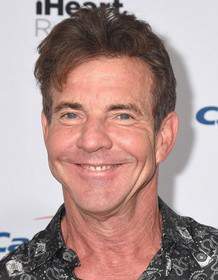
Lt. Col. Roger Charles - Dennis Quaid
Played by Dennis Quaid
Lt. Col. Roger Charles is a former military officer who challenges the idea of wrongdoings by the Bush records, asserting that the military is capable and that mistakes may be unlikely. His perspective provides counterpoints to the memos and fuels the debate about authenticity.
- 🧭 Military Perspective
- 🗣️ Testimony
- ⚖️ Skepticism
-

Lucy Scott - Elisabeth Moss
Played by Elisabeth Moss
Lucy Scott is Mapes's colleague at 60 Minutes Wednesday who helps drive the investigative work. She participates in the reporting process and endures the intense scrutiny of the ensuing internal review.
- 🎭 Collaboration
- 🗞️ Investigative Journalism
- ⚖️ Ethics
-
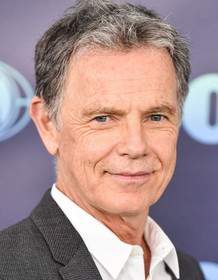
Ben Barnes - Bruce Greenwood
Played by Bruce Greenwood
Ben Barnes is the former Texas Lieutenant Governor who admits to pulling strings to enable Bush's National Guard participation. His admission adds a layer of political maneuvering to the tale and raises questions about influence and accountability.
- 🧭 Political Influence
- 🗳️ Policy
- ⚖️ Ethics
Where and When Is Truth Set?
Truth is set in New York (1972, 2004). Here is why the time and place matter to the story.
When
1972, 2004
The narrative shifts between the 1970s, when Bush's National Guard records were allegedly formed and later questioned, and the 2004 air date when the investigative report aired. It shows how events from the early 1970s echo through to the media controversy two decades later. The timeline highlights tensions between memory, documentation, and political repercussions.
Where
New York
The film centers on the CBS News newsroom environment where the 60 Minutes Wednesday team pursues a controversial story. Set against the backdrop of a high-stakes media environment, it portrays the pressure-filled atmosphere of investigative journalism. The city serves as the hub for the gathering of documents, interviews, and the ensuing media firestorm.
- 🗽 Newsroom
- 🗞️ Broadcast Journalism
- 🎬 Drama
What Are the Themes of Truth?
3 ideas the story keeps returning to, among them Truth vs Bias, Accountability and Media Ethics.
-
01
Truth vs Bias
The film examines how personal beliefs and political pressure can color the pursuit of truth. It follows Mapes and her team as they strive to verify controversial documents while facing accusations of liberal bias. The story probes whether objective truth can survive in a media landscape shaped by opinions.
-
02
Accountability
The investigation shows how individuals and institutions respond when journalism is questioned. It depicts internal reviews, public scrutiny, and the consequences for those who produced and aired the report. The film questions who should be held responsible when the truth is contested.
-
03
Media Ethics
The narrative tackles ethical dilemmas in journalism, including source handling, document authentication, and the line between inquiry and advocacy. It highlights the tension between reporting a powerful story and protecting the credibility of the newsroom. The outcome underscores the fragility of trust in broadcast journalism.
What Kind of Film Is Truth?
Tense in tone, with steady pacing and a moderate story, going by the plot summary.
- Tone
- Tense
- Pacing
- Steady
- Story
- Moderate
- Intensity
- High
- Ending
- Bittersweet
A tense and sobering political drama that methodically builds suspense as journalists chase a high-stakes story, only to unravel under intense public scrutiny and face devastating professional consequences.
- tense
- frustrating
- sobering
- urgent
- methodical
- suspenseful
- political corruption
- investigative journalism
- media ethics
- truth and consequences
Content notes: career downfall, public shaming.
Quiz
How well do you remember Truth? Test yourself on the story.
Where to Watch Truth
Stream it on Fawesome and Howdy, or rent or buy it from Amazon Video and Apple TV Store. US availability and prices from JustWatch.
 Fawesome
  Howdy Amazon Channel
  Tubi TV




Streaming availability in the US, powered by