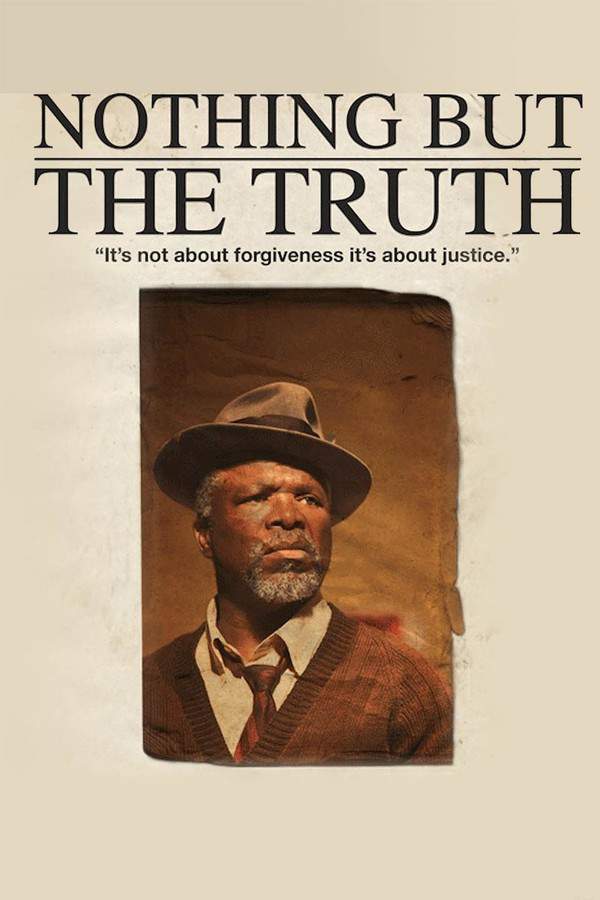
Nothing But the Truth 2008


Directed by
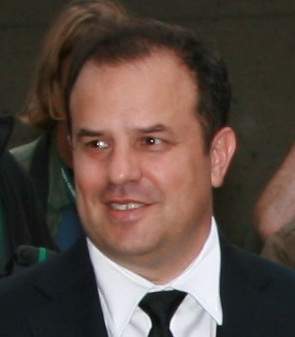
Rod Lurie
Made by

Yari Film Group Releasing
Where to Watch Nothing But the Truth
See current US streaming, rental, and purchase options for Nothing But the Truth (2008) via JustWatch.

fuboTV
HD
Fawesome
HD
The CW
SD
Fandango at Home Free
HD
Plex
HD
Plex Channel
HD
Pluto TV
SD
The Roku Channel
HD
Tubi TV
SD Streaming availability powered by 
Nothing But the Truth Plot Summary
Read the complete plot summary and ending explained for Nothing But the Truth (2008). From turning points to emotional moments, uncover what really happened and why it matters.
President Lyman, portrayed by Scott Williamson, becomes the target of an assassination attempt, which results in a U.S. retaliatory bombing of Venezuela, accusing the country of orchestrating the attack. In this tense atmosphere, Rachel Armstrong (Kate Beckinsale), a driven reporter for the Capital Sun-Times based in Washington D.C., is on the verge of exposing a significant story. She is set to publish allegations that the Lyman administration willfully deceived Congress and the American public by blaming Venezuela for the assassination attempt, all while ignoring a CIA report from operative Erica Van Doren (Vera Farmiga) which determined there was no connection between the country and the attack.
Rachel holds onto vital evidence: a memo written by Erica, who is deeply involved in the investigation and whose daughter, Alison, attends the same school as Rachel’s son, Timmy (Preston Bailey). Refusing to disclose her source, Rachel confronts Erica at a soccer game, where Erica, while denying her CIA ties becomes agitated by what she perceives as the reckless behavior of journalists. Confident in her findings, Rachel publishes her report, which swiftly makes headlines and gains the unwavering support of her editor, Bonnie Benjamin (Angela Bassett), along with legal counsel Avril Aaronson (Noah Wyle).
However, the CIA quickly becomes aware of Rachel’s impending reveal. Erica’s supervisor, Merill, grows suspicious that Erica may have leaked information to Rachel, especially since she expressed frustration over being ignored by the White House after submitting her report. In an aggressive move, they decide to polygraph everyone at the agency to uncover the source of the leak. The ramifications of exposing a covert operative’s identity are severe, as it could be considered treason if committed by a government official. Consequently, special prosecutor Patton Dubois (Matt Dillon) assembles a grand jury to find and prosecute the leaker. When asked about her source, Rachel staunchly declines to provide any information, leading to her imprisonment for contempt of court.
The high-profile lawyer Albert Burnside (Alan Alda), representing Rachel, underestimated the situation’s gravity, exclaiming that the judge made a serious miscalculation when his client was jailed. He compares mistakes with biting remarks, saying, >“sometimes a mistake is like wearing white after Labor Day, and sometimes a mistake is invading Russia in winter.” In the following days, Burnside fights for Rachel’s release on bail, but the judge sets conditions, insisting Rachel must consult her source before revealing their identity—conditions she vehemently rebuffs.
As time goes on, Erica faces pressure within the CIA, even after successfully passing a polygraph examination. Her anger boils over as she threatens to disclose confidential information, while facing the possibility of her custody battle over her daughter being manipulated against her. The tension escalates, and as weeks turn into months, Erica is tragically murdered outside her home, escalating the stakes for Rachel.
Despite facing harassment from fellow inmates and an estrangement from her husband, Ray Armstrong (David Schwimmer), and son Timmy, Rachel holds firm in her commitment to protecting her source. Over her imprisonment, the mounting fines against her newspaper reach astronomical amounts, as Dubois persuades the court to impose a daily fine for each day that Rachel refuses to disclose her source. Rachel argues to Dubois, that revealing her source post-murder could endanger others, but the situation spirals further when a White House staff member admits to leaking information about Erica—an action Rachel had already known about prior to their meeting.
With Burnside appealing all the way to the Supreme Court, he stresses that without the protection of sources, the freedom of the press and, by extension, democracy itself hangs in the balance. Unfortunately, the court sides against Rachel in a close decision. Eventually, the judge recognizes that continued incarceration serves no purpose, deciding ultimately to release Rachel, who has not been convicted of any crime. Just as she steps out, Dubois intervenes, instigating an arrest on grounds of obstruction of justice, leading Rachel to accept a plea deal that includes a two-year sentence but allows the possibility of early parole for good behavior.
As Rachel is taken to prison, she reflects on a moment spent volunteering at Timmy’s school, where she recalls a conversation with Erica’s daughter, Alison. In this innocent exchange, Alison inadvertently reveals that her mother worked for “the government” and had recently traveled to Venezuela for “business,” shedding light on the chain of events that have led to her current predicament.
Nothing But the Truth Timeline
Follow the complete movie timeline of Nothing But the Truth (2008) with every major event in chronological order. Great for understanding complex plots and story progression.
Assassination Attempt
President Lyman becomes the target of an assassination attempt that shakes the political landscape in the U.S. As a direct consequence, the government retaliates by launching a bombing campaign on Venezuela, blaming the country for the attack and escalating tensions between the nations.
Rachel's Investigation Begins
Rachel Armstrong, a determined reporter, uncovers allegations that the Lyman administration deceived Congress and the public about the assassination attempt. She discovers a CIA report indicating that there was no connection between Venezuela and the attack, compelling her to prepare the story for publication.
Confrontation with Erica
Rachel confronts CIA operative Erica Van Doren at a soccer game, discussing the implications of the memo she holds as evidence against the government. Despite Erica's denial of any involvement, tensions rise as Rachel presses for answers about the CIA's actions.
Report Publication
Confident in her findings, Rachel publishes her report, which quickly garners attention across major news outlets. Her editor Bonnie and legal counsel Avril support her efforts, providing a strong backing amid the growing crisis.
CIA's Response
The CIA becomes aware of Rachel's report, raising suspicions within the agency regarding a potential leak. Erica's supervisor Merill begins an internal investigation, leading to polygraph tests for agency employees to trace the source of the information.
Grand Jury Assembly
Special prosecutor Patton Dubois organizes a grand jury to investigate the leak connected to Rachel's story. The situation intensifies as the possibility of charges against anyone involved in revealing a covert operative's identity looms over the agency.
Rachel's Imprisonment
Refusing to divulge her source, Rachel is imprisoned for contempt of court. Her lawyer, Albert Burnside, is taken aback by the severity of the judge's decision, reflecting the dire circumstances surrounding Rachel's unwavering stance on protecting her source.
Pressure on Erica
As Erica faces mounting pressure within the CIA, she becomes increasingly frustrated with the agency's neglect. She threatens to expose confidential details, realizing that her precarious position puts her custody battle over her daughter at risk.
Erica's Murder
Tragically, Erica is murdered outside her home, escalating the stakes for Rachel. This shocking event intensifies the urgency behind Rachel's fight to protect her source and reveals the dangerous repercussions of their investigation.
Harassment and Estrangement
During her time in prison, Rachel faces harassment from inmates while her relationships with her husband and son deteriorate. Facing fines that accumulate daily against her newspaper for her refusal to disclose her source, Rachel remains resolute.
Court Appeals
Burnside appeals Rachel's case all the way to the Supreme Court, arguing the critical importance of protecting journalistic sources. Their decision ultimately sides against Rachel, a setback that highlights the fragile balance between press freedom and national security.
Release from Incarceration
Eventually, the judge decides that Rachel's continued imprisonment serves no purpose and orders her release, highlighting the lack of formal charges. However, just as she begins to step out, prosecutor Dubois intervenes, leading to further complications.
Plea Deal Acceptance
Rachel is compelled to accept a plea deal involving a two-year sentence with the possibility of early parole. This decision reflects the overwhelming pressure she faces to protect herself while still valuing the integrity of her source.
Reflection on Timmy's School
While being transported to prison, Rachel reminisces about volunteering at Timmy's school, recalling a conversation with Alison, Erica's daughter. This innocent exchange reveals critical information about Erica's CIA ties and the events that led to Rachel's predicament.
Nothing But the Truth Characters
Explore all characters from Nothing But the Truth (2008). Get detailed profiles with their roles, arcs, and key relationships explained.
Rachel Armstrong
Rachel Armstrong is a determined and tenacious journalist who risks everything to uncover the truth behind a political scandal. She embodies the struggle for press freedom and showcases resilience in the face of adversity, as her commitments lead her down a path of imprisonment. Her character emphasizes the personal costs associated with holding power accountable.
Erica Van Doren
Erica Van Doren is a complex CIA operative torn between her professional obligations and personal connections. Her struggle highlights the internal conflicts faced by those in covert operations, as her actions inadvertently put her loved ones at risk. The character's tragic journey underscores themes of loyalty and the high stakes involved in clandestine work.
Patton Dubois
Patton Dubois serves as the special prosecutor determined to uncover the leaker in the scandal. His character symbolizes the relentless pursuit of justice, yet his actions raise questions about the ethical boundaries of legal proceedings. Dubois's unwavering approach embodies the dilemmas faced within the complex realm of law and governance.
Nothing But the Truth Settings
Learn where and when Nothing But the Truth (2008) takes place. Explore the film’s settings, era, and how they shape the narrative.
Time period
Modern Era
The events take place in the modern era, characterized by heightened political tensions and increasing scrutiny of governmental actions. This time period reflects an era where media plays a crucial role in shaping public opinion and exposing governmental discrepancies, which has significant implications for democracy and the rule of law.
Location
Washington D.C., Venezuela
Washington D.C. is the political heart of the United States, known for its iconic monuments, government buildings, and vibrant culture. As the center of U.S. politics, it often finds itself entangled in domestic and international disputes. Venezuela, on the other hand, has been a focal point in foreign relations, often depicted in media as a country facing significant political turmoil and conflict.
Nothing But the Truth Themes
Discover the main themes in Nothing But the Truth (2008). Analyze the deeper meanings, emotional layers, and social commentary behind the film.
📰
Freedom of Press
The film delves into the critical theme of press freedom and the ethical responsibilities of journalists. Rachel's commitment to protecting her source highlights the struggles faced by reporters in the face of government pressure and the lengths they'll go to unveil the truth, embodying the challenges of maintaining journalistic integrity in a politically charged environment.
⚖️
Justice vs. Loyalty
Exploring the complex interplay between justice and personal loyalty, the movie highlights Rachel's conflict as she must choose between protecting her source and facing the legal consequences of her actions. This theme underscores the moral dilemmas individuals encounter when the law intersects with personal ethics and professional duty.

Coming soon on iOS and Android
The Plot Explained Mobile App
From blockbusters to hidden gems — dive into movie stories anytime, anywhere. Save your favorites, discover plots faster, and never miss a twist again.
Sign up to be the first to know when we launch. Your email stays private — always.
Explore the mobile appNothing But the Truth Spoiler-Free Summary
Discover the spoiler-free summary of Nothing But the Truth (2008). Get a concise overview without any spoilers.
In a nation still reeling from a recent political crisis, Washington D.C. feels cracked open, its institutions strained under the weight of suspicion and heated debate. The atmosphere is electric—media outlets scramble for truth while power brokers guard secrets, and the line between public accountability and national security blurs with every headline. The setting pulses with the tension of a democracy testing its own limits, inviting the audience into a world where a single story can tip the balance of a nation’s conscience.
At the heart of this storm stands Rachel Armstrong, a determined reporter for the Capital Sun‑Times. Fueled by a deep belief in the press’s role as a watchdog, she pursues a lead that could expose a dangerous disconnect between the administration’s public narrative and the reality uncovered by a covert investigation. Her resolve is reinforced by a supportive editor, a steadfast legal adviser, and a family that anchors her to ordinary life—her husband Ray Armstrong and their young son Timmy. The stakes become personal when the source of her information, a government analyst whose identity she protects fiercely, is drawn into the same vortex of scrutiny.
The narrative sharpens as powerful figures—including a president whose decisions are under fire, a seasoned special prosecutor, and a veteran defense lawyer—converge on Rachel’s story. Their respective agendas turn the courtroom into a battleground for principle versus power, with the journalist’s silence becoming both her shield and her sentence. The legal conflict looms large, hinting at the price of integrity in a climate where the protection of a source might cost a career, freedom, or more.
All the while, the film sustains a brooding, investigative tone, weaving together gritty newsroom hustle, the cold calculus of intelligence agencies, and the intimate pressures of family life. It asks whether the pursuit of truth can survive when the very act of protecting it threatens to dismantle the very institutions meant to safeguard it, leaving viewers to ponder the fragile equilibrium between a free press and the forces that seek to silence it.
Movies with Similar Twists and Themes
Uncover films that echo the narrative beats, emotional arcs, or dramatic twists of the one you're exploring. These recommendations are handpicked based on story depth, thematic resonance, and spoiler-worthy moments — perfect for fans who crave more of the same intrigue.
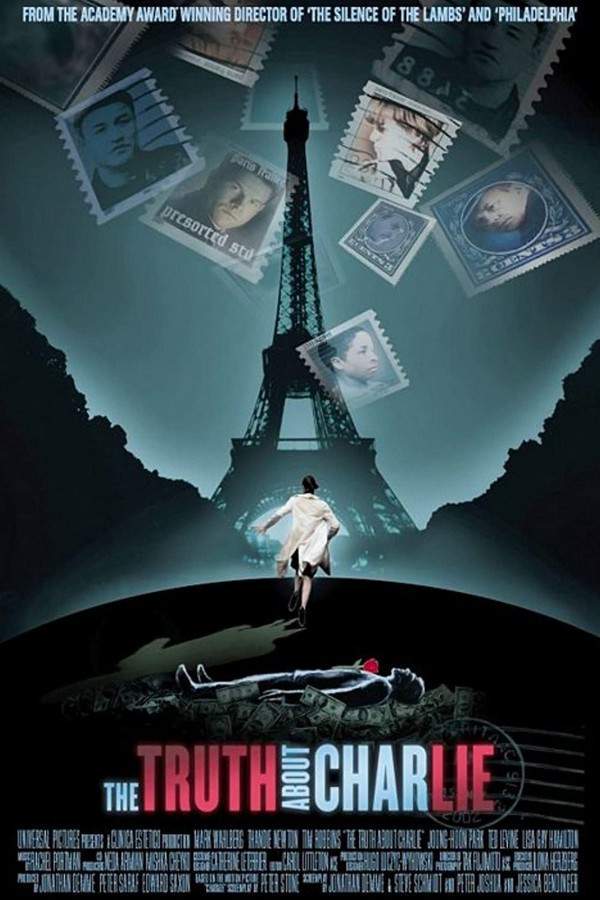




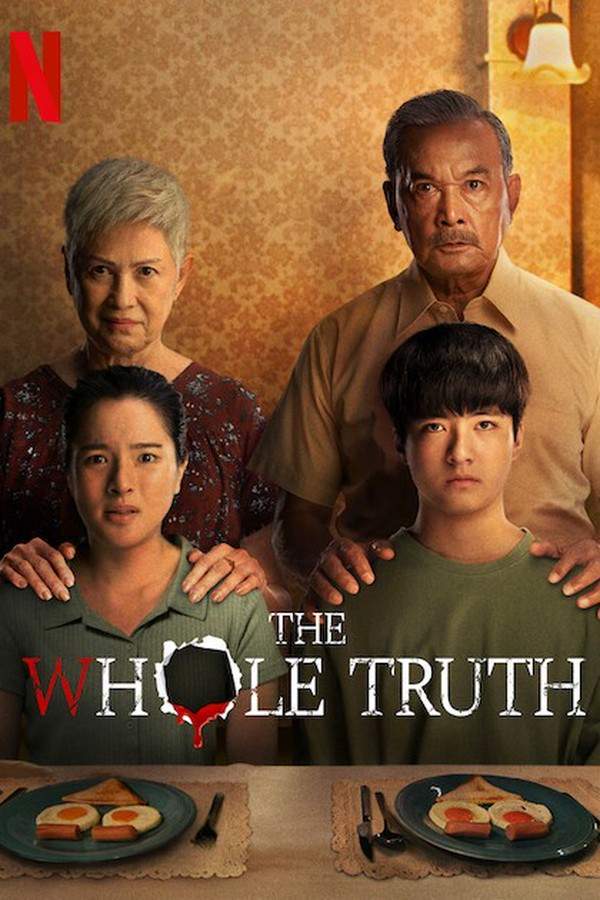

Featured on this page

What's After the Movie?
Not sure whether to stay after the credits? Find out!
Check out our other apps:

SAT Sphere
Build confidence for the Digital SAT.

Mori Atlas
Discover wild places worth protecting.

Luntero
Search smarter for a home in Amsterdam.

Plot Explained
Unravel movie endings and hidden clues.

Pokechamp
Dive into Pokémon data and battle logic.

Driving Theory
Get ready for your European theory test.

Movie Dust
Plan your next cinema trip with ease.

Musemap
Find art and culture as you travel.

Selkobase
Compare credentials before committing.

Local Manual
Turn an unfamiliar country into practical next steps.

Lernavi
Compare school systems before your next move.

GymRoam
Find a workout stop wherever your plans take you.
Explore Our Movie Platform
New Movie Releases (2026)
Famous Movie Actors
Top Film Production Studios
Movie Plot Summaries & Endings
Major Movie Awards & Winners
Best Concert Films & Music Documentaries
Movie Collections and Curated Lists
© 2026 What's After the Movie. All rights reserved.
Privacy Policy