
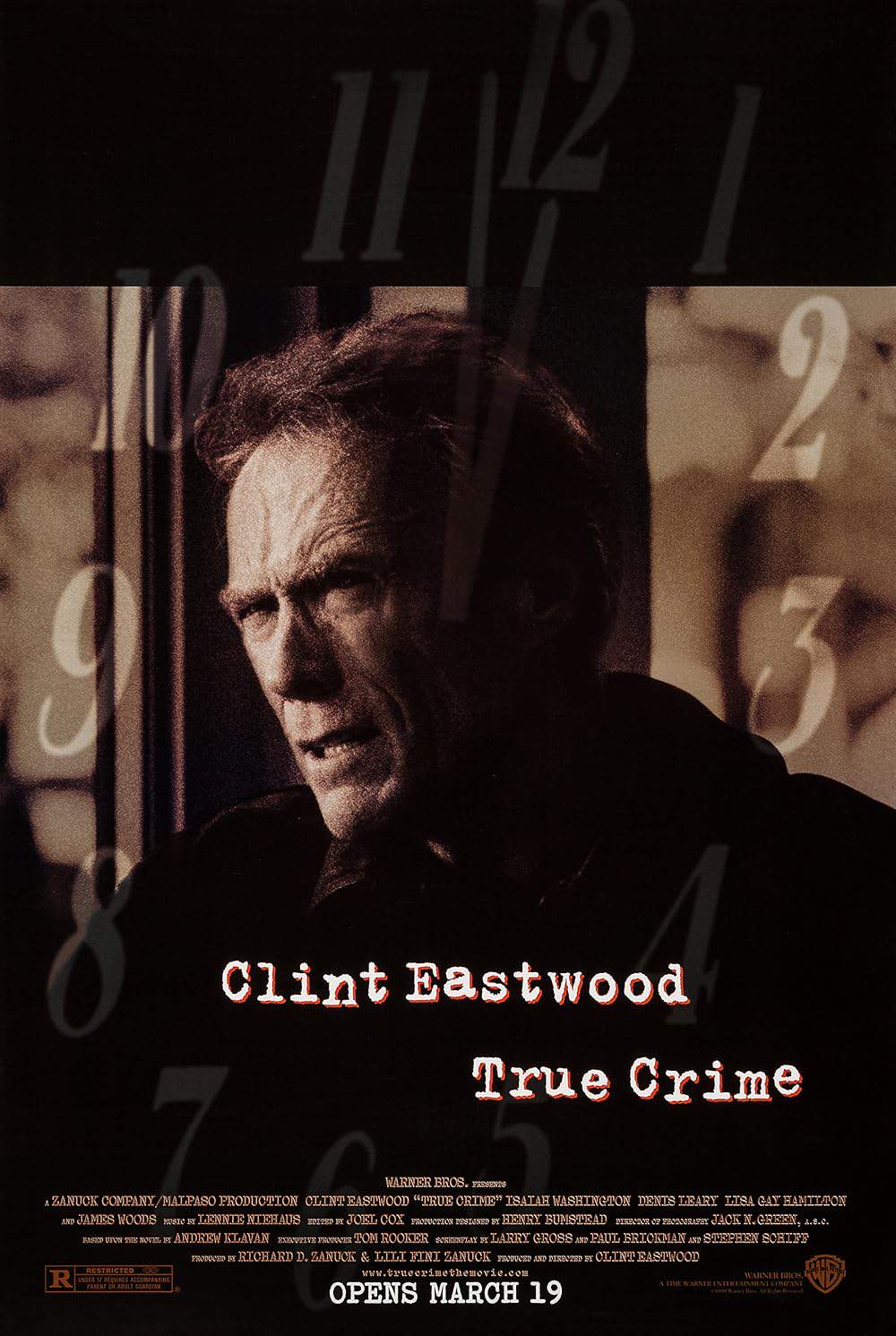
True Crime 1999

Made by

Warner Bros. Pictures
True Crime Plot Summary
Read the complete plot summary and ending explained for True Crime (1999). From turning points to emotional moments, uncover what really happened and why it matters.
Steve Everett, portrayed by Clint Eastwood, is an Oakland journalist struggling to overcome his battle with alcoholism. In a twist of fate, he is assigned to cover the imminent execution of Frank Beechum, played by Isaiah Washington, a convicted murderer whose case is shrouded in controversy. This assignment comes after the tragic death of Everett’s colleague, Michelle Ziegler, who had been initially tasked with the story. Michelle’s death, a result of a car accident following an evening of drinks with Steve at a bar, weighs heavily on him, compounded by the heavy rain and poor visibility that contributed to the tragic event.
Despite the trepidation of his editor, Bob, who fears that Everett will turn the assignment into an exploration of the complexities surrounding human rights and the death penalty, he is encouraged by Bob’s superior, Alan, who recognizes Everett’s talent. It’s known that Everett’s past work has included exposing high-profile corruption, such as the Mayor of New York, which had led him to quit a previous job to stand by the truth, making him a journalist respected for his integrity. Complicating matters further, Everett is engaged in an affair with Bob’s wife, Patricia, adding layers of personal conflict to his already tumultuous life.
Frank Beechum, incarcerated in San Quentin State Prison, maintains his innocence regarding the murder of Amy Wilson, a young white woman who was tragically killed for a mere $96. The societal prejudices against Frank, an African American man, cast a long shadow over the case, as many leap to conclusions about his guilt based solely on race and the victim’s profile. Everett’s investigation unveils a dark tapestry of racial bias and wrongful conviction as he seeks to uncover the truth behind the murder that Beechum stands accused of.
In his quest for justice, Everett sifts through the testimony of witnesses like Dale Porterhouse, who claims to have witnessed Beechum at the scene of the crime but whose testimony raises red flags. The police records come into play as Everett uncovers discrepancies regarding Porterhouse’s claims, leading him to suspect that Warren, an overlooked witness, might actually be the killer. This revelation sends him on a frantic search for evidence, carefully connecting the dots while racing against the clock—Beechum’s execution is set for midnight, giving Everett barely 12 hours to prove his theory.
Even as he grapples with the urgency of his investigation, Everett is torn by his obligations as a father. He has promised to take his daughter, Kate, to the zoo, showcasing the struggle he faces between personal commitments and professional duty. As time slips away, he confronts the moral dilemmas that define his character—does he risk everything to save a man potentially wrongfully convicted, while also trying to reconnect with his family?
The tension mounts as Everett’s job hangs by a thread; he finds himself fired but cleverly reminds his superiors of his contractual rights, demanding just over six hours of notice. When he finally tracks down Angela Russel, the grandmother of Warren, the supposed eyewitness, a shocking truth comes to light that directly links her grandson to the murder. Gaining her reluctant trust, Everett races against nearly insurmountable odds to get her to the Governor’s mansion to prevent an irreversible tragedy.
As the clock ticks down, the first lethal drug is administered to Frank, signifying the race against time. The heart-pounding climax juxtaposes his frantic efforts outside the Governor’s mansion with Frank’s bleak fate inside the prison walls. Ultimately, as six months pass and Christmas approaches, Everett reflects on his journey and the people affected, while an unexpected encounter with Frank and his family leaves a haunting reminder of the real-life consequences of justice—something that he will always carry with him.
“It’s all about the truth, even when it threatens to break you.”
True Crime Timeline
Follow the complete movie timeline of True Crime (1999) with every major event in chronological order. Great for understanding complex plots and story progression.
Michelle's Fatal Accident
Michelle Ziegler, an Oakland journalist, dies in a car accident after spending an evening drinking with Steve Everett. Distracted while fiddling with the car radio, the rainy conditions and low visibility contributed to the tragic crash that ended her life.
Assignment to Cover Frank Beechum's Execution
Steve Everett is assigned to cover the execution of convicted murderer Frank Beechum, stepping in for his deceased colleague Michelle. Though his editor Bob is hesitant due to Everett's tendency to turn stories into investigations, Bob's boss Alan insists on allowing him the opportunity because of Everett's reputation.
Everett's Background with Beechum's Case
Frank Beechum, an African American man on death row, maintains his innocence regarding the murder of Amy Wilson. Despite societal assumptions of his guilt based on race and the victim’s profile, Beechum claims he was merely at the store to buy steak sauce.
The Time Constraint
With only twelve hours until Beechum's scheduled execution at midnight, Everett is under immense pressure to prove his innocence. He is tasked with interviewing Beechum at 4:30 PM, creating a race against time as he seeks crucial evidence.
Interview with Dale Porterhouse
Everett interviews Dale Porterhouse, a key prosecution witness who claims to have seen Beechum over Amy's body. His testimony raises questions, especially since he heard no gunshots, which leaves Everett skeptical of the validity of Dale's account.
Confrontation with D.A. Cecelia Nussbaum
Everett confronts District Attorney Cecelia Nussbaum for more information on the case. She reveals that another witness, Warren, was never called to testify, leading Everett to suspect there might be a connection between him and the actual crime.
Investigating Michelle's Notes
Everett breaks into Michelle's home, searching for any leads that she might have uncovered in her investigation. He discovers her file on Warren, further fueling his belief in Beechum's innocence and uncovering a potential cover-up.
Everett's Job Termination
In a heated confrontation with his bosses regarding his intense investigation into the Beechum case, Everett is fired. He cleverly points out the terms of his contract, demanding six hours and seven minutes of notice before leaving.
Angela Russel's Revelation
Tracking down Warren's grandmother, Angela Russel, Everett learns that her grandson could not possibly be the murderer. This conversation shifts Angela's perspective when Everett mentions a locket similar to one worn by her grandson, leading to a shocking realization.
Race to Save Beechum
Knowing Beechum's execution is imminent, Everett rushes Angela to the Governor's mansion to secure a stay of execution. As they arrive, the first drug in the lethal injection has already been administered, intensifying the urgency of the situation.
Emergency at the Governor's Mansion
As the medical team attempts to resuscitate Frank Beechum after he loses consciousness, the tension rises in the Governor's mansion. Angela pleads for her grandson's life, emphasizing the last-minute effort to overturn the execution.
Aftermath of the Case
Months later, six months after the execution drama, Everett is seen shopping for a gift for his daughter. He learns that his investigative efforts may have earned him recognition, potentially leading to a Pulitzer Prize, a bittersweet twist to his tumultuous journey.
Encounters with Frank Beechum
While shopping, Everett unexpectedly encounters Frank Beechum and his family. They share a moment of acknowledgment, though the situation highlights the complexity of their intertwined lives following the case.
True Crime Characters
Explore all characters from True Crime (1999). Get detailed profiles with their roles, arcs, and key relationships explained.
Steve Everett (Clint Eastwood)
Steve Everett is a complex character, grappling with alcoholism and personal demons while striving to fulfill his journalistic duty. His integrity and commitment to uncovering the truth drive the narrative, even as he navigates intense emotional conflicts stemming from his personal life.
Frank Beechum (Isaiah Washington)
Frank Beechum is a convicted murderer who maintains his innocence, representing the struggle against racial prejudice in the justice system. His character is a poignant reminder of the human cost of wrongful convictions and the societal biases faced by marginalized individuals.
True Crime Settings
Learn where and when True Crime (1999) takes place. Explore the film’s settings, era, and how they shape the narrative.
Time period
The movie takes place in contemporary times, reflecting modern societal issues, particularly regarding race, justice, and the death penalty. This period is marked by heightened awareness around wrongful convictions and human rights, making the themes of the film particularly relevant.
Location
Oakland, San Quentin State Prison
Oakland is a vibrant city in California known for its diverse culture and history, often overshadowed by its neighboring cities. San Quentin State Prison, located on the northern shore of San Francisco Bay, is one of the oldest prisons in California and is infamous for housing death row inmates.
True Crime Themes
Discover the main themes in True Crime (1999). Analyze the deeper meanings, emotional layers, and social commentary behind the film.
⚖️
Justice
The theme of justice is central to the film as Steve Everett battles against the clock to uncover the truth behind the wrongful conviction of Frank Beechum. The narrative explores the complexities of legal ethics, racial bias, and the moral dilemmas faced by individuals in the pursuit of justice.
💔
Loss
Loss permeates the film, affecting both Steve Everett and Frank Beechum. Everett copes with the tragic death of a colleague and the emotional weight of family commitments, while Beechum faces the potential loss of his life unjustly. This theme underscores the personal stakes involved in the characters' journeys.
🕒
Time
The pressure of time is a critical element in the film, as Everett races against the clock to save Beechum from execution. This urgent narrative device heightens tension and emphasizes the significance of timely action in matters of life and death.

True Crime Spoiler-Free Summary
Discover the spoiler-free summary of True Crime (1999). Get a concise overview without any spoilers.
In the rain‑slick streets of Palmerston North, a sudden, violent assault on a rookie detective shatters the fragile calm of a city already bruised by hidden tensions. The crime reverberates through precinct hallways and neighborhood cafés, setting off a relentless hunt for answers that feels as much about the place as it is about the people who live there. A muted, almost noir‑washed palette casts the investigation in shadows, where every whispered lead hints at deeper corruption and unspoken loyalties.
Enter the weary journalist Steve Everett, a man whose own battles with alcoholism and personal loss have left him perpetually on the edge of redemption. Assigned to cover a high‑profile execution, he finds his professional instincts colliding with a tangled web of social prejudice, institutional pressure, and a desperate need to protect the truth. Alongside him, editor Bob and his ambitious superior Alan provide a fraught workplace dynamic, while an ill‑fated affair with Bob’s wife Patricia adds a volatile personal thread to the story’s fabric.
The film balances gritty procedural tension with intimate, character‑driven moments, painting a world where the pursuit of justice is a race against both time and inner demons. As investigators and reporters navigate bureaucratic inertia, media scrutiny, and the weight of public expectation, the atmosphere remains taut—filled with quiet dread, moral ambiguity, and the lingering question of whether the truth can ever truly be unearthed without breaking those who seek it.
Movies with Similar Twists and Themes
Uncover films that echo the narrative beats, emotional arcs, or dramatic twists of the one you're exploring. These recommendations are handpicked based on story depth, thematic resonance, and spoiler-worthy moments — perfect for fans who crave more of the same intrigue.
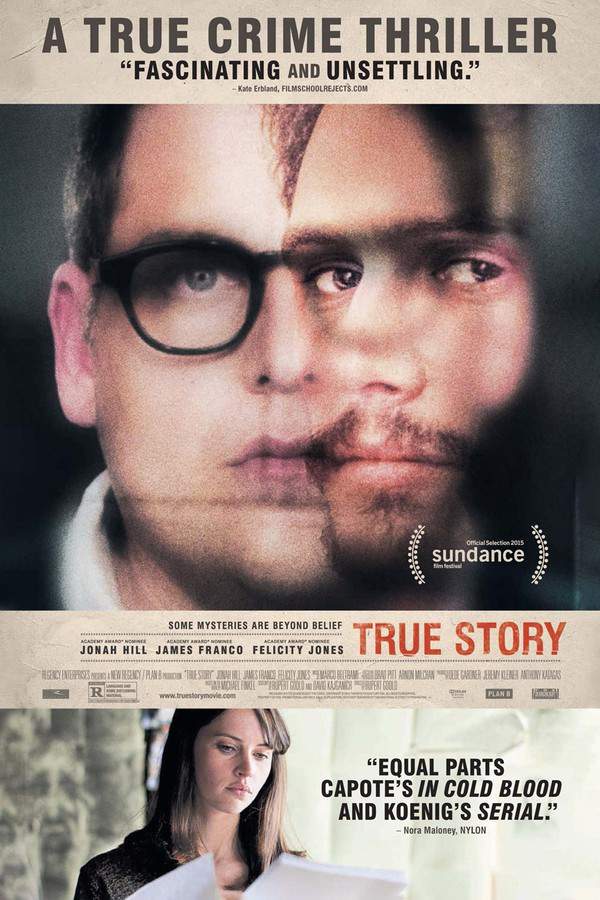

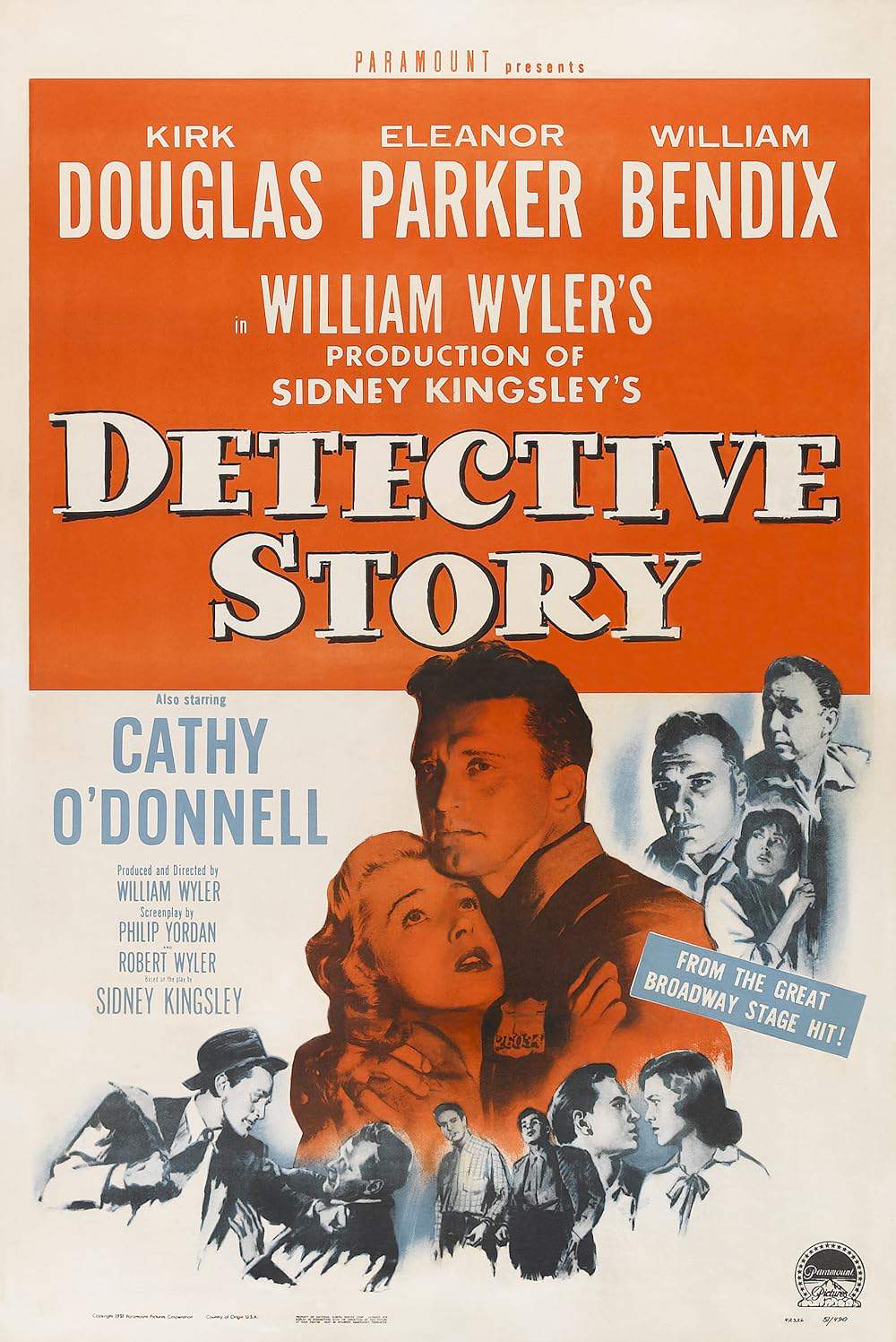
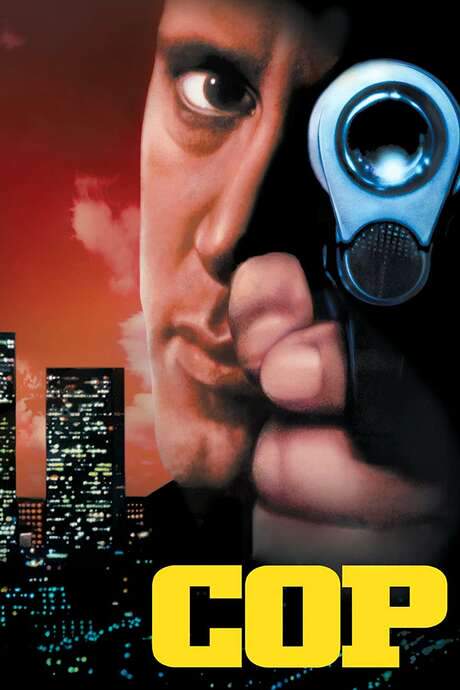
Featured on this page

What's After the Movie?
Not sure whether to stay after the credits? Find out!




Explore Our Movie Platform
New Movie Releases (2025)
Famous Movie Actors
Top Film Production Studios
Movie Plot Summaries & Endings
Major Movie Awards & Winners
Best Concert Films & Music Documentaries
Movie Collections and Curated Lists
© 2025 What's After the Movie. All rights reserved.