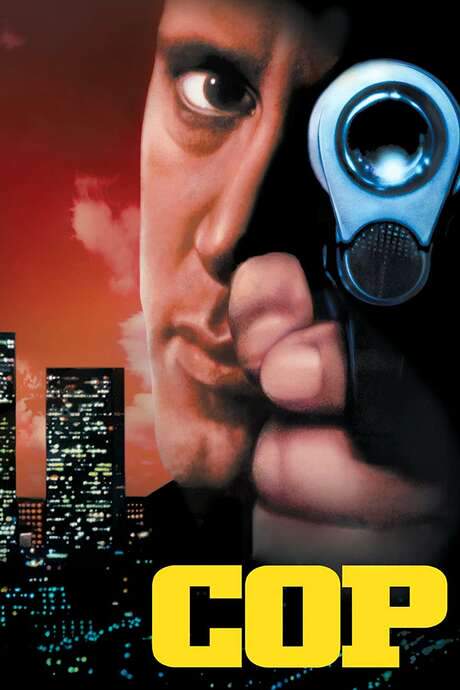
What Is Cop About?
The premise of Cop in 284 words, with nothing given away. The full story follows below.
In the glossy yet gritty sprawl of Los Angeles, a city that never quite sleeps, a single‑minded homicide detective stalks the thin line between order and obsession. Lloyd Hopkins is a veteran of the LAPD with a reputation for bending the rulebook, a relentless drive that has earned him both admiration and wariness among his peers. When a whisper of a serial killer stalking the Hollywood area reaches his ears, his instinct pushes him to pursue the unknown threat with a ferocity that borders on self‑destruction, even as his superiors warn him to tread carefully.
The film paints a portrait of a man whose professional intensity seeps into his personal life, casting long shadows over his marriage and the eight‑year‑old daughter he strives to protect. His partnership with the seasoned yet weary Dutch Peltz offers a counterpoint—steady, skeptical, and often the voice of reluctant reason. Together they navigate a precinct caught between procedural politics and the raw, chaotic pulse of the streets, all while internal affairs looms as an unseen pressure, ready to judge every deviation from protocol.
Against this backdrop, Los Angeles itself becomes a character: neon‑lit avenues, dimly lit diners, and the undercurrents of a city where fame and darkness coexist. The tone is taut and brooding, laced with moments of cynicism and uneasy humor, reflecting the uneasy balance Hopkins must maintain between his unyielding quest for justice and the personal costs it exacts. As the hunt deepens, the film invites viewers to wonder how far a man will go when his sense of duty collides with his own inner demons, setting the stage for a tense, character‑driven descent into the heart of a city that never lets its secrets stay buried.
What Happens in Cop?
The complete story of Cop, from the first scene to the last, in 997 words (about 4 minutes). Spoilers throughout.
Spoilers ahead
Lloyd Hopkins, [James Woods], is a troubled LAPD detective with a high arrest record and a reputation for bending the rules. When a tip leads him to a murder scene at a provided address, he starts gathering evidence on his own, bypassing the usual chain of command and alerting no one above him. He returns home to a tense moment with his wife, and a growing worry about the impact of his work on their eight-year-old daughter, Jen Hopkins, [Jan McGill], who watches from the doorway. The strain of his job bleeds into his private life, and the drama expands as he drags Dutch Peltz, [Charles Durning], his partner, into a stakeout that will push Hopkins to the edge. The stakeout ends with Hopkins shooting and killing the suspect, after which he flirts with the suspect’s date and imposes control over the scene by asking Dutch to stay and handle the aftermath while he drives the woman home.
Hopkins’ hunt then widens as he tracks down Joanie Pratt, [Randi Brooks], an actress-turned-drug dealer and escort, through classified ads found at the victim’s apartment. They meet in a cafe, where Pratt offers information that could crack the case. Back at the station, Hopkins discovers a poem written in blood on the victim— a chilling clue that suggests a killer who has struck before. When he returns home, he finds a farewell note from his wife, who has left with their daughter, a moment that deepens the sense of loss and isolation surrounding Hopkins.
Pratt calls Hopkins, initiating another dangerous encounter. He goes to her place for a discreet tryst, unaware that someone is watching the exchange. The investigation then broadens to a trove of cold-case murder files, and Hopkins brings Deputy Sheriff Delbert “Whitey” Haines, [Charles Haid], to a diner for a brusque, hard-edged interrogation about two suicides that occurred on the same date on Hopkins’s beat. Hopkins then breaks into Haines’s apartment and uncovers a wiretap that captures evidence of Haines dealing drugs, a revelation that ties into a larger web of crime and complicity.
Seeking more leads, Hopkins visits Kathleen McCarthy, [Lesley Ann Warren], who runs a feminist bookstore. She agrees to accompany him to a party at Dutch’s house, where a long, candid conversation unfolds. McCarthy reveals a painful high school memory: a group of boys hostile to her feminist poetry club sexually assaulted her. She also confides that an anonymous suitor has sent flowers and a poem to her every year. Hopkins, drawn into her past, discovers a photo in her yearbook of Whitey with a male prostitute nicknamed “Birdman,” [Dennis Stewart], a clue that begins to untangle the ties between Whitey and the city’s darker underbelly.
When Birdman turns up dead in a motel room, Hopkins finds a blood-written message at the scene that reinforces McCarthy’s account of a predatory system. He confronts Whitey again at his apartment, where Whitey claims Birdman was his snitch, but Hopkins exposes Whitey’s involvement with drugs and male prostitution via Birdman. A furious confrontation ends with Hopkins threatening Whitey and forcing a confession— a moment that culminates in Whitey’s feigned bathroom trip to retrieve a shotgun, only for Hopkins to be ready and kill him. Hopkins then learns, by way of a message on his home phone, that he has been suspended and is under Internal Affairs scrutiny.
Pratt contacts Hopkins again for another encounter, but when he arrives at her apartment, he finds her murdered and posed in the kitchen— a macabre setup connected to the earlier clues. At the police station, Hopkins and Dutch press Kathleen McCarthy to cross-reference suspects using the yearbook, but they’re interrupted by their captain, who reminds Hopkins of his suspension and orders him to leave. Returning to the interrogation room, Hopkins finds McCarthy has slipped away to a phone booth across the street. She calls Bobby Franco, [Steven Lambert], another member of her high school poetry club, to warn him that Hopkins might target him, and Franco reveals that he is indeed the killer.
The confrontation moves to the high school gym, where Franco lures Hopkins into a deadly shootout. In a tense, brutal turn, Hopkins overpowers Franco and disarms him, but Franco taunts him about the law and his duty as a cop. Hopkins delivers a chilling response that flips the power: “Well, there’s some good news, and there’s some bad news. The good news is, you’re right; I’m a cop, and I gotta take you in.” Franco smirks, thinking he’ll be arrested, but Hopkins interrupts with the devastating admission, “The bad news is, I’ve been suspended, and I don’t give a fuck,” and fires. The killer falls offscreen as Hopkins cocks his shotgun, and the screen fades to black, leaving the aftermath and justice unresolved in a stark, unresolved finale.
Throughout the unraveling, key figures step in and out of Hopkins’s investigation, each tied to a different thread of the case: Amy Cranfield, [Annie McEnroe], whose role adds texture to Hopkins’s world; Captain Frederick W. Gaffney, [Raymond J. Barry], who oversees the department’s response to Hopkins’s methods; Joanie Pratt, whom Hopkins believes he can guide away from danger even as she remains a volatile link to the case; Birdman, [Dennis Stewart], whose relationship to Whitey and the yearbook becomes a catalyst for the entire investigation; and a cast of others— including Detective, [Scott Sandler], and Detective (uncredited) [Jules Dean]— who populate the city’s darker corners and feed Hopkins’s relentless pursuit of truth, no matter the cost. The film drapes the city in a moral gray, showing a veteran cop’s willingness to bend rules in pursuit of what he believes is justice, all while the personal toll on his family and his own career spirals toward a definitive, if brutal, ending.
Well, there’s some good news, and there’s some bad news. The good news is, you’re right; I’m a cop, and I gotta take you in. The bad news is, I’ve been suspended, and I don’t give a fuck.
Cop Timeline: Every Key Event in Order
14 key events in the order they happen, from “Tip leads Hopkins to the murder scene” to “Final showdown at the high school”. 14 events name a place, across 14 locations.
- 1
Tip leads Hopkins to the murder scene
A tip from a man reporting a murder sends Sgt. Lloyd Hopkins to a grim address. He discovers a woman's mutilated, bloodied body and immediately begins collecting evidence on his own. He does this without informing his superiors, breaking department procedure.
When:early Where:address from tip
- 2
Domestic tension at home
Hopkins returns home and argues with his wife about the influence he has on their 8-year-old daughter. The conflict highlights the personal cost of his methods and reputation. The scene sets up a fragile home life alongside his police work.
When:shortly after discovery Where:Hopkins's house
- 3
Stakeout and deadly shooting
Hopkins and Dutch Peltz stage a stakeout. The stakeout yields a gunfight in which Hopkins shoots and kills the suspect. Afterward, Hopkins flirts with the suspect's date and sends Dutch to stay behind; he drives the woman home, showing his reckless confidence.
When:night Where:stakeout location
- 4
Tracking Joanie Pratt
Hopkins tracks down Joanie Pratt through ads found at the victim's apartment. He meets her at a cafe to press for information about the case. The meeting marks the start of his deeper, dangerous investigation.
When:later Where:cafe
- 5
The blood poem and a killer's pattern
Back at the station, Hopkins finds a poem written in blood from the victim. The taunting verse suggests the killer has murdered before and hints at a pattern. This discovery pushes him toward a broader, historical hunt.
When:after cafe Where:police station
- 6
Wife leaves with daughter
Hopkins returns home to discover a farewell note from his wife, who has left with their daughter. The personal loss compounds the professional strain he already carries. He is suddenly more isolated in his pursuit of the case.
When:after poem Where:home
- 7
Pratt calls for a hookup
Pratt phones Hopkins, seeking another hookup. He goes to her apartment without realizing someone is watching. The scene underscores the danger and voyeuristic elements surrounding their connection.
When:later Where:Pratt's apartment
- 8
Diner sting and the wiretap
Hopkins sorts through cold-case files and drags Whitey Haines into a diner for a bristly interrogation about two suicides on the same date. He later breaks into Whitey's apartment and uncovers a wiretap showing Whitey's drug dealing. The evidence tightens the net around him.
When:after Pratt Where:diner; Whitey's apartment
- 9
McCarthy's revelations
Hopkins visits Kathleen McCarthy, who shares a high-school incident in which boys sexually assaulted her. She also reveals an anonymous suitor sending her flowers and a yearly poem, suggesting a long-running pattern of harassment. Her connection to the case becomes a crucial clue.
When:after wiretap Where:Kathleen McCarthy's feminist bookstore
- 10
Birdman clue and yearbook link
Hopkins discovers a photo of Whitey with a male prostitute nicknamed Birdman in McCarthy's old yearbook. The name Birdman shows up in surveillance tapes at Whitey's apartment, tying him to the network. The clue widens Hopkins's suspect pool.
When:after McCarthy Where:McCarthy's place
Show the other 4 events of Cop Hide the last 4 events
- 11
Birdman found dead; blood motto
Birdman is found dead in a motel room, with a message written in blood that echoes the high school motto from McCarthy's school. Hopkins senses a direct link between the murders and the past years. The scene ramps up the stakes and the urgency of the pursuit.
When:after Birdman Where:motel room
- 12
Confrontation with Whitey and suspension
Hopkins returns to Whitey's apartment, catching him returning with Birdman's file. Whitey claims Birdman is his snitch, but Hopkins exposes his drug and sexual-deviance entanglements and coerces a confession to raping McCarthy. Whitey pulls a shotgun; Hopkins shoots him, then learns he is suspended and under Internal Affairs investigation.
When:after Birdman Where:Whitey's apartment
- 13
McCarthy hints Franco; phone booth clue
After Pratt's murder, McCarthy calls from a phone booth to warn that Hopkins might target someone. The call helps him identify Bobby Franco as the killer. He prepares for the final confrontation and to expose the long-running network.
When:before high school showdown Where:phone booth
- 14
Final showdown at the high school
Franco lures Hopkins into the high school gym for a shootout. Hopkins overpowers Franco and claims he will arrest him, then shoots Franco dead in cold blood as the screen cuts to black. The scene ends with Hopkins's somber, defiant stance as his fate hangs in the balance.
When:final confrontation Where:high school gym
Who Are the Main Characters in Cop?
7 characters, among them Lloyd Hopkins (James Woods), Kathleen McCarthy (Lesley Ann Warren) and Delbert W. 'Whitey' Haines (Charles Haid): who each one is and the part they play in the story. Every profile links to the actor’s page.
-
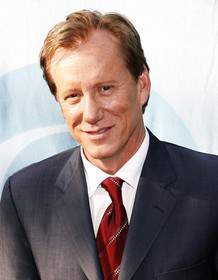
Lloyd Hopkins (James Woods)
Played by James Woods
A troubled LAPD detective whose high arrest count masks a propensity to bend procedures for what he perceives as the greater good. He pursues clues with intense personal zeal, often ignoring formal channels and endangering those around him. His obsession with solving the case destabilizes his family life and his own sense of justice.
- 🕵️ Detective
- ⚖️ Antihero
- 🔫 Violence
-

Kathleen McCarthy (Lesley Ann Warren)
Played by Lesley Ann Warren
A feminist bookstore owner who becomes a key informant and moral counterpoint to Hopkins. She carries the weight of a past sexual assault and an anonymous martyrdom from flowers and poems sent by an unknown suitor. Her discussions with Hopkins reveal systemic gendered violence and a push for accountability.
- 📚 Feminist
- 💡 Moral compass
- 🗣️ Activist
-
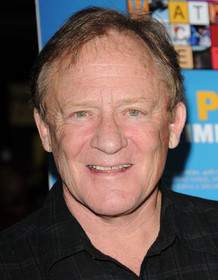
Delbert W. 'Whitey' Haines (Charles Haid)
Played by Charles Haid
A deputy with a double life, implicated in drug dealing and a relationship with a male-prostitute informant. His confrontation with Hopkins exposes the rot within the department and his own attempts to control scandal through manipulation.
- 🕵️ Corruption
- 🗃️ Informant
- 🔒 Secrecy
- LD
Lawrence D. 'Birdman' Henderson (Dennis Stewart)
Played by Dennis Stewart
A fringe affiliate who acts as a informant tied to Whitey's drug world. His murder serves as a plot catalyst and a stark reminder of the violence surrounding the case.
- 🧩 Informant
- 🗡️ Outsider
- 👤 Risk
- JP
Joanie Pratt (Randi Brooks)
Played by Randi Brooks
An actress-turned-drug-dealer and escort who Hopkins uses to bait leads. Her tragic arc underscores the blurring lines between crime, sex work, and victimhood.
- 🎭 Crime figure
- 💔 Victim
- 🗝️ Motive
- BF
Bobby Franco (Steven Lambert)
Played by Steven Lambert
The high school-era killer who taunts Hopkins and becomes the final, fatal opposition. He exposes how a community’s past can haunt present justice and how a killer can masquerade as a powerless or fragile figure.
- 🔪 Killer
- 💥 Antagonist
- 🧠 Manipulator
-

Captain Frederick W. Gaffney (Raymond J. Barry)
Played by Raymond J. Barry
The police captain who suspends Hopkins and tries to rein in the investigation, representing the institutional pushback against the detective’s methods.
- 🏛️ Authority
- 🗂️ Oversight
- 🧭 Bureaucracy
Where and When Is Cop Set?
Cop is set in Los Angeles and California (1980s). Here is why the time and place matter to the story.
When
1980s
The story unfolds in the 1980s Los Angeles landscape, a period marked by street-level crime, televised policing, and institutional skepticism. The era's hustle and corruption pressures characters to choose between procedure and results. Neon nights and a restless city amplify the tension between duty and personal judgment.
Where
Los Angeles, California
Los Angeles provides the gritty urban backdrop for a LAPD-centered crime thriller. The setting includes police stations, smoky cafes, and seedy motel rooms, all contributing to a city-wide sense of danger and ambiguity. The urban sprawl and film-noir vibe help frame Hopkins's morally slippery investigation.
- 🏙️ Urban
- 🗺️ City backdrop
What Are the Themes of Cop?
3 ideas the story keeps returning to, among them Justice vs. Corruption, Vigilantism and Gender and Power.
-
01
Justice vs. Corruption
Hopkins relentlessly pursues truth, bending rules and leveraging informants in ways that blur the line between law and vendetta. The film juxtaposes a cop’s personal code with a system that tolerates— or even hides— corruption. Internal affairs and a suffocating sense of surveillance intensify the conflict between formal justice and personal morality.
-
02
Vigilantism
Hopkins operates with a self-appointed sense of justice, effectively acting as detective and prosecutor. His unilateral decisions drive the investigation and often sidestep due process. The climax underlines how personal obsession can eclipse institutional safeguards.
-
03
Gender and Power
Kathleen McCarthy’s experiences reveal the persistence of male domination and sexual aggression, from high school to the present investigation. The gendered violence and the feminist bookstore setting illuminate how women navigate a patriarchal system. The flowers and poems trope illustrates the danger of intimate gestures becoming weapons in this world.
What Kind of Film Is Cop?
Dark in tone, with fast pacing and a moderate story, going by the plot summary.
- Tone
- Dark
- Pacing
- Fast
- Story
- Moderate
- Intensity
- High
- Ending
- Ambiguous
A gritty, high-intensity neo-noir that follows a self-destructive detective's obsessive hunt for a killer, plunging the viewer into a world of moral decay and relentless tension.
- cynical
- obsessive
- gritty
- paranoid
- tense
- bleak
- vigilante justice
- police corruption
- serial killer
- marital breakdown
Content notes: sexual assault, murder, graphic violence.
Quiz
How well do you remember Cop? Test yourself on the story.
Where to Watch Cop
Stream it on ScreenPix and YouTube Free, or rent or buy it from Amazon Video and Apple TV Store. US availability and prices from JustWatch.
 ScreenPix Apple TV channel
  YouTube Free




Streaming availability in the US, powered by