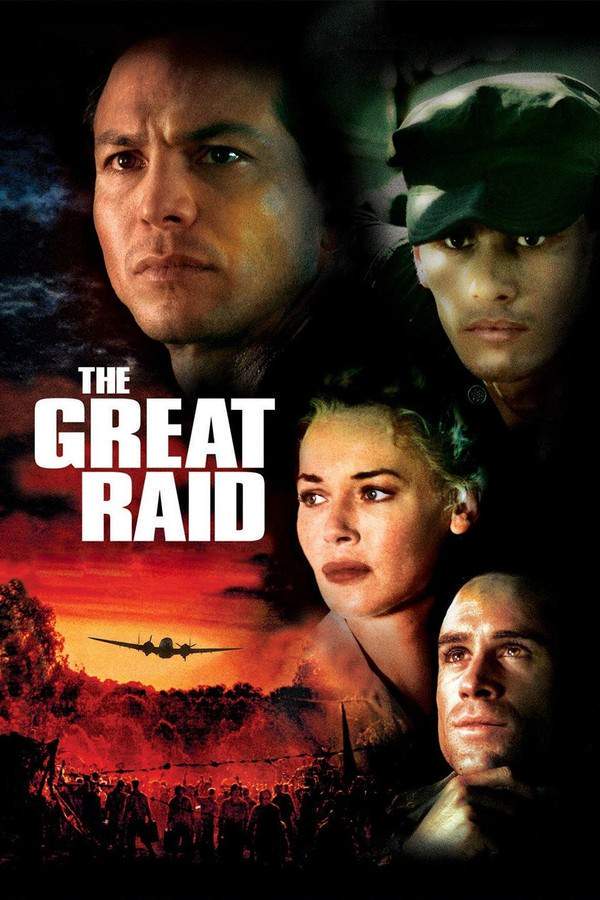
What Is The Raid About?
The premise of The Raid in 292 words, with nothing given away. The full story follows below.
In the tumultuous 1930s, China teeters on the brink of chaos. The fallen emperor has given rise to a Japanese‑backed puppet state in Manchuria, a thin veneer of authority masking a dangerous experiment with poisonous gas. The air is thick with political maneuvering, foreign pressure, and the uneasy rumble of an ominous war looming on the horizon. The setting feels both historic and highly charged, a landscape where every alliance is fragile and every whisper could spark conflict.
Lieutenant Mong commands a small but fierce revolutionary unit tasked with halting the covert scheme that threatens to poison an entire region. A pragmatic leader, he carries the heavy burden of duty and the constant doubt that failure could plunge the fragile resistance into deeper darkness. His world is one of whispered plans, clandestine meetings, and the ever‑present tension between idealism and harsh reality.
Uncle Choy arrives as a seasoned veteran whose cleverness and courage have not dimmed with age. Though his military career has long since ended, he volunteers to join the mission, driven by a fierce desire to prove that his experience still matters. His presence introduces a compelling contrast to Mong’s disciplined approach—a mix of seasoned pragmatism and stubborn optimism that fuels both tension and unexpected camaraderie between the two.
Around them, a network of personal stakes weaves through the broader struggle. Family ties, embodied by Choy’s adopted daughter, add a tender undercurrent to the stark political backdrop, reminding each participant that the fight is not only for a nation but for the people they cherish. The film’s tone balances gritty realism with a lingering sense of hope, inviting the audience to wonder whether a handful of determined souls can shape the destiny of a country on the edge of upheaval.
What Happens in The Raid?
The complete story of The Raid, from the first scene to the last, in 775 words (about 3 minutes). Spoilers throughout. Names in the text link to 7 cast member pages.
Spoilers ahead
Set in the early years of the Republic of China, the Japanese-backed puppet regime in Manchuria places the Manchurian Emperor Puyi on the throne, with Sze Mei-Yee portraying the ruler and Tony Leung Ka Fai starring as Commander Masa, the stern enforcer of the regime. The balance of power in the north is a tense mix of political maneuvering and military pressure as the world around them edges toward broader conflict. Amid this chaos, several ordinary and not-so-ordinary figures converge on a dangerous mission that could alter the course of history.
Uncle Choi Dean Shek Tin is introduced as a former soldier who has studied medicine, carrying the weight of past disappointments. When indigenous jungle communities entrust him with a life-saving task, he steps into a perilous journey that begins on a road full of uncertainty and peril. Along the way, he encounters a group of soldiers who have survived a brutal exposure to poison gas, their lives hanging by a thread as the gas gnaws at their lungs and resolve. In a bid to honor his calling, Uncle Choi fights against the odds to save the Chinese Colonel Lau Siu-Ming, whose dying breath reframes the mission and places the burden of resistance into the hands of Lieutenant Mang Tai Hoi. The moment marks a pivot in Uncle Choi’s life; he had hoped to serve his country with wholehearted devotion, yet the doors of official duty have closed to him, leaving him to carve his own path through danger and duty.
Lieutenant Mang Tai Hoi comes into focus as a capable and determined leader who carries the weight of duty on his shoulders. Paul Chu Kong brings to life the man who inherits the responsibility thrust upon him at a pivotal moment. The dying wish of the colonel becomes a rallying cry for a counteroffensive that will test loyalties, skill, and courage as Mang Tai-hoi and his improvised band prepare to challenge a system designed to crush resistance.
As the plan unfolds, Uncle Choi dons a new disguise—the cook—to slip into the palace and reconnect with Mang Tai Hoi. The cook is brought to life by Szeto Yue-Wa, whose presence in the palace becomes a crucial pivot point for the mission. The team’s search centers on the enigmatic “Cheung-kong #1” Tina, the key to unlocking the poison gas base map and crippling the enemy’s deadly infrastructure. Tina is portrayed by Fennie Yuen Kit-Ying, whose role adds a personal stake to the political struggle and gives the mission a human center beyond strategy and bravado.
Throughout their dangerous trek, the group’s every move is hunted by the harsh realities of war and the political intrigues surrounding the puppet regime. The pursuit is led in part by the Empire’s own forces, including the calculating minds of Commander Masa’s faction and their uneasy adversaries, among them Kawashima, whose loyalties and motives add another layer of tension to the story. The tense cat-and-mouse game escalates as the group infiltrates a poison gas base, and their plan to rattle the regime’s foundation threatens to unleash a broader confrontation that could tilt the balance of power in the region.
Nancy, Uncle Choi’s adopted daughter, becomes a beacon of hope amid the maelstrom. In a moment marked by courage and fierce protectiveness, Uncle Choi and his comrades manage to rescue her from the perils surrounding the mission, reinforcing the theme that family ties and loyalty can endure even when nations threaten to tear people apart. Nancy’s presence among the survivors adds emotional depth to the clash between political expediency and human compassion.
With the adrenaline of combat fueling their resolve, Uncle Choi and the group rally for a large-scale assault on the poison gas base. The operation is a culmination of meticulous planning, desperate improvisation, and the relentless pursuit of freedom against overwhelming odds. After a series of fierce engagements, hard-won sacrifices, and the unyielding determination of a band of unlikely heroes, the base falls, and the momentum shifts decisively in their favor. The victory arrives not merely as a military triumph but as a testament to resilience, solidarity, and the belief that a resolute few can alter the course of a nation’s fate.
In the end, the narrative resolves with a hard-earned sense of closure: a dangerous mission accomplished, a puppet regime challenged, and a group of ordinary people driven by extraordinary courage who emerge from the crucible with a renewed sense of purpose. The story blends political intrigue, medical mercy, secret infiltrations, and hard-won strategic strikes into a cohesive tale that underscores the human cost of conflict while celebrating the tenacity of those who choose to stand up against oppression.
The Raid Timeline: Every Key Event in Order
11 key events in the order they happen, from “Puppet regime in Manchuria under Japanese control” to “Epilogue and ongoing resistance”. 10 events name a place, across 9 locations.
- 1
Puppet regime in Manchuria under Japanese control
In the early years of the Republic, the Japanese-backed puppet Manchurian government takes shape in the north, with Qing emperor Puyi as a figurehead. Japanese commander Mesa and Yoshiko Kawashima help govern this regime, creating an oppressive backdrop for resistance. The political turmoil sets the stage for the ensuing conflict.
When:early 1930s Where:Manchuria (northern China)
- 2
Uncle Choi’s medical-soldier background and rescue mission
Uncle Choi, a former soldier who trained as a medic, is asked by indigenous jungle communities to save a life. On a perilous road, he encounters soldiers poisoned by gas and makes a desperate effort to save the colonel. The colonel dies, but in his final breath he entrusts the task of resisting the enemy to Lieutenant Mang Tai-hoi.
When:before the main operations Where:jungle road
- 3
Choi’s wish to serve is refused
Choi yearns to serve the country wholeheartedly, yet his offer is rejected by the powers that be. The rejection pushes him toward clandestine action, underscoring the personal cost of the struggle. The door to formal service remains closed, steering him toward resistance from the shadows.
- 4
Choi infiltrates the palace as a cook
Choi sneaks into the palace disguised as a cook, using the cover of domestic duty to approach the seat of power. There, he rediscovers Mang Tai-hoi and solidifies their plan to resist the puppet regime. The risky disguise enables a crucial reconnection between the two protagonists.
When:mid-1930s Where:palace
- 5
Mission to locate Cheung-kong #1 Tina
The pair set out to locate Cheung-kong #1 Tina, a key figure in their resistance network. The search weaves through palace corridors and allied networks, drawing in allies and raising the stakes. Time pressure mounts as infiltration and intelligence gathering proceed.
Where:palace and surrounding areas
- 6
Raid on the poison gas base map
Choi and the group raid the poison gas base, aiming to seize or destroy its operational map. Their actions are spotted by Mesa and Kawashima, forcing a rapid retreat under pursuit. The raid demonstrates bold initiative but also the risk of discovery by the enemy.
Where:poison gas base
- 7
Nancy is rescued during the escape
During the escape, Uncle Choi rescues his adopted daughter Nancy from danger, adding a personal stake to the mission. The rescue strengthens the group's resolve and deepens their commitment to continuing the fight. Nancy’s safety becomes a rallying point for the resistance.
Where:escape route
- 8
Plan for a large-scale strike on the gas base
With the base identified, Choi and the gang organize a large-scale attack plan aimed at crippling the poison gas facility. The strategy coordinates multiple fighters and resources for a decisive blow. This plan marks a turning point in their campaign against the occupiers.
Where:poison gas base vicinity
- 9
Fierce battles unfold
The campaign erupts into numerous fierce battles across the frontlines near the gas base. The fighting tests the group’s resolve, courage, and tactical acumen while exacting a heavy toll. Despite the danger, their determination drives them forward.
Where:Manchurian frontlines
- 10
Conquest of the poison gas base
After sustained combat, the resistance finally conquers the poison gas base, delivering a major strategic victory. The fall of the base deals a crippling blow to the puppet regime’s capability. The successful operation validates the sacrifices of Choi and his companions.
Where:poison gas base
- 11
Epilogue and ongoing resistance
With the base taken, the broader resistance continues despite ongoing occupation. The campaign leaves a lasting impression on the struggle in Manchuria, signaling that the fight for autonomy is far from over. The story closes on a note of perseverance in the face of overwhelming odds.
When:ongoing Where:Manchuria
Who Are the Main Characters in The Raid?
7 characters, among them Uncle Choi (Dr. Choy), Lieutenant Mang Tai Hoi and Tina: who each one is and the part they play in the story. Every profile links to the actor’s page.
- UC
Uncle Choi (Dr. Choy)
Played by Dean Shek Tin
A former soldier with medical training, he is entrusted by indigenous jungle peoples to heal and help the vulnerable. He dies while attempting to save a colonel from poison, and in the colonel’s dying breath he passes the task of resisting to Lieutenant Mang Tai Hoi. He had hoped to serve the country wholeheartedly, but his path is cut short.
- 🩺 Medic
- 🤝 Loyalty
- 💔 Tragic
- LM
Lieutenant Mang Tai Hoi
Played by Paul Chu Kong
An officer trusted by the dying colonel to carry on the resistance. He leads the mission to find the key target, Tina, and coordinates the group’s attacks against the poison gas project. He demonstrates steady leadership, resolve, and commitment to countering the puppet regime.
- 🗡️ Officer
- 🎖️ Loyalty
- ⚔️ Combat
- T
Tina
Played by Fennie Yuen Kit-Ying
Cheung-kong #1, a pivotal member of the group who participates in the mission to locate the poison gas base. Her involvement helps sustain the team’s momentum through dangerous confrontations. Tina’s role underscores the collaboration of diverse allies in the resistance.
- 🧭 Key Member
- 🤝 Ally
- 🎯 Mission
- N
Nancy
Played by Chiu Man-Yan
Adopted daughter of Uncle Choi who is rescued during the journey. Her presence adds a personal stake to the fight and highlights the human cost of war. Nancy’s safety becomes a tangible motive for the group’s perseverance.
- 👧 Adopted
- ❤️ Family
-
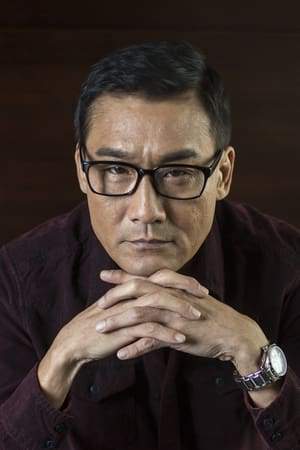
Commander Masa
Played by Tony Leung Ka Fai
A Japanese-aligned commander who controls the Manchurian puppet government. He coordinates with Kawashima to maintain control and suppress resistance. His governance is characterized by strategic manipulation and military might.
- 🗡️ Oppressor
- 🗺️ Puppet Government
- ⚔️ War
- ME
Manchurian Emperor Puyi
Played by Sze Mei-Yee
The puppet emperor presiding over the Manchurian territory, whose authority is leveraged by the occupying power. His position embodies the political deception and dynastic symbolism of the regime. The imperial presence underscores the era’s theatrical court politics.
- 👑 Puppet
- 🏯 Palace
- 🗺️ Politics
- C
Cook
Played by Szeto Yue-Wa
A palace cook who becomes a conduit for infiltration, enabling Uncle Choi to slip into the palace unseen. The disguise element is central to the mission’s success. The cook's presence also highlights the everyday roles that become pivotal in wartime plots.
- 🍳 Cook
- 🎭 Disguise
Where and When Is The Raid Set?
The Raid is set in Manchuria, Palace and Jungle (1930s). Here is why the time and place matter to the story.
When
1930s
The film is set in the early 1930s, when Manchuria was governed as a puppet regime under Japanese control. The period is marked by political intrigue, military occupation, and the looming threat of chemical warfare. Characters move through courts, jungles, and military outposts under the strain of international conflict.
Where
Manchuria, Palace, Jungle
Set in Manchuria during the early years of the Republic of China, the story moves between jungle trails and a guarded palace. It unfolds within a puppet government under Japanese influence and a hidden poison gas base. The environments reflect the era's warlike tension and the struggle to resist occupation.
- 🗺️ Manchuria
- 🏯 Palace
- 🌳 Jungle
- 💣 Poison gas base
What Are the Themes of The Raid?
3 ideas the story keeps returning to, among them Resistance, Disguise and Family.
-
01
Resistance
Resistance frames the story as a collective fight against occupation. Uncle Choi and Lieutenant Mang Tai Hoi push through danger to rally allies and disrupt the enemy. The mission emphasizes courage, sacrifice, and loyalty to country in the face of overwhelming odds. Personal losses underscore the cost of standing up to a puppet regime.
-
02
Disguise
Disguise is a crucial tactic as Uncle Choi infiltrates the palace by posing as the cook. Masks and hidden identities drive tension, enabling crucial intel and rescue. The threat of discovery by Mesa and Kawashima keeps the group on a knife-edge. Deception becomes a necessary instrument for survival and resistance.
-
03
Family
Family ties motivate much of the action, with Uncle Choi’s devotion to his adopted daughter Nancy driving much of the plan. The rescue of Nancy becomes a personal stake against the puppet regime. Tina’s loyalty and the sense of chosen family strengthen the film’s emotional core. The story uses these bonds to humanize war’s toll and the cost of allegiance.
What Kind of Film Is The Raid?
Tense in tone, with fast pacing and a straightforward story, going by the plot summary.
- Tone
- Tense
- Pacing
- Fast
- Story
- Straightforward
- Intensity
- High
- Ending
- Happy
A fast-paced, tense wartime thriller following a military unit's urgent and dangerous mission to stop a poison gas plot, filled with action and heroic determination.
- tense
- dangerous
- heroic
- urgent
- grim
- action-packed
- military mission
- resistance
- chemical weapons
- collaboration
Content notes: war violence, poison gas, death.