
The Overcoat 1952

Directed by
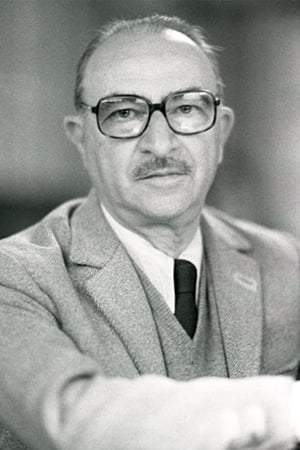
Alberto Lattuada
Made by

Faro Film
The Overcoat Plot Summary
Read the complete plot summary and ending explained for The Overcoat (1952). From turning points to emotional moments, uncover what really happened and why it matters.
In the northern Italian town of Pavia during the 1930s, Carmine De Carmine [Renato Rascel] works as a clerk in the town hall and lives in a cramped rented room. He is diligent at work, yet is routinely ignored by the town’s general secretary [Ettore Mattia] and by the mayor [Giulio Stival], a scheming and corrupt politician who has a wife [Dina Perbellini] and a mistress [Yvonne Sanson]. He wears a threadbare coat that leaves him shivering in winter, and he can barely afford even a decent winter garment.
One day a graceful woman, mistaking him for a beggar, slips him a substantial sum, money Carmine uses to pay a tailor [Giulio Calì] to craft an elegant coat with a fur collar. At work, he is inadvertently present at a compromising meeting in which businessmen promise a bribe to the general secretary, who, to keep Carmine quiet, promises him a large productivity bonus. The coat arrives and, when Carmine puts it on, he feels like a king, strutting about the town as if he owns the place, with the tailor proud of his role in the transformation.
On New Year’s Eve, wearing his prized overcoat, he goes to the reception arranged by the secretary general. There he sees the same beautiful woman who had given him the money—the mayor’s mistress—and, tipsy from the toasts, Carmine delivers a speech praising the impoverished masses, which is met with cold reception. He waltzes with the woman before leaving.
After the party, in a dark street, he is attacked and robbed of the coat. Desolate, he seeks help, but the crowd, including policemen and officials, remain indifferent, especially the mayor. He returns to his tattered coat, but soon suffers a nervous breakdown followed by pneumonia, which ends his life.
Yet Carmine’s hurtful end does not end his story. After his funeral wagon passes, disturbing a pompous public ceremony led by the mayor, Carmine’s apparition roams the town, tearing coats from passersby on cold, foggy evenings and frightening them with the sound of his voice. He appears in the house of the mayor’s mistress, while the mayor is there, provoking a sense of unease that culminates when, on his way home through a dark street, he confronts Carmine’s floating image. The mayor listens as Carmine speaks from beyond the grave about the weight carried by his lack of empathy, and as Carmine’s words echo, the mayor’s hair turns white and he is left to confront his own remorse.
The Overcoat Timeline
Follow the complete movie timeline of The Overcoat (1952) with every major event in chronological order. Great for understanding complex plots and story progression.
Modest life in Pavia
Carmine De Carmine works as a clerk in the town hall and lives a very modest life in a rented room in 1930s Pavia. He is diligent and devoted to his duties, yet is repeatedly ignored or demeaned by the town's general secretary and by the ambitious mayor. He endures cold winters and a shabby coat that mirrors his precarious status.
A beggar's generosity buys a coat
One day a beautiful and elegant woman, mistaking Carmine for a beggar, gives him a large sum of money. He uses the money as a down payment to obtain an elegant coat with a fur collar from a tailor. The tailor's pride in his work is clear as he helps transform Carmine and the coat becomes a symbol of status.
Secret bribery meeting
At work, Carmine accidentally witnesses a compromising meeting during which businessmen promise a bribe to the general secretary. In exchange, the secretary promises him a large productivity bonus to keep him quiet. The encounter foreshadows the corrupt power structure that will dominate the town.
The coat arrives; Carmine feels like a king
With the coat finished, Carmine wears it and feels like a king as he walks through the town. The tailor follows proudly, savoring his role in the transformation. The coat elevates Carmine's presence and draws attention from the townspeople.
New Year's Eve reception
On New Year’s Eve Carmine attends a reception invited by the secretary general. He moves among the guests, feeling the weight of his new image. The room is filled with pomp that does not share his wonder at being seen as somebody important.
A speech for the poor; misread reception
During the reception Carmine gives a speech that expresses compassion for the impoverished masses. The response is cool and distant, revealing the crowd’s skepticism toward his sudden status. The moment highlights the cold reality of social climbing in the town.
Dance with the mayor's mistress
Towards the end of the party Carmine waltzes with the beautiful woman who is the mayor's mistress. The moment is intimate, yet it feels hollow against the backdrop of corruption around him. The moment underscores the moral distance between his new life and the town's power structures.
Robbed of the coat
Leaving the party, Carmine is attacked in a dark street and robbed of his coat. He is left desolate, his dignity stripped away along with the fur collar. His fall from grace is swift and brutal.
Indifference of the city
Despairing, he seeks help but encounters indifference from bystanders, policemen, municipal officials, and especially the mayor. Unable to rely on the city, he returns to his old threadbare coat. The rejection erodes his spirit and fuels his decline.
Nervous breakdown and death
Carmine's condition worsens and he suffers a nervous breakdown that ends in pneumonia. He dies after a short, quiet struggle, leaving the town to move on with the memory of his humiliation. The tragedy concludes his private tragedy.
Funeral disturbance of pompous ceremony
The funeral procession for Carmine disturbs a pompous public ceremony officiated by the mayor. The noisy passage of the wagon interrupts the mayor's ritual, highlighting the shallowness of the town's public spectacle. This moment marks the city as a place unable to acknowledge its difficult citizens.
The ghostly retaliation and repentance
Even after death Carmine's hurt and humiliated spirit cannot rest. His apparition roams the town streets on cold and foggy evenings, stealing winter coats and frightening passersby with his voice. He appears in the mayor's mistress's house while the mayor is present, triggering a premonition of unease that culminates when the mayor sees Carmine's floating image and his own hair turns white, prompting repentance.
The Overcoat Characters
Explore all characters from The Overcoat (1952). Get detailed profiles with their roles, arcs, and key relationships explained.
Carmine De Carmine (Renato Rascel)
A modest town clerk whose dignity is crushed by neglect and class prejudice. His life changes after purchasing a luxurious coat, briefly elevating his status, only to be violently humbled when the garment is stolen. His arc moves from quiet resilience to a tragic, ghostly indictment of a community that spurns humanity.
The Mayor (Giulio Stival)
An ambitious, corrupt politician who presides over the town with contempt for the common people. His world revolves around appearances, private deals, and public ceremonies. The meeting with Carmine’s apparition forces a painful confrontation with guilt and accountability.
Secretary General (Ettore Mattia)
A bureaucratic figure who embodies cold administration and self-interest. He upholds the status quo by prioritizing productivity and prestige over human consequences, contributing to the town’s moral decay.
Caterina (Yvonne Sanson)
The mayor’s mistress, a symbol of glamour and moral ambiguity. Her presence underscores the town’s complicity and the personal costs of political corruption.
Landlady (Anna Carena)
A perceptive observer of social dynamics who embodies the intimate, everyday reality of a town under strain. Her interactions hint at how ordinary people navigate power and poverty.
Vittoria, The Mayor's Daughter (Antonella Lualdi)
A young woman tied to the center of power, her life intersects with Carmine’s misfortunes and the municipal moral tensions. She represents how familial and political ties shape the town.
The Tailor (Giulio Calì)
A skilled craftsman who creates the transformative coat, fueling Carmine’s brief ascent. He takes pride in his work and profits, unaware of the deeper moral costs his act triggers for the wearer and the town.
The Overcoat Settings
Learn where and when The Overcoat (1952) takes place. Explore the film’s settings, era, and how they shape the narrative.
Time period
1930s
Set in the 1930s in Northern Italy, the story unfolds against a backdrop of economic hardship and bureaucratic politics. The town hall, local government, and a corrupt mayor reflect a regime-era atmosphere where appearances trump empathy. The cold season amplifies deprivation and the longing for recognition.
Location
Pavia
The Northern Italian town of Pavia provides the confined stage for a tale of social struggle in the 1930s. A provincial city with a grand town hall and petty officials, its social hierarchy is laid bare. The film’s wintry streets, cafes, and public ceremonies reveal how power and indifference shape the lives of ordinary people.
The Overcoat Themes
Discover the main themes in The Overcoat (1952). Analyze the deeper meanings, emotional layers, and social commentary behind the film.
🧥
Social Injustice
A shabby coat becomes a symbol of dignity denied by a society that rewards wealth and status. Carmine’s humiliation at work and in public mirrors a broader class divide that renders the poor invisible until a costly transformation exposes the price of social climbing.
🏛️
Corruption & Indifference
The mayor and bureaucrats treat people as obstacles or tools, not as humans. Public ceremonies are performative while private corruption thrives, showing how power sustains itself through callous disregard for the vulnerable.
💔
Consequences of Pride
Personal ambition and vanity push Carmine toward a dangerous ascent that ends in vulnerability and tragedy. The narrative tracks how a desire to belong reveals the fragility of identity in a judgmental society.

Coming soon on iOS and Android
The Plot Explained Mobile App
From blockbusters to hidden gems — dive into movie stories anytime, anywhere. Save your favorites, discover plots faster, and never miss a twist again.
Sign up to be the first to know when we launch. Your email stays private — always.
Explore the mobile appThe Overcoat Spoiler-Free Summary
Discover the spoiler-free summary of The Overcoat (1952). Get a concise overview without any spoilers.
In the mist‑shrouded streets of 1930s Pavia, a modest northern Italian town clings to the rituals of bureaucracy and the quiet desperation of its working‑class residents. The town hall looms as both a place of order and a stage where small ambitions are measured against the weight of municipal grandeur. Snow‑dusted alleys and cramped rented rooms set a stark, almost theatrical backdrop that feels both timeless and distinctly post‑war, inviting the viewer to breathe the cold air of a city where a single garment can symbolize an entire world of hope.
Carmine De Carmene drifts through this world as a diligent clerk whose life is defined by routine paperwork and an ever‑present chill that seeps through his threadbare coat. Though his duties are performed with quiet competence, he is habitually overlooked by the town’s general secretary and the mayor, whose presence radiates the same polished authority that seems forever out of reach for the lower‑tier staff. Beneath his unassuming exterior burns a simple, poignant longing: to own a proper overcoat that would shield him from the cold and, perhaps, grant him a measure of dignity that his modest position denies.
The film moves with a measured, almost lyrical pace, blending social realism with a whisper of magical longing. Its tone is simultaneously melancholy and warm, emphasizing the texture of daily life—the clatter of typewriters, the soft glow of street lamps, the rustle of fabric. When the promise of a new coat finally enters Carmine’s orbit, the story hints at how a single object can reshape perception, stir quiet confidence, and ripple through the hushed hierarchies of a city forever caught between austerity and aspiration.
Movies with Similar Twists and Themes
Uncover films that echo the narrative beats, emotional arcs, or dramatic twists of the one you're exploring. These recommendations are handpicked based on story depth, thematic resonance, and spoiler-worthy moments — perfect for fans who crave more of the same intrigue.


Featured on this page

What's After the Movie?
Not sure whether to stay after the credits? Find out!
Check out our other apps:

SAT Sphere
Build confidence for the Digital SAT.

Mori Atlas
Discover wild places worth protecting.

Luntero
Search smarter for a home in Amsterdam.

Plot Explained
Unravel movie endings and hidden clues.

Pokechamp
Dive into Pokémon data and battle logic.

Driving Theory
Get ready for your European theory test.

Movie Dust
Plan your next cinema trip with ease.

Musemap
Find art and culture as you travel.

Selkobase
Compare credentials before committing.

Local Manual
Turn an unfamiliar country into practical next steps.

Lernavi
Compare school systems before your next move.

GymRoam
Find a workout stop wherever your plans take you.
Explore Our Movie Platform
New Movie Releases (2026)
Famous Movie Actors
Top Film Production Studios
Movie Plot Summaries & Endings
Major Movie Awards & Winners
Best Concert Films & Music Documentaries
Movie Collections and Curated Lists
© 2026 What's After the Movie. All rights reserved.
Privacy Policy