
The Bespoke Overcoat 1955

Directed by
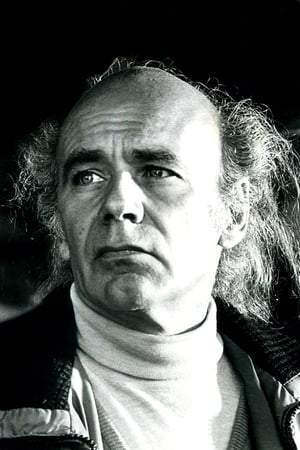
Jack Clayton
Made by

Remus
The Bespoke Overcoat Plot Summary
Read the complete plot summary and ending explained for The Bespoke Overcoat (1955). From turning points to emotional moments, uncover what really happened and why it matters.
The film opens with a solemn funeral sequence that carries the weight of its titles into the first image: a coffin lowered into the grave, an overcoat being tossed onto the coffin, and the dirt filling in around the earth. The scene sits between life and memory, and from there the story stretches into a quiet, almost fable-like meditation on work, class, and longing. Morry, David Kossoff, a Jewish tailor, speaks to himself in a reflective moment by the mirror, only to be joined by Fender, Alfie Bass in ghost form. Their conversation, surprisingly earnest, centers on the craft of tailoring—what makes cloth endure, what makes a coat fit, and what the heart of a good garment might be. In this otherworldly exchange, the living and the dead duel in gentle dialogue about precision, pride, and the price of quality.
Fender is a lowly clerk in the warehouse of clothing manufacturers Ranting and Co, and his daily grind is shadowed by cold temperatures and the ache for something better. He complains to his boss, Mr. Ranting, Alan Tilvern, about the chill and his longing for a sturdy, respectable coat. The man who owns the business, who has little patience for dreams, ridicules him and bluntly tells him he’ll never be able to afford a coat of such value. In a moment of practical hope, Fender visits Morry to commission a bespoke overcoat; Morry, David Kossoff the patient craftsman, and Fender negotiate the materials and the cost, settling on a price of about £10. The exchange sketches a delicate balance between aspiration and reality, as Fender clings to the possibility of refinement even as the world insists on restraint.
As the coat comes together, the tension around finance intensifies. At a fitting, the garment arrives with an unusual design—no arms, a wide, enveloping silhouette—and Fender complains that it feels tight under the arms. They agree that Fender will pay £2 at this stage. The scene grows more fraught when Ranting fires Fender, and the clerk hastily pivots back to Morry to salvage the dream of warmth and dignity. Fender’s courage falters, and he retreats into despair, telling Morry that he must cancel the order. But Morry vows to finish the coat anyway, honoring a craft that transcends cruelty and rejection.
The emotional core tightens as Fender lies down to sleep and dies in his own bed, a sudden truncation of a life spent angling for something more. In death, Fender’s ghost returns to Morry, who completes the overcoat and quietly acknowledges the debt that remains between man and employer. Yet the longing doesn’t end there: Fender’s wish for warmth persists, and the two spirits wander toward the warehouse again, this time with different questions about doors and walls. They enter the space to find a rail of jackets, and while Morry’s workmanship is seen as superior, Fender’s desire remains unabated: “Ranting owes me.”
From this point, the tale shifts into a whispered parable about proof and persistence. Fender’s lingering wish sits at the threshold of the physical world and the afterlife; Morry guides the way but also wants to retain something of the life he has built. The pair share brandy by candlelight as they move through the warehouse, the air thick with the scent of wool and possibility. Eventually they contemplate whether Fender should walk through walls or simply use a door—an image that blurs the line between the mortal and the spectral. Their night journey culminates in the discovery of a broader truth about craft, debt, and the human desire for shelter.
Back at home, Morry reflexively returns to his own rituals. He dons a black skullcap and recites a Jewish prayer, a quiet testament to faith and tradition that anchors the film’s broader meditation on memory, community, and the costs of a life devoted to making garments that outlive their wearers. Throughout, the visuals linger on the textures of fabrics, the glow of brandy, and the minute, almost ceremonial care with which Morry and Fender treat every seam and stitch. The ghostly partnership—between the tailor who can offer warmth and the clerk who seeks status—becomes a perceptive allegory: craft can heal, but only if it is paid for with intention, patience, and a willingness to fight for what truly matters.
In the end, the film folds its themes into a quiet, resolute close. Fender’s spectral wish threads through Morry’s final act, and the closing image centers on faith, memory, and the timeless need for a coat that fits—not just the body, but the life one has lived. The narrative, anchored by its restrained, almost minimalist drama, invites viewers to consider the personal costs behind even the smallest luxuries, and to see how devotion to craft can outlive the day-to-day reckonings of work and wealth.
pray for me
Ranting owes me
The Bespoke Overcoat Timeline
Follow the complete movie timeline of The Bespoke Overcoat (1955) with every major event in chronological order. Great for understanding complex plots and story progression.
Funeral opens with coffin in the grave
The funeral unfolds as a coffin is laid in the grave and an overcoat is thrown on top. The grave is soon filled, closing the ceremony and signaling the end of the life being mourned. A quiet tremor of memory lingers as the scene shifts toward the living world and the bargain between life and death.
Morrie speaks to himself in his mirror
Morrie, a Jewish tailor, talks to himself in front of a mirror, wrestling with his craft and his fate. He reflects on the art of tailoring and what it means to shape a life through cloth. This solitary moment sets up his character before the supernatural enters the frame.
Fender's ghost joins Morrie; they debate tailoring
Fender, now a ghost, joins Morrie at the workbench and they debate tailoring across the boundary between life and afterlife. They discuss materials, fit, and the ethics of craft, binding their fates through cloth and conversation. The exchange hints at a pact that transcends mortality.
Fender complains at work about cold; boss dismisses him
Fender works as a clerk at Ranting and Co and laments the cold and his inability to afford a fine coat. His boss, Mr. Ranting, ridicules him and says he will never earn enough for a £20 coat. The moment establishes Fender's precarious position and his longing for something better.
Fender visits Morrie to commission a bespoke overcoat
Seeking a warmer alternative, Fender goes to Morrie to commission a bespoke overcoat. They discuss the possibility of a coat tailored to his needs and style. The plan begins to take shape as they agree to proceed.
Materials discussed; price set at £10
They go through materials and design options, settling on a price of £10 for the bespoke garment. The conversation highlights the tension between craft and cost. Work on the coat begins with a shared sense of purpose.
Coat progress reveals flaws; partial payment made
As the coat takes form, Fender tries it on and discovers it is arm-less and overly large, with discomfort under the arms. They agree that Fender will pay £2 at this stage. The flawed fitting foreshadows the struggles that lie ahead.
Ranting fires Fender; Fender returns to Morrie
Ranting fires Fender from the warehouse, cutting off his last hope of paying for the coat through work. Fender returns to Morrie and they share brandy by candlelight as he laments his loss. Morrie commits to finishing the coat regardless of the setback.
Fender dies in his sleep
Back at home, Fender lies in bed and dies in his sleep after a night of regret. His spirit then returns to Morrie, who has completed the coat, and the ghost receives it. The moment marks a bridge between mortal struggle and supernatural grace.
The coat is given to Fender's ghost; farewell
Morrie presents the completed coat to Fender's ghost, preserving their friendship beyond death. They exchange a final, quiet moment as the spirit feels the garment's warmth. The gift stands as a symbol of craft that endures.
Return to the warehouse; moral debt resurgent
Morrie and the ghost return to the warehouse district to examine the jackets and consider the debt left by Ranting. Fender murmurs that Ranting owes him, underscoring a social grievance that commerce has failed to honor. The scene blends the magical with the material.
Passage to the afterlife; door vs wall
They debate walking through walls versus using the door to depart, a symbolic note on crossing between worlds. They enter the warehouse and discover a rail of jackets, confirming Morrie's superior workmanship. Fender bids Morrie a long life and slowly walks toward eternity.
Morrie ends with Jewish prayer
Back at Morrie's home, he dons a black skullcap and recites a Jewish prayer, closing the day with ritual and faith. The ending reinforces Morrie's identity and the cultural setting of the story. The final image delivers a quiet sense of closure.
The Bespoke Overcoat Characters
Explore all characters from The Bespoke Overcoat (1955). Get detailed profiles with their roles, arcs, and key relationships explained.
Fender (Alfie Bass)
A lowly warehouse clerk who longs for a decent coat and a better life. He is practical yet hopeful, and his dismissal by his boss exposes his vulnerability within a harsh economic system. His ghost returns after death to seek closure, underscoring how memory and desire persist beyond the mortal frame.
Morry (David Kossoff)
A Jewish tailor of great skill who completes the bespoke overcoat. He embodies craftsmanship and compassion, choosing to finish the work even when Fender has given up. Morry represents the humane alternative to greed, bridging life and afterlife through his work.
Mr. Ranting (Alan Tilvern)
The boss of Ranting & Co, portrayed as dismissive and commercially minded. He embodies the cold logic of profit and social pressure, ridiculing Fender and denying him a fair opportunity. His stance drives the conflict between labor and capital in the story.
Rabbi (Howard Goorney)
A religious figure present in the cast, representing spiritual guidance and community. The inclusion of a Rabbi and the Jewish prayer scene situates the narrative within a specific cultural identity, highlighting faith as a source of solace and memory.
Gravedigger (Alf Dean)
A minor yet symbolic presence at the funeral and grave scenes. The Gravedigger embodies the ritual of burial and the transition between life and death, grounding Fender's supernatural journey in tangible reality.
The Bespoke Overcoat Settings
Learn where and when The Bespoke Overcoat (1955) takes place. Explore the film’s settings, era, and how they shape the narrative.
Location
Ranting & Co warehouse, Morry's tailor shop, Cemetery
The action moves through stark urban spaces: the crowded Ranting & Co warehouse where Fender works and is eventually fired, Morrie's candlelit tailor shop where the bespoke coat is created, and a cemetery setting where Fender's funeral frames the story. These locations anchor a tale of class, craft, and longing, contrasting industrial coldness with intimate artistry. The closing scenes blend life and death as Fender's ghost lingers, and a final prayer ties the threads of memory to the coat.
The Bespoke Overcoat Themes
Discover the main themes in The Bespoke Overcoat (1955). Analyze the deeper meanings, emotional layers, and social commentary behind the film.
🪡
Aspiration
Fender's longing for a better coat mirrors a deeper wish for dignity and social advancement. He cannot afford the luxury he desires, and the decision to pursue a bespoke garment exposes the harsh economics of his world. The coat becomes a tangible symbol of aspiration—and the price that society imposes on those who strive to rise. The story suggests that material dreams often come at a human cost.
👻
Death & Afterlife
Fender returns as a ghost, engaging in a dilemmas of craft and memory with Morrie. The spectral interaction blurs the line between life and afterlife, implying that human efforts and kindness persist beyond death. The coat, completed for a living man who has died, becomes a vehicle for continuity and reconciliation. The ghostly presence reinforces that acts of care outlive the living.
🧵
Craft vs. Capital
Morrie's skilled workmanship stands in contrast to the relentless pragmatism of Mr. Ranting, who values profit over people. The coat is finished despite Fender's resignation, highlighting the value of artisanal labor independent of wage disputes. Fender's remark that Ranting owes him captures the tension between labor, compensation, and moral debt. The film elevates craft as a humane alternative to corporate coldness.
🕎
Faith & Identity
The presence of a Rabbi and the moment where Morrie dons a skullcap to say a Jewish prayer foreground cultural and religious identity. Faith provides a moral frame for the characters' choices and a sense of community amid hardship. The funeral, the prayers, and the memory of Fender emphasize how tradition anchors individuals when material circumstances fail. The story uses faith as a quiet counterpoint to greed and despair.

Coming soon on iOS and Android
The Plot Explained Mobile App
From blockbusters to hidden gems — dive into movie stories anytime, anywhere. Save your favorites, discover plots faster, and never miss a twist again.
Sign up to be the first to know when we launch. Your email stays private — always.
Explore the mobile appThe Bespoke Overcoat Spoiler-Free Summary
Discover the spoiler-free summary of The Bespoke Overcoat (1955). Get a concise overview without any spoilers.
In a world shaped by the quiet rhythms of labor and longing, Fender works as a lowly clerk for a clothing manufacturer, enduring each day in the chill of a warehouse that offers little comfort. His modest wages and station weigh heavily on him, and his greatest aspiration—a sturdy, respectable overcoat—seems perpetually out of reach. The atmosphere is one of quiet desperation, where the poor are expected to accept their lot without complaint, and those who hold power keep tight grip on what they have.
Morry, a skilled Jewish tailor, offers a counterpoint to this harsh reality. His craft represents patience, pride, and an understanding of what makes cloth endure. When Fender visits him with hopes of commissioning a bespoke overcoat, their negotiation touches on aspiration, the value of honest work, and the possibility that dignity might still be within reach. Their friendship anchors the story in a tenderness rarely afforded to men of their station, and their conversations become a meditation on craft, class, and what the heart of a good garment truly is.
Mr. Ranting, the employer who controls the warehouse, embodies a callous pragmatism that leaves no room for dreams. His dismissal of Fender’s longing sets in motion a series of events that blur the line between the mortal and the spectral. When Fender’s pursuit of warmth meets an unexpected end, the film shifts into something more ethereal—a story where wishes persist beyond the grave, and where debt takes on meanings both material and spiritual.
The film unfolds with a fable-like quality, its visuals lingering on textures of fabric, the glow of candlelight, and the ceremonial care with which garments are crafted and worn. At its heart is a meditation on what we are owed, what we fight for, and what remains when life itself has ended. The overcoat Fender seeks becomes a symbol of dignity deferred—a promise that refuses to fade, even as the boundaries between worlds grow thin.
Movies with Similar Twists and Themes
Uncover films that echo the narrative beats, emotional arcs, or dramatic twists of the one you're exploring. These recommendations are handpicked based on story depth, thematic resonance, and spoiler-worthy moments — perfect for fans who crave more of the same intrigue.


Featured on this page

What's After the Movie?
Not sure whether to stay after the credits? Find out!
Check out our other apps:

SAT Sphere
Build confidence for the Digital SAT.

Mori Atlas
Discover wild places worth protecting.

Luntero
Search smarter for a home in Amsterdam.

Plot Explained
Unravel movie endings and hidden clues.

Pokechamp
Dive into Pokémon data and battle logic.

Driving Theory
Get ready for your European theory test.

Movie Dust
Plan your next cinema trip with ease.

Musemap
Find art and culture as you travel.

Selkobase
Compare credentials before committing.

Local Manual
Turn an unfamiliar country into practical next steps.

Lernavi
Compare school systems before your next move.

GymRoam
Find a workout stop wherever your plans take you.
Explore Our Movie Platform
New Movie Releases (2026)
Famous Movie Actors
Top Film Production Studios
Movie Plot Summaries & Endings
Major Movie Awards & Winners
Best Concert Films & Music Documentaries
Movie Collections and Curated Lists
© 2026 What's After the Movie. All rights reserved.
Privacy Policy