The Bespoke Overcoat 1955


A modest clerk longs for a warm overcoat, but his miserly employer refuses to provide one. After the clerk dies from exposure, his spirit returns, haunted by the loss. With the assistance of a sympathetic tailor friend, he pursues the coat he never received, determined to claim it from beyond the grave.

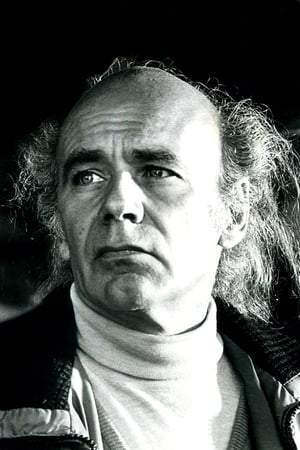
Does The Bespoke Overcoat have end credit scenes?
No!
The Bespoke Overcoat does not have end credit scenes. You can leave when the credits roll.
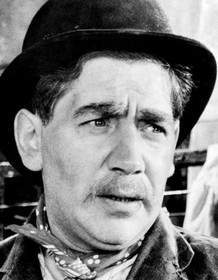
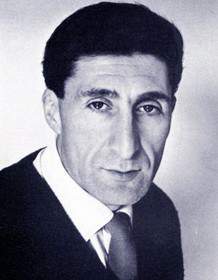
Meet the Full Cast and Actors of The Bespoke Overcoat
Explore the complete cast of The Bespoke Overcoat, including both lead and supporting actors. Learn who plays each character, discover their past roles and achievements, and find out what makes this ensemble cast stand out in the world of film and television.

External Links and Streaming Options
Discover where to watch The Bespoke Overcoat online, including streaming platforms, rental options, and official sources. Compare reviews, ratings, and in-depth movie information across sites like IMDb, TMDb, Wikipedia or JustWatch.





Full Plot Summary and Ending Explained for The Bespoke Overcoat
Read the complete plot summary of The Bespoke Overcoat, including all major events, twists, and the full ending explained in detail. Explore key characters, themes, hidden meanings, and everything you need to understand the story from beginning to end.
The film opens with a solemn funeral sequence that carries the weight of its titles into the first image: a coffin lowered into the grave, an overcoat being tossed onto the coffin, and the dirt filling in around the earth. The scene sits between life and memory, and from there the story stretches into a quiet, almost fable-like meditation on work, class, and longing. Morry, David Kossoff, a Jewish tailor, speaks to himself in a reflective moment by the mirror, only to be joined by Fender, Alfie Bass in ghost form. Their conversation, surprisingly earnest, centers on the craft of tailoring—what makes cloth endure, what makes a coat fit, and what the heart of a good garment might be. In this otherworldly exchange, the living and the dead duel in gentle dialogue about precision, pride, and the price of quality.
Fender is a lowly clerk in the warehouse of clothing manufacturers Ranting and Co, and his daily grind is shadowed by cold temperatures and the ache for something better. He complains to his boss, Mr. Ranting, Alan Tilvern, about the chill and his longing for a sturdy, respectable coat. The man who owns the business, who has little patience for dreams, ridicules him and bluntly tells him he’ll never be able to afford a coat of such value. In a moment of practical hope, Fender visits Morry to commission a bespoke overcoat; Morry, David Kossoff the patient craftsman, and Fender negotiate the materials and the cost, settling on a price of about £10. The exchange sketches a delicate balance between aspiration and reality, as Fender clings to the possibility of refinement even as the world insists on restraint.
As the coat comes together, the tension around finance intensifies. At a fitting, the garment arrives with an unusual design—no arms, a wide, enveloping silhouette—and Fender complains that it feels tight under the arms. They agree that Fender will pay £2 at this stage. The scene grows more fraught when Ranting fires Fender, and the clerk hastily pivots back to Morry to salvage the dream of warmth and dignity. Fender’s courage falters, and he retreats into despair, telling Morry that he must cancel the order. But Morry vows to finish the coat anyway, honoring a craft that transcends cruelty and rejection.
The emotional core tightens as Fender lies down to sleep and dies in his own bed, a sudden truncation of a life spent angling for something more. In death, Fender’s ghost returns to Morry, who completes the overcoat and quietly acknowledges the debt that remains between man and employer. Yet the longing doesn’t end there: Fender’s wish for warmth persists, and the two spirits wander toward the warehouse again, this time with different questions about doors and walls. They enter the space to find a rail of jackets, and while Morry’s workmanship is seen as superior, Fender’s desire remains unabated: “Ranting owes me.”
From this point, the tale shifts into a whispered parable about proof and persistence. Fender’s lingering wish sits at the threshold of the physical world and the afterlife; Morry guides the way but also wants to retain something of the life he has built. The pair share brandy by candlelight as they move through the warehouse, the air thick with the scent of wool and possibility. Eventually they contemplate whether Fender should walk through walls or simply use a door—an image that blurs the line between the mortal and the spectral. Their night journey culminates in the discovery of a broader truth about craft, debt, and the human desire for shelter.
Back at home, Morry reflexively returns to his own rituals. He dons a black skullcap and recites a Jewish prayer, a quiet testament to faith and tradition that anchors the film’s broader meditation on memory, community, and the costs of a life devoted to making garments that outlive their wearers. Throughout, the visuals linger on the textures of fabrics, the glow of brandy, and the minute, almost ceremonial care with which Morry and Fender treat every seam and stitch. The ghostly partnership—between the tailor who can offer warmth and the clerk who seeks status—becomes a perceptive allegory: craft can heal, but only if it is paid for with intention, patience, and a willingness to fight for what truly matters.
In the end, the film folds its themes into a quiet, resolute close. Fender’s spectral wish threads through Morry’s final act, and the closing image centers on faith, memory, and the timeless need for a coat that fits—not just the body, but the life one has lived. The narrative, anchored by its restrained, almost minimalist drama, invites viewers to consider the personal costs behind even the smallest luxuries, and to see how devotion to craft can outlive the day-to-day reckonings of work and wealth.
pray for me
Ranting owes me

Coming soon on iOS and Android
The Plot Explained Mobile App
From blockbusters to hidden gems — dive into movie stories anytime, anywhere. Save your favorites, discover plots faster, and never miss a twist again.
Sign up to be the first to know when we launch. Your email stays private — always.
Explore the mobile appDiscover Film Music Concerts Near You – Live Orchestras Performing Iconic Movie Soundtracks
Immerse yourself in the magic of cinema with live orchestral performances of your favorite film scores. From sweeping Hollywood blockbusters and animated classics to epic fantasy soundtracks, our curated listings connect you to upcoming film music events worldwide.
Explore concert film screenings paired with full orchestra concerts, read detailed event information, and secure your tickets for unforgettable evenings celebrating legendary composers like John Williams, Hans Zimmer, and more.


The Bespoke Overcoat Themes and Keywords
Discover the central themes, ideas, and keywords that define the movie’s story, tone, and message. Analyze the film’s deeper meanings, genre influences, and recurring concepts.
The Bespoke Overcoat Other Names and Titles
Explore the various alternative titles, translations, and other names used for The Bespoke Overcoat across different regions and languages. Understand how the film is marketed and recognized worldwide.
Similar Movies To The Bespoke Overcoat You Should Know About
Browse a curated list of movies similar in genre, tone, characters, or story structure. Discover new titles like the one you're watching, perfect for fans of related plots, vibes, or cinematic styles.




Quick Links: Summary, Cast, Ratings, More

What's After the Movie?
Not sure whether to stay after the credits? Find out!
Check out our other apps:

SAT Sphere
Build confidence for the Digital SAT.

Mori Atlas
Discover wild places worth protecting.

Luntero
Search smarter for a home in Amsterdam.

Plot Explained
Unravel movie endings and hidden clues.

Pokechamp
Dive into Pokémon data and battle logic.

Driving Theory
Get ready for your European theory test.

Movie Dust
Plan your next cinema trip with ease.

Musemap
Find art and culture as you travel.

Selkobase
Compare credentials before committing.

Local Manual
Turn an unfamiliar country into practical next steps.

Lernavi
Compare school systems before your next move.

GymRoam
Find a workout stop wherever your plans take you.
Explore Our Movie Platform
New Movie Releases (2026)
Famous Movie Actors
Top Film Production Studios
Movie Plot Summaries & Endings
Major Movie Awards & Winners
Best Concert Films & Music Documentaries
Movie Collections and Curated Lists
© 2026 What's After the Movie. All rights reserved.
Privacy Policy