The Dresser 1983


Backstage drama and comedy collide in a touring Shakespeare troupe during the London Blitz. The devoted dresser tends the brilliant yet tyrannical company head and battles to help a fading star as the ensemble struggles to stay afloat. His quiet anguish mirrors the on‑stage tragedy of Lear and the Fool, bringing the whole production to a crisis.

Does The Dresser have end credit scenes?
No!
The Dresser does not have end credit scenes. You can leave when the credits roll.
Meet the Full Cast and Actors of The Dresser
Explore the complete cast of The Dresser, including both lead and supporting actors. Learn who plays each character, discover their past roles and achievements, and find out what makes this ensemble cast stand out in the world of film and television.

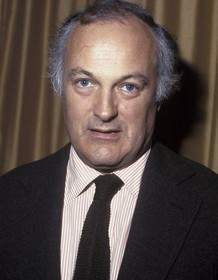
Tom Courtenay
Norman

Eileen Atkins
Madge
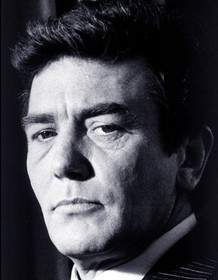
Albert Finney
Sir

Edward Fox
Oxenby
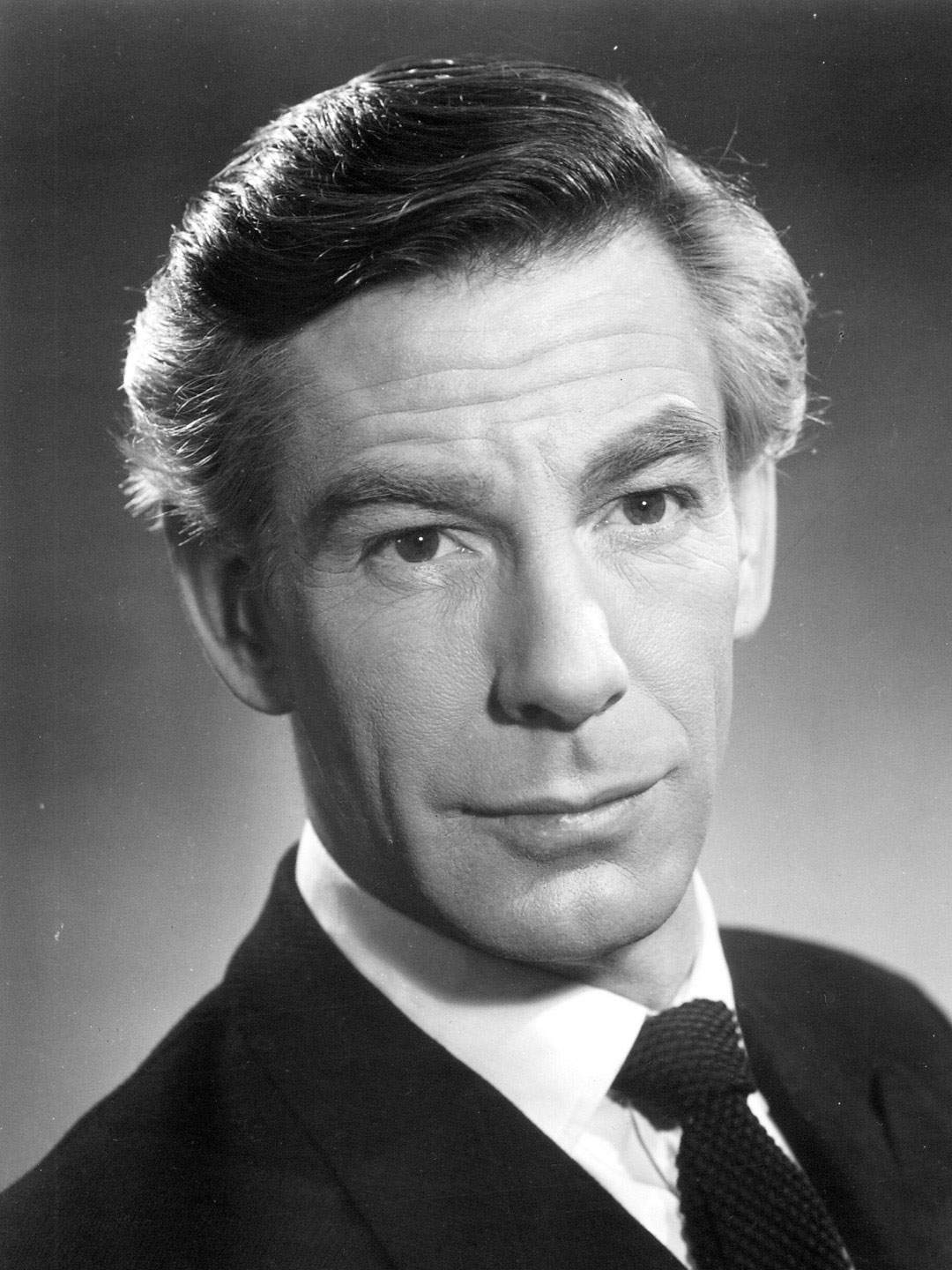
Michael Gough
Frank Carrington

Sheila Reid
Lydia Gibson
Christopher Irvin
Evelyn the Airman
Stuart Richman
Evelyn's Friend
Guy Manning
Benton
Kathy Staff
Bombazine Woman
Sandra Gough
Actress on Station
Lori Wells
Barmaid
Ralph G. Morse
Man at Station (uncredited)
Donald Eccles
Mr. Godstone
Betty Marsden
Violet Manning
Kevin Stoney
C. Rivers Lane
Cathryn Harrison
Irene
Roger Avon
Charles
John Sharp
Mr. Bottomley
Lockwood West
Geoffrey Thornton
Joe Belcher
Arthur
Paul Luty
Stallkeeper
Llewellyn Rees
Horace Brown
Alan Starkey
Train Guard
Ann Way
Miss White
Zena Walker
Her Ladyship
Anne Blackman
Beryl
Johnny Maxfield
Electrician
External Links and Streaming Options
Discover where to watch The Dresser online, including streaming platforms, rental options, and official sources. Compare reviews, ratings, and in-depth movie information across sites like IMDb, TMDb, Wikipedia or JustWatch.







Take the Ultimate The Dresser Movie Quiz
Challenge your knowledge of The Dresser with this fun and interactive movie quiz. Test yourself on key plot points, iconic characters, hidden details, and memorable moments to see how well you really know the film.
The Dresser (1983) Quiz: Test your knowledge of the 1983 film *The Dresser*, its characters, plot points, and behind‑the‑scenes details.
Which actor portrays the aging stage legend known simply as "Sir"?
Full Plot Summary and Ending Explained for The Dresser
Read the complete plot summary of The Dresser, including all major events, twists, and the full ending explained in detail. Explore key characters, themes, hidden meanings, and everything you need to understand the story from beginning to end.
The film draws on Harwood’s real-life experiences as a dresser to the English Shakespearean actor-manager Sir Donald Wolfit, the archetype that becomes the aging stage legend known simply as “Sir.” Portrayed by Albert Finney, this grandiose, old-school performer commands the stage with big gestures and soaring oratory, a living relic of a theatre era that clashes with the world outside his dressing-room door during World War II. The story opens with a blistering production of Othello in a provincial British theatre, where Sir’s presence fills the room even as the world trembles under wartime strain. The curtain falls and Sir’s critique of the ensemble begins, a ritual that reveals not just his authority but the fragile way in which he still wields power over a travelling troupe bringing Shakespeare to the provinces.
Waiting backstage is Norman, Sir’s dresser for decades, a precise, efficient man whose life has tumbled into a single, intimate routine built around his employer’s every whim. Norman, who has long learned to anticipate the master’s moods and demands, is played by Tom Courtenay. He moves with a quiet efficiency, constantly balancing loyalty with the heaviness of a role that has consumed most of his days. A secret solace punctuates his grind: a small bottle of brandy that travels with him, a discreet ritual that helps him cope with the unpredictable temperamental storms that often follow the stage lights out and the theatre dark.
The troupe makes a tense dash toward the next stop, the industrial city of Bradford, with Sir set to portray Lear in another famed performance. A moment at York railway station becomes a defining image: Sir’s measured stride, Norman’s anxious pace, and the narrow gateway of a train that seems prepared to bolt away at any moment. Then Sir’s booming command cuts through the air as he halts the departure with a forceful cry, “STOP…THAT…TRAIN!” The guard relents, and the company climbs aboard, the first of many moments where Sir’s force of personality steadies everyone around him even as his mind begins to falter.
Bradford brings a harsher light into the story. Sir’s mental steps appear to slip, and Norman must wrestle with a frightening truth: the man who has defined his entire adult life is rapidly fading. The actor is briefly saved from a dangerous wandering in Halifax by Norman’s quick action, and though Sir somehow reaches the theatre, he has discharged himself from hospital and refuses to cancel the show. The stage manager cautions that the performance must be called off, but Norman fights to keep the curtain rising. The dressing room becomes the central stage of the narrative, and the audience shifts to the quiet, secret drama of preparation rather than the public spectacle on the boards.
In the dressing room, the middle stretch of the film unfolds almost entirely in a single, claustrophobic space. Norman becomes the steadying force, coaxing Sir to focus on makeup, lines, and ritual, and in doing so we glimpse the intimate dependence that has long tethered them. Sir’s mind flickers, but with Norman’s patient insistence, he latches onto memory and technique, and an artistry that has sustained him for 227 performances begins to come back into clarity. Into this intimate world arrives Her Ladyship, the actor’s wife, who is cast as Cordelia in Lear. Her Ladyship, played by Zena Walker, steps into the dressing room with a calm presence that contrasts with Norman’s urgency, and she becomes a quiet witness to the rites that restore Sir to his beloved craft.
With five minutes to go, the curtain rises and the tension of the theatre evaporates into a single, breath-held moment. Sir seems to drift at first, almost outside his own entrance, forcing the other actors to improvise, while Norman wrestles with the clock and with Sir’s fading memory. Yet as the air raid sirens begin to wail and distant bombs echo through the theatre’s walls, something within Sir snaps into place. He strides onto the stage and delivers what many call his finest portrayal of Lear—a performance born from a merging of decades of practice, fear, and sheer stubborn will.
The audience’s glow after the success turns to exhaustion backstage. Sir collapses, and Norman once again becomes the caretaker, guiding him back to his dressing room to rest. Sir asks Norman to read from an autobiography he claims to have been writing, a gesture that seems both vain and incredibly intimate. What Norman finds is a dedication that only ever thanks the audience, the fellow actors, and Shakespeare itself—never a word for the dresser who has kept the flame alive. As Norman reads aloud, the realization crystallizes: Sir has died while the words continue to echo in the room. Grief and anger surge in him, and he scribbles a scrawled addition to the dedication, thanking himself for his own loyalty and love. The moment is devastating and intimate: Norman confesses that Sir was also the only man he has ever loved, the life he has devoted his days to, and the one life he cannot bear to let go.
The film closes in a quiet, aching final image: Norman collapsed across Sir’s body, not ready to part from the life they built together—the life that gave him both purpose and a complex, unspoken love. The world outside continues its war-torn churn, but inside the dressing room, a long, quiet dawn has occurred—the moment when a lifelong partnership between artist and assistant, mentor and loyal confidant, reaches its irrevocable end.
STOP…THAT…TRAIN!
This story, rooted in the backstage ritual of a working theatre, remains a meditation on aging, devotion, and the ways in which art can bind two very different people to one another for a lifetime. It is a portrait of loyalty pressed to the edge of loss, a tribute to the craft that both sustains and consumes its practitioners, and a quiet, enduring testament to the men who keep legends alive long after the audience has gone.

Coming soon on iOS and Android
The Plot Explained Mobile App
From blockbusters to hidden gems — dive into movie stories anytime, anywhere. Save your favorites, discover plots faster, and never miss a twist again.
Sign up to be the first to know when we launch. Your email stays private — always.
Explore the mobile appDiscover Film Music Concerts Near You – Live Orchestras Performing Iconic Movie Soundtracks
Immerse yourself in the magic of cinema with live orchestral performances of your favorite film scores. From sweeping Hollywood blockbusters and animated classics to epic fantasy soundtracks, our curated listings connect you to upcoming film music events worldwide.
Explore concert film screenings paired with full orchestra concerts, read detailed event information, and secure your tickets for unforgettable evenings celebrating legendary composers like John Williams, Hans Zimmer, and more.


Cars Featured in The Dresser
Explore all cars featured in The Dresser, including their makes, models, scenes they appear in, and their significance to the plot. A must-read for car enthusiasts and movie buffs alike.
The Dresser Themes and Keywords
Discover the central themes, ideas, and keywords that define the movie’s story, tone, and message. Analyze the film’s deeper meanings, genre influences, and recurring concepts.
The Dresser Other Names and Titles
Explore the various alternative titles, translations, and other names used for The Dresser across different regions and languages. Understand how the film is marketed and recognized worldwide.
Similar Movies To The Dresser You Should Know About
Browse a curated list of movies similar in genre, tone, characters, or story structure. Discover new titles like the one you're watching, perfect for fans of related plots, vibes, or cinematic styles.





Quick Links: Summary, Cast, Ratings, More

What's After the Movie?
Not sure whether to stay after the credits? Find out!
Check out our other apps:

SAT Sphere
Build confidence for the Digital SAT.

Mori Atlas
Discover wild places worth protecting.

Luntero
Search smarter for a home in Amsterdam.

Plot Explained
Unravel movie endings and hidden clues.

Pokechamp
Dive into Pokémon data and battle logic.

Driving Theory
Get ready for your European theory test.

Movie Dust
Plan your next cinema trip with ease.

Musemap
Find art and culture as you travel.

Selkobase
Compare credentials before committing.

Local Manual
Turn an unfamiliar country into practical next steps.

Lernavi
Compare school systems before your next move.

GymRoam
Find a workout stop wherever your plans take you.
Explore Our Movie Platform
New Movie Releases (2026)
Famous Movie Actors
Top Film Production Studios
Movie Plot Summaries & Endings
Major Movie Awards & Winners
Best Concert Films & Music Documentaries
Movie Collections and Curated Lists
© 2026 What's After the Movie. All rights reserved.
Privacy Policy