What Is The Magus About?
The premise of The Magus in 292 words, with nothing given away. The full story follows below.
On the sun‑scarred shores of the solitary Greek island of Phraxos, Nicholas Urfe arrives seeking a quiet refuge from a turbulent romance. As a young English schoolteacher, he embraces the island’s languid rhythm, the salty breezes, and the promise of a fresh start far from the shadows of his past. The landscape itself feels almost timeless, its whitewashed villages and crumbling stone walls echoing the slow pulse of Mediterranean life.
That calm is gently unsettled when Maurice Conchis, the reclusive owner of a nearby grand estate, steps into Nicholas’s world. Conchis is a magnetic presence, part magician, part philosopher, whose enigmatic charisma suggests that nothing on the island is as simple as it seems. Alongside him moves Lily, a striking young woman whose beauty is matched only by the mystery that follows her every gesture. Their arrival hints at a hidden layer beneath the island’s surface, where reality and illusion seem to bleed into one another.
As Nicholas becomes drawn into the duo’s orbit, the ordinary details of his teaching job and his fraught relationship with Anne begin to feel like pieces of a larger, unseen puzzle. The island’s serene exterior conceals an atmosphere charged with psychological intrigue, where conversations feel like riddles and everyday moments can shift into something uncanny. The film’s tone balances a dreamlike elegance with an undercurrent of tension, inviting the viewer to question what is genuine and what is crafted.
In this remote setting, the interplay between a disillusioned teacher, a charismatic magus, and a captivating stranger creates a delicate dance of perception. Each character carries their own unresolved desires, and the island itself seems to amplify the subtle games of the mind, promising a journey where the line between truth and illusion is constantly being redrawn.
What Happens in The Magus?
The complete story of The Magus, from the first scene to the last, in 339 words (about 1 minute). Spoilers throughout. Names in the text link to 3 cast member pages.
Spoilers ahead
Nicholas Urfe is a young Englishman who takes a teaching post on the Greek island of Phraxos after the previous instructor’s suicide. For him, it’s a chance to sample new surroundings and to escape from his emotionally unstable lover Anne.
At first, life on Phraxos is peaceful and low-key, drifting along with a quiet rhythm. That calm is disrupted when he becomes entangled with Maurice Conchis, a reclusive man who owns a large estate on the opposite side of the island, and with his striking companion, Lily. As soon as he is introduced to the couple, Nicholas finds his sense of reality beginning to fray. He starts to question who Conchis really is — is he a psychiatrist, a film producer, a Nazi sympathizer, or perhaps a magician who can steer the fates of the people around him? The questions pile up, and the line between illusion and truth grows increasingly hard to trace.
During visits to Conchis’ estate, Nicholas experiences a string of episodes that feel like re-enactments of past events from Conchis’ life. These experiences are unsettling and increasingly intricate, blending memory, performance, and manipulation. They don’t stay confined to the estate; they spill into everyday moments and locations, pushing Nicholas to doubt what he sees and what he can trust. The more he probes, the more he wonders how much power Conchis truly wields over others’ lives and choices.
The narrative builds toward a dramatic convergence: a climactic “trial” directed by Conchis, with Nicholas and many others drawn into the proceedings. The event reframes the dynamics of control, perception, and accountability, leaving the participants to confront the consequences of what they have witnessed and what they have chosen to believe.
In the final sequence, which can feel like a coda, the story returns to Nicholas’ fragile relationship with Anne and raises questions about whether their bond can endure the shocks of what he has endured. The conclusion lingers on unresolved possibilities, inviting each viewer to interpret what has happened and what it means for Nicholas’s future.
The Magus Timeline: Every Key Event in Order
12 key events in the order they happen, from “Arrival on Phraxos and a new teaching post” to “Open ending and enduring questions”. 11 events name a place, across 7 locations.
- 1
Arrival on Phraxos and a new teaching post
Nicholas Urfe accepts a teaching position on the Greek island of Phraxos after the suicide of the previous instructor. The move is meant as an escape from his emotionally unstable lover Anne. At first, life on the island feels calm and uneventful.
Where:Phraxos, Greece
- 2
First encounter with Conchis and Lily
During introductions, Nicholas meets the reclusive Maurice Conchis and his companion Lily. Conchis owns an estate on the opposite side of the island, and his presence casts a shadow over Nicholas's daily routine. The stage is set for a deeper, unsettling influence to emerge.
Where:Conchis' estate, Phraxos
- 3
What is Conchis really?
Nicholas ponders who Conchis might be, speculating about his professions and past. The questions—psychiatrist, film producer, Nazi sympathizer, or a magician—show how little is known about the man. The ambiguity itself becomes a key driver of Nicholas's unease.
Where:Conchis' estate
- 4
Unsettling experiences begin
During visits to Conchis' estate, Nicholas experiences events that grow increasingly strange. Many of these episodes are related to or reenactments of past events from Conchis' life. The boundary between reality and illusion starts to blur.
Where:Conchis' estate
- 5
The reach extends beyond the estate
The uncanny events begin to occur off the estate as well, at unexpected times and places. The sense of control seems to shift away from Nicholas and into Conchis's hands. The island itself starts to feel like a stage for a larger game.
Where:Phraxos and surroundings
- 6
Reality sinks into the game
Nicholas's grip on reality weakens as the experiences intensify. He questions what is real, what is staged, and who is really in control. The distinction between his life and Conchis's manipulation becomes increasingly opaque.
Where:Phraxos and Conchis' estate
- 7
Past events re-enacted
Multiple episodes replay past events from Conchis's life, suggesting he choreographs others' experiences. These reenactments complicate Nicholas's attempt to understand his own situation. The line between memory and fabrication becomes dangerously thin.
Where:Conchis' estate
- 8
The climactic trial
The story builds to a climactic 'trial' directed by Conchis, with Nicholas and many others participating. The proceedings feel like a performance that probes truth, guilt, and power. The outcomes are less about justice and more about influence and exposure.
Where:Conchis' estate
- 9
Trial's broader impact
As the trial unfolds, more people on the island become involved, and Conchis's control over perceptions seems to extend beyond Nicholas. The event alters relationships and trust among those entangled in Conchis's games. The line between spectator and participant blurs further.
Where:Phraxos
- 10
Aftermath and inner change
In the wake of the trial, Nicholas emerges changed and more unsettled than before. The experiences linger, reshaping how he views friends, lovers, and his own memory. The psychological cost of Conchis's manipulation becomes permanent.
Where:Phraxos and Conchis' estate
- 11
The fate of Nicholas and Anne
The final scenes turn to Nicholas's relationship with Anne and whether it can survive the ruptures caused by Conchis's games. The conclusion is ambiguous, inviting multiple interpretations of what has happened to him. Anne's future with Nicholas remains uncertain.
Where:On Phraxos
- 12
Open ending and enduring questions
The narrative closes with questions about power, reality, and choice. The final image suggests that Conchis's influence lingers, leaving Nicholas and the audience to decide what was real and what was illusionary. The fate of the characters is left unresolved, consistent with the story's unsettling themes.
Who Are the Main Characters in The Magus?
18 characters, among them Lily (Candice Bergen), Nicholas Urfe (Michael Caine) and Anne (Anna Karina): who each one is and the part they play in the story. Every profile links to the actor’s page.
-
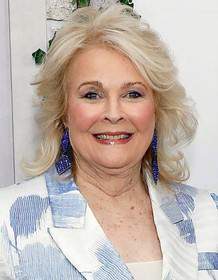
Lily (Candice Bergen)
Played by Candice Bergen
Lily is Conchis's enigmatic companion, a figure of allure around the estate. She acts as a catalyst in Nicholas's unraveling, drawing him deeper into the games. Her true motives remain hidden, leaving her loyalty ambiguous.
- 🎭 Enigmatic
- 🪄 Manipulative
- 👀 Ambiguous
-

Nicholas Urfe (Michael Caine)
Played by Michael Caine
A young English teacher who arrives on Phraxos to escape his troubled relationship with Anne. He becomes drawn into Conchis's elaborate psychological games, blurring reality and illusion. As the experiences echo past events from Conchis's life, his sense of reality begins to erode.
- 🧭 Curious
- 🌀 Troubled
- 🧠 Susceptible
-
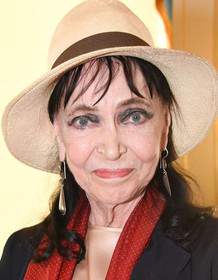
Anne (Anna Karina)
Played by Anna Karina
Anne is Nicholas's emotionally unstable lover, whose presence motivates his decision to seek distance on Phraxos. Her relationship with Nicholas adds emotional weight and complication to the island's mysteries. She remains a volatile and influential force in his choices.
- ❤️🔥 Complex
- 💔 Turbulent
- 🧩 Central
-
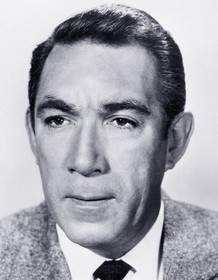
Maurice Conchis (Anthony Quinn)
Played by Anthony Quinn
A reclusive, wealthy estate owner who orchestrates a string of surreal experiences for Nicholas. He manipulates perceptions and introduces clues that may reflect his own history and motives. His true identity is elusive, fueling speculation about whether he is a psychiatrist, a filmmaker, or something beyond explanation. The climactic trial reveals the extent of his power to shape others' destinies.
- 🗺️ Mysterious
- 🧠 Manipulative
- 🕵️♂️ Enigmatic
-
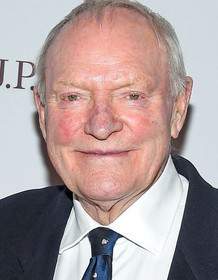
Anton (Julian Glover)
Played by Julian Glover
A member of Conchis's circle, likely an confidant or assistant who participates in the games. He contributes to the atmosphere of mystery surrounding the estate and supports the sense that nothing on Phraxos is as it seems.
- 🤝 Loyal
- 🧩 Coordinated
- 🕶️ Secretive
- S(
Soula (Danièle Noël)
Played by Danièle Noël
Soula is a local figure connected to the estate's operations, representing the island's everyday life amid extraordinary events. She provides a point of contact for visitors and hints at a broader social setting on Phraxos. Her presence grounds the strange happenings in the island's normal rhythms.
- 🏡 Local
- 🗺️ Connected
- 🫶 Grounded
- CW
Captain Wimmel (Corin Redgrave)
Played by Corin Redgrave
Captain Wimmel embodies authority and contributes to the tension that threads through Nicholas's encounters. His interactions illuminate the power dynamics on the island and within Conchis's web. He adds a maritime dimension to the unfolding drama.
- ⚓ Authority
- 🧭 Tension
- 🛡️ Watchful
- K(
Kapetan (Takis Emmanuel)
Played by Takis Emmanuel
Kapetan is a Greek captain figure connected to the island's maritime elements. He participates in scenes that reinforce the atmosphere of travel and confrontation beyond the estate. His presence helps situate the plot within a broader maritime backdrop.
- ⚓ Maritime
- 🚢 Involved
- 🌊 Local color
- A(
Andreas-Priest (George Pastell)
Played by George Pastell
Andreas-Priest appears as another island figure whose interactions heighten the mystique of Phraxos. His role contributes to the cultural and ceremonial texture surrounding the estate's experiences. He helps deepen the sense of a world where ordinary life intersects with the extraordinary.
- ⛪ Cultural
- 🗝️ Mysterious
- 🧭 Peripheral
- YC
Young Conchis (Roger Lloyd-Pack)
Played by Roger Lloyd Pack
Young Conchis offers a glimpse into the past that shapes the man at the center of the mystery. He becomes a piece in the puzzle Nicholas tries to solve, adding historical depth to the games. His presence reinforces the layering of memory within Conchis's narrative.
- 🧩 Past
- 🕰️ Layered
- 🗝️ Clue
- 'G
'False' German Officer (Jerome Willis)
Played by Jerome Willis
The False German Officer is part of the re-enactments that replay past events, contributing to deception and manipulation. He blurs history with fiction, testing Nicholas's perceptions. His role underscores the constructed nature of Conchis's theater.
- 🎭 Reenactment
- 🗡️ Deception
- 🧩 Puzzle
- PH
Party Host (Anthony Newlands)
Played by Anthony Newlands
Party Host hosts the island gatherings that intensify social dynamics and tension within Conchis's circle. He participates in the social theatre that frames Nicholas's experiences. His presence marks the blending of ordinary life with the constructed drama.
- 🎉 Social
- 🗺️ Spectacle
- 🧭 Social arena
- G(
Goatherd (Andreas Malandrinos)
Played by Andreas Malandrinos
Goatherd stands as a rustic figure on the island, contrasting with the estate's opulence. He anchors Phraxos's setting in the everyday world beyond the games. His presence punctuates the coexistence of normal life with uncanny events.
- 🐐 Rural
- 🪶 Simple
- 🗺️ Local color
- M(
Meli (Paul Stassino)
Played by Paul Stassino
Meli is a local figure who participates in or witnesses the unfolding drama on Phraxos. He contributes to the texture of island life amid the surreal experiences. His role helps illustrate how the game touches ordinary people.
- 🧑🌾 Local
- 🗺️ Observer
- 🌀 Embedded
- M(
Maria (Ethel Farrugia)
Played by Ethel Farrugia
Maria acts as another local character who interacts with visitors and participants. Her perspective offers a grounded view amid the surreal events. She helps map the social landscape around Conchis's estate.
- 👥 Local
- 🗺️ Perspective
- 🫶 Grounded
- SP
Second Partisan (George Kafkaris)
Played by George Kafkaris
Second Partisan is a local participant in the island's events, contributing to the ensemble surrounding Nicholas. His presence adds to the sense of a larger, communal theater at play on Phraxos.
- 🤝 Participant
- 🧩 Ensemble
- 🗺️ Local
- TP
Third Partisan (Stack Constantino)
Played by Stack Constantino
Third Partisan is another island participant, reinforcing the communal aspect of Conchis's games. He helps create the sense that many lives are drawn into the estate's mysterious theater.
- 🤝 Participant
- 🧭 Ensemble
- 🗓️ Recurrent
- BC
Boat Captain (John Fowles)
Played by John Fowles
Boat Captain is the figure who transports characters to and from the island, signaling departures and arrivals that punctuate the story. He participates in the maritime dimension of the plot, reinforcing the sense of movement beyond the estate. His role underscores the constant tension between confinement and escape.
- ⚓ Transit
- 🚤 Maritime
- 🧭 Direction
Where and When Is The Magus Set?
The Magus is set in Phraxos and Greece. Here is why the place matters to the story.
Where
Phraxos, Greece
Phraxos is a small Greek island where Nicholas takes a teaching post after the previous instructor's suicide. The estate of Maurice Conchis sits on the opposite side of the island, around which the mystery unfolds. The island's tranquil landscape provides a stark contrast to the psychological games that drive the plot.
- 🏝️ Island setting
- 🇬🇷 Greece
- 🎭 Mystery
What Are the Themes of The Magus?
3 ideas the story keeps returning to, among them Power & Control, Reality & Illusion and Identity.
-
01
Power & Control
Conchis uses psychological manipulation to direct Nicholas and others, turning lives into a staged experiment. The 'trial' scene crystallizes how much influence one person can exert over another's choices and perception. The theme raises questions about ethics, consent, and the illusion of autonomy within a controlled environment.
-
02
Reality & Illusion
Nicholas's experiences blur the line between what is real and what is fabricated by Conchis. Past events are re-enacted as part of the game, making perception unstable. The audience is invited to question the nature of truth within the island's theater.
-
03
Identity
Characters assume roles within Conchis's game, testing who they are when their stories are rewritten. The narrative probes self-perception and susceptibility to self-deception. The estate's spectacles expose how identity can become a flexible construct under manipulation.
What Kind of Film Is The Magus?
Tense in tone, with slow pacing and a complex story, going by the plot summary.
- Tone
- Tense
- Pacing
- Slow
- Story
- Complex
- Intensity
- Medium
- Ending
- Ambiguous
A slow-burning, disorienting psychological thriller set on a remote Greek island, where a schoolteacher becomes entangled in a magician's surreal mind games, blurring the line between reality and orchestrated fantasy.
- mysterious
- disorienting
- psychological
- surreal
- unsettling
- introspective
- reality vs illusion
- psychological manipulation
- identity crisis
- mind games
Content notes: suicide, psychological manipulation.