What Is The Leopard About?
The premise of The Leopard in 348 words, with nothing given away. The full story follows below.
In the summer of 1860, Sicily teeters between two worlds: the fading grandeur of a centuries‑old aristocracy and the restless surge of a new, unified Italy. Garibaldi’s red‑shirts have already begun to redraw the political map, and the island’s sun‑baked estates whisper of a past that clings stubbornly to ritual even as the tides of history rise around them. The film unfolds against this charged backdrop, where genteel gardens and opulent salons exist alongside the rumble of social transformation, creating a mood that is both lyrical and quietly ominous.
At the heart of the story stands the austere Don Fabrizio Salina, a prince whose pride is tempered by a pragmatic awareness of the world’s shifting foundations. He watches his charismatic nephew Tancredi navigate the same uncertain landscape, his youthful vigor both a promise and a challenge to the old order. The arrival of Angelica, the striking daughter of the ambitious bourgeois Don Calogero, introduces a fresh strand of intrigue; her beauty and her family’s rising influence offer a tempting bridge between the fading nobility and the emergent middle class. The prince’s reluctant approval of their union hints at a calculated effort to preserve his family’s comfort and relevance amid the swirling currents of change.
A discreet envoy from the Kingdom of Sardinia, the diplomatic figure known as Chevalley, drifts through the Salina villa, embodying the new state’s polite overtures toward the traditional elite. His presence underscores the film’s central tension: the delicate dance between preserving cherished identities and adapting to an inevitable modernity. The atmosphere remains measured and observant, allowing the characters’ quiet gestures and lingering glances to speak louder than any grand proclamation.
Through elegant cinematography and a restrained yet resonant score, the narrative paints a portrait of a society in transition. It dwells on the subtle choreography of power, love, and duty, inviting the audience to contemplate how much of a person’s essence survives when the world around them is reinvented. The story promises a rich exploration of legacy, ambition, and the stubborn persistence of tradition—all set within the sun‑drenched, historically charged world of mid‑nineteenth‑century Sicily.
What Happens in The Leopard?
The complete story of The Leopard, from the first scene to the last, in 800 words (about 3 minutes). Spoilers throughout.
Spoilers ahead
In Sicily in the year 1860, Don Fabrizio Corbera, Prince of Salina, [Burt Lancaster] enjoys the quiet comforts that come from a long lineage and the privileges of a noble class. War has erupted between Francis II of the Two Sicilies and the insurgent redshirts led by Giuseppe Garibaldi. Among the rebels is the Prince’s nephew, Tancredi, [Alain Delon] whose budding romantic politics and restless energy become a touchstone for the old order. As the clash intensifies, the Prince travels to Palermo, where the city and its rulers feel the tremors of a changing Italy. Garibaldi’s forces seize power and begin a drastic reordering of Sicily, yet the Prince quietly contemplates the paradox at the story’s heart: change is real, the middle classes rise, and appearances can remain remarkably intact. Refusing to bend with the tide of history, he withdraws to his beloved summer palace at Donnafugata, choosing a contemplative distance over public engagement.
A new national assembly harvests a landslide plebiscite, a victory secured in part by the influence of the town’s influential Don Calogero Sedara, [Paolo Stoppa], a man whose corruption and ambition underscore the moral rot more than any ballot box. Don Calogero arrives at the Corberas’ villa with his daughter Angelica, [Claudia Cardinale] whose beauty instantly captivates both the Prince and Tancredi. The allure sparks a subtle but powerful shift: Tancredi moves to pursue a match that promises wealth and security, a calculation the Prince accepts with a wary nod, seeing in his nephew not merely a family heir but a future Italian player who could thrive by aligning with new power. The engagement is arranged with the blessing of both families, a quiet acknowledgment that the old guard is quietly reconfiguring its alliances to survive a transformed political landscape. The Prince, in his measured way, recognizes that Tancredi’s ambition might be the kind of talent a new Italy rewards, while wondering what this means for the family’s centuries-old prestige.
Into this mix steps Cavalier Chevalley, a representative from the Kingdom of Sardinia, who visits the Prince’s villa with the aim of coaxing the aged aristocrat into the new Senate of Italy. The Prince, with characteristic tenderness and irony, declines the invitation, arguing that Sicily clings to tradition far more tenaciously than any modern state apparatus pretends to—a land where old rituals and memories hold sway even as the political map redraws itself. He predicts that the coming rulers will be bureaucrats rather than noble captains, a transition he imagines as a species of predatory change. Yet he also acknowledges a nobility of spirit, imagining Don Calogero Sedara as a more fitting senator for the new order, a practical choice that underlines the Prince’s belief that power should fit the terrain.
The Corbera clan then hosts a grand ball at a neighboring prince’s villa, a moment that marks Angelica’s debut into high society. The Prince, wandering from room to room with a mix of melancholy and irony, seems to watch a medieval theatre he no longer recognizes as his own. Angelica eventually approaches and asks him to dance, momentarily rekindling the elegance and charm of the young man he once was. For a fleeting moment, he is reminded of his former self, the leader who could still command a room with a single, precise gesture. But the spell breaks quickly; the sense of a world turning inexorably onward returns, and the Prince’s disenchantment deepens as the night wears on.
At dawn, the Prince leaves the ball alone, stepping into the quiet, empty streets with a heavy, introspective gait. He lets a priest pass by on his way to administer last rites, a small lived ritual of faith amid shifting times. As he walks, he pauses to contemplate the fading past he feels he belongs to, entering a dark alley that stands as a kind of symbolic threshold for Italy itself—the old life slipping away even as the surface of society keeps a semblance of its previous order. The walk is quiet, somber, and deeply reflective, underscoring the Prince’s belief that true continuity resides not in outward appearances but in an enduring sense of identity that cannot be easily erased by political upheaval.
Throughout this unfolding drama, the characters grapple with loyalty, power, and the slow erosion of an aristocratic way of life. The film’s tone remains measured and observant, treating grand historical forces with a calm, humane curiosity. The Prince’s sharpened view of change—seeing it as both an inevitable tide and a test of personal integrity—gives the narrative a quiet moral center, even as love, ambition, and duty pull the story into intimate, human depths. The result is a richly textured portrait of a society in transition, where dramatic events are filtered through the prisms of family legacy, personal choice, and the stubborn persistence of tradition.
The Leopard Timeline: Every Key Event in Order
10 key events in the order they happen, from “War erupts in Sicily” to “Early morning departure”. 10 events name a place, across 8 locations.
- 1
War erupts in Sicily
War breaks out between the Bourbon armies and Garibaldi's Redshirts, reshaping the island's political landscape. Don Fabrizio, the Prince of Salina, still savors the comforts of his lineage while watching the upheaval with curiosity and guarded melancholy. He senses that the long-standing order is being tested even as nothing yet seems to change on the surface.
When:1860 Where:Sicily
- 2
Garibaldi's conquest of Palermo
Garibaldi's army advances and subdues Palermo, expropriating Sicily from the Bourbons. The Prince observes the advance with a mix of calculation and nostalgia, recognizing that ambitious changes threaten his world. The triumph of the new forces foreshadows a transformed Italy, even as the streets still feel familiar.
When:1860 Where:Palermo
- 3
Prince retreats to Donnafugata
Upset by the upheaval, the Prince departs to his summer palace at Donnafugata to shelter from the storm. He contemplates how the middle class will replace the old ruling class, while appearances stubbornly mimic the past. He resigns himself to observing changes from a distance rather than leading them.
When:1860-1861 Where:Donnafugata
- 4
Plebiscite results and Angelica arrives
A new national assembly calls a plebiscite that nationalist forces win by an astonishing 512–0, aided by the town's corrupt leadership. Don Calogero Sedara comes to the Corbera villa with his daughter Angelica, inaugurating a new alliance of money and influence. The Prince and Tancredi see in Angelica a path to preserve some of their status within the emerging Italy.
When:after plebiscite results (1860-61) Where:Corbera villa
- 5
Tancredi and Angelica engage
With Don Calogero's blessing, Tancredi and Angelica announce their engagement. The match promises money for Tancredi and status for Angelica's family, aligning interests of old and new powers. The Prince views the arrangement with wary acceptance, already calculating the costs and benefits.
When:shortly after arrival Where:Corbera villa
- 6
Tancredi shifts allegiance
The Prince watches Tancredi quietly drift away from Garibaldi's cause toward King Victor Emmanuel's army. He recognizes a young man who will thrive in the new Italy by bending with the wind rather than standing against it. This shift foreshadows how personal ambition can ride the tides of national transformation.
When:around engagement Where:Corbera villa
- 7
Senate invitation refused
Cavalier Chevalley arrives from the Kingdom of Sardinia and asks the Prince to join the senate of the nascent Kingdom of Italy. The Prince declines, arguing that Sicily clings to its traditions and resents the delusions of modernity. He predicts that aristocrats will be replaced by bureaucrats, even as the general public remains convinced they are the salt of the earth.
When:around the same period Where:Prince's villa
- 8
Angelica's debut at a grand ball
The Corberas attend a grand ball at a neighboring prince's villa, signaling Angelica's debut into high society. The Prince becomes melancholic and disenchanted with the nouveau riche spectacle, wandering from room to room as if searching for his former self. Angelica's presence punctuates the social whirl and the old order's fragility.
When:ball night Where:Neighboring prince's villa
- 9
The dance and disillusion
Angelica invites the Prince to dance, and for a moment he recaptures the refined grace of the past. Yet the moment fades quickly, and he sinks back into disillusionment with the social edifice around him. The encounter underscores the distance between tradition and the changing Italy.
When:ball night Where:Ball venue
- 10
Early morning departure
In the early morning, the Prince leaves the ball alone and walks through the quiet streets. He pauses to let a priest carrying last rites pass and then enters a dark alley that symbolizes the fading past to which he feels he belongs. The moment encapsulates the tension between privilege and a history slipping away.
When:early morning Where:Town streets near ball
Who Are the Main Characters in The Leopard?
6 characters, among them Don Fabrizio Corbera, Prince of Salina - Burt Lancaster, Tancredi Falconeri - Alain Delon and Angelica Sedara - Claudia Cardinale: who each one is and the part they play in the story. Every profile links to the actor’s page.
-
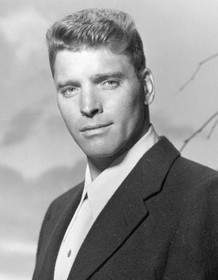
Don Fabrizio Corbera, Prince of Salina - Burt Lancaster
Played by Burt Lancaster
A reflective aristocrat who embodies the old Sicily. He observes the sweeping changes with wry, restrained melancholy, preferring tradition over rapid reform. His dialogue reveals a keen intelligence and a humane care for his family, even as he accepts the inevitability of transformation.
- 👑 Aristocracy
- 🧭 Wisdom
- 🕊️ Melancholy
-
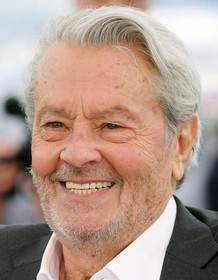
Tancredi Falconeri - Alain Delon
Played by Alain Delon
The Prince's handsome nephew, charming and calculating. He maneuvers through the new Italian order with flexible loyalties, balancing love and ambition. His choices reveal how personal desire intersects with political expediency.
- ⚔️ Ambition
- 💘 Romance
- 🤝 Political Navigation
-
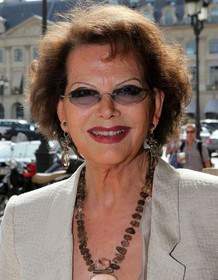
Angelica Sedara - Claudia Cardinale
Played by Claudia Cardinale
A striking beauty whose social wealth places her at the center of Sicily's aristocratic game. She embodies desire and social climbing, testing both Tancredi and the Prince. Her presence adds a strategic layer to alliances formed around marriage and status.
- 💃 Romance
- 🎭 Society
- DC
Don Calogero Sedara - Paolo Stoppa
Played by Paolo Stoppa
A leading citizen who wields money and influence to shape politics. He orchestrates the plebiscite and arranges advantageous matches to preserve power under a changing regime. His role exposes the complicity between wealth and political reform.
- 💰 Power
- 🤝 Influence
- CC
Cavalier Chevalley - Leslie French
Played by Leslie French
A Sardinian envoy representing the Kingdom's push toward a unified Italy. He presses the Prince with invitations to join the senate, highlighting the tension between noble privilege and national consolidation. His formal diplomacy illustrates the era's political rearrangements.
- 🧭 Politics
- 👑 Aristocracy
-
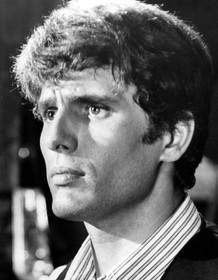
Garibaldi's General - Giuliano Gemma
Played by Giuliano Gemma
A symbol of the revolutionary army and the new order overcoming old rules. He embodies military discipline and the promise—and threat—of unification sweeping through Sicily. His presence signals the island's dramatic reorientation under a modern state.
- ⚔️ War
- 🗺️ Unification
Where and When Is The Leopard Set?
The Leopard is set in Sicily, Palermo and Donnafugata (1860). Here is why the time and place matter to the story.
When
1860
1860 marks the pivotal year of Italian unification known as the Risorgimento, drawing political lines through the southern kingdoms. Garibaldi's redshirts push the Bourbons from Sicily, reshaping allegiances and fortunes. In this landscape, salons and villas host negotiations that reveal how culture and class adapt to upheaval.
Where
Sicily, Palermo, Donnafugata
Set on the island of Sicily in 1860, the story unfolds amid the upheaval of Italian unification. The prince retreats to his Palermo circles and the opulent Donnafugata estate, where tradition clings to ritual despite revolutionary currents. Grand balls, villas, and gardens become stages for power, wealth, and the slow erosion of the old order.
- 🌍 Sicily
- 🏛️ Aristocracy
What Are the Themes of The Leopard?
3 ideas the story keeps returning to, among them Tradition vs Change, Power & Prestige and Memory & Melancholy.
-
01
Tradition vs Change
The film centers on a society built on inherited privilege that is gradually displaced by republican and liberal forces. The Prince recognizes that time is turning, even as he clings to ceremony and memory. Tancredi embodies both loyalty and opportunism as the old order and the new state collide. The tension questions whether elegance and power can endure when the political currents become unstoppable.
-
02
Power & Prestige
Aristocratic status acts as both shield and instrument in the unfolding drama. Don Calogero Sedara's manipulation of money and influence shows how wealth sustains influence beyond birthright. The engagement between Tancredi and Angelica is framed as a strategic alliance to secure futures. The narrative exposes how prestige is negotiated, commodified, and redefined in a changing nation.
-
03
Memory & Melancholy
The Prince's reflections reveal a longing for a past world that no longer exists. The ball, ballroom dances, and late-night walks through empty streets become symbols of fading heritage. His walk to the dark alley embodies the sense that Italy's soul is unsettled and elusive. The film suggests that memory is both consolation and indictment in times of upheaval.
What Kind of Film Is The Leopard?
Melancholic in tone, with slow pacing and a moderate story, going by the plot summary.
- Tone
- Melancholic
- Pacing
- Slow
- Story
- Moderate
- Intensity
- Medium
- Ending
- Bittersweet
A slow-paced, melancholic epic that offers a contemplative and nostalgic viewing experience, observing the quiet decay of an aristocratic world with a heavy yet graceful sense of inevitability.
- melancholic
- contemplative
- nostalgic
- somber
- elegiac
- measured
- aristocracy in decline
- political upheaval
- social change
- family legacy
Content notes: political violence, class conflict.
Quiz
How well do you remember The Leopard? Test yourself on the story.
Where to Watch The Leopard
Rent or buy it from Amazon Video and Apple TV Store. US availability and prices from JustWatch.





Streaming availability in the US, powered by