The Leopard 1963

Set against Garibaldi’s 1860s campaign to unify Italy, the film follows the aristocratic Salina family as they reluctantly confront sweeping social change. Proud yet pragmatic Prince Don Fabrizio Salina consents to his nephew Tancredi’s marriage to Angelica, the beautiful daughter of the bourgeois Don Calogero, hoping the union will preserve the family’s comfort and political influence.

Does The Leopard have end credit scenes?
No!
The Leopard does not have end credit scenes. You can leave when the credits roll.
Meet the Full Cast and Actors of The Leopard
Explore the complete cast of The Leopard, including both lead and supporting actors. Learn who plays each character, discover their past roles and achievements, and find out what makes this ensemble cast stand out in the world of film and television.
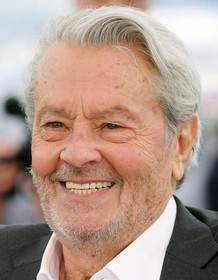
Alain Delon
Tancredi Falconeri
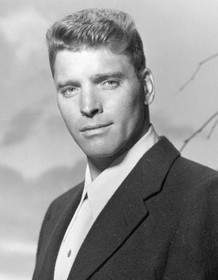
Burt Lancaster
Prince Don Fabrizio Salina
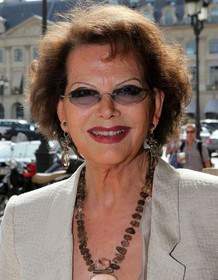
Claudia Cardinale
Angelica Sedara / Bastiana
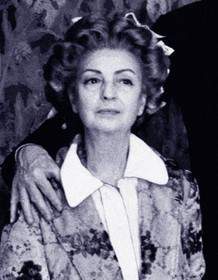
Rina Morelli
Princess Maria Stella Salina
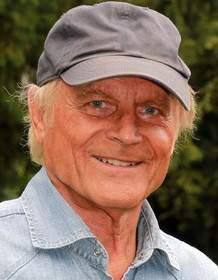
Terence Hill
Count Cavriaghi
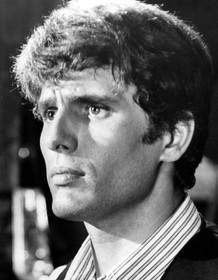
Giuliano Gemma
Garibaldi's General
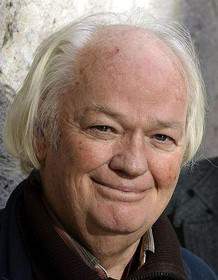
Lou Castel
Party Guest (uncredited)

Serge Reggiani
Don Francisco Ciccio Tumeo
Omero Capanna
Citizen (uncredited)
Romolo Valli
Father Pirrone
Paolo Stoppa
Don Calogero Sedara
Pierre Clémenti
Francesco Paolo
Lucilla Morlacchi
Concetta
Ida Galli
Carolina
Ottavia Piccolo
Caterina
Carlo Valenzano
Paolo
Brook Fuller
Little Prince
Anna Maria Bottini
Mademoiselle Dombreuil, the Governess
Lola Braccini
Donna Margherita
Marino Masé
Tutor
Howard Nelson Rubien
Don Diego
Tina Lattanzi
Cook
Marcella Rovena
Peasant Woman
Vittorio Duse
Colonel
Giuseppe Stagnitti
Ivo Garrani
Colonel Pallavicino
Vanni Materassi
Sergeant
Maurizio Merli
(uncredited)
Leslie French
Cavalier Chevalley
Giancarlo Lolli
Pippo Agusta
Minor Role (uncredited)
Franco Gulà
Mimi
Olimpia Cavalli
Mariannina
Anna Maria Surdo
Rina De Liguoro
Princess of Presicce
Winni Riva
Waitress
Halina Zalewska
Dante Posani
Carlo Palmucci
Stelvio Rosi
Sergeant
Inna Alexeievna
Woman at Ball (uncredited)
Marie Bell
(uncredited)
Augusto Pescarini
(uncredited)
Valerio Ruggeri
Colonel
Giovanni Melisenda
Don Onofrio Rotolo
Carmelo Artale
Rosolino Bua
Sandra Christolini
Youngest Daughter (uncredited)
Paola Piscini
(uncredited)
Amalia Troiani
(uncredited)
External Links and Streaming Options
Discover where to watch The Leopard online, including streaming platforms, rental options, and official sources. Compare reviews, ratings, and in-depth movie information across sites like IMDb, TMDb, Wikipedia or JustWatch.






Take the Ultimate The Leopard Movie Quiz
Challenge your knowledge of The Leopard with this fun and interactive movie quiz. Test yourself on key plot points, iconic characters, hidden details, and memorable moments to see how well you really know the film.
The Leopard (1963) Quiz: Test your knowledge of the 1963 film The Leopard, its characters, historical context, and key plot points.
Which actor portrays Prince Don Fabrizio Corbera in the film?
Full Plot Summary and Ending Explained for The Leopard
Read the complete plot summary of The Leopard, including all major events, twists, and the full ending explained in detail. Explore key characters, themes, hidden meanings, and everything you need to understand the story from beginning to end.
In Sicily in the year 1860, Don Fabrizio Corbera, Prince of Salina, [Burt Lancaster] enjoys the quiet comforts that come from a long lineage and the privileges of a noble class. War has erupted between Francis II of the Two Sicilies and the insurgent redshirts led by Giuseppe Garibaldi. Among the rebels is the Prince’s nephew, Tancredi, [Alain Delon] whose budding romantic politics and restless energy become a touchstone for the old order. As the clash intensifies, the Prince travels to Palermo, where the city and its rulers feel the tremors of a changing Italy. Garibaldi’s forces seize power and begin a drastic reordering of Sicily, yet the Prince quietly contemplates the paradox at the story’s heart: change is real, the middle classes rise, and appearances can remain remarkably intact. Refusing to bend with the tide of history, he withdraws to his beloved summer palace at Donnafugata, choosing a contemplative distance over public engagement.
A new national assembly harvests a landslide plebiscite, a victory secured in part by the influence of the town’s influential Don Calogero Sedara, [Paolo Stoppa], a man whose corruption and ambition underscore the moral rot more than any ballot box. Don Calogero arrives at the Corberas’ villa with his daughter Angelica, [Claudia Cardinale] whose beauty instantly captivates both the Prince and Tancredi. The allure sparks a subtle but powerful shift: Tancredi moves to pursue a match that promises wealth and security, a calculation the Prince accepts with a wary nod, seeing in his nephew not merely a family heir but a future Italian player who could thrive by aligning with new power. The engagement is arranged with the blessing of both families, a quiet acknowledgment that the old guard is quietly reconfiguring its alliances to survive a transformed political landscape. The Prince, in his measured way, recognizes that Tancredi’s ambition might be the kind of talent a new Italy rewards, while wondering what this means for the family’s centuries-old prestige.
Into this mix steps Cavalier Chevalley, a representative from the Kingdom of Sardinia, who visits the Prince’s villa with the aim of coaxing the aged aristocrat into the new Senate of Italy. The Prince, with characteristic tenderness and irony, declines the invitation, arguing that Sicily clings to tradition far more tenaciously than any modern state apparatus pretends to—a land where old rituals and memories hold sway even as the political map redraws itself. He predicts that the coming rulers will be bureaucrats rather than noble captains, a transition he imagines as a species of predatory change. Yet he also acknowledges a nobility of spirit, imagining Don Calogero Sedara as a more fitting senator for the new order, a practical choice that underlines the Prince’s belief that power should fit the terrain.
The Corbera clan then hosts a grand ball at a neighboring prince’s villa, a moment that marks Angelica’s debut into high society. The Prince, wandering from room to room with a mix of melancholy and irony, seems to watch a medieval theatre he no longer recognizes as his own. Angelica eventually approaches and asks him to dance, momentarily rekindling the elegance and charm of the young man he once was. For a fleeting moment, he is reminded of his former self, the leader who could still command a room with a single, precise gesture. But the spell breaks quickly; the sense of a world turning inexorably onward returns, and the Prince’s disenchantment deepens as the night wears on.
At dawn, the Prince leaves the ball alone, stepping into the quiet, empty streets with a heavy, introspective gait. He lets a priest pass by on his way to administer last rites, a small lived ritual of faith amid shifting times. As he walks, he pauses to contemplate the fading past he feels he belongs to, entering a dark alley that stands as a kind of symbolic threshold for Italy itself—the old life slipping away even as the surface of society keeps a semblance of its previous order. The walk is quiet, somber, and deeply reflective, underscoring the Prince’s belief that true continuity resides not in outward appearances but in an enduring sense of identity that cannot be easily erased by political upheaval.
Throughout this unfolding drama, the characters grapple with loyalty, power, and the slow erosion of an aristocratic way of life. The film’s tone remains measured and observant, treating grand historical forces with a calm, humane curiosity. The Prince’s sharpened view of change—seeing it as both an inevitable tide and a test of personal integrity—gives the narrative a quiet moral center, even as love, ambition, and duty pull the story into intimate, human depths. The result is a richly textured portrait of a society in transition, where dramatic events are filtered through the prisms of family legacy, personal choice, and the stubborn persistence of tradition.

Coming soon on iOS and Android
The Plot Explained Mobile App
From blockbusters to hidden gems — dive into movie stories anytime, anywhere. Save your favorites, discover plots faster, and never miss a twist again.
Sign up to be the first to know when we launch. Your email stays private — always.
Explore the mobile appWatch Trailers, Clips & Behind-the-Scenes for The Leopard
Watch official trailers, exclusive clips, cast interviews, and behind-the-scenes footage from The Leopard. Dive deeper into the making of the film, its standout moments, and key production insights.
The Leopard Themes and Keywords
Discover the central themes, ideas, and keywords that define the movie’s story, tone, and message. Analyze the film’s deeper meanings, genre influences, and recurring concepts.
The Leopard Other Names and Titles
Explore the various alternative titles, translations, and other names used for The Leopard across different regions and languages. Understand how the film is marketed and recognized worldwide.
Similar Movies To The Leopard You Should Know About
Browse a curated list of movies similar in genre, tone, characters, or story structure. Discover new titles like the one you're watching, perfect for fans of related plots, vibes, or cinematic styles.
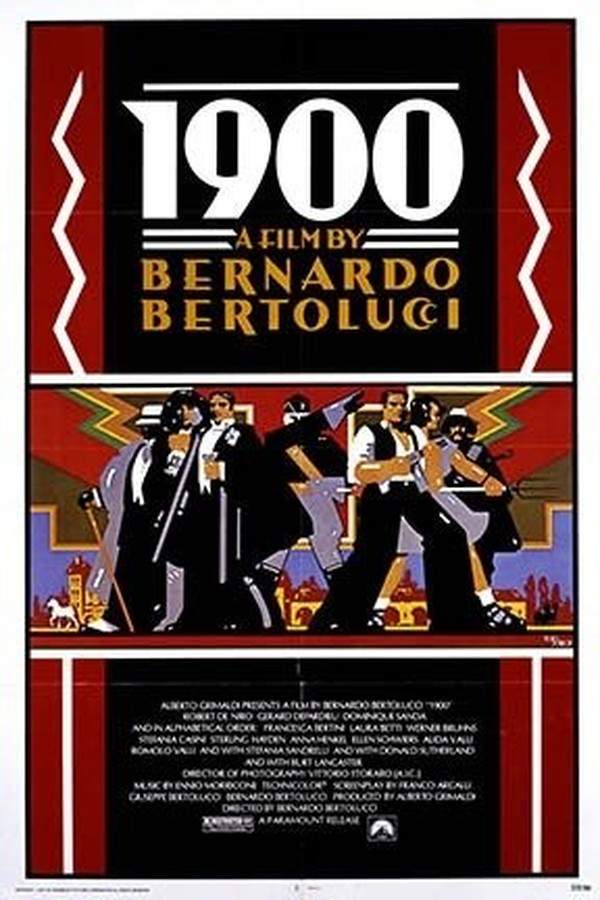

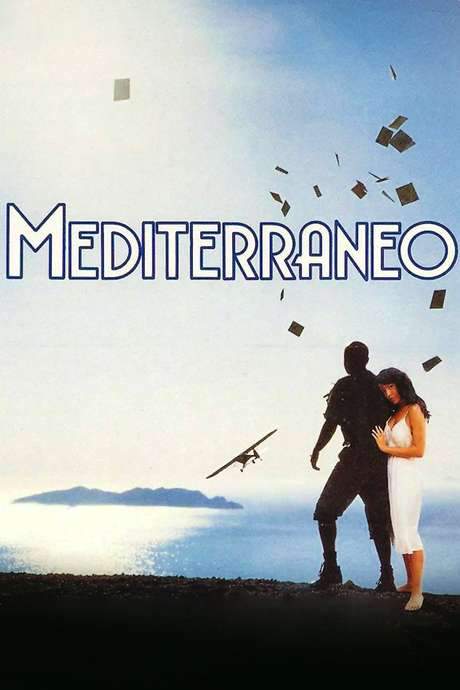


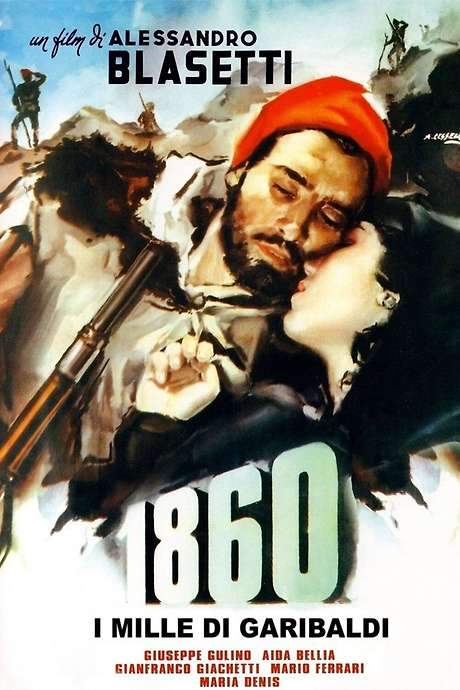



Quick Links: Summary, Cast, Ratings, More

What's After the Movie?
Not sure whether to stay after the credits? Find out!
Check out our other apps:

SAT Sphere
Build confidence for the Digital SAT.

Mori Atlas
Discover wild places worth protecting.

Luntero
Search smarter for a home in Amsterdam.

Plot Explained
Unravel movie endings and hidden clues.

Pokechamp
Dive into Pokémon data and battle logic.

Driving Theory
Get ready for your European theory test.

Movie Dust
Plan your next cinema trip with ease.

Musemap
Find art and culture as you travel.

Selkobase
Compare credentials before committing.

Local Manual
Turn an unfamiliar country into practical next steps.

Lernavi
Compare school systems before your next move.

GymRoam
Find a workout stop wherever your plans take you.
Explore Our Movie Platform
New Movie Releases (2026)
Famous Movie Actors
Top Film Production Studios
Movie Plot Summaries & Endings
Major Movie Awards & Winners
Best Concert Films & Music Documentaries
Movie Collections and Curated Lists
© 2026 What's After the Movie. All rights reserved.
Privacy Policy