
Lion of the Desert (1980): Cast, Plot & Where to Watch
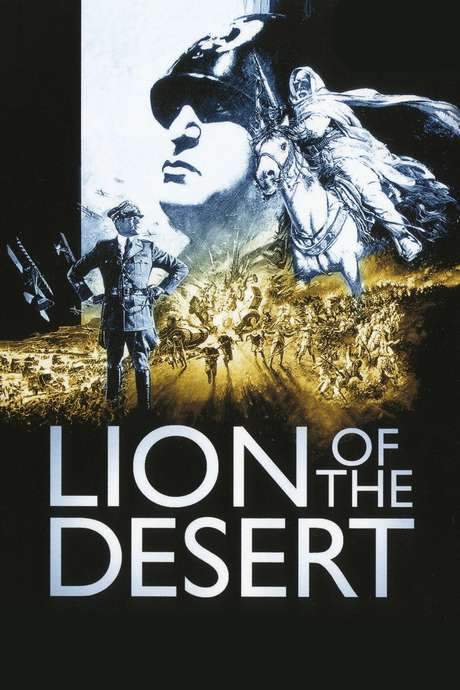
Lion of the Desert is a 1980 historical drama directed by Moustapha Akkad, starring Anthony Quinn as Omar Mukhtar, Angelo Ragusa and Luciano Catenacci. It runs 2 hours 53 minutes. Stream it on Amazon MX Player and Amazon Prime Video, or rent or buy it on Amazon Video and Apple TV Store.
- Released
- Runtime
- 2h 53m (173 min)
- Director
- Moustapha Akkad
- Original language
-
 English
 - After the credits
- No No extra scene
What Is Lion of the Desert About?
The premise of Lion of the Desert without spoilers. The whole story is in the plot summary further down.
A man of honor stands in a war that seems pointless. The film follows Omar Mukhtar, an Arab Muslim leader who commanded Libyan tribes against Italy’s invasion in the Second Italo‑Senussi War. It shows Western audiences a little‑known episode of North African history and reveals the brutal tactics the Italian army used to subdue the natives.
Lion of the Desert Themes & Keywords
· 50 tags- muslim
- rebel
- muslim woman dress
- desert
- epic
- death of protagonist
- execution
- 1930s
- 1920s
- world war two
- muslim woman
- muslim man
+38 more Show fewer
- muslim girl
- hijab
- niqab
- islamic society
- reading the quran
- libyan desert
- libyan girl
- libyan woman
- north africa
- bengasi libya
- libyan history
- italian woman
- traditional wedding
- head scarf
- woman covered in veil
- revolution leader
- war crime
- religious man
- civilian bombing
- fight for freedom
- war of liberation
- real footage
- death of husband
- tattoo on face
- raped by a soldier
- reference to the roman empire
- reference to the geneva convention
- islamic prayer
- african tribe
- islamic education
- poison gas
- camel
- based on real person
- benito mussolini character
- woman wears a black veil
- woman wears a veil
- tattooed woman
- animal in title
Where to Watch Lion of the Desert
Stream it on Amazon MX Player and Amazon Prime Video, or rent or buy it from Amazon Video and Apple TV Store. US availability and prices from JustWatch.
Stream 10
 Amazon MX Player
  Amazon Prime Video Free with Ads
  AMC Plus Apple TV channel
  AMC+
AMC+  Darkroom
  Fandango at Home Free
  Plex
Plex  Plex Channel
  The Roku Channel
  Tubi TV



Streaming availability in the US, powered by 
Lion of the Desert Cast & Characters
Anthony Quinn leads the cast as Omar Mukhtar, with Angelo Ragusa as Arab Caught in Barbed Wire (uncredited) and Luciano Catenacci as Italian Sergeant. Directed by Moustapha Akkad; 40 actors are credited in all.
- Director Moustapha Akkad
-
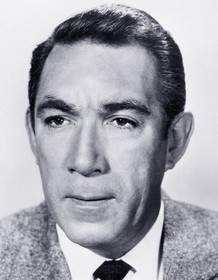 Anthony Quinn as Omar Mukhtar
 - Angelo Ragusa as Arab Caught in Barbed Wire (uncredited)
- Luciano Catenacci as Italian Sergeant
- Ewen Solon as Italian Tank Commander
Also Starring in Lion of the Desert
· 36 more- Rod Steiger Benito Mussolini
- Oliver Reed Gen. Rodolfo Graziani
- Luciano Bartoli Captain Lontano
- John Gielgud Sharif El Gariani
- Irene Papas Mabrouka
- Raf Vallone Colonel Diodiece
- Tom Felleghy Italian General (uncredited)
- Franco Fantasia Governor General
- Claudio Gora President of the Court
- Gianfranco Barra Abdul
- Pietro Tordi Field Marshall
- Lorenzo Piani Prisoner Escort
- Alfonso Giganti Military Judge (uncredited)
- Gastone Moschin Major Tomelli
- Andrew Keir Salem
- Robert Brown Al Fadeel
Show all 40 cast members Show fewer cast members
- Mario Feliciani Lobitto
- Lino Capolicchio Captain Bedendo
- Adolfo Lastretti Colonel Sarsani
- Sky du Mont Prince Amadeo
- Takis Emmanuel Bu-Matari
- Loris Bazzocchi
- Piero Gerlini Barillo
- Giordano Falzoni Judge at Camp
- Amedeo Salamon Man Watching Trail (uncredited)
- Stefano Patrizi Lt. Sandrini
- Rodolfo Bigotti Ismail
- Pietro Brambilla Young Soldier
- George Sweeney Captain Biagi
- Alec Mango
- Mark Colleano Infantry Corporal (uncredited)
- Filippo De Gara
- Eleonora Stathopoulou Ali's mother
- Victor Baring
- Ihab Werfali Ali
- Scott Richard Fensome Machine Gun Sergeant (uncredited)
Lion of the Desert Plot Summary
What happens in Lion of the Desert from start to finish, spoilers included, with a timeline of 13 key events. The opening is below; the full summary is a 4-minute read.
Spoilers ahead
Opening with a documentary-style prologue, the film situates 1929 Libya under Mussolini’s fascist project and makes clear that the events depicted are drawn from real history. Benito Mussolini Rod Steiger resolves to crush the Libyan rebellion and reassert a colonial order, turning to General Rodolfo Graziani Oliver Reed to lead a measured, methodical campaign. Graziani’s task is immense: defeat a guerrilla war waged by Libyans who refuse to surrender their homeland, even as their numbers dwindle and their defenses become increasingly strained under the modern weaponry of the Regio Esercito (Royal Italian Army).
Full summary
The whole story of Lion of the Desert, scene by scene
How Well Do You Know Lion of the Desert?
10 questions about the story, each with a hint if you get stuck. Pick an answer to see whether you were right.
Question 1 of 10
- Question 1: not answered
- Question 2: not answered
- Question 3: not answered
- Question 4: not answered
- Question 5: not answered
- Question 6: not answered
- Question 7: not answered
- Question 8: not answered
- Question 9: not answered
- Question 10: not answered
Who portrays the Italian dictator Benito Mussolini in the film?
Cars in Lion of the Desert
11 cars on screen, including the 1926 Fiat 509 and the 1922 Overland Model 4.
-
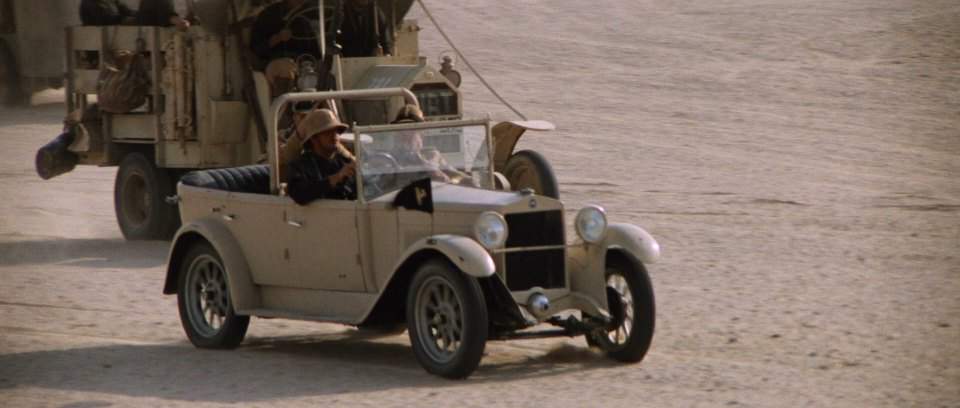 1926 Fiat 509 Important role
 -
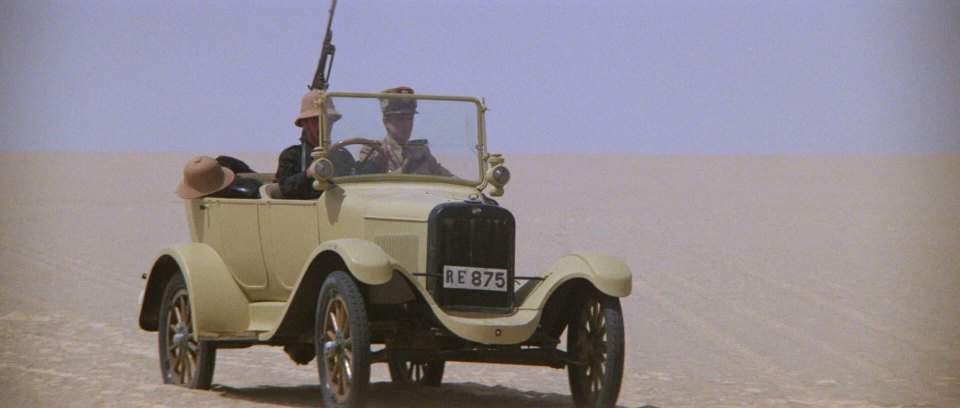 1922 Overland Model 4 Important role
 -
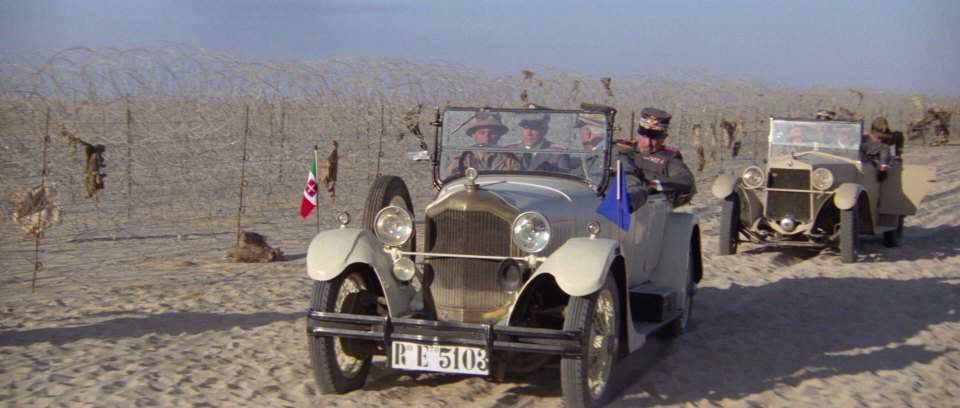 1921 De Dion-Bouton Type IE Minor role
 -
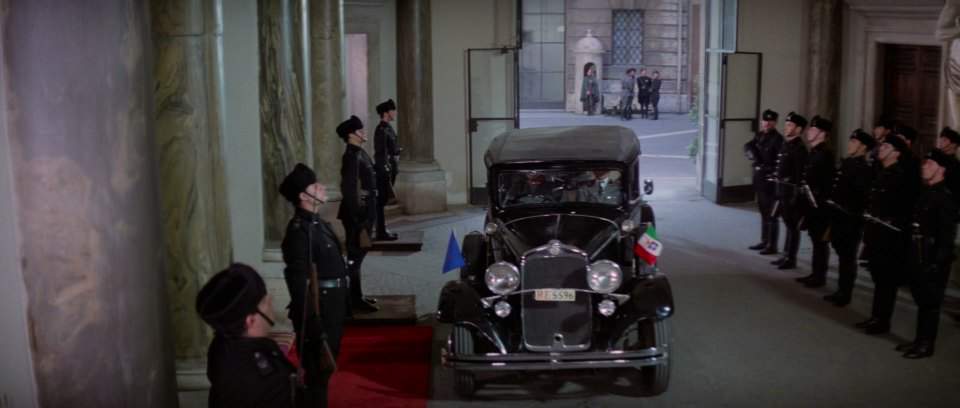 1930 Dodge Brothers Sedan Minor role
Lion of the Desert Also Known As
24 alternative titles, including “El león del desierto” and “Omar Mukhtar: Lion of the Desert”.
- Also known as
-
- El león del desierto
- Omar Mukhtar: Lion of the Desert
- عمر المختار
- Afrikas Lejon
- Ørkenkrigens helte
- Der Löwe von Libyen
- Il leone del deserto
- Le Lion du désert
- İslam'ın Kılıcı: Çöl Aslanı Ömer Muhtar
- A sivatag oroszlánja
- Omar Mukhtar - Löwe der Wüste
- אריה במדבר
+12 more Show fewer
- 사막의 라이온
- Lew pustyni
- O Leão do Deserto
- أسد الصحراء
- Ökenlejonet
- Лев пустыни
- 大地雄狮
- شیر صحرا
- Lev pouště
- Το Λιοντάρι της Ερήμου
- Leul deșertului
- El lleó del desert
Seen Lion of the Desert?
Movies Like Lion of the Desert
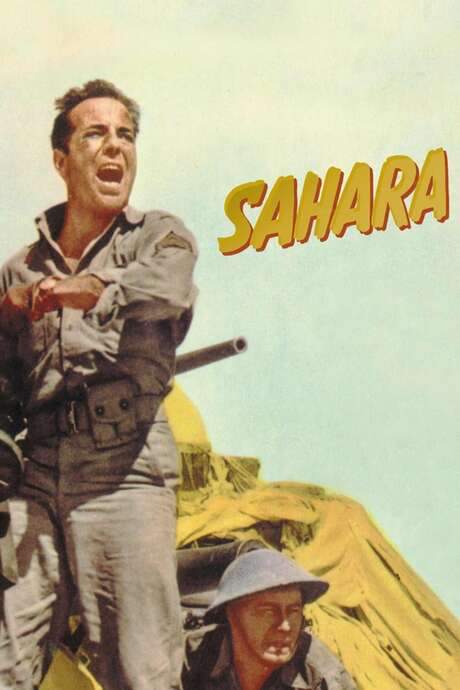
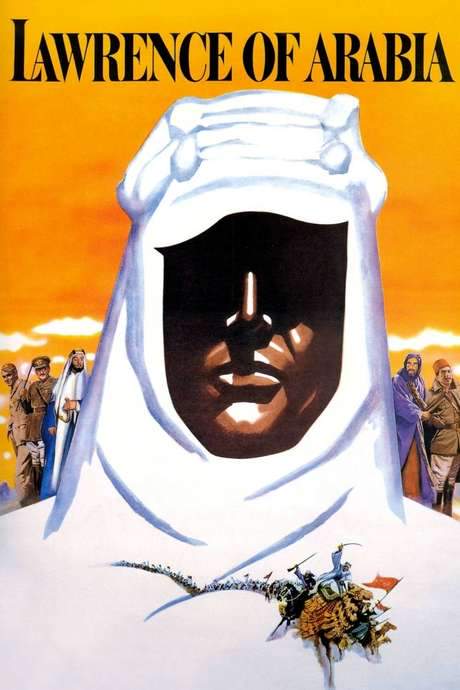
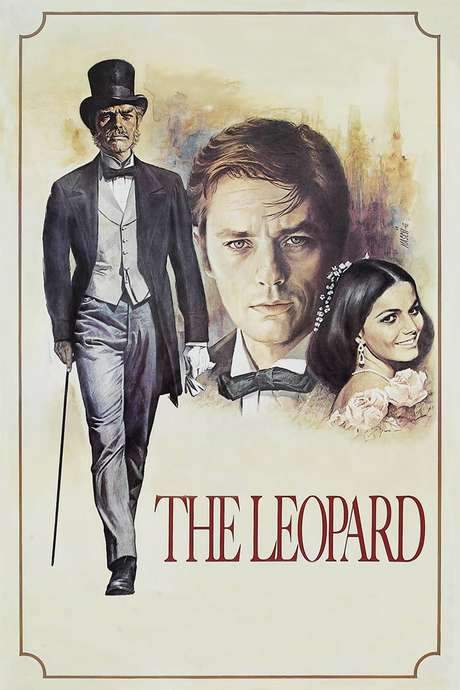
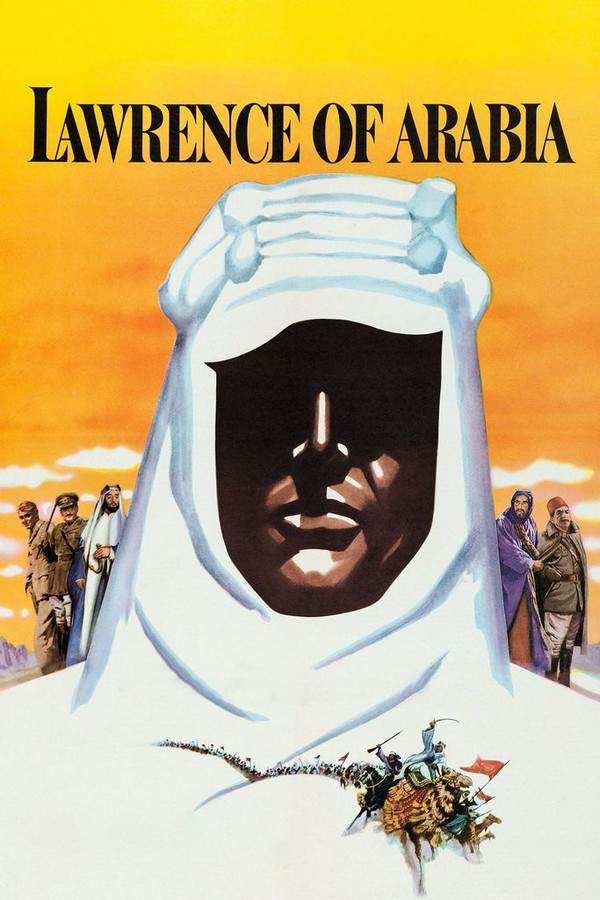
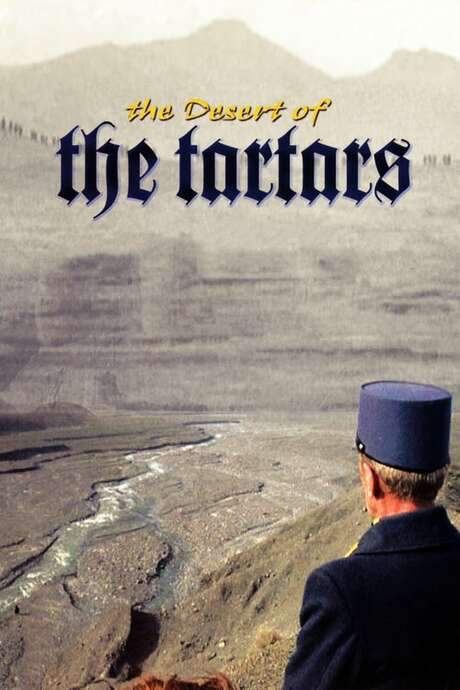
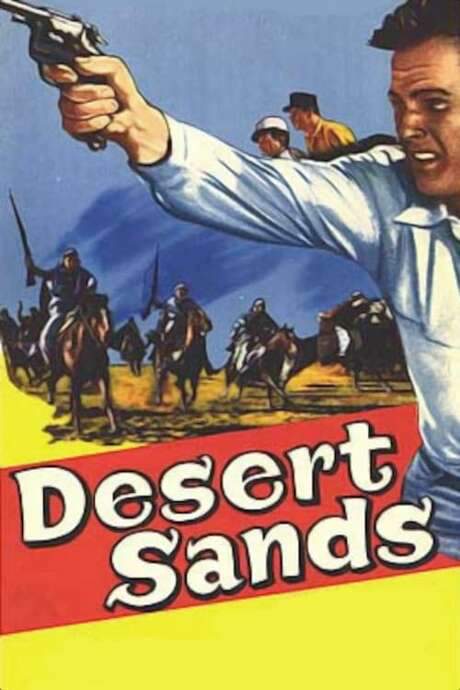
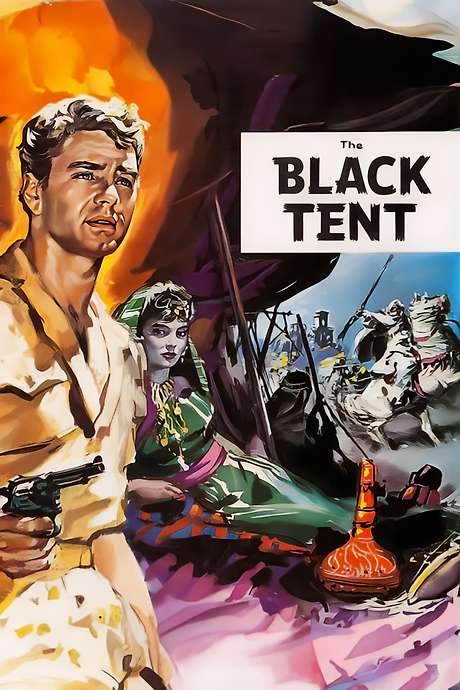
Films with a similar story, tone or audience, including Sahara, Lawrence of Arabia and The Battle of Algiers.



Lion of the Desert FAQ: Where to Watch, Cast & Runtime
Runtime, release date, director, cast, where to watch and post-credit scenes of Lion of the Desert, each answered in a sentence.
How long is Lion of the Desert?
Lion of the Desert runs 2 hours 53 minutes (173 minutes).
When was Lion of the Desert released?
Lion of the Desert was released on December 19, 1980.
Who directed Lion of the Desert?
Lion of the Desert was directed by Moustapha Akkad.
More films by Moustapha Akkad Who is in the cast of Lion of the Desert?
Lion of the Desert stars Anthony Quinn as Omar Mukhtar, Angelo Ragusa as Arab Caught in Barbed Wire (uncredited) and Luciano Catenacci as Italian Sergeant, among 40 credited actors.
Where can I watch Lion of the Desert?
In the US, Lion of the Desert is streaming on Amazon MX Player, Amazon Prime Video and AMC Plus and available to rent or buy on Amazon Video, Apple TV Store and Fandango At Home (availability from JustWatch).
Does Lion of the Desert have a post-credit scene?
No. Lion of the Desert has no extra scene during or after the credits.
Coming soon to your phone
The Plot Explained Movie Summary App
From blockbusters to hidden gems: plot summaries, endings explained and timelines on your phone. Save your favorites and never miss a twist again.
Be the first to know when it launches. Your email stays private, always. Learn more about the app
