The Battle of Algiers 1966



The film follows the Algerian War of Independence through the eyes of Ali, a petty thief who becomes a prominent FLN operative before his 1957 capture. It portrays the rebels’ guerrilla tactics and the French government’s increasingly harsh counter‑insurgency, illustrating the brutal spiral of violence that reshaped both sides.


Does The Battle of Algiers have end credit scenes?
No!
The Battle of Algiers does not have end credit scenes. You can leave when the credits roll.
Where to Watch The Battle of Algiers
See current US streaming, rental, and purchase options for The Battle of Algiers (1966) via JustWatch.

Criterion Channel
HD
HBO Max
HD
HBO Max Amazon Channel
HD
TCM
HD
Kanopy
HD
Mometu
HD
Plex
HD
Plex Channel
HD
Shout! Factory TV
HD
Tubi TV
SD
Amazon Video
SD
Apple TV Store
HD
Fandango At Home
SD
Google Play Movies
SD
YouTube
SD Streaming availability powered by 
Meet the Full Cast and Actors of The Battle of Algiers
Explore the complete cast of The Battle of Algiers, including both lead and supporting actors. Learn who plays each character, discover their past roles and achievements, and find out what makes this ensemble cast stand out in the world of film and television.

Brahim Hadjadj
Ali La Pointe
Jean Martin
Colonel Philippe Mathieu
Samia Kerbash
Fathia
Ugo Paletti
Captain
Mohamed Ben Kassen
Petit Omar
Franco Moruzzi
Mahmoud (uncredited)
Gene Wesson
(uncredited)
Yacef Saâdi
El-Hadi Jaffar
Noureddine Brahimi
Responsable FLN
Fouzia El Kader
Halima
Fatiha Djoudi
La Mariée de la Casbah
Larbi Zekkal
Combattant FLN
Rouiched
The Drunk Man (uncredited)
Hadj Smaine Mohamed Seghir
Si Mohamed Baghdadi
Larbi Ben M'hidi
Abderrahmane Brahimi
Le Marié de la Casbah
Tomasso Neri
Captain Dubois
External Links and Streaming Options
Discover where to watch The Battle of Algiers online, including streaming platforms, rental options, and official sources. Compare reviews, ratings, and in-depth movie information across sites like IMDb, TMDb, Wikipedia or Box Office Mojo.





Full Plot Summary and Ending Explained for The Battle of Algiers
Read the complete plot summary of The Battle of Algiers, including all major events, twists, and the full ending explained in detail. Explore key characters, themes, hidden meanings, and everything you need to understand the story from beginning to end.
The Battle of Algiers opens in 1957 in Algiers, where the French Army raids Ali La Pointe, Brahim Hadjadj’s hideout after a captured comrade reveals its location, and the soldiers declare that the “organization” is finished. The opening shock gives way to a stark return to 1954, setting the stage for a deeply human, if brutal, portrait of a city at war. The film then unfolds as a careful reconstruction of the years between November 1954 and December 1957, a period when the Casbah becomes a tinderbox of revolutionary energy and violent countermeasures.
The narrative follows the rise of revolutionary cells in the Casbah and the escalating clash between Algerian militants and a colonial power determined to crush them. The FLN leadership is personified by El-Hadi Jafar, Yacef Sadi, a veteran commander who recruits and mentors Ali La Pointe, guiding him from a life of petty crime to political militancy. The French response is led by Lieutenant-Colonel Philippe Mathieu, Jean Martin, whose paratroopers are shown using a relentless, often brutal strategy aimed at neutralizing the FLN’s leadership and crippling the insurgency.
Across these struggles, the film introduces a spectrum of real-world tactics and moral ambiguities. The FLN’s guerrilla operations are depicted with urgency, including the swift, sometimes summary justice they mete out to criminals and suspected collaborators who populate the Casbah’s shadows. In counterpoint, the French counterinsurgency deploys coercive measures, torture, and hard-handed authority in attempts to restore order. The result is a searing, unflinching look at violence on both sides, underscored by a sense that the cost of war falls most heavily on civilians caught in the crossfire.
Among the key figures who drive the story, Ali La Pointe stands as the central arc—an embittered youth transformed by imprisonment into a committed revolutionary, under the guidance of El-Hadi Jafar. The inner circle expands with the inclusion of important characters like Little Omar, a streetwise boy and FLN messenger who carries messages through the maze-like Casbah, and Larbi Ben M’hidi, a top FLN leader whose political rationale anchors the rebellion’s aims. The film also follows brave female urban guerrillas such as Djamila, Zohra, and Hassiba, who participate in high-stakes actions that illustrate the broader social dimension of the conflict. Although the cast emphasizes a broad ensemble, it is the human decisions, loyalties, and sacrifices of these figures that animate the drama.
Pontecorvo and Solinas give the Casbah a living, chorus-like presence, using thousands of Algerian extras to evoke a neighborhood that breathes with the sounds of chanting, protest, and everyday life. The scene-work invites viewers to witness the texture of life under siege—the roadblocks, the hideouts, the slow unraveling of a community under pressure—without bias, presenting the conflict with a stark, documentary-like clarity. The film also dramatizes iconic moments, including terrorist actions that aimed to destabilize European presence in Algiers, and the brutal countermeasures that followed, painting a city where moral lines blur and survival often overrides idealism.
In its coda, the film returns to the urban tumult of nationalist demonstrations and riots, suggesting a paradox at the core of the conflict: while France may have won the Battle of Algiers on the ground, the broader Algerian War remains unresolved and ultimately lost in the eyes of many who suffered through it. The closing images linger on a city in motion, a people still searching for self-determination, and a conflict whose consequences reverberate far beyond the street battles that opened and closed the narrative.
The Battle of Algiers is a meticulously crafted, morally complex study of revolution and counterrevolution, where the lines between heroism and brutality are constantly tested, and where the human cost of political struggle is laid bare in unflinching detail.

Coming soon on iOS and Android
The Plot Explained Mobile App
From blockbusters to hidden gems — dive into movie stories anytime, anywhere. Save your favorites, discover plots faster, and never miss a twist again.
Sign up to be the first to know when we launch. Your email stays private — always.
Explore the mobile appWatch Trailers, Clips & Behind-the-Scenes for The Battle of Algiers
Watch official trailers, exclusive clips, cast interviews, and behind-the-scenes footage from The Battle of Algiers. Dive deeper into the making of the film, its standout moments, and key production insights.
The Battle of Algiers Themes and Keywords
Discover the central themes, ideas, and keywords that define the movie’s story, tone, and message. Analyze the film’s deeper meanings, genre influences, and recurring concepts.
The Battle of Algiers Other Names and Titles
Explore the various alternative titles, translations, and other names used for The Battle of Algiers across different regions and languages. Understand how the film is marketed and recognized worldwide.
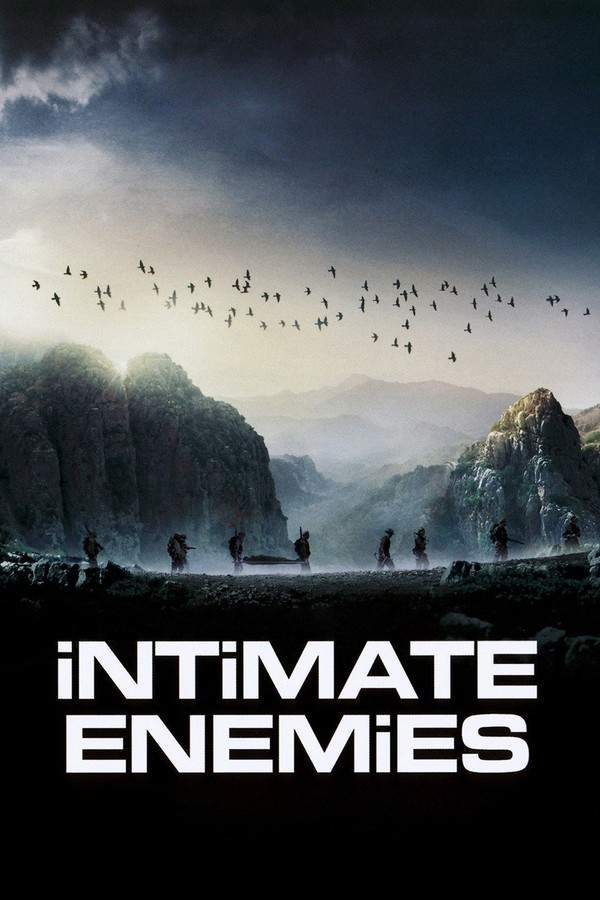
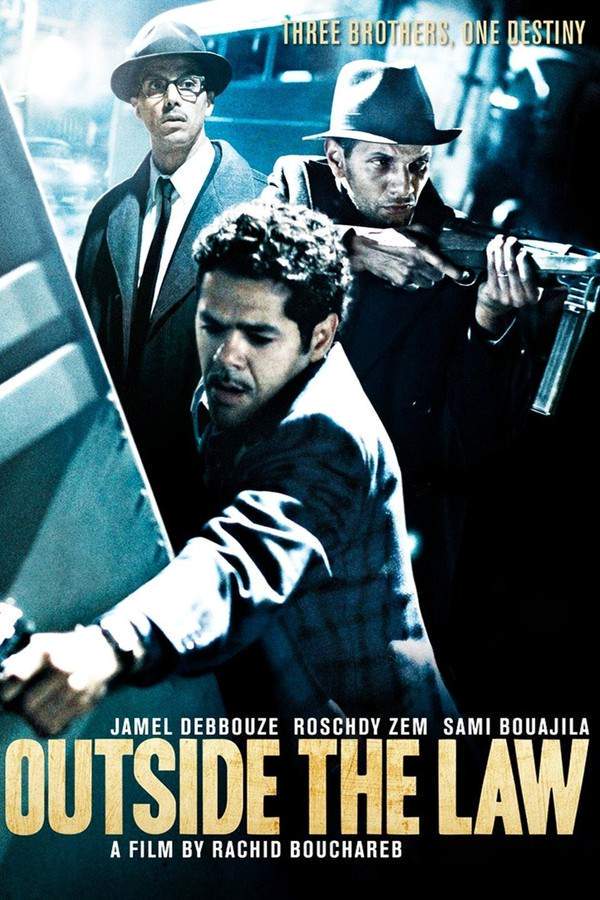
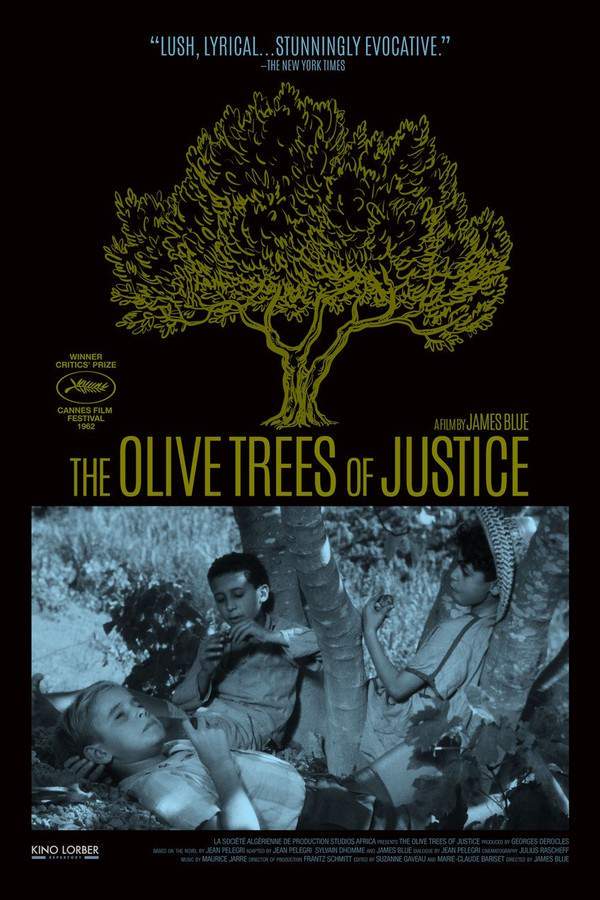
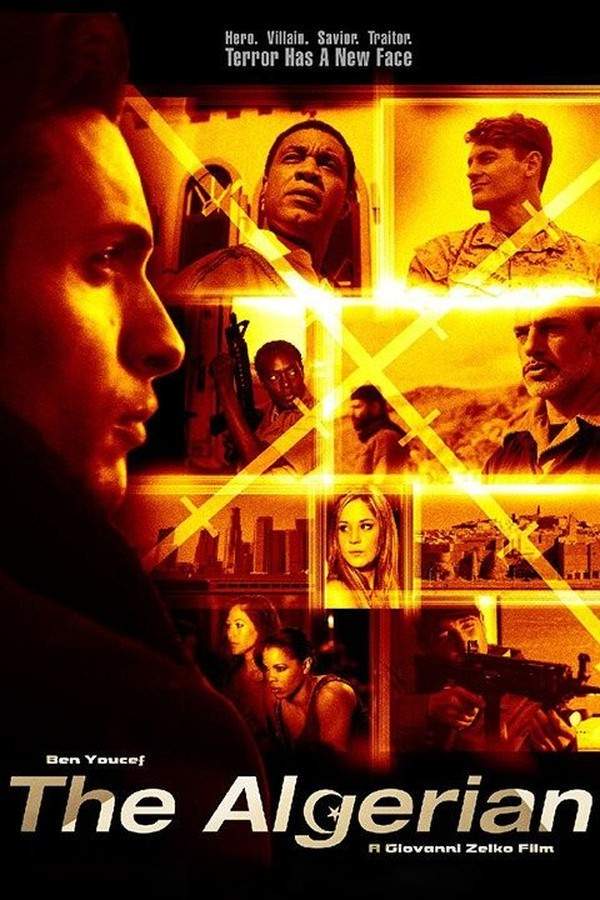
Similar Movies To The Battle of Algiers You Should Know About
Browse a curated list of movies similar in genre, tone, characters, or story structure. Discover new titles like the one you're watching, perfect for fans of related plots, vibes, or cinematic styles.






Quick Links: Summary, Cast, Ratings, More

What's After the Movie?
Not sure whether to stay after the credits? Find out!
Check out our other apps:

SAT Sphere
Build confidence for the Digital SAT.

Mori Atlas
Discover wild places worth protecting.

Luntero
Search smarter for a home in Amsterdam.

Plot Explained
Unravel movie endings and hidden clues.

Pokechamp
Dive into Pokémon data and battle logic.

Driving Theory
Get ready for your European theory test.

Movie Dust
Plan your next cinema trip with ease.

Musemap
Find art and culture as you travel.

Selkobase
Compare credentials before committing.

Local Manual
Turn an unfamiliar country into practical next steps.

Lernavi
Compare school systems before your next move.

GymRoam
Find a workout stop wherever your plans take you.
Explore Our Movie Platform
New Movie Releases (2026)
Famous Movie Actors
Top Film Production Studios
Movie Plot Summaries & Endings
Major Movie Awards & Winners
Best Concert Films & Music Documentaries
Movie Collections and Curated Lists
© 2026 What's After the Movie. All rights reserved.
Privacy Policy