What Is The Drum About?
The premise of The Drum in 276 words, with nothing given away. The full story follows below.
In the sun‑baked expanses of the Northwest Frontier, the British Raj’s outposts perch on a jagged line that separates empire from the untamed hills beyond. The landscape is a tapestry of dusty bazaars, fortified forts and ancient ruins, where the heat of the day and the chill of the night both echo with the low murmur of political intrigue. Against this backdrop, men from opposing worlds find themselves locked in a struggle for survival, while the women of the region navigate their own quests for love and agency amid the shifting sands of power.
At the heart of the story is Captain Carruthers, an undercover officer tasked with keeping fragile peace along the contested border. His sense of duty brings him into an uneasy alliance with the charismatic Prince Azim, the young son of a local king whose curiosity about the British way of life leads him to a surprising friendship with a drum‑boy from the garrison. Through music and shared confidences, the two form a bridge between cultures that hints at a deeper, unspoken solidarity.
Looming over these fragile connections is the presence of Prince Ghul, a ruler whose ambition and ruthless reputation cast a long shadow across the palace and the surrounding villages. His schemes threaten to upend the tentative accord, and it is the ancient Sacred Drum of Tokot—coupled with Azim’s growing sense of responsibility—that may become the quiet instrument of warning when the tension finally snaps. The film’s tone balances sweeping, epic vistas with intimate moments of cultural exchange, inviting the audience to feel the pulse of a world where honor, duty, and the rhythm of a drum echo through every heartbeat.
What Happens in The Drum?
The complete story of The Drum, from the first scene to the last, in 497 words (about 2 minutes). Spoilers throughout. Names in the text link to 5 cast member pages.
Spoilers ahead
During the British Raj, Captain Carruthers, Roger Livesey, operates undercover to track smuggled arms shipments along the restless Northwest Frontier of India, near the Durand Line that roughly marks the modern border between Afghanistan and Pakistan. He senses a potential full-scale rebellion brewing and, to forestall trouble, the regional governor signs a treaty with Tokot, a peaceable king who stands four days’ march north of Peshawar. The account notes that, in real life, the British held a fort at Abazai not far from Takht Bhai ruins. Carruthers’ mission unfolds against this backdrop of shifting loyalties, tense border politics, and a fragile balance of power, where every ally could become a liability and every informant could be a target.
Meanwhile, Prince Azim, Sabu, the king’s son, forms an unexpected friendship with Carruthers and with a British drummer boy named Bill Holder, Desmond Tester, who teaches him how to keep a steady beat on the drums. This bond offers a glimmer of unity across cultures and becomes a quiet source of courage amid looming danger. Azim’s world expands beyond royal duties as he learns about duty, honor, and the value of practical resilience from his new friends in the hill-locked outposts.
Trouble erupts when the king’s brother, Prince Ghul, Raymond Massey, murders the king and seizes the throne. Azim narrowly escapes the same fate thanks to two loyal retainers, and he and his guardians slip into hiding in Peshawar, where the British presence is strongest. The threat intensifies as one of Ghul’s men locates the prince and—the danger growing—inhabits a perilous space between arrest and assassination. Carruthers’ wife, Mrs. Carruthers, Valerie Hobson, intervenes to shield Azim, offering sanctuary even as the prince declines safety with outsiders, choosing instead to stay hidden among his own people.
The British envoy, Carruthers, is dispatched to negotiate with Ghul, who pretends to honor the treaty while secretly fanning the flames of rebellion. Behind the veneer of diplomacy, Ghul plots to kill Carruthers and his detachment on the festival’s final day to ignite a larger revolt. Azim, anxious to protect his allies, learns of the ambush and, despite the risk, tries to persuade the governor to change course. When his pleas fail, he resolves to risk his own life to warn his friends, demonstrating a steadfast willingness to act when the odds are stacked against them.
Azim’s warning triggers a race against time. After he returns home, the governor confirms the treacherous plot and orders four battalions to rush to the rescue. Azim’s sense of duty becomes a crucial lifeline for Carruthers and his men. In a dramatic turn, the prince manages to alert Carruthers to the impending massacre by sounding a danger signal on the Sacred Drum of Tokot, a moment that saves many British lives and tilts the balance in the besieged column’s favor. The ensuing battle ends with the death of Ghul, and Azim is ultimately installed as his replacement, signifying a precarious but hopeful new order in these contested lands.
The Drum Timeline: Every Key Event in Order
14 key events in the order they happen, from “Azim befriends Carruthers and Bill Holder” to “Historic sites as symbols of frontier memory”. 14 events name a place, across 10 locations.
- 1
Azim befriends Carruthers and Bill Holder
Prince Azim forms an unlikely bond with Captain Carruthers and the British drummer Bill Holder. Holder teaches him to play the drums, forging a friendship that will shape his choices later. Their companionship builds a bridge between Tokot and the British outpost on the volatile frontier.
When:early phase Where:Tokot
- 2
Abazai Fort frames the frontier backdrop
The British hold a fort at Abazai near the Takht Bhai ruins, illustrating their strategic foothold along the frontier. This outpost underscores the tense climate as arms smuggling and unrest threaten stability. Its presence provides crucial context for Carruthers' undercover mission.
When:background context Where:Abazai Fort vicinity (near Takht Bhai ruins)
- 3
Governor signs treaty with Tokot
To forestall a full-scale revolt, the governor signs a treaty with Tokot's king, seeking peace and cooperation. The agreement acknowledges Tokot as a key ally on the frontier. The move reveals the fragile balance of power in the region.
When:early phase Where:Tokot
- 4
Ghul murders the king and seizes the throne
Prince Ghul murders the king and usurps the throne, throwing Tokot into political chaos. Azim narrowly escapes a similar fate thanks to two loyal retainers. The coup destabilizes the region and deepens the danger facing Carruthers and his men.
When:shortly after the treaty Where:Tokot capital
- 5
Azim hides in Peshawar
Azim and his two loyal retainers flee the assassination and hide out in Peshawar, where the British are based. He remains in hiding among his own people, avoiding capture while danger looms. The arrangement keeps him out of Ghul's reach but separates him from his homeland.
When:soon after the coup Where:Peshawar
- 6
Carruthers is sent to negotiate with Ghul
Carruthers is dispatched to negotiate with Ghul, who feigns a desire to honor the treaty while orchestrating rebellion. The deceit sets the stage for a deadly confrontation between imperial forces and rebel factions. The negotiations become a front for Ghul's true plans.
When:before festival Where:Tokot
- 7
Ghul plans an ambush on the festival's last day
Ghul plots to kill Carruthers and his detachment on the last day of a festival, aiming to signal a full uprising. The timing is intended to maximize casualties and destabilize the frontier's defenses. The festival atmosphere becomes a trap that could rewrite the region's balance of power.
When:the festival's last day Where:Tokot festival site
- 8
Azim seeks to warn after learning of the ambush
Azim learns of the ambush and, unable to persuade the governor to change course, resolves to warn his British friends at risk to his own safety. His determination shows loyalty to both his people and their allies. The moment foreshadows his pivotal role in preventing a massacre.
When:before ambush Where:Tokot / route to British camp
- 9
Azim warns Carruthers with the Sacred Drum
Azim travels to reach Carruthers and uses the Sacred Drum of Tokot to sound a danger signal. The drum signal alerts the British forces to the impending massacre and prompts them to prepare defenses. The dramatic warning saves many lives and shifts the frontier's balance of power.
When:during ambush Where:Tokot area
- 10
Governor mobilizes four battalions for rescue
Following the warning, the governor receives confirmation of Ghul's plot and dispatches four battalions to the rescue. The relief forces rush toward the threatened detachment to stem the rebellion. The mobilization marks a turning point in the confrontation.
When:on the eve of massacre Where:Tokot
Show the other 4 events of The Drum Hide the last 4 events
- 11
Battle ensues and Ghul is killed
A fierce battle erupts as reinforcements arrive, and Ghul is killed in the fighting. His death collapses the leadership of the insurrection and restores some order to the frontier. The clash validates Azim's decision to warn and defend his allies.
When:day of ambush/battle Where:battlefield near Tokot
- 12
Azim is installed as Tokot's ruler
In the aftermath, Azim is installed as Ghul's replacement, signaling a new leadership for Tokot. His elevation secures a measure of stability in a volatile region and cements his bond with the British authorities. The crown's patience with Tokot's future is tested but hopeful.
When:after battle Where:Tokot capital
- 13
Post-conflict frontier peace and vigilance
With the rebellion quelled, the frontier enters a period of fragile peace. The British and Tokot maintain a wary alliance, aware that vigilance along the Durand Line is ongoing. The story closes on a note of cautious optimism.
When:post-conflict Where:Northwest Frontier / Tokot region
- 14
Historic sites as symbols of frontier memory
Takht Bhai ruins and Abazai Fort linger as symbols of colonial presence and frontier life in the region. The story connects historical geography to the characters' fates and the political landscape. The fortifications remind viewers of the persistent tension between empire and local sovereignty.
When:throughout Where:Takht Bhai ruins / Abazai Fort vicinity
Who Are the Main Characters in The Drum?
15 characters, among them Captain Carruthers (Roger Livesey), Mrs. Carruthers (Valerie Hobson) and Prince Azim (Sabu): who each one is and the part they play in the story. Every profile links to the actor’s page.
-
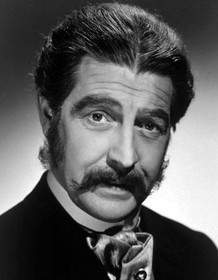
Captain Carruthers (Roger Livesey)
Played by Roger Livesey
An undercover British captain tasked with tracking arms shipments and preventing an uprising on the frontier. He remains disciplined and resourceful under pressure, earning the respect of both his men and some local allies. His sense of duty and willingness to take risks drive the action forward.
- 🗡️ Soldier
- 🎖️ Duty
- 🛡️ Leadership
-

Mrs. Carruthers (Valerie Hobson)
Played by Valerie Hobson
Carruthers's wife, a steady, compassionate presence who helps bridge British and local communities. She demonstrates courage and moral resolve in the face of danger. Her loyalty to her husband and to the people around her underscores the human cost of imperial conflict.
- ❤️ Compassion
- 🤝 Bridge-builder
- 🧭 Loyalty
-

Prince Azim (Sabu)
Played by Sabu
The king's son who befriends Carruthers and Bill Holder and learns about duty beyond royal prerogatives. He shows resourcefulness and moral courage, choosing to warn his friends of the ambush even at personal risk.
- 👑 Heir
- 🧭 Identity
- 🛡️ Ally
- PG
Prince Ghul (Raymond Massey)
Played by Raymond Massey
The king's brother who assassinates the king and schemes to overturn the throne. He embodies political cunning and the danger of rebellion, posing a direct threat to both the British forces and Tokot’s stability.
- ⚔️ Antagonist
- 🗡️ Conspiracy
- 👑 Usurper
-

Bill Holder (Desmond Tester)
Played by Desmond Tester
A British drummer boy who befriends Azim and introduces him to music as a bridge between cultures. He provides youthful energy and acts as a symbol of innocent solidarity on the frontier.
- 🥁 Drummer
- 🧒 Youth
- 🛡️ Friend
-
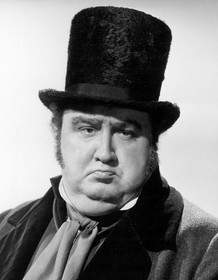
Governor (Francis L. Sullivan)
Played by Francis L. Sullivan
The British official who signs the treaty with Tokot and oversees efforts to forestall rebellion. He must balance diplomacy with military necessity and face the consequences of a traitorous plot.
- 🏛️ Authority
- 🗺️ Diplomacy
- 🔒 Governance
- MG
Major Gregoff (Ronald Adam)
Played by Ronald Adam
A senior military officer supporting the governor’s efforts to counter the rebellion and coordinate the relief response. He represents the disciplined, strategic side of the campaign.
- 🎖️ Officer
- 🪖 Strategy
- 🗡️ Duty
- LE
Lieut. Escott (David Tree)
Played by David Tree
A lieutenant who participates in the frontier operations and interacts with Carruthers and Azim. He embodies the procedural, rule-bound side of the mission.
- 🕊️ Lieutenant
- 🗺️ Strategy
- 🗡️ Duty
- W(
Wafadar (Roy Emerton)
Played by Roy Emerton
A loyal guard figure on the frontier who represents the local forces aligned with Tokot and the stability of the king’s regime.
- 🛡️ Guard
- 🗡️ Loyal
- 🗺️ Frontier
- M(
Mullah (Michael Martin Harvey)
Played by Michael Martin Harvey
A local religious figure or advisor whose presence reflects the cultural and social landscape of Tokot’s region.
- 🕌 Cleric
- 🗨️ Advisor
- Z(
Zarullah (Laurence Baskcomb)
Played by Laurence Baskcomb
A court or political figure within Tokot’s sphere who exerts influence over events behind the scenes.
- 🗡️ Rebel
- 👑 Courtier
- MB
Major Bond (Archibald Batty)
Played by Archibald Batty
A military officer involved in the broader operations around the frontier conflict.
- 🎖️ Commander
- 🗡️ Duty
- MK
Mohammed Khan (Amid Taftazani)
Played by Amid Taftazani
A local nobleman whose role reflects Tokot’s political structure and intrigue at court.
- 👑 Noble
- 🗺️ Political
- DM
Dr. Murphy (Frederick Culley)
Played by Frederick Culley
The doctor tending to injured soldiers and civilians amid the frontier battles, providing medical aid and counsel.
- 🩺 Doctor
- 🧪 Science
- H(
Herrick (Martin Walker)
Played by Martin Walker
A secondary figure in the frontier context who participates in the tense dynamic of the campaign.
- 🕵️ Investigator
- 🛡️ Support
Where and When Is The Drum Set?
The Drum is set in Northwest Frontier of India, Peshawar, Tokot and Durand Line (British Raj era). Here is why the time and place matter to the story.
When
British Raj era
The story takes place during the British colonial era when imperial authorities governed large parts of India and negotiated treaties with local kingdoms. Frontier conflicts and political intrigue were common as the empire sought to maintain control over volatile borders. The action centers on a treaty with Tokot and the looming threat of rebellion, set against the backdrop of imperial administration in the late 19th to early 20th century.
Where
Northwest Frontier of India, Peshawar, Tokot, Durand Line
The film unfolds on the volatile Northwest Frontier of British India, near the Durand Line that separates imperial lands from tribal territories. Key locations include the frontier town of Peshawar and the kingdom of Tokot, described as four days’ march north of Peshawar. The region is rugged and politically tense, known for its tribal loyalties, forts, and colonial outposts.
- 🏔️ Frontier
- 🕊️ Colonialism
- 🗺️ Borderlands
What Are the Themes of The Drum?
4 ideas the story keeps returning to, among them Duty, Loyalty and Identity.
-
01
Duty
Duty drives decisions on both sides of the frontier. British officers balance personal risk with the mission to maintain order, while local leaders navigate obligations to their people. The film shows how steadfast duty can propel courageous acts and hard choices. This theme threads through negotiations, ambushes, and the final defense of those under threat.
-
02
Loyalty
Loyalty tests loyalties: Ghul pretends to honor the treaty while engineering rebellion, and Azim remains loyal to his people while seeking a peaceful path. Carruthers and Azim forge a fragile alliance across cultural lines. The narrative explores how loyalty can be a source of strength and a catalyst for sacrifice. Choice and trust are pushed to the limit under siege and suspicion.
-
03
Identity
Azim embodies a cross-cultural identity, caught between his royal duties and his friendship with the British officer. He chooses to risk his life to warn friends, signaling his personal sense of belonging beyond lineage. The story suggests that identity can bridge worlds rather than force a split. The frontier setting heightens the stakes of that struggle.
-
04
Courage
Courage is shown in decisive actions under imminent danger, from the drum signal that saves lives to the frontline defense against the rebels. Carruthers and Azim push through fear to avert massacre and save as many as possible. The final battle tests resolve, rewarding bravery with a fragile peace and a new allegiance.
What Kind of Film Is The Drum?
Tense in tone, with steady pacing and a straightforward story, going by the plot summary.
- Tone
- Tense
- Pacing
- Steady
- Story
- Straightforward
- Intensity
- Medium
- Ending
- Happy
A steady-paced, tense adventure set against the political unrest of the British Raj, where cross-cultural friendships and courageous acts of loyalty provide a hopeful counterpoint to the ever-present threat of betrayal and massacre.
- tense
- suspenseful
- hopeful
- dramatic
- loyal
- treacherous
- colonial rebellion
- political intrigue
- friendship across cultures
- duty and honor
Content notes: political assassination, war violence, child endangerment.
Quiz
How well do you remember The Drum? Test yourself on the story.