What Is The Virgin and the Gypsy About?
The premise of The Virgin and the Gypsy in 340 words, with nothing given away. The full story follows below.
In the quiet, stone‑faced rectory of a Midlands parish, a young woman returns from a French finishing school to a world shaped by sermons, strict etiquette, and the ever‑present weight of her father’s expectations. The house, with its heavy curtains and restrained conversations, feels both sanctuary and cage for Yvette, a minister’s daughter who has been taught to measure the world in verses of prayer and propriety. The surrounding village, a tapestry of modest cottages and bustling parish gatherings, hints at a life lived under the watchful eye of tradition, where every smile seems rehearsed and every departure is a quiet sigh.
Within those walls, Lucille, Yvette’s sister, shares the cramped intimacy of sisterhood, while the rector—their father—presides with a solemn devotion that leaves little room for doubt or deviation. A prim aunt, Aunt Cissie, and a stern grandmother keep order with an iron‑clad courtesy, their presence a reminder that the family’s reputation rests on unbroken decorum. Yet beyond the rectory’s doors, a different rhythm pulses through the countryside: the occasional murmur of a nearby river, the rustle of fields, and the ever‑present whisper of a community that both admires and fears the unknown.
The arrival of a charismatic gypsy caravan on the outskirts of town introduces a stark contrast to Yvette’s sheltered existence. The gypsy, with his fierce eyes and a voice that speaks of a heaven beyond the church’s vaulted ceilings, offers an alluring glimpse of a world where desire is not measured by doctrine but by raw, untamed feeling. His wife, equally enigmatic, murmurs of fate and water—a motif that quietly reverberates through the landscape, echoing the inner currents stirring within Yvette.
The film unfolds with a restrained, lyrical tone, capturing the tension between duty and longing, the muted colors of a disciplined life against the vivid, almost mythic allure of something beyond. Its atmosphere is one of simmering curiosity, where every polite conversation hints at deeper unrest, and the promise of an undiscovered “heaven” lingers like the distant rush of a river waiting to be heard.
What Happens in The Virgin and the Gypsy?
The complete story of The Virgin and the Gypsy, from the first scene to the last, in 849 words (about 4 minutes). Spoilers throughout. Names in the text link to 4 cast member pages.
Spoilers ahead
Based on a 1928 novella by D. H. Lawrence, published posthumously in 1930, the film follows Yvette Joanna Shimkus, who, with her sister Lucille Harriet Harper, returns from the relative freedom of a French finishing school to their home, a gloomy rectory in the Midlands. The atmosphere at home is heavy with expectation and tradition: a pedantic father, a prim maiden aunt, Aunt Cissie Kay Walsh, and a seemingly tired grandmother who rules the house with a quiet, iron-fisted authority. Yvette’s world is narrowed to a few steady contacts—the quiet Uncle Fred [Norman Bird], the housemaid Mary [Jan Chappell], and her sister Lucille—while the rest of the parish buzzes with social pretense and small ambitions.
From the moment Yvette steps back into the rectory, she feels confined not only by the family’s rigid codes but also by the shallow, earnest circle of local politeness. Among the parish’s bright young things is Leo Wetherall [Jeremy Bulloch], the son of a local industrialist, who finds himself drawn to Yvette’s vitality and restlessness. Their flirtations are light at first, a promenade of social games and expectations, until a chance encounter on a car ride with Leo and his friends leads them to a distant and more primal sight—the gypsy encampment on the outskirts of town, where a dark, enigmatic man [Franco Nero] and his wife [Imogen Hassall] preside over a world that feels both alluring and dangerous to Yvette. The gypsy’s wife speaks of fate and of a voice that comes from water, a line that plants a seed of doubt and curiosity in Yvette about the limits of her life and the power of the unknown.
Back in the rectory, the grown-up world leaks into Yvette’s view through new friendships. Mrs. Fawcett [Honor Blackman], a neighbor with a lover, Major Eastwood [Mark Burns], refuses to submit to conventional propriety, and their audacious defiance draws Yvette’s attention. The couple’s frank, carefree energy feels like a mirage of freedom compared to the stern, orderly life she’s known, and Yvette begins to see a path that might lie beyond her father’s pious expectations. Their influence deepens when Yvette observes how Eastwood’s world looks different—less constrained, more alive—yet her father’s disapproval grows louder, and he even refuses to admit the Eastwoods to a charity concert Yvette has organized for the church.
In a bold act of rebellion, Yvette redirects the money raised at the concert to the gypsies, testing the boundaries of loyalty, duty, and desire. The rector, sensing that something fundamental has shifted in his daughter, issues a stern warning: change your ways or lose the chance to chart your own life. The threat lands with weight, and for a moment, Yvette steps back from the brink, saying farewell to the Eastwoods as she contemplates the consequences of her choices. But curiosity and longing pull at her again as she returns to the gypsy encampment, and one night she glimpses a troubling truth—she discovers the gypsy and Mary engaged in an intimate moment in a nearby barn, a sight that makes the romance of the gypsy world feel suddenly visceral and real, not a fantasy.
The tension comes to a head during Leo’s 21st birthday party. In front of a room full of guests, Yvette confronts Leo and asserts her independence by slapping him, denying him the judgment he assumes he is owed in their relationship. The moment marks a watershed in Yvette’s awakening, as she confronts not just Leo’s privilege but the entire social script that has tried to prescribe her life. The film builds toward a final, liberating resolution brought by the old refrain—the voice of the water—delivering a denouement that reframes Yvette’s journey from rebellion to a newly discovered sense of self, one that blends desire, autonomy, and the complexities of adult choice.
Throughout this intimate drama, the cast threads together a tense tapestry of family duty, class constraints, and female agency. Yvette’s world is a tightly wound circle of family and parish life, punctuated by moments of dangerous allure and unsettling truth. The relationships—between Yvette Joanna Shimkus and Lucille Harriet Harper; between the rector Maurice Denham and his daughter; and between the younger generation and the gypsy world—are drawn with care, hinting at the larger, enduring conflicts of desire versus propriety. The film does not shy away from showing how the figures of authority—the father, the aunt, the grandmother—try to preserve a status quo that’s increasingly difficult to sustain in the face of attraction, curiosity, and the pull of something beyond the familiar.
As the narrative unfolds, the viewer is invited to reflect on how rebellion, once sparked, can illuminate unspoken yearnings and shift the balance of power within a household. The voice of the water motif, introduced by the gypsy and echoed in the final act, serves as a symbolic hinge for Yvette’s evolving sense of self—an invitation to listen to inner currents rather than external dictates. The film’s mood—tender, restrained, and poignantly unsentimental—keeps the focus on character, choice, and the uneasy steps toward adult freedom, rather than on melodrama, while still delivering a richly textured, emotionally resonant experience.
The Virgin and the Gypsy Timeline: Every Key Event in Order
11 key events in the order they happen, from “Yvette and Lucille return to the Midlands rectory” to “The voice of the water and the liberating ending”. 10 events name a place, across 10 locations.
- 1
Yvette and Lucille return to the Midlands rectory
Yvette and her sister Lucille return from the relative freedom of a French finishing school to their gloomy family home. The rectory atmosphere is tense from the start, with the pedantic father, the prim aunt Cissie, and the aging grandmother exerting strict control. Yvette begins to feel the weight of this domestic prison and limited contact with Mary and Uncle Fred.
When:beginning Where:Midlands rectory
- 2
Family tensions cage Yvette
The rector and other relatives scrutinize Yvette’s behavior, isolating her from the social life of the village. The house becomes a battleground for authority, tradition, and Yvette’s growing restlessness. The sense of imprisonment deepens as she navigates the oppressive rules of the home.
When:early stage Where:Rectory, Midlands
- 3
Car ride with Leo and the gypsy encounter
During a frivolous car ride with Leo Wetherall and friends, a gypsy stops them and offers fortunes. The gypsy’s wife tells Yvette to beware of the voice of the water, an omen that unsettles her. The encounter plants the first seeds of Yvette’s fascination with the gypsy and his world.
When:during the car ride Where:On the road
- 4
Return to the gypsy encampment
The following week, Yvette revisits the gypsy encampment and meets the gypsy’s wife who reinforces the omen with a fortunetelling. The encounter leaves a lasting impression on Yvette, deepening her curiosity and sense of rebellious possibility. She begins to view the gypsy and his world as more than childish fantasy.
When:the following week Where:Gypsy encampment
- 5
New friendship with the Eastwoods
Back at the encampment, Yvette befriends Mrs Fawcett and her lover Major Eastwood, whose defiance of social convention fascinates her. Their camaraderie challenges the rectory’s conservative norms and makes Yvette rethink her own restrictions. The rector’s disapproval of the Eastwoods grows, foreshadowing conflict with the family.
When:the following week Where:Encampment / parish
- 6
The concert and the gypsy revenge
Yvette organizes a church fundraiser concert, drawing attention from the parish and testing her father’s limits. He refuses to admit the Eastwoods to the event, exposing the clash between Yvette’s rebellion and his authority. She ends up giving the funds raised to the gypsies, turning her protest into a calculated act of revenge.
When:before confrontation with rector Where:Rectory church / parish venue
- 7
Rector’s threat and ban on the Eastwoods
Recognizing the signs of rebellion, the rector threatens Yvette if she does not reform and forbids her from seeing the Eastwoods again. The home becomes even more emotionally strained as Yvette confronts the limits of her independence. The threat marks a turning point toward a more decisive break with the family’s control.
When:after concert Where:Rectory
- 8
Farewell to the Eastwoods
Defying the rector’s restrictions, Yvette says goodbye to the Eastwoods and they discuss her relationship with the gypsy. She faces the reality behind her fantasies and must choose how to navigate her own desires within the family’s expectations. The exit deepens the rift with her father but also sharpens her sense of self.
When:after ban Where:Rectory / village
- 9
Discovery in the barn
On her way home by bike, Yvette sees the gypsy’s horse tethered to an old barn door. Inside, she briefly witnesses the gypsy with Mary, realizing the man is a real, tangible figure rather than a mere fantasy. This revelation confronts her with the adult dimensions of desire and power.
When:on the way home Where:Old barn
- 10
Leo’s 21st birthday and a public rebuke
At Leo Wetherall’s 21st birthday party, Yvette publicly slaps him, denying him what he assumes is his right to marry her. The act marks a decisive break from social expectations and demonstrates Yvette’s agency. The party scene intensifies the social pressures surrounding her relationships.
When:during the party Where:Leo’s birthday party
- 11
The voice of the water and the liberating ending
As the story reaches its denouement, the voice of the water delivers a liberating, revelatory conclusion. Yvette’s internal tensions reach a threshold, reframing her as someone who asserts independence beyond the rectory’s constraints. The film closes on a note of ambiguous liberation rather than a tidy resolution.
When:end of the film
Who Are the Main Characters in The Virgin and the Gypsy?
8 characters, among them Yvette (Joanna Shimkus), Lucille (Harriet Harper) and The Gypsy (Franco Nero): who each one is and the part they play in the story. Every profile links to the actor’s page.
- Y(
Yvette (Joanna Shimkus)
Played by Joanna Shimkus
Yvette is a young woman returning from a French finishing school who feels stifled by the Midlands rectory’s rigid rules. She is drawn to the Gypsy’s wildness and to the possibility of freedom offered by the Eastwoods, challenging her father’s authority. Her awakening culminates in a decisive act of rebellion when she slaps Leo at his 21st birthday party.
- 💃 Free Spirit
- 🗝️ Rebellion
- 🌹 Self-Discovery
- L(
Lucille (Harriet Harper)
Played by Harriet Harper
Lucille is Yvette’s sister, more reserved and bound by the rectory’s expectations. She provides a stabilizing counterpoint to Yvette’s restlessness and mirrors the tension between sisterly loyalty and the lure of social defiance.
- 👭 Sister Bond
- 🧭 Conformity
- 🌸 Innocence
-

The Gypsy (Franco Nero)
Played by Franco Nero
The Gypsy is a dark, arrogant man of few words who embodies a counterculture that unsettles the rectory’s order. His presence invites Yvette to imagine freedom beyond church and family, while his wife’s fortune-telling adds a mystique of danger and revelation.
- ⚜️ Charisma
- 🌀 Enigma
- 🔥 Danger
- TR
The Rector (Maurice Denham)
Played by Maurice Denham
The Rector is a pedantic guardian of tradition who prizes church order over personal happiness. He disapproves of the Eastwoods and attempts to keep Yvette within the bounds of propriety, heightening the drama as authority clashes with desire.
- 🧭 Conservatism
- 🗳️ Authority
- ⚖️ Discipline
- LW
Leo Wetherall (Jeremy Bulloch)
Played by Jeremy Bulloch
Leo is the wealthy, entitled son of an industrialist who believes he has the right to marry Yvette. His confidence and social privilege expose the cracks in the social hierarchy, and his authority is challenged when Yvette publicly rebukes him at his birthday celebration.
- 💎 Privilege
- 🎭 Vanity
- 🗣️ Charm
- ME
Major Eastwood (Mark Burns)
Played by Mark Burns
Major Eastwood is a defiant, socially liberal figure who defies the parish’s conventions through his affair with Mrs Fawcett. He offers Yvette a model of independence and a sense of possibility beyond the rectory’s walls.
- 🎖️ Nobility
- 🕊️ Rebellion
- 💔 Forbidden Love
-
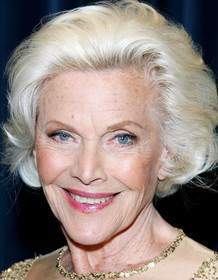
Mrs Fawcett (Honor Blackman)
Played by Honor Blackman
Mrs Fawcett is a neighbor who flouts convention through her affair with Major Eastwood, embodying a more liberated social circle. She acts as a catalyst for Yvette’s exploration of desire and autonomy, signaling that life beyond the rectory is possible.
- 💋 Secret Love
- 🗝️ Defiance
- 🏛️ Social Pressure
- M(
Mary (Jan Chappell)
Played by Jan Chappell
Mary is the housemaid who becomes entangled in the gypsy’s world. Her presence adds a layer of adult sexuality and complexity to the household dynamics, illuminating the film’s exploration of desire and power within unequal social spaces.
- 🔎 Witness
- 🧹 Domestic Life
- ⚡ Temptation
Where and When Is The Virgin and the Gypsy Set?
The Virgin and the Gypsy is set in Midlands rectory, Gypsy encampment and Parish of the village (1920s). Here is why the time and place matter to the story.
When
1920s
The events unfold in the late 1920s Britain, a period when rural communities clung to propriety even as modern ideas began to seep in through travel and contact with outsiders. It is an era marked by lingering class codes, gender norms, and social expectations within small-town life. The interwar atmosphere provides a backdrop for personal awakenings and the tension between duty and desire.
Where
Midlands rectory, Gypsy encampment, Parish of the village
The story centers on a gloomy rectory in the Midlands, a symbol of rigid tradition and church oversight. Nearby, a travelling Gypsy encampment introduces a contrasting world of freedom and improvisation. The setting juxtaposes the provincial domestic sphere with the tented, nomadic life that represents a different kind of vitality.
- 🏰 Rural England
- 🏡 Midlands rectory
- 🧭 Gypsy encampment
What Are the Themes of The Virgin and the Gypsy?
4 ideas the story keeps returning to, among them Rebellion, Class and Agency.
-
01
Rebellion
Rebellion against stifling propriety drives the plot as Yvette wrestles with the rectory’s rules and the parish’s expectations. The narrative shows how quiet defiance can destabilize a tightly controlled domestic world. Each act of transgression tests loyalty, piety, and family bonds, culminating in a bold confrontation that reshapes relationships.
-
02
Class
Class boundaries structure who may pursue whom and who is deemed acceptable company. The Eastwoods and the Gypsy encampment challenge the parish’s corridor of status, exposing gaps between wealth, power, and personal desire. Yvette’s choices push against the social codes that govern the rectory and church life.
-
03
Agency
The characters seek autonomy within constraining roles, using intimate relationships to carve out space for personal choice. Their decisions confront male authority and religious oversight, reframing agency as a form of self-definition rather than mere rebellion. The arc portrays growth through courageous, if controversial, self-assertion.
-
04
Fantasy
Fortune-telling and the Gypsy encampment evoke a sense of fantasy that contrasts with the rectory’s dour reality. Yvette’s fantasies of love and freedom clash with communal verdicts, highlighting the pull between dream and duty. The final revelations offer a liberating counterpoint to strict propriety.
What Kind of Film Is The Virgin and the Gypsy?
Melancholic in tone, with slow pacing and a moderate story, going by the plot summary.
- Tone
- Melancholic
- Pacing
- Slow
- Story
- Moderate
- Intensity
- Medium
- Ending
- Bittersweet
A restrained and melancholic period drama that charts a young woman's sensual and intellectual awakening against a backdrop of oppressive family expectations and societal rigidity, culminating in a bittersweet liberation.
- restrained
- claustrophobic
- yearning
- introspective
- sensual
- somber
- coming of age
- sexual awakening
- family duty
- class conflict
Content notes: female nudity, family abandonment.
Quiz
How well do you remember The Virgin and the Gypsy? Test yourself on the story.
Where to Watch The Virgin and the Gypsy
. US availability and prices from JustWatch.
Streaming availability in the US, powered by