The Virgin and the Gypsy 1970


A minister’s daughter, raised on her father's teachings of God, meets a charismatic gypsy who introduces her to a different notion of heaven. Adapted from D.H. Lawrence’s posthumously published novel, the film follows the prim English girl’s growing sexual attraction to the vigorous gypsy, culminating in a dramatic dam burst that mirrors the fulfillment of her longing.


Does The Virgin and the Gypsy have end credit scenes?
No!
The Virgin and the Gypsy does not have end credit scenes. You can leave when the credits roll.
Meet the Full Cast and Actors of The Virgin and the Gypsy
Explore the complete cast of The Virgin and the Gypsy, including both lead and supporting actors. Learn who plays each character, discover their past roles and achievements, and find out what makes this ensemble cast stand out in the world of film and television.
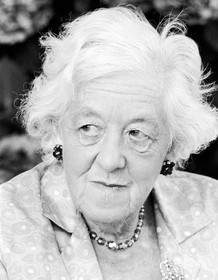
Margaret Rutherford
Grandma (scenes deleted)
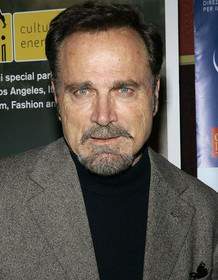
Franco Nero
The gypsy
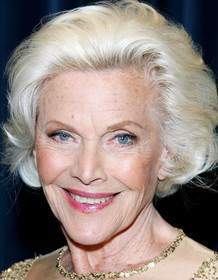
Honor Blackman
Mrs. Fawcett

Kay Walsh
Aunt Cissie
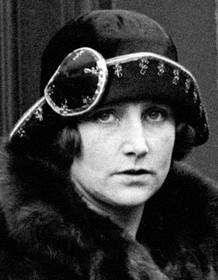
Fay Compton
Grandma

Norman Bird
Uncle Fred
Mark Burns
Major Eastwood
Maurice Denham
The Rector
Jeremy Bulloch
Leo
Imogen Hassall
The Gypsy's Wife
Joanna Shimkus
Yvette
Jan Chappell
Mary
Helen Booth
Cook
Harriet Harper
Lucille
Ray Holder
Bob
Margo Andrew
Ella
Laurie Dale
Thomas
Jonathan Hall
Gypsy Baby
Lulu Davies
Gypsy Grandmother
External Links and Streaming Options
Discover where to watch The Virgin and the Gypsy online, including streaming platforms, rental options, and official sources. Compare reviews, ratings, and in-depth movie information across sites like IMDb, TMDb, Wikipedia or Letterboxd.





Take the Ultimate The Virgin and the Gypsy Movie Quiz
Challenge your knowledge of The Virgin and the Gypsy with this fun and interactive movie quiz. Test yourself on key plot points, iconic characters, hidden details, and memorable moments to see how well you really know the film.
The Virgin and the Gypsy (1970) Quiz: Test your knowledge of the 1970 British drama "The Virgin and the Gypsy" with these ten multiple‑choice questions ranging from easy to challenging.
Which actress portrays the lead character Yvette?
Full Plot Summary and Ending Explained for The Virgin and the Gypsy
Read the complete plot summary of The Virgin and the Gypsy, including all major events, twists, and the full ending explained in detail. Explore key characters, themes, hidden meanings, and everything you need to understand the story from beginning to end.
Based on a 1928 novella by D. H. Lawrence, published posthumously in 1930, the film follows Yvette Joanna Shimkus, who, with her sister Lucille Harriet Harper, returns from the relative freedom of a French finishing school to their home, a gloomy rectory in the Midlands. The atmosphere at home is heavy with expectation and tradition: a pedantic father, a prim maiden aunt, Aunt Cissie Kay Walsh, and a seemingly tired grandmother who rules the house with a quiet, iron-fisted authority. Yvette’s world is narrowed to a few steady contacts—the quiet Uncle Fred [Norman Bird], the housemaid Mary [Jan Chappell], and her sister Lucille—while the rest of the parish buzzes with social pretense and small ambitions.
From the moment Yvette steps back into the rectory, she feels confined not only by the family’s rigid codes but also by the shallow, earnest circle of local politeness. Among the parish’s bright young things is Leo Wetherall [Jeremy Bulloch], the son of a local industrialist, who finds himself drawn to Yvette’s vitality and restlessness. Their flirtations are light at first, a promenade of social games and expectations, until a chance encounter on a car ride with Leo and his friends leads them to a distant and more primal sight—the gypsy encampment on the outskirts of town, where a dark, enigmatic man [Franco Nero] and his wife [Imogen Hassall] preside over a world that feels both alluring and dangerous to Yvette. The gypsy’s wife speaks of fate and of a voice that comes from water, a line that plants a seed of doubt and curiosity in Yvette about the limits of her life and the power of the unknown.
Back in the rectory, the grown-up world leaks into Yvette’s view through new friendships. Mrs. Fawcett [Honor Blackman], a neighbor with a lover, Major Eastwood [Mark Burns], refuses to submit to conventional propriety, and their audacious defiance draws Yvette’s attention. The couple’s frank, carefree energy feels like a mirage of freedom compared to the stern, orderly life she’s known, and Yvette begins to see a path that might lie beyond her father’s pious expectations. Their influence deepens when Yvette observes how Eastwood’s world looks different—less constrained, more alive—yet her father’s disapproval grows louder, and he even refuses to admit the Eastwoods to a charity concert Yvette has organized for the church.
In a bold act of rebellion, Yvette redirects the money raised at the concert to the gypsies, testing the boundaries of loyalty, duty, and desire. The rector, sensing that something fundamental has shifted in his daughter, issues a stern warning: change your ways or lose the chance to chart your own life. The threat lands with weight, and for a moment, Yvette steps back from the brink, saying farewell to the Eastwoods as she contemplates the consequences of her choices. But curiosity and longing pull at her again as she returns to the gypsy encampment, and one night she glimpses a troubling truth—she discovers the gypsy and Mary engaged in an intimate moment in a nearby barn, a sight that makes the romance of the gypsy world feel suddenly visceral and real, not a fantasy.
The tension comes to a head during Leo’s 21st birthday party. In front of a room full of guests, Yvette confronts Leo and asserts her independence by slapping him, denying him the judgment he assumes he is owed in their relationship. The moment marks a watershed in Yvette’s awakening, as she confronts not just Leo’s privilege but the entire social script that has tried to prescribe her life. The film builds toward a final, liberating resolution brought by the old refrain—the voice of the water—delivering a denouement that reframes Yvette’s journey from rebellion to a newly discovered sense of self, one that blends desire, autonomy, and the complexities of adult choice.
Throughout this intimate drama, the cast threads together a tense tapestry of family duty, class constraints, and female agency. Yvette’s world is a tightly wound circle of family and parish life, punctuated by moments of dangerous allure and unsettling truth. The relationships—between Yvette Joanna Shimkus and Lucille Harriet Harper; between the rector Maurice Denham and his daughter; and between the younger generation and the gypsy world—are drawn with care, hinting at the larger, enduring conflicts of desire versus propriety. The film does not shy away from showing how the figures of authority—the father, the aunt, the grandmother—try to preserve a status quo that’s increasingly difficult to sustain in the face of attraction, curiosity, and the pull of something beyond the familiar.
As the narrative unfolds, the viewer is invited to reflect on how rebellion, once sparked, can illuminate unspoken yearnings and shift the balance of power within a household. The voice of the water motif, introduced by the gypsy and echoed in the final act, serves as a symbolic hinge for Yvette’s evolving sense of self—an invitation to listen to inner currents rather than external dictates. The film’s mood—tender, restrained, and poignantly unsentimental—keeps the focus on character, choice, and the uneasy steps toward adult freedom, rather than on melodrama, while still delivering a richly textured, emotionally resonant experience.

Coming soon on iOS and Android
The Plot Explained Mobile App
From blockbusters to hidden gems — dive into movie stories anytime, anywhere. Save your favorites, discover plots faster, and never miss a twist again.
Sign up to be the first to know when we launch. Your email stays private — always.
Explore the mobile appDiscover Film Music Concerts Near You – Live Orchestras Performing Iconic Movie Soundtracks
Immerse yourself in the magic of cinema with live orchestral performances of your favorite film scores. From sweeping Hollywood blockbusters and animated classics to epic fantasy soundtracks, our curated listings connect you to upcoming film music events worldwide.
Explore concert film screenings paired with full orchestra concerts, read detailed event information, and secure your tickets for unforgettable evenings celebrating legendary composers like John Williams, Hans Zimmer, and more.


Cars Featured in The Virgin and the Gypsy
Explore all cars featured in The Virgin and the Gypsy, including their makes, models, scenes they appear in, and their significance to the plot. A must-read for car enthusiasts and movie buffs alike.
The Virgin and the Gypsy Themes and Keywords
Discover the central themes, ideas, and keywords that define the movie’s story, tone, and message. Analyze the film’s deeper meanings, genre influences, and recurring concepts.

Unlock the World of Movies with Our Comprehensive Wiki
Dive into our Movie Wiki for in-depth film encyclopedia entries, including cast biographies, production trivia, plot synopses, behind-the-scenes facts, and thematic analyses. Whether you’re researching iconic directors, exploring genre histories, or discovering hidden easter eggs, our expertly curated movie database has everything you need to fuel your cinematic passion.
Similar Movies To The Virgin and the Gypsy You Should Know About
Browse a curated list of movies similar in genre, tone, characters, or story structure. Discover new titles like the one you're watching, perfect for fans of related plots, vibes, or cinematic styles.


Quick Links: Summary, Cast, Ratings, More

What's After the Movie?
Not sure whether to stay after the credits? Find out!
Check out our other apps:

SAT Sphere
Build confidence for the Digital SAT.

Mori Atlas
Discover wild places worth protecting.

Luntero
Search smarter for a home in Amsterdam.

Plot Explained
Unravel movie endings and hidden clues.

Pokechamp
Dive into Pokémon data and battle logic.

Driving Theory
Get ready for your European theory test.

Movie Dust
Plan your next cinema trip with ease.

Musemap
Find art and culture as you travel.

Selkobase
Compare credentials before committing.

Local Manual
Turn an unfamiliar country into practical next steps.

Lernavi
Compare school systems before your next move.

GymRoam
Find a workout stop wherever your plans take you.
Explore Our Movie Platform
New Movie Releases (2026)
Famous Movie Actors
Top Film Production Studios
Movie Plot Summaries & Endings
Major Movie Awards & Winners
Best Concert Films & Music Documentaries
Movie Collections and Curated Lists
© 2026 What's After the Movie. All rights reserved.
Privacy Policy