What Is Priest of Love About?
The premise of Priest of Love in 292 words, with nothing given away. The full story follows below.
In the restless wake of the First World War, D.H. Lawrence and his fiercely independent wife Frieda have forged a partnership that feels as volatile and urgent as the prose he writes. Their love is set against a world rattled by censorship, national suspicion, and the clash between artistic idealism and societal restraint. The couple’s bohemian existence in rural England is tinged with both sensual freedom and the looming threat of moral repression, establishing a tone that balances lyrical romance with a sharp, almost palpable tension.
When Lawrence’s work is condemned and his books are publicly burned, the pair embarks on a restless odyssey that carries them across the Atlantic. Invited by the magnetic patron Mabel Dodge Luhan, they find themselves amid the raw desert of New Mexico, later drifting further south into the colorful, sun‑baked landscape of Mexico. The journey is as much an inner pilgrimage as an escape, with the couple confronting a precarious health diagnosis that adds an undercurrent of fragility to their otherwise fierce devotion. Their bond is tested and deepened by the constant search for new inspiration, companionship, and a place where love and creativity can truly breathe.
Eventually the restless pair settles in the sun‑drenched hills of Tuscany, where the Mediterranean light seems to coax Lawrence back into a period of prolific creation. In this idyllic yet still unsettled setting, the couple’s tumultuous romance becomes the very heartbeat of his most daring novel, a work that promises to ignite further controversy. The film lingers on the sensual interplay of art and affection, painting a portrait of two lovers whose lives are as turbulent and transcendent as the literature they produce, leaving audiences to wonder how far love can push the boundaries of both heart and imagination.
What Happens in Priest of Love?
The complete story of Priest of Love, from the first scene to the last, in 672 words (about 3 minutes). Spoilers throughout. Names in the text link to 7 cast member pages.
Spoilers ahead
At the start of the Great War in 1914, D.H. Lawrence and his new wife Frieda Lawrence are living a bohemian life in rural Cornwall. There is great hostility toward Frieda because she is German, and Lawrence feels persecuted by the authorities, who claim his books are obscene. A year later, on 13 November 1915, 1,011 copies of his book The Rainbow were seized for obscenity by the censor Herbert G. Muskett and burnt in front of the Royal Exchange in London. At the same time, following the invitation of the wealthy American art patroness Mabel Dodge Luhan, Lawrence, Frieda, and their loyal friend, the Hon. Dorothy Brett, leave for New Mexico. There, Lawrence reluctantly accepts an old ranch from Mabel in exchange for the manuscript of Sons and Lovers, while Brett continues to work on her painting and typing out Lawrence’s novels.
Frieda tells Mabel Dodge Luhan the story of her romance with Lawrence. Although Frieda is from an old German aristocratic family and has left her husband and children behind in England in order to elope with Lawrence, she firmly believes she is the right woman for the man she affectionately calls “Lorenzo” and considers a literary giant. Lawrence bluntly tells her before the start of their life as a couple: > There will be no fear, but there will be pain.
Always looking for new material, the Lawrences and Brett head further south to Oaxaca in Mexico, where Lawrence’s fascination for the ancient Mayan “Dark Gods” cannot hide his health problems from Frieda, who insists on taking him to Mexico City to see a good doctor. The prognosis is bad: he has tuberculosis and is given a year or two at the most. Frieda crumbles at this terrible news, and they return to England.
Back in Lawrence’s native Nottingham, the couple revisit the places of his childhood, which had so influenced his early writing; Lawrence exclaims: > Twenty-eight books and still no peace…
The restless search for peace and inspiration, and for sunnier lands to ease his tuberculosis, drives them to take up their travels once more and return to Italy, where they had lived before. The couple move to Tuscany and rent the top floors of an old villa. Lawrence, who had been suffering from a long and tormented fallow period as a writer, finds inspiration once more. He resumes his work to write again what is to become his most controversial novel, Lady Chattersley’s Lover. Lawrence confides in Frieda that the description of the protagonist’s feelings was based on Frieda’s: > Since I met you, every woman I’ve ever written about has been you. And a little bit about me.
The years in Tuscany become Lawrence’s final period of great creativity, and in between writing he also finds time to paint using the canvasses Aldous Huxley and Maria Huxley left behind. Lawrence finds an Italian printer for Lady Chattersley’s Lover who lives nearby in Florence and, predictably, when the published book arrives in London it’s quickly labeled as obscene, and subsequently banned by the authorities. An exhibition of Lawrence’s paintings is later mounted in a London gallery, and Frieda travels to England “to protect them” as she explains to Lawrence. The exhibition draws huge crowds, but Lawrence’s old nemesis Herbert G. Muskett steps in and has the gallery raided by the police. Frieda telegraphs the news to Lawrence, who suffers a debilitating fit of coughing and is moved to a sanitarium near Nice.
On Frieda’s return to France, she is upset to find Lawrence so weak. He begs her to move him from the sanitarium and “find a house” for his final days. This she does, along with friends and family who nurse and implicitly say goodbye to Lawrence. As the end approaches, it is Frieda who urges Lawrence to let go and find in death the peace that so eluded him in life.
After his death and burial, Lawrence appears in a flashback, writing in a letter: > I shall always be a priest of love. And a glad one.
Priest of Love Timeline: Every Key Event in Order
13 key events in the order they happen, from “Bohemian life in Cornwall as war breaks out” to “Death, burial, and a priest of love”. 12 events name a place, across 11 locations.
- 1
Bohemian life in Cornwall as war breaks out
At the start of the Great War in 1914, Lawrence and his new wife Frieda live a bohemian life in rural Cornwall. They face hostility because Frieda is German, and Lawrence feels persecuted as his books are deemed obscene by authorities. The looming conflict adds pressure to their already precarious freedom.
When:1914 Where:Cornwall, England
- 2
The Rainbow seized and burnt by censorship
In November 1915, 1,011 copies of The Rainbow are seized for obscenity by the censor Herbert G. Muskett and burned in front of the Royal Exchange in London. The act sharpens the sense that Lawrence's work will always meet official hostility. The public spectacle underscores the price of artistic rebellion.
When:13 November 1915 Where:London, England (Royal Exchange)
- 3
Departure for New Mexico
Following the invitation of patroness Mabel Dodge Luhan, Lawrence, Frieda, and Brett leave for New Mexico. They are offered an old ranch by Mabel in exchange for the manuscript of Sons and Lovers. The trio begins an unsettled sojourn far from Britain that will shape their lives.
When:1915-1916 Where:New Mexico, USA
- 4
Frieda's story of romance and belief in a life together
In New Mexico Frieda recounts the story of her romance with Lawrence and explains why she believes she is the right woman for him. Lawrence bluntly warns that their life together will bring fear and pain as well as passion. Their conversation frames the emotional core of the journey.
When:1915-1916 Where:New Mexico, USA
- 5
Southward to Oaxaca and the Mayan fascination
The couple travels further south to Oaxaca, where Lawrence's fascination with the ancient Mayan 'Dark Gods' intensifies and threatens his health. Frieda insists on seeking a doctor in Mexico City, hoping for relief. The trip marks a turning point as illness begins to dictate their choices.
When:1916 Where:Oaxaca, Mexico (and Mexico City)
- 6
Tuberculosis diagnosis and return to England
The prognosis is dire: Lawrence is diagnosed with tuberculosis and given only a year or two to live. Frieda's resolve wavers as the reality sinks in, and they decide to return to England seeking care and steadiness. The news drives a shift from exploration to arranging his last creative phase.
When:1916 Where:England
- 7
Nottingham revisits and restless reflections
Back in Lawrence's native Nottingham, the couple revisits the places of his childhood that had influenced his writing. Lawrence laments that even a prolific life yields little lasting peace. The visit rekindles memory and restlessness as they move on again.
When:1916-1917 Where:Nottingham, England
- 8
Move to Tuscany and a renaissance of creativity
The couple then moves to Tuscany, renting the top floors of an old villa where Lawrence finds renewed inspiration. He resumes writing, and his creativity flourishes in this luminous landscape. He also paints during this period, using canvases Aldous and Maria Huxley left behind.
When:Late 1920s Where:Tuscany, Italy
- 9
Lady Chatterley’s Lover and its reception
In Tuscany Lawrence finds a local printer to publish Lady Chatterley’s Lover and it soon reaches London. When the book is released in London it is condemned as obscene and banned by the authorities. The controversy cements the work's notoriety and fuels Frieda's determination to defend him.
When:1928 Where:Florence (Italy) / London (England)
- 10
London painting exhibition and a police raid
An exhibition of Lawrence's paintings is mounted in a London gallery, drawing huge crowds. Herbert G. Muskett reappears, ordering a police raid that interrupts the show. Frieda rushes to defend the works while Lawrence endures a crushing coughing fit.
When:1928-1930 Where:London, England
Show the other 3 events of Priest of Love Hide the last 3 events
- 11
Raids prompt Frieda to act and Lawrence grows frail
Frieda telegraphs the news of the raid to Lawrence, deepening his frailty as his coughing worsens. Frieda travels back to England to protect the paintings and oversee the upheaval. The raid and the news hasten Lawrence's move toward a sanitarium.
When:1929-1930 Where:London, England / France
- 12
Final days in France and a quiet farewell
Frieda returns to France and helps arrange a final home for Lawrence’s last days. Friends and family nurse him as illness tightens its grip and the end slowly approaches. The couple faces the end with intimate, shared resolve.
When:Late 1920s-1930 Where:Near Nice, France
- 13
Death, burial, and a priest of love
After his death and burial, Lawrence appears in a flashback, writing in a letter: 'I shall always be a priest of love. And a glad one.' The scene seals his legacy as a writer and romantic icon. The message leaves Frieda and others with a final, lyrical reflection on their life together.
When:After death
Who Are the Main Characters in Priest of Love?
9 characters, among them D. H. Lawrence (Ian McKellen), Frieda Lawrence (Janet Suzman) and Mabel Dodge Luhan (Ava Gardner): who each one is and the part they play in the story. Every profile links to the actor’s page.
-
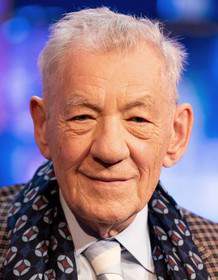
D. H. Lawrence (Ian McKellen)
Played by Ian McKellen
An English writer whose provocative works spark controversy and censorship. His bohemian marriage to Frieda and relentless search for inspiration drive the plot across different countries. His health issues, notably tuberculosis, shape his later years and force him into moments of reflection and vulnerability. He ends with the resolve expressed in his words: 'I shall always be a priest of love.'
- 🎭 Writer
- 🧭 Bohemian
- 🫁 Tuberculosis
- 🗞️ Censorship
-
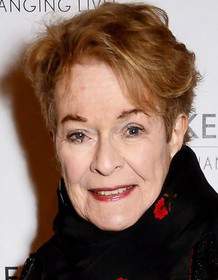
Frieda Lawrence (Janet Suzman)
Played by Janet Suzman
A German aristocrat who elopes with Lawrence and stands as his intellectual partner and emotional anchor. She accompanies him through exile to New Mexico and Oaxaca, supporting his writing and artistic ambitions while negotiating the pressures of public scrutiny. Her fierce loyalty and love for Lawrence shape many decisions and moments of the couple’s journey.
- 💃 German
- 🧭 Bohemian
- ❤️ Romantic
- 🗺️ Exile
-
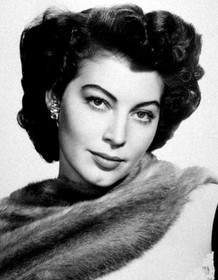
Mabel Dodge Luhan (Ava Gardner)
Played by Ava Gardner
Wealthy American art patroness who invites the Lawrences to New Mexico and grants them a ranch in exchange for the manuscript of Sons and Lovers. She embodies patronage and transatlantic cultural exchange, bridging European literary life with American avant-garde circles. Her support helps sustain Lawrence during a crucial creative period.
- 💰 Patron
- 🗺️ American
- 🎨 Art patron
- 🤝 Patronage
- DB
Dorothy Brett (Penelope Keith)
Played by Penelope Keith
A loyal friend in Lawrence and Frieda’s circle who works on painting and types out Lawrence’s manuscripts. She travels with the couple and participates in the creative and social life surrounding their work. Her involvement underscores the collaborative nature of Lawrence’s literary and artistic output.
- 👩🎨 Artist
- 🗣️ Support
- 🧭 Friend
-
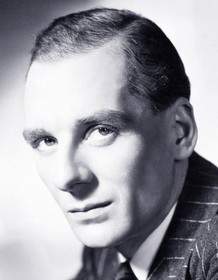
Herbert G. Muskett (John Gielgud)
Played by John Gielgud
The public censor whose authority leads to bans and the burning of Lawrence’s books. He represents the institutional pushback against perceived obscenity and moral panic surrounding wartime literature. Muskett’s decisions have direct, dramatic consequences for Lawrence and Frieda’s life choices.
- 🗡️ Censor
- 📝 Obstruction
- ⚖️ Authority
-
Aldous Huxley (James Faulkner)
Played by James Faulkner
A fellow writer and intellectual in the same cultural milieu as the Lawrences. He provides companionship and dialogue around art, science, and modernist ideas, reflecting the era’s literati. His presence helps illustrate the interconnected world of early 20th-century writers.
- 🧭 Intellectual
- 📝 Writer
- 🗣️ Friend
- BW
Barbara Weekley (Jane Booker)
Played by Jane Booker
A social figure within the Lawrence circle, connected to the broader network of friends and acquaintances who influence the couple’s social life. Her engagement and presence symbolize the high-society backdrop against which their artistic actions unfold. She embodies the cultural milieu that surrounds Lawrence’s work.
- 🎐 Socialite
- 🗣️ Cultural
- 🧭 Circle
- AL
Arthur Lawrence (Patrick Holt)
Played by Patrick Holt
A member of the Lawrence family whose presence grounds the personal side of Lawrence’s life. He represents familial ties and the ordinary aspects of life that contrast with the couple’s radical creative pursuit. His interactions help illuminate the pressures and support from home.
- 👨👩👦 Family
- 🗣️ Support
- 🧭 Domestic
- MH
Maria Huxley (Wendy Allnutt)
Played by Wendy Allnutt
A member of the Huxley circle who intersects with Aldous Huxley and the broader literary community. Her role highlights the social networks that nurture modernist ideas and artistic exchange. She contributes to the sense of a vibrant, international literary community around the Lawrences.
- 👩🎨 Artist
- 🗺️ Social circle
- 🧭 Modernist
Where and When Is Priest of Love Set?
Priest of Love is set in Cornwall, London, New Mexico, Oaxaca, Mexico City, Nottingham, Tuscany… (1914-1916). Here is why the time and place matter to the story.
When
1914-1916
The events occur during the early years of World War I. 1914 marks the outbreak of hostilities and rising hostility toward Frieda as a German, fueling persecution of Lawrence. By 1915, The Rainbow is seized and burned in London, sending the couple into a period of travel and exile. The timeline follows Lawrence’s health decline and his final days in Europe, concluding with his death and a reflective aftermath.
Where
Cornwall, London, New Mexico, Oaxaca, Mexico City, Nottingham, Tuscany, Florence, Nice
The story unfolds across a network of places that shape its bohemian spirit. It begins in rural Cornwall, a windswept setting that frames Lawrence and Frieda’s unconventional life. The action moves to London, where censorship and public scrutiny take center stage. The journey then spans New Mexico and Oaxaca, with a stop in Mexico City, before returning to Europe in Tuscany and Florence, and ending near Nice as Lawrence’s health declines.
- 🏖️ Coastal
- 🎭 Bohemian
- 🏛️ Historic
- 🌵 Desert-like
- 🎨 Art scene
What Are the Themes of Priest of Love?
4 ideas the story keeps returning to, among them Love, Censorship and Artistic Creation.
-
01
Love
The relationship between Lawrence and Frieda drives much of the narrative, fueling creativity while provoking conflict with society and authorities. Their union sparks travel, risk, and resilience as they pursue artistic and personal freedom. Love is portrayed as both a creative catalyst and a source of vulnerability in a hostile world.
-
02
Censorship
Censorship frames key conflicts, from accusations of obscenity to public book burnings and police raids on exhibitions. The Rainbow’s seizure embodies the power of moral gatekeepers over art. The tension between artistic expression and societal norms propels the plot and forces the protagonists into exile and relocation.
-
03
Artistic Creation
Lawrence’s writing and painting are presented as a relentless search for inspiration across diverse landscapes. The film shows the networks—printers, patrons, and galleries—that enable literary creation, highlighting how art travels between continents. The Tuscany period marks a peak in creative output, blending literature and visual art in a unified artistic quest.
-
04
Mortality
Tuberculosis casts a shadow over the narrative, shaping decisions and accelerating the sense of urgency. Illness reframes Lawrence’s work and legacy, pressing him toward a final act of creation. The end is intimate and poignant, emphasizing peace and release in the face of mortality.
What Kind of Film Is Priest of Love?
Melancholic in tone, with steady pacing and a moderate story, going by the plot summary.
- Tone
- Melancholic
- Pacing
- Steady
- Story
- Moderate
- Intensity
- Medium
- Ending
- Bittersweet
A melancholic and passionate portrait of an artist's life, marked by a tumultuous love, creative struggle against censorship, and a somber journey with terminal illness, culminating in a bittersweet legacy.
- passionate
- tumultuous
- contemplative
- bittersweet
- lonely
- persecuted
- artistic struggle
- romantic partnership
- illness and mortality
- literary censorship
Content notes: terminal illness, psychological persecution, book burning.
Quiz
How well do you remember Priest of Love? Test yourself on the story.