
The Tall Target 1951

Directed by
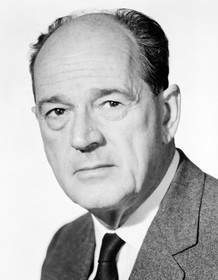
Anthony Mann
Made by

Metro-Goldwyn-Mayer
The Tall Target Plot Summary
Read the complete plot summary and ending explained for The Tall Target (1951). From turning points to emotional moments, uncover what really happened and why it matters.
On a tense 1861 train journey toward the capital, New York Police Sergeant Dick Powell as John Kennedy discovers a plot to assassinate the president-elect long before he reaches Washington. Kennedy, who once guarded Abraham Lincoln for 48 hours, has already infiltrated a cabal and believes the conspiracy will unfold as the ill Lincoln travels in disguise on the Baltimore–Washington leg. His superior, Superintendent Will Wright as Simon G. Stroud, dismisses the warning as “hogwash,” and even Caleb Jeffers, a militia colonel who sits beside Stroud, shares the sentiment. Frustrated, Kennedy resigns on the spot and vows to foil the plot himself, having already sent his report to the Secretary of War and a telegram to Lincoln requesting a private meeting in Baltimore.
On February 22, 1861, Kennedy boards the train bound for Washington, hoping to speak with Insp. Tim Reilly, but Reilly is nowhere to be found and the ticket situation grows desperate. With no ticket, Kennedy must ride the train anyway, sprinting after it as it pulls away and climbing aboard just as the doors close. The car is a microcosm of the era’s tensions: Mrs. Charlotte Alsop, an anti-slavery writer [Florence Bates], Lance Beaufort, a West Point cadet who plans to resign and enlist with the Confederacy [Marshall Thompson], his sister Ginny [Paula Raymond], and their slave Rachel [Ruby Dee].
A mystery deepens when Reilly’s body is found on the exterior platform of a car, only to slide off the train as Kennedy reaches for it. An impostor claiming Kennedy’s identity seizes the moment, using the missing ticket to sow confusion. Jeffers, who vouches for Kennedy, grants him a spare compartment ticket, but the impostor forces Kennedy off at the next stop. A dramatic struggle ensues, and the conspirator is killed by daring intervention from the other conspirators’ ally, while the tension inside the compartment heightens. The conspirators’ momentum is checked when Jeffers kills the imposter; however, he then steals the derringer Kennedy had lent him and shoots the ex-policeman. Kennedy’s instincts pay off again, and he had tampered with the bullet, ensuring Jeffers’ shot could not be fatal to Kennedy. Jeffers finally confesses that he and the others are committed to the plot to protect his cotton-mill shares, which would be harmed by a war.
In Philadelphia, Kennedy tries to bring Jeffers to justice, only to learn that Jeffers has obtained a telegram from Stroud confirming Kennedy’s status as no longer a police officer. Kennedy is taken into custody by Lt. Coulter [Richard Rober], while Rachel hurries to deliver an urgent message. Kennedy makes a perilous escape and leaps back aboard the train, where the conductor is ordered to hold the locomotive until a crucial package arrives. Mrs. Gibbons boards with her ailing husband, a scene that foreshadows the larger deception at play.
As the journey continues, Kennedy crosses paths with Rachel again, who reveals that Beaufort plans to alight in Baltimore—not Atlanta as he had claimed—raising the stakes of the mission. Be it a matter of timing or luck, Kennedy finds himself bound and then freed in a tense sequence that culminates in a confrontation with the conspirators. Beaufort, too, learns that the conspiracy faces a new obstacle when Kennedy regains his footing and resists capture. The train’s momentum pushes toward a dramatic climax, and in the chaos, Kennedy’s escape enables him to thwart the plot once more.
The final twist arrives when Mrs. Gibbons reveals herself as a Pinkerton agent in disguise. The revelation ties Kennedy’s earlier telegrams to Allan Pinkerton, who had persuaded Lincoln to cancel the public speech and travel incognito as the ailing Mr. Gibbons. With Lincoln safe and the danger averted, the train nears Washington, where the President-to-be muses in a resigned, ironic tone on the night’s events: “Did ever any President come to his inauguration so like a thief in the night?” > Did ever any President come to his inauguration so like a thief in the night?
The narrative intertwines loyalty, political pressure, and the gray area between duty and profit, painting a vivid portrait of a country on the cusp of war. The cast, featured in a constellation of roles both credited and uncredited, threads the suspense through varying stations on a single, perilous carriage ride toward destiny.
The Tall Target Timeline
Follow the complete movie timeline of The Tall Target (1951) with every major event in chronological order. Great for understanding complex plots and story progression.
Kennedy's initial guard over Lincoln
New York Police Sergeant John Kennedy guarded Abraham Lincoln for 48 hours during a campaign, and the experience left him deeply impressed by the man. The close watch exposed him to hints of a looming threat and the seriousness of political danger. This early encounter seeds Kennedy's resolve to intervene when a conspiracy appears.
Kennedy resigns to foil conspirators
Stroud dismisses the threat as hogwash, leaving Kennedy with no official support. Kennedy resigns on the spot so he can foil the conspirators on his own. He forwards a copy of his report to the Secretary of War and prepares for action, signaling a break with the police department.
telegram to Lincoln requesting a Baltimore meeting
Kennedy sends a telegram to Lincoln urgently requesting a meeting in Baltimore. He has already sent his report to the War Department, ensuring upper-level awareness. The telegram sets the stage for Kennedy's direct involvement in the coming journey.
Boarding the train for Washington
On February 22, 1861, Kennedy boards the train bound for Washington. He shares the journey with a cast of passengers, including Mrs. Charlotte Alsop and Lance Beaufort, all with their own agendas. The shipment of travelers becomes a pressure cooker for the conspiracy.
Reilly's body and the ticket mystery
Kennedy searches for Inspector Reilly but cannot find him. Reilly's body is later discovered on the exterior platform of a car, yet the corpse slips off the train as Kennedy reaches for it. The eerie discovery heightens the sense that danger lurks among the passengers.
Imposter seizes the ticket and Kennedy is displaced
An imposter claiming to be Kennedy forces him off the train at the next stop. Fellow passenger Caleb Jeffers vouches for Kennedy and provides a spare ticket to share his compartment. The ruse advances the conspirators’ plan while Kennedy remains aboard.
Conspirator killed on the moving train
The commotion on the moving train attracts Jeffers' attention, and the conspirator is shot and killed. The immediate threat is thwarted, but the plot's reach remains dangerous. This marks the first direct clash with the conspiracy aboard the train.
Jeffers' betrayal and Kennedy is shot
Jeffers steals Kennedy's derringer and shoots him, while Kennedy pretends to sleep. Kennedy had tampered with the bullet to lessen the danger. Jeffers confesses that he is in the plot to protect his cotton mills' profits.
Philadelphia stop; custody and telegram
At Philadelphia, Kennedy tries to arrest Jeffers but is taken into custody by Lieutenant Coulter. Jeffers obtains a telegram from Stroud confirming that Kennedy is no longer a police officer. Rachel attempts to deliver an urgent message but is brushed off.
Kennedy escapes and returns to the train
Kennedy escapes custody and gets back on the train, rejoining the journey toward Baltimore and Washington. The conspiracy continues to unfold as the passengers are drawn deeper into danger. Tension mounts as the plan advances.
Beaufort's misdirection and captive status
Rachel informs Kennedy that Beaufort plans to disembark at Baltimore, not Atlanta as claimed. Kennedy is taken prisoner by Beaufort and tied up in Jeffers' compartment, escalating the peril aboard. The route toward the nation’s capital grows increasingly treacherous.
Baltimore speech canceled; Lincoln in disguise suspected
The conspirators are disappointed when Lincoln cancels his Baltimore speech. Jeffers departs but suspects Mrs. Gibbons’ husband is Lincoln in disguise and chases after the train to warn Beaufort. The danger expands into a cloak-and-dagger chase along the rails.
Kennedy frees himself; Beaufort falls from the train
Kennedy frees himself during a tense struggle and pushes the would-be assassin Beaufort from the speeding train. The immediate threat to Lincoln’s life shifts toward the capital’s approach. A perilous pursuit continues along the track.
Pinkerton reveal and Lincoln's incognito ride
Mrs. Gibbons reveals she is a Pinkerton undercover agent, and that Allan Pinkerton’s report helped persuade Lincoln to travel incognito on the train as the ailing Mr. Gibbons. This revelation reframes the mission as a covert operation rather than a public spectacle. Lincoln’s safety depends on remaining unseen until Washington is reached.
Arrival in Washington and Lincoln's reflection
As the train reaches Washington, Lincoln muses that a President can arrive for his inauguration like a thief in the night. Kennedy’s efforts have kept him safe and delivered the nation to the capital. The scene closes with a wary sense of triumph amid ongoing danger.
The Tall Target Characters
Explore all characters from The Tall Target (1951). Get detailed profiles with their roles, arcs, and key relationships explained.
John Kennedy (Dick Powell)
A New York Police Sergeant who infiltrates the conspiracy to assassinate Lincoln on the train. He is determined, quick-thinking, and driven by a strong sense of duty, repeatedly risking his safety to uncover the truth.
Rachel (Ruby Dee)
A passenger who is enslaved, navigating the peril of the journey while bearing vital information and loyalties. Her presence on the train sharpens the moral stakes of the mission and highlights the era’s brutal realities.
Mrs. Charlotte Alsop (Florence Bates)
An anti-slavery writer whose perspectives illuminate the abolitionist cause aboard the train. She embodies intellectual resolve and moral clarity amid political turbulence.
Lance Beaufort (Marshall Thompson)
A West Point cadet who contemplates resignation to join the Confederate cause, torn between duty, loyalty, and personal conviction. His choices reflect the broader splits within the nation.
Ginny Beaufort (Paula Raymond)
Lance Beaufort’s sister, a young woman whose presence on the journey adds human frailty and hope to a tense voyage through a fractured country.
Caleb Jeffers (Adolphe Menjou)
A colonel whose greed and strategic cunning drive his involvement in the plot to profit from cotton mills. He is a calculating antagonist whose actions propel the central conflict.
Lt. Coulter (Richard Rober)
An officer who initially supports the authorities but becomes entangled in the shifting loyalties aboard the train as Kennedy fights to prove the conspiracy.
Allan Pinkerton (James Harrison)
A Pinkerton agent whose influence shapes the plan and Lincoln’s incognito travel, embodying the era’s secret-service style of protective reconnaissance.
Abraham Lincoln (Leslie Kimmell)
The future president, traveling incognito as the sick Mr. Gibbons, whose presence structurally motivates the plot and adds dramatic weight to Kennedy’s mission.
The Tall Target Settings
Learn where and when The Tall Target (1951) takes place. Explore the film’s settings, era, and how they shape the narrative.
Time period
February 1861
The story takes place on the eve of Abraham Lincoln’s inauguration, during a fraught period just before the Civil War. The era is marked by abolitionist debates, regional tensions, and the fragile politics surrounding the upcoming administration. The train journey compresses the national crisis into a single, high-stakes voyage.
Location
New York, Philadelphia, Baltimore, Washington, D.C.
The action unfolds aboard a passenger train traveling from New York toward Washington, D.C., with key moments occurring in Philadelphia and Baltimore. The carriages, stations, and tracks form a moving stage for intrigue and confrontation. The route itself becomes a corridor where political stakes and personal loyalties collide against a backdrop of pre-war tension.
The Tall Target Themes
Discover the main themes in The Tall Target (1951). Analyze the deeper meanings, emotional layers, and social commentary behind the film.
🕵️
Intrigue
A secret cabal plots to assassinate Lincoln, driving the tension aboard the moving train. Kennedy’s undercover pursuit and the misdirection of suspects keep the conspiracy’s nature uncertain. The film builds suspense through deceptions, alarms, and near-misses as the passengers become unwitting players in a national plot.
🕊️
Abolition
The presence of an anti-slavery writer and a traveling enslaved woman foregrounds the era’s moral conflicts. Their perspectives highlight the stakes of freedom and the human cost of political machinations. Abolitionist sentiments intersect with personal loyalties, complicating the motives of those aboard the car.
⚖️
Duty vs Ambition
Kennedy’s commitment to duty collides with others’ ambitions, especially those profiting from conflict. The plot tests personal risk, career, and moral principles against the larger political needs of the moment. The narrative argues that integrity can persist even when treachery seems profitable.

Coming soon on iOS and Android
The Plot Explained Mobile App
From blockbusters to hidden gems — dive into movie stories anytime, anywhere. Save your favorites, discover plots faster, and never miss a twist again.
Sign up to be the first to know when we launch. Your email stays private — always.
Explore the mobile appThe Tall Target Spoiler-Free Summary
Discover the spoiler-free summary of The Tall Target (1951). Get a concise overview without any spoilers.
In the spring of 1861 a single locomotive thunders northward, its iron wheels echoing across a nation on the brink of war. The cramped carriages become a moving micro‑cosm of a divided country—political pamphlets share space with whispered prayers, and the clatter of wheels carries a palpable sense of urgency. Against this backdrop the train carries President‑elect Abraham Lincoln, traveling incognito toward Washington, while the country watches with a mixture of hope and dread.
Into this volatile setting steps John Kennedy, a New York Police Sergeant whose reputation rests on a daring 48‑hour guard of Lincoln years earlier. Kennedy is a man forged by duty and haunted by the knowledge that a lethal conspiracy may be unfolding beneath the roar of the locomotive. With a report already sent to the Secretary of War and a desperate telegram seeking a private audience, he is prepared to abandon official orders and pursue the threat on his own terms. His resolve is matched only by the eclectic cast of fellow travelers—a fiery abolitionist writer, a conflicted West Point cadet, his sister, and a quietly observant servant—each embodying the era’s tangled loyalties and personal stakes.
The film moves with a tight, breath‑held rhythm, its tension amplified by the confined setting and the relentless forward motion of the train. Shadows flicker across polished wood, conversations hiss like steam, and every glance hints at hidden motives. While the threat looms, the story balances gritty determination with moments of humanity, painting a portrait of a nation hurtling toward destiny. The atmosphere is both claustrophobic and expansive, inviting the audience to feel the weight of history pressing against the metal rails as John Kennedy races to protect a future that hangs in the balance.
Movies with Similar Twists and Themes
Uncover films that echo the narrative beats, emotional arcs, or dramatic twists of the one you're exploring. These recommendations are handpicked based on story depth, thematic resonance, and spoiler-worthy moments — perfect for fans who crave more of the same intrigue.




Featured on this page

What's After the Movie?
Not sure whether to stay after the credits? Find out!
Check out our other apps:

SAT Sphere
Build confidence for the Digital SAT.

Mori Atlas
Discover wild places worth protecting.

Luntero
Search smarter for a home in Amsterdam.

Plot Explained
Unravel movie endings and hidden clues.

Pokechamp
Dive into Pokémon data and battle logic.

Driving Theory
Get ready for your European theory test.

Movie Dust
Plan your next cinema trip with ease.

Musemap
Find art and culture as you travel.

Selkobase
Compare credentials before committing.

Local Manual
Turn an unfamiliar country into practical next steps.

Lernavi
Compare school systems before your next move.

GymRoam
Find a workout stop wherever your plans take you.
Explore Our Movie Platform
New Movie Releases (2026)
Famous Movie Actors
Top Film Production Studios
Movie Plot Summaries & Endings
Major Movie Awards & Winners
Best Concert Films & Music Documentaries
Movie Collections and Curated Lists
© 2026 What's After the Movie. All rights reserved.
Privacy Policy